In a move that’s raised eyebrows across the spectrum of alternative press and establishment newsrooms alike, Independent Media has appointed Chris Anthony as its new President for North America. The news, first reported by Editor and Publisher, comes at a time when the stakes for independent journalism have never been higher (source).
The Hard Truth: Media Consolidation vs. Independent Journalism
Before diving into what Chris Anthony means for the future, it’s worth reminding readers where we stand. The American media landscape is a dystopian funhouse mirror: six conglomerates own nearly all of mainstream news outlets (Business Insider, 2012; Statista, 2023). The result? A homogenized news cycle that serves advertisers, shareholders, and political gatekeepers more than it serves the public.
Independent Media—distinct from both legacy print and digital-first upstarts—has become a lifeline for those craving dissent, diversity of thought, and reporting untainted by corporate mandates. The appointment of a new president isn’t just a change in leadership; it’s a potential pivot point in a tug-of-war between the remaining pockets of free press and the encroaching shadow of Big Media.
Who Is Chris Anthony?
While mainstream coverage of Anthony’s career is, predictably, thin, those in the know recognize the name from a string of disruptive projects. Anthony’s background is less about climbing the corporate ladder and more about busting it up: think grassroots newsrooms, open-source publishing platforms, and a penchant for transparency over PR fluff. He’s known for championing decentralized media models and challenging the algorithmic stranglehold of social platforms—an approach that’s earned him both accolades and enemies.
Anthony’s appointment signals that Independent Media isn’t content to be just another alternative outlet. Instead, it’s aiming to set the agenda for what independent journalism can be, especially as digital censorship and platform demonetization become standard tools for silencing dissenting voices (Columbia Journalism Review, 2021).
What’s at Stake?
Press Freedom: The U.S. press freedom ranking has plummeted in recent years, according to Reporters Without Borders. Independent outlets are increasingly squeezed by both government action and private censorship.
Audience Trust: Gallup and Knight Foundation data show trust in media is at historic lows (2022 report). Independent Media has an opportunity—and a responsibility—to rebuild that trust, but only if it resists the lure of clickbait, polarization, and advertiser appeasement.
Access and Distribution: With algorithms and search engines throttling reach for non-corporate sources, will Anthony double down on direct distribution, open syndication, and reader-powered funding?
Disruptarian Take: A Punk Reggae Resistance in Suits?
Here’s where the commentary kicks in. For too long, so-called “independent” outlets have been co-opted by venture capital, or worse, by ideologically aligned billionaires masquerading as champions of free speech. The danger is that every new leader, no matter how radical their resume, becomes another suit in the boardroom after the first round of funding. Will Anthony break the mold, or will he be forced to play by the same rules as everyone else?
Let’s be real: the only way for independent media to thrive is to refuse to play the game—to reject the carrot of mainstream legitimacy and the stick of algorithmic compliance. The punk and reggae ethos—DIY, anti-authoritarian, fiercely local—offers a blueprint. Real independence means:
Open-source newsroom tools and editorial policies
Radical transparency about funding, sources, and editorial decisions
Prioritizing community over audience metrics
Calling out power, left or right, without fear or favor
Anthony’s track record suggests he understands this. But the pressure to scale up, monetize, and “play nice” with distribution platforms is relentless. The next year will reveal whether Independent Media becomes the vanguard of a new press—or just another logo in the media menagerie.
Documented Facts vs. Disruptarian Opinion
Fact: Chris Anthony has been appointed President, North America, for Independent Media (Editor and Publisher).
Fact: U.S. press freedom and trust in media institutions are in crisis (RSF; Knight Foundation).
Fact: Media consolidation continues to threaten diversity of voices (Business Insider).
Opinion: Anthony’s leadership could swing Independent Media toward a more radical, transparent, and community-driven model, but only if it resists the co-optation that has sunk so many before.
What Does Success Look Like?
For those who believe in a truly independent press, success isn’t measured in quarterly growth or social media reach. It’s measured in:
Uncovering stories the mainstream won’t touch
Protecting whistleblowers and sources
Empowering local communities to tell their own stories
Staying independent—financially and editorially—from both state and corporate overlords
Whether Chris Anthony and Independent Media can deliver on this promise remains to be seen. But in a world where the chorus of manufactured consent keeps getting louder, any crack in the wall of corporate news is worth watching—and defending.
Conclusion: Eyes Open, Ears to the Underground
The Disruptarian stance is clear: we’ll applaud any move toward real independence, but we won’t hesitate to call out co-optation or compromise. Chris Anthony, the ball’s in your court. Will you dance to the tune of the old media order, or will you drop the needle on a new track for North American journalism?
Amy Goodman built Democracy Now from a basement into a global broadcast while the corporate press counted column inches. Here's why that matters more than ever, and why you should be funding your local independent outlet
Twin Rivers Charter School, Eugene 4J Gender Policy, and the Fight for Parents Rights in Oregon
Twin Rivers Charter School in Eugene, Oregon is now part of a larger debate over parents rights, school transparency, and gender identity policy.
This is not about hating anyone. It is not about bullying students. It is not about treating kids poorly.
It is about a simple question.
Do parents have the right to know what is happening with their own children at school?
Twin Rivers Charter School, also called TRCS, is a public charter school in Eugene. Its own website says the school is part of Northwest Youth Corps and is chartered by Eugene School District 4J. The school serves students from 8th to 12th grade who are looking for a different model than the traditional classroom. (Twin Rivers Charter School)
That means parents looking at Twin Rivers need to look beyond only the school website. They also need to look at Eugene 4J policy.
And that is where the issue gets serious.
Eugene 4J Has a Gender Identity Policy Framework
The correct policy source here is Eugene School District 4J, not the California district with a similar name.
The 2025 to 2026 Eugene 4J Back To School Memo tells administrators and staff that certain policies must be reviewed each fall. One of those required staff review items is called Affirming Gender Identity, Expression, and Equity for Transgender and Gender-Expansive Students and Staff. The memo points staff to School Board Policy JBC for students and GBAA for staff. It also says Eugene 4J approved Resolution #2025-01 on January 22, 2025, affirming gender identity, expression, and equity for transgender and gender-expansive students and staff. (SmartSites)
That matters because these are not side notes. They are part of required staff review.
The memo also says Eugene 4J prohibits discrimination based on sexual orientation, gender expression, and gender identity, along with many other protected categories. It says staff with knowledge of discrimination or harassment based on a protected characteristic are responsible for taking action and reporting it that same day. (SmartSites)
Parents should understand what that means in practice.
Schools are not just saying, “Be kind to all students.” That would be easy to support. They are building formal policy structures around gender identity, records, staff duties, harassment rules, and student privacy.
That is where parents rights come in.
Parents Rights Are Not Optional
Parents are not guests in their child’s life.
Parents are not random outside observers.
Parents are the first guardians of their children. They carry the moral duty, legal duty, emotional burden, financial cost, and long-term responsibility.
A school may have a student for part of the day. Parents carry the child for life.
That is why parents rights matter.
Parents have the right to know what policies shape their child’s school life. They have the right to inspect records. They have the right to ask direct questions. They have the right to know if school staff are helping their child use a different name or identity at school. They have the right to know what bathroom, locker room, overnight trip, and privacy policies apply.
None of that is extreme.
That is basic accountability.
The Records Issue Is Huge
Eugene 4J’s Back To School Memo has a section on education records. It says parents and eligible students must give written consent before education records are released, unless an exception applies. It also says consent is not required to share student records with a parent, noncustodial parent, or eligible student. (SmartSites)
That language supports a key point: parents still have real rights.
The memo also says both custodial and noncustodial parents ordinarily have the right to receive all information about their children and examine all student records, unless a court order limits access. It says each parent may inspect and review education records, each parent has access to Synergy, and each parent may question licensed staff and request explanations of student records. (SmartSites)
That is important.
If a school keeps two versions of a child’s identity, one at home and one at school, parents have every right to ask where that information is stored, who can see it, and whether it is being hidden from them.
Schools cannot preach trust while creating systems that parents only discover later.
Safety Does Not Require Secrecy From Fit Parents
Schools often defend gender identity policies by using the word safety.
Safety matters. No student should be bullied or harassed. No student should be threatened. No student should be mocked by staff.
But safety cannot become a magic word that cancels parents.
Most parents are not a threat to their children. Most parents are trying to help their children survive a confusing world. A school that treats parents as suspects by default is not helping the family. It is weakening it.
There are cases where abuse must be reported. Schools already have rules for that. Eugene 4J’s memo reminds staff they must report suspected child abuse to DHS or law enforcement when they have reasonable cause to believe abuse occurred. (SmartSites)
That is the proper path.
If there is abuse, report it. If there is no abuse, do not build a wall between a child and the parents.
Twin Rivers Parents Should Ask Direct Questions
Twin Rivers parents should not wait for a crisis.
They should ask the school and Eugene 4J clear questions now.
What exactly does Policy JBC require? How does Twin Rivers apply it? Are parents notified if a student asks to use a different name or pronouns at school? Are those changes entered into any school system? Are teachers told to use one name at school and another name with parents? What bathroom and locker room rules apply? What overnight trip rules apply? What happens if parents ask to see all records related to their child?
These are fair questions.
A public charter school funded through public systems should answer plainly.
Parents should not accept vague words like “inclusive,” “affirming,” or “best practice” as a substitute for clear policy.
The $650,000 Oregon Lawsuit Is a Warning
Oregon already has a major warning sign.
In Grants Pass School District No. 7, two educators, Rachel Sager and Katie Medart, challenged district policy and guidance tied to gender identity and parents rights through a public effort called “I Resolve.” The Ninth Circuit described their case as involving claims that the district punished them for protected speech on gender identity, parent rights, and education policy. (SmartSites)
The court record says the educators raised concerns about student preferred names, pronouns, restroom use, and confidentiality when a student had not shared gender identity preferences with parents. The record also says the school board voted 4 to 3 to terminate them, then later voted 4 to 3 to reinstate them. (SmartSites)
Jefferson Public Radio reported that the Grants Pass school board approved a settlement agreement in the “I Resolve” lawsuit after the educators were fired over a video challenging district policy on transgender students. (Wikipedia)
Other reporting said the settlement totaled $650,000 and included damages, attorneys’ fees, positive recommendation letters, removal of negative employment references, and policy revisions. (Wikipedia)
That case matters because it shows what happens when school systems punish dissent.
Teachers do not lose free speech because they work in education. Parents do not lose rights because administrators prefer quiet compliance. And taxpayers should not be forced to pay large settlements because school districts cannot handle disagreement.
The Woke Agenda Uses Soft Words
The woke agenda in schools rarely shows up wearing a sign.
It uses soft words.
“Inclusion.”
“Affirmation.”
“Equity.”
“Safety.”
“Privacy.”
Some of those words can mean good things. But in practice, they can also be used to shut parents out, silence teachers, and force one political view into the classroom.
That is the danger.
When schools say they are only protecting students, parents should ask: protecting them from what, and from whom?
If the answer is “from their parents,” then we have a problem.
Public Schools Must Serve Families
Public schools exist to help families educate children.
They do not exist to replace the family.
They do not exist to turn teachers into political agents.
They do not exist to create hidden identities for children without parent knowledge.
They do not exist to treat parental authority as a threat.
A free society depends on strong families. When the state weakens the family, liberty weakens with it.
This is not just a school policy fight. This is a power fight.
Who decides what is best for a child?
The parent, or the bureaucracy?
What Parents Can Do Now
Parents in Eugene should read the policies themselves. They should ask for Policy JBC. They should ask Twin Rivers how that policy is applied. They should request records. They should attend 4J board meetings. They should talk to other parents. They should document every answer they receive.
They should also stay calm and clear.
Do not let school officials frame basic questions as hate.
A parent asking about records is not hateful. A parent asking about bathroom rules is not hateful. A parent asking if staff are keeping secrets is not hateful.
That is responsible parenting.
Final Thought
Twin Rivers Charter School is not the whole story. It is one part of a bigger issue in Eugene 4J and across Oregon.
The real issue is whether parents remain the primary authority in their child’s life.
Schools have a role. Teachers have a role. Counselors have a role. Administrators have a role.
But none of them replace parents.
Parents rights are not radical. They are normal. They are old. They are necessary.
When schools forget that, parents need to remind them.
Trump Second Term Wins: The Liberty Scorecard the Media Will Not Write
By Ryan “Dickie” Thompson
In the last Disruptarian article, “Trump 2016 vs 2025: Broken Promises, Foreign Bombs, and Libertarian Truth,” I called out Trump hard.
That article was not wrong.
Trump still has a bad record on the Federal Reserve. He has not ended the drug war. He has not fully left foreign intervention behind. He has not cut spending the way a real liberty president should. Libertarians should never become fanboys for any politician. The state is still the state. Power is still dangerous. (Disruptarian)
But that is not the whole picture.
This follow-up is about what Trump has done right. Not because he is perfect. Not because he is a libertarian. He is not. But because policy matters. Results matter. And in his second term, Trump has moved real parts of the federal machine away from woke control, globalist management, speech policing, regulatory bloat, and anti-American rule.
That deserves a scorecard too.
The Obama-era scorecard was a warning about what happens when slick speeches hide bigger government. This one is different. Trump’s second term has real wins for the American people, especially on speech, education, energy, regulation, crypto, DEI, and the administrative state. (Disruptarian)
Trump Second Term Liberty wins
So let’s count the wins.
1. Trump Put Federal Censorship on Notice
One of Trump’s first major wins was the executive order titled Restoring Freedom of Speech and Ending Federal Censorship.
The order told federal agencies they cannot use government power, money, staff, or pressure to silence lawful speech. That matters. The First Amendment does not mean much if bureaucrats can pressure platforms, banks, schools, or contractors to do the dirty work for them. (The White House)
This is a major liberty win.
For years, the regime hid censorship behind soft language. They called it “misinformation policy.” They called it “public safety.” They called it “content moderation.” But it was still state pressure against speech.
Trump forced the issue into the open.
That does not fix every problem. Big Tech still has power. Intelligence agencies still need to be watched. But the president saying “no more federal censorship” is better than the old game, where agencies nudged private companies to suppress dissent.
2. He Went After Weaponized Government
Trump also signed an order aimed at ending the weaponization of the federal government.
The order called for a review of federal law enforcement and intelligence conduct. It focused on political targeting, abusive investigations, and the use of federal power against perceived enemies. (The White House)
This is not small.
A free country cannot survive when the law becomes a club for one political side. The IRS, FBI, DOJ, DHS, and intelligence agencies must not become domestic political weapons.
Libertarians have been warning about this for decades.
The state always says its power will only be used against bad people. Then the definition of “bad people” expands. Parents at school board meetings. Gun owners. Protesters. Crypto users. Anti-war voices. Medical freedom activists. People who post the wrong meme.
The solution is not to weaponize the state in the other direction. The solution is to cut the weapon down.
Trump has at least started that fight.
3. He Smashed Federal DEI Programs
Trump’s order ending federal DEI programs was one of the clearest anti-woke wins of his second term.
The order targeted DEI and DEIA offices, equity action plans, environmental justice offices, diversity training, and identity-based federal preferences. It told agencies to unwind the machinery. (The White House)
Good.
Government jobs should not be handed out by race, sex, gender identity, or political fashion. Federal contracts should not require ideological loyalty tests. Taxpayers should not fund struggle sessions inside agencies.
This is basic equal treatment under law.
DEI was sold as fairness. In practice, it became a patronage system for activists, consultants, HR departments, and race-based politics.
Trump did not just complain about it. He cut into the structure.
That is a win.
4. He Restored Merit Over Identity Politics
Trump followed the DEI rollback with an order focused on merit-based opportunity.
The order directed agencies to end discriminatory preferences and enforce civil rights laws against unlawful DEI practices. It also attacked the idea that race and sex preferences should control hiring, promotion, grants, or contracts. (The White House)
This is where the woke agenda loses ground.
Liberty means you are judged as an individual. Not as a tribe. Not as a color category. Not as a victim class. Not as a quota.
Merit is not perfect. Human systems are not perfect. But merit is far better than state-managed identity math.
When the government pushes identity politics, it teaches citizens to hate each other by category.
Trump pushed back.
5. He Brought Biological Reality Back Into Federal Policy
Trump also signed an order restoring the federal government’s recognition of biological sex.
The order states that federal policy recognizes two sexes, male and female, and that sex is not the same thing as gender identity. It also focuses on sex-based spaces, privacy, and protections for women. (The White House)
This is not complicated.
Men are not women.
Women are not men.
A free society does not need federal lies to protect anyone’s rights. Adults can live how they want. But the state should not force every school, prison, shelter, workplace, and sports league to deny biology.
This is where Trump hit the woke machine hard.
The public was tired of being told to shut up and repeat slogans. Trump gave them permission to say what everyone already knew.
6. He Protected Women’s Sports
Trump signed an order titled Keeping Men Out of Women’s Sports.
The order directed federal enforcement under Title IX to protect female sports and female spaces. It told the Department of Education to defend all-female athletic opportunities and locker rooms. (The White House)
This is a win for women and girls.
It is also a win for sanity.
The left spent years telling parents they had to accept males in female sports. The public did not buy it. Trump made that resistance federal policy.
Libertarians may debate how involved the federal government should be in education. Fair enough. But if Washington already controls Title IX enforcement, then it should not use that power to erase women.
Trump reversed that direction.
7. He Hit Woke Indoctrination in K-12 Schools
Trump’s K-12 order targeted radical indoctrination in public schools.
The order focused on schools that teach children to see themselves as oppressors or victims based on race, sex, or identity. It also emphasized parental authority and federal laws tied to student privacy and parental rights. (The White House)
This matters because the school system became the front line of the culture war.
Parents were told to stay quiet.
Kids were told to hide things from their parents.
Taxpayer schools became activist pipelines.
The state should not raise your child. You should.
Trump’s move does not fix government schooling by itself. But it does push back against the worst abuse: using public schools to train children into woke politics.
8. He Expanded School Choice
Trump also signed an order to expand educational freedom and opportunity for families.
The order supports parents choosing the best education setting for their children. It directs federal agencies to look for ways federal funds can support school choice, scholarships, and education freedom programs. (The White House)
This is a direct win for liberty.
Education money should follow the student, not the system.
Poor families should not be trapped in failing schools because union bosses and bureaucrats want control. Parents should be able to choose public, private, charter, homeschool, microschool, religious school, or other options.
School choice breaks the monopoly.
That is why the establishment hates it.
9. He Took on COVID Mandates
Trump moved to reinstate service members discharged over the military’s COVID vaccine mandate, with the White House saying the order included full back pay and benefits for eligible troops. (The White House)
This is a huge medical freedom issue.
People were forced to choose between their job and their body. Soldiers who served their country were pushed out for refusing a shot. Many of the same politicians who demanded bodily autonomy on other issues suddenly forgot the principle.
Trump gave some of those people a path back.
He also moved against COVID vaccine mandates in schools by blocking federal support for schools that impose them. (The White House)
That is a win for parents, students, and bodily autonomy.
10. He Pardoned Ross Ulbricht
Trump pardoned Ross Ulbricht.
For libertarians, this was one of the biggest symbolic wins of his second term.
Ulbricht’s sentence was insane. Two life sentences plus 40 years was not justice. It was a message. It was the state saying, “Do not build outside our system.” (Politico)
You do not have to defend every action tied to Silk Road to see the problem.
The drug war is violent because the state makes markets illegal. Prohibition creates black markets. Black markets create crime. Then the government uses the crime it helped create as an excuse for more power.
Ross was made into a trophy.
Trump freed him.
Credit where it is due.
11. He Defended Crypto and Self-Custody
Trump’s digital financial technology order is a major win for financial freedom.
The order says policy should protect access to public blockchains, mining, validating, transacting without unlawful censorship, and self-custody of digital assets. It also opposes central bank digital currencies inside U.S. jurisdiction. (The White House)
This is massive.
Self-custody is not a tech hobby. It is property rights.
The right to hold your own money without asking a bank, censor, payment processor, or central bank is a modern liberty issue.
A CBDC would give the state the power to track, freeze, expire, and control money at a level never seen before in American life.
Trump took the right side here.
12. He Gave Stablecoins a Legal Path
Trump signed the GENIUS Act, creating the first federal framework for payment stablecoins.
The White House framed it as a way to give stablecoins legal clarity, reserve rules, consumer protection, and a structure for issuers under state or federal oversight. (The White House)
This is not pure libertarian money. Let’s be honest.
A free market in money would be far better. The Federal Reserve should not have a monopoly. People should be free to choose Bitcoin, gold, silver, stablecoins, cash, barter, or private money.
But legal clarity is better than regulatory ambush.
The Biden approach was choke, sue, threaten, and debank.
Trump’s approach is more open to builders.
That is a win.
13. He Rejected Woke AI Rules
Trump signed an AI order that says American AI leadership should be driven by free markets, research, and entrepreneurial energy. It also rejects AI systems shaped by ideological bias or engineered social agendas. (The White House)
That matters.
The woke class wants every new tool filtered through their worldview. They want speech rules, bias rules, safety boards, approved narratives, and ideological control baked into code.
Trump’s policy points in the other direction.
Let builders build.
Let users choose.
Do not turn AI into a state-approved sermon machine.
14. He Launched a 10-to-1 Deregulation Rule
Trump’s deregulation order is one of the strongest free market actions of his second term.
It directs agencies to identify at least 10 old regulations for elimination for every new regulation they propose. It also requires regulatory costs to be offset. (The White House)
This is the kind of policy libertarians should celebrate.
Regulations are taxes with paperwork.
They raise prices. They kill small business. They protect big corporations that can afford compliance teams. They make it harder for normal people to build, repair, hire, sell, and grow.
Every useless rule cut is oxygen returned to the economy.
15. He Ordered Agencies to Repeal Unlawful Regulations
Trump also ordered agencies to repeal unlawful regulations.
The order points to recent Supreme Court cases that restored constitutional limits on agencies. It tells agencies to review regulations that may exceed statutory authority or violate constitutional boundaries. (The White House)
This is a direct attack on the administrative state.
Congress writes vague laws.
Agencies turn them into massive rulebooks.
Then unelected bureaucrats enforce those rules like kings.
That system is not consent of the governed. It is rule by clerks, lawyers, activists, and permanent staff.
Trump is right to pull it back.
16. He Took Aim at Overcriminalization
One of the most underrated Trump wins is his order on overcriminalization in federal regulations.
The order says the Code of Federal Regulations has more than 48,000 sections and over 175,000 pages. It warns that many rules carry criminal penalties, even when people may not know they broke a rule. It also says criminal enforcement of regulatory offenses should be disfavored and that agencies must list criminal regulatory offenses and penalties. (The White House)
This is a serious liberty issue.
A free person should not need a legal team to exist.
You should not become a criminal because you violated some buried regulation no normal citizen ever read.
The more laws a country has, the less free it becomes.
Trump’s order hits that problem at the root.
17. He Created DOGE to Attack Federal Waste
Trump created the Department of Government Efficiency structure, also called DOGE, to modernize federal technology and push agencies toward efficiency.
The order renamed the U.S. Digital Service as the United States DOGE Service and created DOGE teams inside federal agencies. (The White House)
Government waste is not funny.
It is stolen time.
Every wasted dollar came from someone who worked for it. A plumber. A nurse. A truck driver. A small business owner. A waitress. A young family trying to buy groceries.
If DOGE exposes waste and forces agencies to justify themselves, good.
The state should feel pressure every day.
18. He Ordered Federal Workforce Cuts
Trump’s workforce order told agencies to prepare for reductions in force and limit hiring to one new hire for every four employees who leave, with exceptions for key areas.
It also told agencies to prioritize cuts to functions not required by law, including DEI functions. (The White House)
This is a real small-government move.
The federal workforce should not grow forever.
A permanent bureaucracy becomes its own political class. It protects itself. It expands itself. It votes for itself. It resists elected control.
Cutting headcount is not mean.
It is necessary.
19. He Began Cutting Federal Entities and Advisory Boards
Trump also ordered reductions or eliminations of several federal entities and advisory committees.
The order named groups like the Presidio Trust, Inter-American Foundation, U.S. African Development Foundation, and U.S. Institute of Peace, while also terminating some advisory committees. (The White House)
This is the right instinct.
Every agency says it is needed.
Every program claims noble goals.
Every board finds a reason to survive.
But liberty requires saying no.
Government should not be a jobs program for policy insiders.
20. He Pushed the Deconstruction of the Administrative State
Trump’s DOGE regulatory initiative goes even deeper.
It directs agencies to review regulations based on constitutional limits, statutory authority, costs, small business burdens, and whether the rule should exist at all. It also tells agencies to deprioritize enforcement of overreaching regulations. (The White House)
This is one of the biggest themes of the second term.
The elected branches are finally pushing back against the permanent state.
That matters more than one speech. It matters more than one campaign rally. It is structural.
The administrative state is where liberty goes to die quietly.
Trump is forcing it into a fight.
21. He Unleashed American Energy
Trump’s energy order encouraged energy exploration and production on federal lands and waters. It also moved against forced EV policy and protected consumer choice in vehicles, appliances, gas stoves, water heaters, dishwashers, toilets, showerheads, and lightbulbs. (The White House)
This is a freedom issue.
You should be able to buy the car you want.
You should be able to cook with gas.
You should be able to use normal appliances that work.
You should not need climate bureaucrats deciding how much water your showerhead can use.
Energy freedom means lower prices, more choice, and less dependence on foreign regimes.
22. He Pulled Back from Paris Climate Control
Trump moved to withdraw from the Paris Agreement again.
The order says U.S. policy should avoid international agreements that damage the economy and stifle growth. It also calls for ending U.S. financial commitments under the United Nations climate framework. (The White House)
Good.
The Paris system is not about saving the planet. It is about global management.
It punishes productive countries while letting polluters and authoritarian regimes play games. It shifts power away from voters and toward diplomats, NGOs, climate bureaucrats, and global panels.
America should not outsource energy policy to global committees.
23. He Withdrew from the World Health Organization
Trump signed an order withdrawing the United States from the World Health Organization.
The order cited the WHO’s handling of COVID, failure to reform, political influence, and unfair funding burdens. It also paused future transfers of U.S. funds and stopped participation in pandemic agreement negotiations. (The White House)
This is a sovereignty win.
The WHO should not control American health policy.
After COVID, nobody should trust global health bodies with emergency powers, speech rules, travel rules, vaccine passports, or treaty-based control.
Health policy should be closer to the people.
Not farther away.
24. He Cut Taxes for Workers and Small Business
Trump’s major tax package extended and expanded tax relief for workers, families, and small businesses.
The White House promoted the law as including no tax on tips, no tax on overtime, relief for seniors, a larger standard deduction, an expanded child tax credit, small business deductions, full expensing for factories and equipment, and a higher small business expensing limit. (The White House)
Tax cuts are liberty wins.
The money belongs to the people first.
Washington acts like every dollar is government property unless politicians let you keep some. That is backward.
No tax on tips is good.
No tax on overtime is good.
Bigger deductions are good.
Small business expensing is good.
Letting families keep more of their own money is good.
Now the hard truth: tax cuts must be matched with spending cuts. Otherwise the state borrows the difference and sends the bill to future taxpayers.
The Bipartisan Policy Center reported that CBO and JCT estimated the law would increase deficits by about $3.4 trillion over 10 years, and more than $4 trillion with interest. That is a real problem. (Bipartisan Policy Center)
So the tax side gets credit.
The deficit side still deserves heat.
25. He Moved the Border Back Toward Order
Trump’s border order called for stronger border security, more physical barriers, ending catch-and-release, resuming Remain in Mexico, ending CBP One parole abuses, terminating broad parole programs, and targeting human smuggling. (The White House)
Some libertarians get uncomfortable with border talk.
Fine. Have the debate.
But open borders plus a welfare state is not liberty. It is forced subsidy. It means taxpayers pay for policy failure. It means local towns get hit with costs they never voted for. It means cartels profit while politicians pose.
A serious country controls its borders.
CBP later reported major drops in southwest border encounters and releases under the new policy direction. (Customs and Border Protection)
That is a win for citizens.
26. He Pushed Back Against Debanking
Trump’s crypto order also addressed fair and open access to banking services.
This matters because debanking became a quiet political weapon. (The White House)
The state does not need to ban you if it can pressure banks to cut you off.
Gun companies know this.
Crypto companies know this.
Political dissidents know this.
Religious groups know this.
Payment processors and banks became the new censors.
Trump’s stance against unlawful financial censorship is a real liberty gain.
27. He Made the Woke Machine Play Defense
This may be the biggest political win.
For years, the woke agenda only moved forward.
More DEI.
More pronoun rules.
More censorship.
More climate mandates.
More school indoctrination.
More corporate loyalty tests.
More federal guidance letters that magically became law.
Trump changed the direction.
Now the activists are defending their offices, grants, rules, trainings, and slogans.
That is what political victory looks like.
28. He Gave Normal Americans Permission to Say No
Policy is not just paperwork.
Policy teaches people what is allowed.
For years, Americans were told to accept absurd things.
Accept men in women’s sports.
Accept DEI discrimination.
Accept school secrecy.
Accept censorship.
Accept COVID mandates.
Accept climate rationing.
Accept global health rule.
Accept that every problem needs a federal office.
Trump’s second term has told people something different:
You can say no.
That is powerful.
The Long Laundry List of Wins
Here is the plain list.
Trump has:
Ordered federal agencies to stop using government power to censor lawful speech.
Directed a review of weaponized federal law enforcement and intelligence activity.
Terminated federal DEI and DEIA programs.
Ended federal equity action plans and identity-based mandates.
Put merit back at the center of federal hiring and opportunity policy.
Directed enforcement against unlawful DEI discrimination.
Restored biological sex in federal policy.
Protected female sports under Title IX.
Defended female locker rooms and athletic opportunities.
Targeted woke indoctrination in K-12 schools.
Reasserted parental rights in education.
Expanded federal support for school choice.
Moved to reinstate troops discharged over COVID vaccine mandates.
Pushed back against COVID vaccine mandates in schools.
Pardoned Ross Ulbricht.
Protected crypto self-custody.
Protected blockchain access, mining, validating, and transactions.
Opposed central bank digital currencies.
Supported fair banking access.
Signed stablecoin legislation.
Rejected woke AI control.
Promoted free market AI development.
Created a 10-to-1 deregulation policy.
Ordered agencies to repeal unlawful regulations.
Targeted overcriminalization in federal regulations.
Forced agencies to list criminal regulatory offenses.
Created DOGE to attack federal waste and inefficiency.
Ordered federal workforce reductions.
Limited federal hiring growth.
Targeted DEI jobs inside the bureaucracy.
Began cutting federal entities and advisory committees.
Directed agencies to review rules that burden small business.
Told agencies to deprioritize enforcement of overreaching rules.
Opened the door for more oil, gas, coal, nuclear, minerals, and energy production.
Protected consumer choice in vehicles and household appliances.
Ended the forced EV direction from Washington.
Withdrew from the Paris climate system.
Stopped new U.S. funding commitments under global climate frameworks.
Withdrew from the World Health Organization.
Stopped participation in WHO pandemic agreement negotiations.
Cut taxes on tips.
Cut taxes on overtime.
Expanded tax relief for working families.
Expanded small business deductions and expensing.
Increased family tax relief.
Moved border policy away from catch-and-release.
Resumed tougher border enforcement.
Targeted parole abuse and border smuggling.
Made the woke machine defend itself instead of advancing nonstop.
Put the American citizen back in the center of policy debate.
That is not nothing.
That is a real list.
The Libertarian Catch
Now let’s stay honest.
Trump is still not a libertarian.
He has not ended the Federal Reserve.
He has not ended the income tax.
He has not ended the drug war.
He still supports tariffs, which are taxes on trade.
He has not delivered the level of spending cuts needed to match the tax cuts.
Foreign policy still needs serious pressure from anti-war voices.
The surveillance state is still alive.
The military-industrial complex is still powerful.
The deep state is wounded, not dead.
That is why the first Disruptarian article still stands. The criticism was fair. But this article is also fair. A real liberty movement must be able to do both things at once.
Call out the failures.
Count the wins.
Do not join a cult.
Do not join the regime either.
Final Score
Trump’s second term has delivered real wins for the American people.
Not total victory.
Not libertarian paradise.
But real ground gained.
Free speech has more protection. DEI has been hit. School choice has expanded. Parents have more backing. Women’s sports have been defended. Crypto users got support. CBDCs got blocked. Regulations are under attack. The administrative state is being forced to defend itself. Energy choice is back on the table. Global health and climate bodies lost power over U.S. policy.
That matters.
The old ruling class wanted Americans tired, censored, taxed, regulated, guilt-tripped, and trained to obey.
Trump has pushed back.
Libertarians should not worship him.
But we should be honest enough to say this:
The American people have won some real battles in Trump’s second term.
Now the job is to keep pushing until those wins become permanent.
On June 2, 2026, the world witnessed an unexpected announcement: Psyop, a term often associated with psychological operations and covert influence, launched the Psyop Independent Media Group via shots.net. This move has sparked heated debates across the libertarian, punk, and reggae-leaning corners of the internet. At first glance, it seems like a paradox—how can an entity known for manipulating perceptions establish an ‘independent’ media group? But as we peel back the layers, the question isn’t just about semantics. It’s about power, control, and the evolving nature of media in an era where information is both a weapon and a commodity.
The Source: A Google News RSS Feed of Unusual Proportions
The announcement originated from a Google News RSS feed, a source that many in the independent media space have long viewed with skepticism. The feed, which is typically a hub for mainstream and alternative news, carried a story that stood out for its brevity and ambiguity. The original entry read: “Psyop launches Psyop Independent Media Group shots.net”. There was no elaboration, no context, just a cryptic headline. This lack of detail is telling. It mirrors the very essence of a psyop—information stripped of nuance, designed to provoke thought or confusion.
To understand the significance of this launch, we must first define what a psyop is. A psychological operation is a planned activity to shape the perceptions, emotions, and behaviors of a target audience. Traditionally, psyops are associated with military or intelligence agencies, but in the digital age, they’ve found new vectors—social media, news outlets, and even independent media. The launch of a media group by an entity named Psyop raises immediate red flags. Is this a genuine effort to promote independent journalism, or a calculated move to infiltrate the space?
shots.net: The Unlikely Platform
shots.net is a domain that has historically been linked to niche, often controversial content. It’s not a mainstream news platform, nor is it a traditional independent media outlet. Instead, it operates in the gray area between underground journalism and digital activism. The choice of shots.net as the launchpad for Psyop’s media group is strategic. It’s a platform that’s less scrutinized by traditional gatekeepers, making it an ideal environment for a psyop to sow seeds of influence without immediate backlash.
However, the lack of transparency in the announcement is concerning. There’s no clear statement from Psyop about its goals, its funding, or its editorial policies. This opacity is a hallmark of psyops—information is often withheld to maintain plausible deniability. If Psyop’s Independent Media Group is truly independent, why is it launching through a platform that’s not typically associated with journalistic integrity? The answer may lie in the nature of psyops themselves: they thrive in ambiguity.
The Libertarian/Punk/Reggae Edge: A Disruptarian Perspective
Here’s where the Disruptarian voice comes in. We’re not here to take sides or offer easy answers. Instead, we’re here to question the status quo, to challenge the narratives that are presented as ‘truth.’ The launch of Psyop’s Independent Media Group is a perfect case study for this approach. On one hand, it could be seen as a bold move to diversify the media landscape, offering an alternative to the corporate media monopolies that dominate the news cycle. On the other hand, it could be a calculated attempt to co-opt the independent media movement, using its ideals to further a hidden agenda.
From a libertarian perspective, the core issue is autonomy. Independent media is supposed to be free from external control, whether that’s corporate, governmental, or ideological. If Psyop is using its media group to spread its own messaging—whether that’s political, social, or psychological—then it’s undermining the very principle of independence. From a punk perspective, this is a classic example of institutional co-option. The punk ethos is about rebellion against systems of power, but when those systems infiltrate the very movements they claim to oppose, it’s a betrayal of the spirit of the movement. And from a reggae perspective, which often emphasizes community and resistance, the idea of a psyop-controlled media group is particularly unsettling. It’s a reminder that even in the most grassroots of spaces, there’s always a risk of manipulation.
Documenting the Facts: What We Know (And What We Don’t)
Let’s be clear: the information available about Psyop’s Independent Media Group is sparse. The only concrete detail is the Google News RSS feed entry. There’s no official press release, no interviews with Psyop representatives, and no public statement from shots.net about the partnership. This lack of documentation is a red flag. In the world of independent media, transparency is a cornerstone. Without it, we’re left to speculate, which is where the commentary begins.
But speculation is not the same as analysis. To make this discussion defensible, we need to separate facts from conjecture. The fact is that Psyop launched a media group via shots.net. The fact is that shots.net is a platform with a history of hosting unconventional content. The fact is that the term ‘psyop’ is associated with manipulation. These are all verifiable. What we don’t know is the scope of the group’s operations, its funding sources, or its editorial direction. This uncertainty is intentional, and it’s a key part of the psyop’s strategy.
The Implications: A New Frontier for Media Manipulation?
If Psyop’s Independent Media Group is indeed a psyop, then it represents a new frontier in media manipulation. Traditional psyops have relied on covert operations, misinformation campaigns, and psychological tactics to influence public opinion. But in the digital age, the tools have evolved. Social media algorithms, content virality, and the sheer scale of online information make it easier than ever to shape narratives. An independent media group controlled by a psyop could leverage these tools to spread its message while maintaining the veneer of independence.
This isn’t just a theoretical concern. There are real-world examples of media outlets being co-opted by external interests. Think of the way certain alternative news sites have been accused of promoting conspiracy theories or political agendas. Psyop’s move could be seen as an extension of this trend, but with a more sophisticated approach. Instead of overt propaganda, it’s a subtle integration into the media ecosystem. The group could publish content that aligns with mainstream narratives while subtly pushing its own agenda, making it harder for audiences to discern the difference.
The Role of Independent Media in a Psyop-Driven World
Independent media has always been a battleground for ideas. It’s where dissenting voices can challenge the mainstream, where marginalized communities can find a platform, and where the public can access information that’s not filtered through corporate or governmental channels. But in a world where psyops are becoming more sophisticated, the role of independent media is under threat. If the very institutions meant to protect media freedom are being used as tools for manipulation, then the value of independent media is called into question.
This doesn’t mean that all independent media is at risk. Many outlets still operate with integrity, transparency, and a commitment to truth. However, Psyop’s launch serves as a warning. It highlights the need for critical thinking and skepticism. When an entity with a name like Psyop is involved in media, it’s not just a matter of ‘independent’ versus ‘not independent.’ It’s about understanding the underlying motives and the potential for coercion.
Call to Action: Question Everything
For readers of Disruptarian.com, this story is a call to action. Don’t take the launch of Psyop’s Independent Media Group at face value. Investigate the source, question the motives, and demand transparency. If you’re part of the independent media community, consider how this development affects your work. Are you inadvertently supporting a psyop? Are you using platforms that could be compromised?
This isn’t about fear-mongering. It’s about awareness. The more we understand how psyops operate in the media space, the better equipped we are to defend against them. It’s about reclaiming the narrative, not just from external forces, but from the internalization of manipulative tactics. In a world where information is power, we must ensure that power is wielded responsibly.
As we move forward, let’s remember that independence is not just about being free from control—it’s about being free to think critically. The launch of Psyop’s Independent Media Group may be a new chapter in the story of media, but it’s up to us to decide whether it’s a chapter of progress or a chapter of control.
Free Press Unlimited argues independent media are 'core' to Europe's democratic resilience. But where's the proof? We dissect the claim, the gaps, and the stakes.
The brutal murder of Henry Nowak, a name now etched in the collective memory of the UK, has ignited not only mourning and outrage but a battle over the terrain of free speech. Amnesty International UK’s recent statement following the tragedy (source) urges political restraint and respect for the dignity of the deceased. But the real question for a society that claims to value liberty isn’t whether we mourn, but how we respond to the state’s temptation to clamp down on dissent and political commentary after tragedy.
Facts on the Ground: What Amnesty International UK Said
On June 2, 2026, Amnesty International UK issued a statement regarding the political climate following the murder of Henry Nowak. While the original statement is brief—essentially a call for responsible political commentary and a warning against the exploitation of the tragedy for any political agenda—it reflects a familiar pattern seen after political violence in liberal democracies.
“We urge all commentators, politicians, and members of the public to refrain from inflammatory statements or using this tragedy to further political aims. The dignity of the victim and the rights of the living must be respected as investigations proceed.”
Let’s be clear: Amnesty’s message is not, on its face, a call for censorship. Rather, it’s a plea for civility and caution. But in the context of the UK’s increasingly restrictive approach to political speech—think the Police, Crime, Sentencing and Courts Act and the Public Order Act—the subtext is hard to ignore.
Context: The UK’s Chilling Effect on Political Speech
After every act of political violence, there’s a predictable reaction: outrage, calls for unity, and then, often, a crackdown on the very freedoms that make democracy worth defending. The murder of Henry Nowak is a tragedy—no one disputes this. But the true test for any free society comes in the aftermath, not in the heat of the moment.
In the past five years, the UK has seen an unmistakable chill descend on political commentary. Protesters arrested for holding up blank signs (The Independent, 2023), journalists detained under terrorism laws, and social media users prosecuted for speech deemed “offensive” by authorities. If you think that’s just a bunch of overblown anecdotes, check the stats: The UK’s press freedom ranking dropped from 33rd to 38th globally between 2021 and 2024 (Article 19 Report, 2023).
So when Amnesty International UK asks for responsible speech, one must ask: Who decides what’s responsible? And what mechanisms follow such statements?
Political Commentary After Tragedy: Who Gets Silenced?
Let’s separate the documented facts from Disruptarian analysis:
Fact: Henry Nowak was murdered in a politically charged context. Ongoing investigations have yet to officially attribute motive, but media speculation is rampant.
Fact: Amnesty International UK’s statement focuses on urging self-restraint, not state-imposed censorship.
Fact: The UK has a recent history of leveraging tragedies to justify speech restrictions or expanded police powers.
Fact: There is no public evidence, as of this writing, that the government has moved to outright criminalize commentary on Nowak’s murder. Yet.
Disruptarian Commentary: The line between “urging restraint” and enabling censorship is razor-thin. When NGOs, politicians, or media figures publicly signal that “now is not the time” for political debate, the chilling effect on dissent is real—even if unintentional. This is especially true in the UK, where the legal infrastructure for restricting speech is already in place and regularly exercised.
State Overreach: The Temptation to Clamp Down
The UK government has a documented pattern of exploiting crises to expand its powers—a tradition as old as the Magna Carta. After the 2017 Manchester bombing, Parliament rushed through expanded surveillance measures. After the 2022 Bristol protests, new anti-protest laws were justified in the name of “public safety.” (Amnesty UK, 2022).
The murder of a public figure like Henry Nowak creates the perfect storm for this cycle to repeat. Calls for “responsibility” and “dignity” are important, but they must not be weaponized as a pretext for silencing critics or dissenting voices. The libertarian, punk, and reggae traditions all teach us that the price of freedom is constant vigilance—especially when tragedy strikes.
Why This Matters: Civil Liberties in the Balance
When tragedy hits, the state and its allied institutions often posture as protectors of order. But history shows that the greatest dangers to a free society arise not from the chaos of the streets, but from the quiet expansion of state power in the name of “unity” and “respect.”
Remember the Policing Bill? That was sold as a public safety measure. Now activists face up to 10 years in prison for “serious annoyance.”
Remember the Public Order Act? It was justified by citing disruptive protests. Now police can ban demonstrations on vague grounds.
Every time we accept that “now is not the time” for political debate, we concede ground to those who fear open discourse. That’s not just a slippery slope argument; it’s recent history.
Opinion: The Disruptarian Response
Here’s where we stake our claim. Responsible discourse matters, but so does the right to dissent, criticize, and yes—sometimes even offend. Tragedy must not become a shield for the powerful or a muzzle for the powerless. If we are to honor the memory of Henry Nowak, let it be through more open debate, not less.
This doesn’t mean we embrace hate or revel in division. It means we recognize that the boundaries of acceptable speech are often set by those who fear real change. If the UK is to remain a free society, it cannot allow moments of crisis to dictate the terms of its political discourse.
Conclusion: Vigilance Over Silence
The murder of Henry Nowak is a tragedy, but it’s also a stress test for the UK’s commitment to civil liberties. Amnesty International UK’s call for responsible commentary, while well-intentioned, must not be twisted into a cudgel for silencing dissent. The challenge for independent media, activists, and anyone who believes in liberty is to keep speaking, keep questioning, and keep the pressure on—especially when the world says, “Now is not the time.”
Disruptarian will be watching—and raising hell—whenever tragedy becomes a pretext for suppressing the freedom to think, speak, and challenge power.
A deep dive into Disruptarian Radio’s discussion of Henry Nowak’s murder, Amnesty International UK’s call for restraint, and the danger of allowing crisis politics to narrow public debate.
Let’s get straight to the point. Psyop, the creative studio with a portfolio stretching from Super Bowl commercials to high-gloss animation shorts, just dropped a PR bomb: the launch of the ‘Psyop Independent Media Group’ (PIMG). The animation and creative media industry is abuzz, with trade outlets like Animation World Network echoing the fanfare (source). But here at Disruptarian, we don’t just buy the hype. We ask: is this a turning point for independent media, or another example of corporate assimilation dressed up as creative freedom?
What We Know: The (Documented) Facts
Psyop is an established name in animation, known for high-profile commercial work and original content.
On June 1, 2026, Psyop announced the formation of the ‘Psyop Independent Media Group’ Studio Network, via Animation World Network and syndicated Google News feeds (source).
The announced goal is to “foster creative independence”, “support diverse voices,” and “build a networked studio ecosystem.”
The details of ownership, editorial policy, and funding structure are not fully public as of the announcement date.
What’s In a Name? ‘Independent’ Media Under the Disruptarian Lens
The word ‘independent’ is the most over-used, under-defined term in media today. Everyone from Disney to Netflix to Vice likes to slap it on their projects. But independence isn’t a vibe; it’s a power structure. So when a major commercial studio with deep ties to advertising and brand storytelling launches an ‘independent’ network, we need to ask: independent from whom, and for whom?
Let’s break it down:
Ownership: Who controls the purse strings—and the final cut?
Distribution: Is this a Netflix-style ‘indie’ label, or do creators retain meaningful control over their work?
Editorial Policy: Are there guardrails on what subjects can be tackled, or is this truly creator-led?
We don’t have all the answers—because Psyop hasn’t provided them. That’s worth noting.
The Context: ‘Indie’ as Branding, Not Power
This isn’t the first time a major player has tried to co-opt the indie brand. Historically, every time creative independence threatens the media status quo, the corporate sector finds a way to buy in—or buy it out.
MTV in the 80s and 90s: Once a rebel, quickly became the establishment.
Vice Media: Started punk, ended up with heavy investment from Disney and Murdoch. Now bankrupt and rebooted as a sanitized brand.
‘Indie’ record labels: Many now owned by the same conglomerates as the majors.
In other words: the label ‘independent’ is often just that—a label. The real test is in the power dynamics, not the press release.
Potential Upsides: Could Psyop Actually Deliver?
Let’s be clear: not all corporate moves are inherently bad. Sometimes, a well-resourced studio network can open doors for creators who are otherwise locked out by industry gatekeepers. Psyop’s track record of high-quality, experimental work gives them some credibility here. If PIMG genuinely provides funding, distribution, and editorial freedom for voices that would otherwise be overlooked, that’s a win.
But again—the facts on the ground are thin. There’s no public breakdown of how funding is allocated, whether creators retain rights, or if there’s a kill switch for controversial content. Until we see transparency, skepticism is not only justified, it’s necessary.
Follow the Money: The Economics of ‘Indie’ Networks
Media independence is, at root, an economic problem. If you’re taking money from the same brands that buy Super Bowl ad spots, how independent can you really be? Psyop’s bread and butter has always been branded content. Will the new group allow creators to bite the hand that feeds (i.e., criticize the same corporations underwriting the studio)? Or will ‘independence’ mean safe, brand-friendly diversity—no real disruption allowed?
Consider this: the modern indie gold rush is a minefield of venture capital, streaming deals, and algorithmic gatekeeping. Without transparency on Psyop’s revenue model and editorial lines, ‘Independent Media Group’ starts to look more like a clever PR move than a meaningful shift in media power.
What Real Independent Media Looks Like
Contrast this with true indie collectives: zine culture, pirate radio, punk and reggae sound systems, and small animation shops funded by direct community support or artist-owned co-ops. These models are messy, underfunded, and often short-lived—but they don’t answer to shareholders or ad buyers.
Disruptarian’s editorial stance is simple: independence is a material condition, not a marketing slogan. If Psyop PIMG wants to earn that badge, it needs to open its books, share its editorial policies, and make creator contracts public. Otherwise, we’re just watching another slick corporate studio in indie clothing.
Why This Matters
Why does this esoteric squabble about media labels matter? Because the structures of media power shape what stories get told, who gets to tell them, and who profits. When ‘independent’ becomes just another brand, true dissent and innovation are stifled.
As always, the devil is in the details. If you’re a creator, ask who owns your work. If you’re a viewer, follow the money—and don’t confuse a slick press release with a revolution.
The Disruptarian Bottom Line
Psyop’s ‘Independent Media Group’ is a bold move—but it’s not a revolution until it proves its independence in practice, not just branding. We’ll be watching closely, documenting the facts as they emerge, and holding the industry to account. For now: don’t buy the hype. Demand the receipts.
Amy Goodman built Democracy Now from a basement into a global broadcast while the corporate press counted column inches. Here's why that matters more than ever, and why you should be funding your local independent outlet
Trump’s Second Term Is a Libertarian Failure: Broken Promises, War Powers, Debt, and Loyalty Tests
I am saying this from the same place I stood in November 2016.
I was not a Trump guy then. I am not a Trump guy now. I did not vote for him. I said Rand Paul would have been my guy. I also said I hoped Trump would keep the good promises. That mattered. I was willing to give credit where credit was due, but I was not giving any politician a blank check. In that 2016 video, I said Trump had lied, I did not trust him, and my support for any of his good ideas depended on him keeping those promises.
That is why I am pointing this out now.
Trump’s second term is not a libertarian win. It is a warning. The liberty movement cannot become a fan club for one man. If the standard is freedom, then Trump has failed that standard in several major ways.
Trump’s Attack on Thomas Massie Shows the Problem
Thomas Massie is one of the few Republicans in Congress who still acts like Congress matters. He is strong on war powers. He is strong on debt. He is strong on the Constitution. He does not just clap when the party leader says clap.
That is exactly why Trump targeted him.
In Trump’s second term, the attacks on Massie became a loyalty test. Trump-backed forces helped defeat Massie in a primary, and Trump celebrated it. Reports tied the fight to Massie’s opposition to Trump on issues like Iran, the Epstein files, and executive power.
That is not liberty. That is machine politics.
A freedom movement needs people who say no. It needs men like Massie and Rand Paul who will stand up when the president abuses power. When Trump attacks those people, he is not fighting the swamp. He is protecting his own swamp.
Iran: The Forever War Promise Broke Fast
Trump sold himself as the guy who would stop stupid wars. That sounded good. A lot of libertarians gave him credit for at least talking that way.
But talk is cheap.
Massie introduced a bipartisan War Powers Resolution to stop unauthorized U.S. hostilities in Iran. The point was basic constitutional law: Congress declares war, not one man in the White House.
The Iran conflict became one of the clearest examples of Trump’s second term failing the liberty test. Reuters reported that the House narrowly rejected a resolution aimed at stopping the Iran war unless Congress authorized hostilities.
That should bother every conservative, libertarian, and constitutionalist.
You do not get to complain about Obama’s Libya war, Biden’s foreign policy, or Bush’s Iraq disaster, then excuse Trump when he does the same thing with a different flag pin.
No president should be able to drag the country into war without Congress. Not Obama. Not Bush. Not Biden. Not Trump.
Venezuela: Regime Change Is Not America First
The Venezuela situation is another major failure.
U.S. forces captured Nicolás Maduro and removed him to the United States. The National Constitution Center raised the core question: does the War Powers Resolution apply when U.S. military force is used in Venezuela? That should not even be hard. Of course it does. Military action against another country is not a side project. It is war power.
Reuters also reported U.S. military drills in Caracas after Maduro was captured, along with U.S. involvement in the new political order and Venezuela’s oil resources.
That is not “America First.” That is empire with better branding.
A libertarian position does not mean defending Maduro. He is a socialist thug. Venezuela was wrecked by central planning, corruption, and state control. But being against Maduro does not mean giving the U.S. president open power to run military operations, remove foreign leaders, and manage another country’s oil.
That is how republics turn into empires.
The Big Beautiful Bill Was Debt Politics
The “One Big Beautiful Bill” may be the biggest domestic failure of Trump’s second term.
The CBO estimated Public Law 119-21 would increase the unified budget deficit by $3.4 trillion from 2025 to 2034. That is not small government. That is not fiscal conservatism. That is debt-funded politics.
Yes, the bill included some tax relief. But real tax cuts must come with real spending cuts. Otherwise, politicians are just moving the bill to your children.
The law also turned campaign slogans into temporary gimmicks. The IRS says the “No Tax on Overtime” deduction applies from 2025 through 2028 and is capped at $12,500 for single filers and $25,000 for joint filers. The “No Tax on Tips” deduction is also temporary and capped.
That is not what people heard on the campaign trail. They heard “no tax on tips” and “no tax on overtime.” What they got was a temporary deduction with rules, caps, phaseouts, and expiration dates.
This is exactly how Washington works. Big promise. Complicated bill. Massive debt. Then they hope nobody reads the details.
The Transgender Surgery Funding Claim Needs Accuracy
Some people asked if the Big Beautiful Bill funded transgender surgeries.
The honest answer is no, that is not the clean claim to make.
The House-passed version included language to prohibit federal Medicaid and CHIP funding for gender transition procedures. It also had language about exchange plans and essential health benefits.
But the final law did not include the Medicaid prohibition. The AMA summary of the final Public Law 119-21 specifically says the “prohibition on coverage of gender transition procedures under Medicaid” was not included in the final version.
So the right criticism is this: Trump supporters were sold a culture-war win that did not fully survive the final law.
Do not say the final bill directly funded transgender surgeries unless you can prove that. Say the stronger, cleaner thing: the promised restriction was in the House version, but it was not in the final law. That is another broken promise.
Deportations: The Numbers Do Not Match the Myth
Trump talks like he is the only president who ever enforced immigration law. That is not true.
TRAC reported that Obama logged more than 3.1 million ICE deportations over eight years. Obama’s peak year was over 407,000. Trump’s first term peaked at 269,000 in 2019, and his first term had fewer than 932,000 ICE deportations total.
In the second term, enforcement became more aggressive. MPI reported that the Trump administration claimed 400,000 deportations in its first 250 days, with MPI estimating about 234,000 were ICE interior deportations and 166,000 were CBP removals.
From a libertarian view, there are two truths here.
First, a nation can have borders. Open borders plus a welfare state is not a libertarian dream. It is a subsidy problem.
Second, due process still matters. You do not fix a broken immigration system by giving the executive branch more unchecked power. If the state can ignore process for one unpopular group, it can ignore process for you later.
Tariffs Are Taxes
Trump’s tariffs are another direct attack on free markets.
Tariffs are taxes. They do not magically punish China. They raise costs on American consumers, small businesses, importers, and manufacturers that use imported parts.
Cato reported that the average tariff rate jumped sharply in 2025 and reached levels not seen since the 1930s. Yale Budget Lab estimated that all 2025 tariffs raised the price level by 2.3 percent in the short run, equal to an average household consumer loss of $3,800.
That is not capitalism.
That is government picking winners and losers. It is central planning through the tax code. It is Bidenomics with a different sales pitch.
Compared to Trump’s First Term
Trump’s first term had some defensible points. He appointed better judges than Hillary Clinton would have. He pushed some deregulation. He cut some taxes. He challenged parts of the administrative state.
But even then, the problems were clear.
The 2017 tax law increased deficits. CBO said the tax act raised the primary deficit by $1.8 trillion before feedback, plus about $450 billion in debt service costs.
The Committee for a Responsible Federal Budget estimated Trump approved $8.4 trillion of new ten-year borrowing in his first term, or $4.8 trillion excluding COVID relief.
Trump also failed on marijuana federalism. In 2016, I liked the idea of letting states decide. But in 2018, Jeff Sessions rescinded the Cole Memo, which had given states with legal marijuana more room from federal prosecution pressure. The Justice Department called it a return to federal marijuana enforcement.
So the second term is not a shock. It is the first term’s worst habits with fewer brakes.
More loyalty tests.
More debt.
More executive power.
More tariffs.
More war power abuse.
More slogans that turn into Washington paperwork.
Why I Am Saying This Now
I am saying this because my position did not change.
In 2016, I said I hoped Trump kept his good promises. I said I did not trust him. I said Rand Paul would have been better. I said I would judge Trump by what he did, not by the cult around him.
That is still the standard.
A pragmatic libertarian can admit Hillary would have been worse. A pragmatic libertarian can admit Obama was awful on drones, Libya, Syria, medical marijuana raids, and federal power. But that does not make Trump king.
The liberty standard is simple.
No undeclared wars.
No runaway debt.
No tariffs.
No attacks on constitutional dissenters like Thomas Massie.
No executive power worship.
No fake tax-cut gimmicks that expire after the election.
No pretending a politician is liberty just because he fights people you dislike.
Trump’s second term proves the danger of making politics about personality instead of principle. The liberty movement should not be owned by Trump, the GOP, or any party machine.
Today in the Disruptive Kitchen, Ryan “Dickie” Thompson is making Filipino American Fusion Navajo Tacos, a warm, heavy, homemade plate built on fresh Navajo fry bread.
This recipe starts with a simple fry bread base, then turns it into a loaded taco with seasoned meat, beans, lettuce, tomato, cheese, and bold Filipino American flavor.
Basic Fry Bread Ingredients:
All-purpose flour
Baking powder
Salt
Warm water
Oil for frying
Basic Instructions:
Mix the flour, baking powder, and salt in a bowl.
Slowly add warm water until the dough comes together.
Knead the dough until smooth, but do not overwork it.
Cover and let it rest for 15 to 20 minutes.
Divide the dough into small pieces and flatten into round disks.
Heat oil to about 350°F.
Fry each piece for 1 to 2 minutes per side, until golden brown.
Drain on paper towels.
Top with seasoned meat, beans, lettuce, tomato, cheese, onions, jalapeños, salsa, or sour cream.
This version brings together Navajo fry bread, American taco comfort food, and Filipino family-style cooking. Simple food. Big flavor. No fancy nonsense.
Recipe base adapted from PathCulture’s Navajo fry bread guide, which lists the basic fry bread ingredients, frying steps, and Navajo taco topping ideas.
Video topic confirmed from uploaded transcript.
Filipino American Navajo Tacos: Disruptive Kitchen Fusion with Ryan Thompson is the kind of subject that fits the Disruptarian lane because it sits where independent media, culture, music, and political commentary collide.
The source description frames it this way: A Disruptive Kitchen cooking video built around Filipino American fusion and Navajo taco inspiration. This Rumble version focuses on homemade comfort food, practical kitchen improvisation, bold flavors, and the fun of turning simple ingredients into a filling meal without overcomplicating the process.
The useful question is not only what happened, but why the story matters to people who distrust scripted narratives, recycled outrage, and corporate-approved commentary.
A Disruptarian reading starts with individual agency. The listener is not asked to accept a packaged conclusion. The point is to pull the claim apart, compare incentives, and look for the pressure points that legacy media often skips.
That approach matters for libertarian radio commentary because the audience is usually looking for more than a headline. They want context, motive, contradiction, and a practical sense of how public stories become private consequences.
The cultural layer is just as important. Disruptarian music and reggae punk energy are not decorations around the message. They give the work its rhythm: skeptical, confrontational, and rooted in the idea that speech should stay alive even when institutions prefer silence.
For search readers arriving cold, the primary source is included below either as an embed or as a direct source link. Start there if you want the full tone, timing, and argument. The written analysis expands the title and description into a searchable article that can stand on its own.
The strongest SEO value here is clarity. The article keeps the title language visible, uses descriptive headings, and connects the topic to Disruptarian Radio, independent media, libertarian commentary, political culture, and original music without stuffing the page with empty repetition.
The larger takeaway is simple: independent commentary survives by documenting what was said, preserving the source, and adding a point of view that does not depend on permission from gatekeepers.
That is why this post exists as part of the static Disruptarian archive. The video remains embedded, the title and description remain traceable, and the surrounding article gives search engines and readers enough context to understand why the episode belongs in the broader Disruptarian catalog.
The title itself carries the first keyword signal, but a durable post needs more than a copied headline. It needs a clear H1, a concise meta description, a featured image with descriptive alt text, and enough editorial framing for readers to know why the video is part of this archive.
From an independent media perspective, the value is in keeping the primary source visible. Embedding the video prevents the article from becoming detached commentary. Readers can compare the written interpretation against the actual recording and decide whether the argument holds up.
The libertarian angle is not automatic partisanship. It is a suspicion of concentrated power, public manipulation, and narratives that ask citizens to outsource judgment. That suspicion applies to government, platforms, corporations, activist institutions, and media brands alike.
Disruptarian Radio also treats culture as evidence. Music, political language, online mobs, censorship fights, moral panics, and personal stories all reveal where pressure is being applied. That is why a radio episode can be more than entertainment; it can become a record of a moment.
For listeners who follow DJ Disruptarian, the same pattern shows up in the music catalog: reggae rhythm, punk edge, spiritual critique, and anti-authoritarian instinct. The written post keeps that identity attached to the video instead of letting it disappear into a platform feed.
Good SEO on a page like this should help people find the conversation without flattening the voice. The article uses natural phrases such as Disruptarian Radio, independent media, libertarian podcast, political commentary, original music, and disruptive conversations only where they make sense.
The featured image should follow the Disruptarian editorial-collage style: torn paper, smoke, halftone grit, dirty cream paper, black and oxblood pressure, muted gold accents, and symbolic props tied to the subject rather than generic filler. Its alt text names the subject so search engines and screen readers get useful context.
The article also keeps a stable URL under the static blog. That matters because feeds move, platforms change embeds, and social links decay. A static post gives the episode a second home that can be indexed, backed up, linked, and reviewed later.
The final point is documentation. When a channel publishes a new video, the title and description are often the only structured metadata available. Turning that metadata into a post creates a stronger archive without pretending to replace the original recording.
This is the practical Disruptarian method: preserve the video, state the source, add commentary, keep the searchable terms honest, and let the reader move between the embedded media and the written analysis without friction.
This additional context keeps the post useful for readers who arrive from search rather than from the original channel. It explains the source, preserves the embed, and connects the subject back to the larger Disruptarian archive.
This additional context keeps the post useful for readers who arrive from search rather than from the original channel. It explains the source, preserves the embed, and connects the subject back to the larger Disruptarian archive.
This additional context keeps the post useful for readers who arrive from search rather than from the original channel. It explains the source, preserves the embed, and connects the subject back to the larger Disruptarian archive.
This additional context keeps the post useful for readers who arrive from search rather than from the original channel. It explains the source, preserves the embed, and connects the subject back to the larger Disruptarian archive.
Disruptarian commentary on Filipino American Navajo Taco Fusion: Quick Disruptive Kitchen Highlight with embedded source video, independent media context, and libertarian radio analysis.
Filipino American Navajo Taco Fusion: Quick Disruptive Kitchen Highlight is the kind of subject that fits the Disruptarian lane because it sits where independent media, culture, music, and political commentary collide.
The source description frames it this way: A quick Disruptive Kitchen highlight featuring Filipino American flavor ideas layered into a Navajo taco-style build. This Rumble version focuses on practical fusion cooking, homemade comfort food, and the kind of kitchen experiment that mixes family flavors, tortillas, meat, toppings, and a little improvisation.
The useful question is not only what happened, but why the story matters to people who distrust scripted narratives, recycled outrage, and corporate-approved commentary.
A Disruptarian reading starts with individual agency. The listener is not asked to accept a packaged conclusion. The point is to pull the claim apart, compare incentives, and look for the pressure points that legacy media often skips.
That approach matters for libertarian radio commentary because the audience is usually looking for more than a headline. They want context, motive, contradiction, and a practical sense of how public stories become private consequences.
The cultural layer is just as important. Disruptarian music and reggae punk energy are not decorations around the message. They give the work its rhythm: skeptical, confrontational, and rooted in the idea that speech should stay alive even when institutions prefer silence.
For search readers arriving cold, the primary source is included below either as an embed or as a direct source link. Start there if you want the full tone, timing, and argument. The written analysis expands the title and description into a searchable article that can stand on its own.
The strongest SEO value here is clarity. The article keeps the title language visible, uses descriptive headings, and connects the topic to Disruptarian Radio, independent media, libertarian commentary, political culture, and original music without stuffing the page with empty repetition.
The larger takeaway is simple: independent commentary survives by documenting what was said, preserving the source, and adding a point of view that does not depend on permission from gatekeepers.
That is why this post exists as part of the static Disruptarian archive. The video remains embedded, the title and description remain traceable, and the surrounding article gives search engines and readers enough context to understand why the episode belongs in the broader Disruptarian catalog.
The title itself carries the first keyword signal, but a durable post needs more than a copied headline. It needs a clear H1, a concise meta description, a featured image with descriptive alt text, and enough editorial framing for readers to know why the video is part of this archive.
From an independent media perspective, the value is in keeping the primary source visible. Embedding the video prevents the article from becoming detached commentary. Readers can compare the written interpretation against the actual recording and decide whether the argument holds up.
The libertarian angle is not automatic partisanship. It is a suspicion of concentrated power, public manipulation, and narratives that ask citizens to outsource judgment. That suspicion applies to government, platforms, corporations, activist institutions, and media brands alike.
Disruptarian Radio also treats culture as evidence. Music, political language, online mobs, censorship fights, moral panics, and personal stories all reveal where pressure is being applied. That is why a radio episode can be more than entertainment; it can become a record of a moment.
For listeners who follow DJ Disruptarian, the same pattern shows up in the music catalog: reggae rhythm, punk edge, spiritual critique, and anti-authoritarian instinct. The written post keeps that identity attached to the video instead of letting it disappear into a platform feed.
Good SEO on a page like this should help people find the conversation without flattening the voice. The article uses natural phrases such as Disruptarian Radio, independent media, libertarian podcast, political commentary, original music, and disruptive conversations only where they make sense.
The featured image should follow the Disruptarian editorial-collage style: torn paper, smoke, halftone grit, dirty cream paper, black and oxblood pressure, muted gold accents, and symbolic props tied to the subject rather than generic filler. Its alt text names the subject so search engines and screen readers get useful context.
The article also keeps a stable URL under the static blog. That matters because feeds move, platforms change embeds, and social links decay. A static post gives the episode a second home that can be indexed, backed up, linked, and reviewed later.
The final point is documentation. When a channel publishes a new video, the title and description are often the only structured metadata available. Turning that metadata into a post creates a stronger archive without pretending to replace the original recording.
This is the practical Disruptarian method: preserve the video, state the source, add commentary, keep the searchable terms honest, and let the reader move between the embedded media and the written analysis without friction.
This additional context keeps the post useful for readers who arrive from search rather than from the original channel. It explains the source, preserves the embed, and connects the subject back to the larger Disruptarian archive.
This additional context keeps the post useful for readers who arrive from search rather than from the original channel. It explains the source, preserves the embed, and connects the subject back to the larger Disruptarian archive.
This additional context keeps the post useful for readers who arrive from search rather than from the original channel. It explains the source, preserves the embed, and connects the subject back to the larger Disruptarian archive.
This additional context keeps the post useful for readers who arrive from search rather than from the original channel. It explains the source, preserves the embed, and connects the subject back to the larger Disruptarian archive.
Disruptarian commentary on Filipino American Navajo Tacos: Disruptive Kitchen Fusion with Ryan Thompson with embedded source video, independent media context, and libertarian radio analysis.


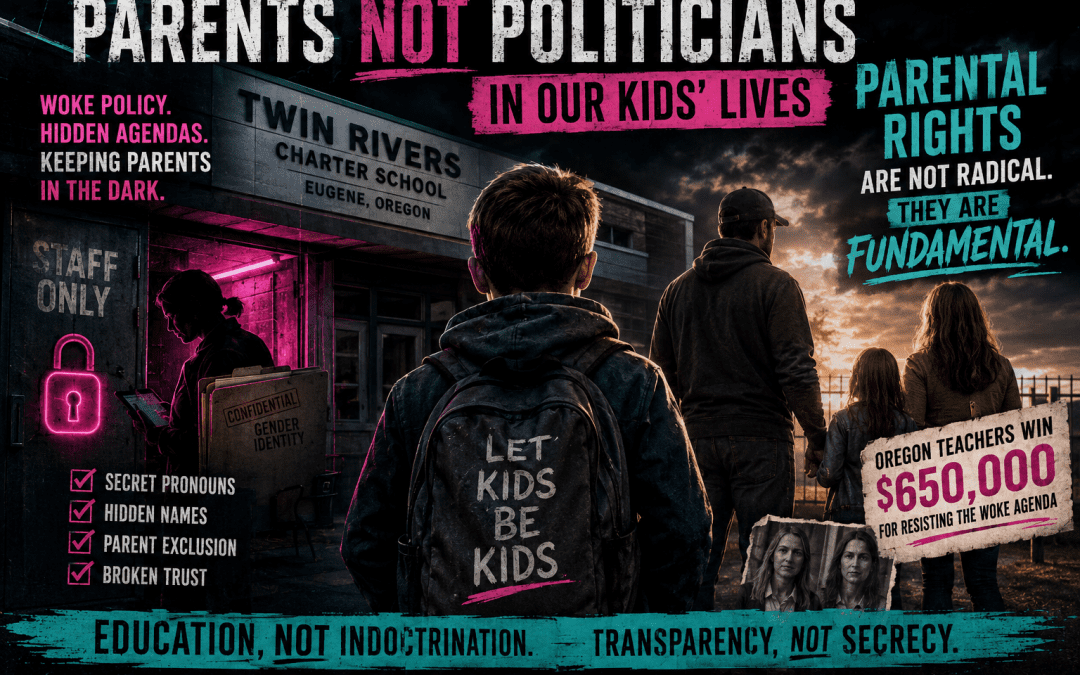

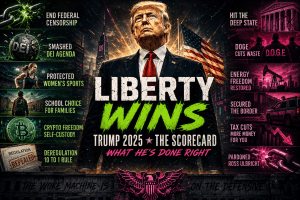


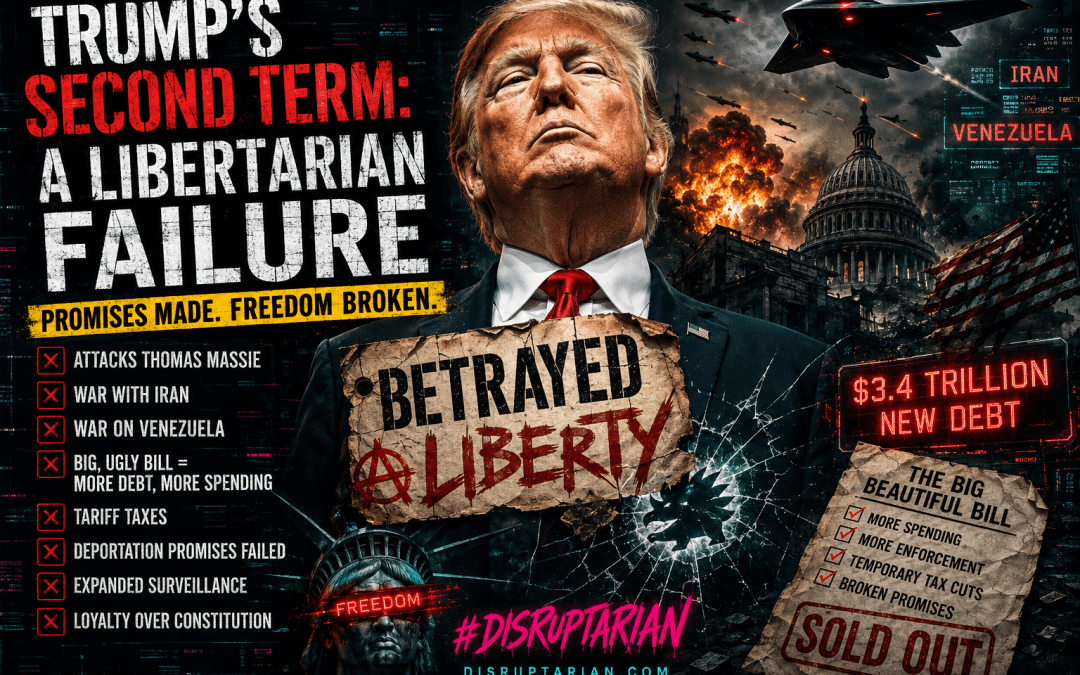


Submit a Comment