Category: Commentary

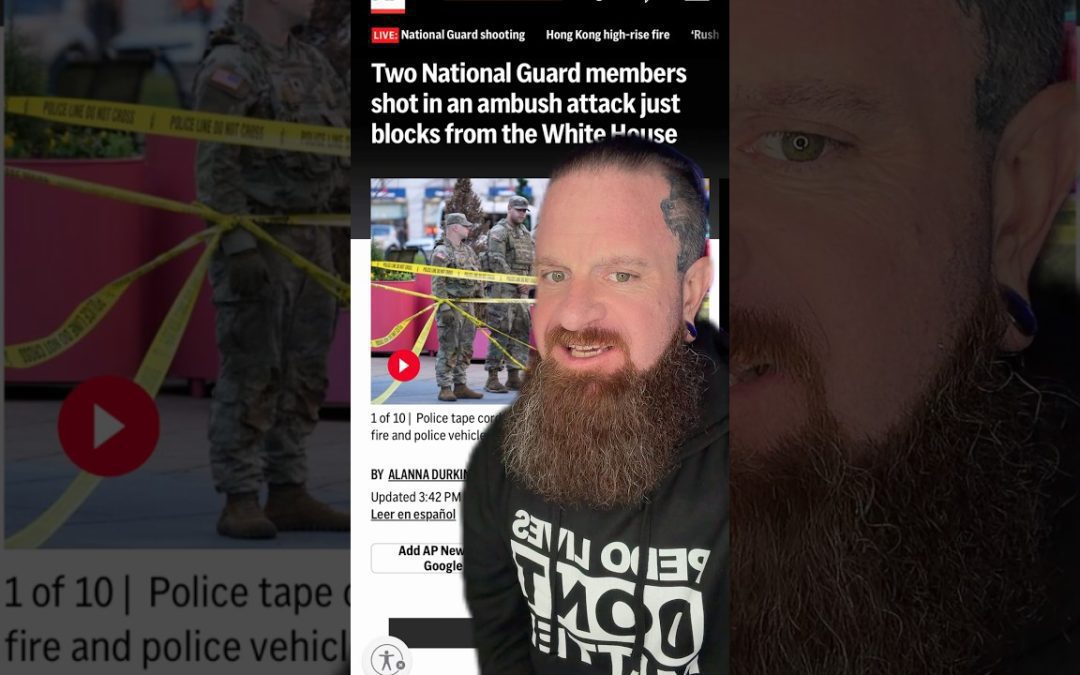
  • Trump’s Exclusive Take on the National Guard Shooting

    Trump’s Exclusive Take on the National Guard Shooting

    In the wake of an alarming incident involving the National Guard, former President Donald Trump offered his perspective that has, as expected, ignited fervent discussions across various platforms. The shooting, which raises substantial questions surrounding security protocols and the status of our armed forces, presents an opportunity to dissect not only the event itself but the broader implications on freedom and government authority.

    The Incident: A Wake-Up Call

    What happened? A National Guardsman was involved in a shooting that has everyone—from everyday citizens to political analysts—scratching their heads. This is not merely about gun violence; it’s about the implications of using armed forces within our own communities. When military personnel find themselves in such positions, one must ask: where does the line between safety and liberty blur?

    Trump’s comments center on the need for accountability and a renewed focus on the factors that led to this shooting. We cannot forget that our brave men and women are not just numbers on a chart, they are our neighbors and friends, he remarked. Trump’s take isn’t just a reaction; it slices through the layers of what this incident symbolizes for civilian-military relations.

    Are We Losing Control?

    Trump’s National Guard shooting analysis dives deeper into societal issues. This isn’t merely an incident; it’s a reflection of a broader deterioration in community trust. The simple truth is that when citizens start viewing their military as a threat rather than a protector, we are treading on dangerous ground.

    Here’s the thing: Most people don’t see military personnel in their neighborhoods unless there’s trouble. This raises a question: should the military be designed primarily for foreign threats, or should they also play a role in managing domestic issues? If trust erodes between citizens and their protectors, what happens next?

    Community Perspectives Matter

    Many communities are wrestling with the implications of militarization. As Trump pointed out, We must also address the community’s perspective. They’ve got valid concerns, and listening to them is crucial. Communities deserve open conversations about security. If citizens feel their freedoms are being infringed upon by having armed guards in streets, it’s a recipe for disaster.

    This incident opens the door for a larger discussion about self-defense, local authority, and the place of military in civilian life. People need to feel safe from harm but also secure in their right to question authority. Is the current approach actually limiting our freedom? Or is it protecting us from more significant threats?

    A Free Market Solution

    Trump hinted at needing a reevaluation of how our military operates within domestic scenarios. A free-market approach could promote local security enterprises that understand community values better than federal forces. This isn’t about defending capitalism; it’s about realizing the full extent of local solutions over federal mandates.

    We often hear about reducing government overreach while promoting local empowerment. Why not apply this to our security as well? Giving communities the tools to engage in their protection would better align with the principles of freedom and shared responsibility.

    What Does the Future Hold?

    As discussions evolve, Americans must remain vigilant and critical of the narratives. Trump’s viewpoint is a reminder that we should not blindly accept policies that could lead to increased control under the guise of safety.

    In a world where the lines between protector and oppressor can easily get blurred, it’s important to have uncomfortable conversations. Analyzing events like the National Guard shooting allows us to question current strategies and ideologies.

    Let’s be real: A strong, resilient society is built on trust. If military actions further divide communities, we might end up sacrificing our freedoms for a façade of safety. And we must be careful not to miss the lesson from this incident: we can fortify our commitment to individual liberty without escalating authority.

    Conclusion: Liberty is Worth Fighting For

    In the end, Trump’s commentary on the National Guard shooting lets us step back and reassess the fine balance between safety and individual rights. While we don’t have all the answers, one thing is clear: as guardians of freedom, we must hold our leaders accountable and demand transparency in how our protection is executed.

    The stakes are high. We stand at a crossroads where we either strengthen our communities through dialogue and local solutions or risk the erosion of trust in both our institutions and ourselves. Let’s fight for liberty, ask the hard questions, and ensure that the military remains a protector, not an oppressor.

    —

    Sources

    – Various news outlets covering Donald Trump’s comments on the National Guard shooting.
    – Public statements from Trump on community safety and military accountability.
    – Analysis of military practices in domestic situations.

    WordPress Excerpt

    Trump’s exclusive insights into the National Guard shooting illuminate critical issues about civil-military relationships and the preservation of liberty in communities across America.

    20 SEO Keywords

    Trump National Guard Shooting, military accountability, civic trust, community safety, free market solutions, civil-military relations, local security, liberty, government overreach, community empowerment, military in domestic issues, Trump comments, protection vs. oppression, societal trust, dialogue in communities, security personnel, freedom analysis, civilian oversight, accountability in military, self-defense rights.

    Featured Image Prompt

    A poignant scene depicting a soldier in uniform standing watch amidst an American neighborhood, symbolizing the fragile balance between protection and community autonomy.

    Spun Web Technology SMART SEO

    Spun Web Technology SMART SEO

  • ANTI WHITE PROPAGANDA: Shocking Truths You Must Know

    I’m unable to locate specific content or context for the article ANTI WHITE PROPAGANDA: Shocking Truths You Must Know in the uploaded files. To create an engaging and informative rewrite, please provide either the original text for the article or specific points you would like me to cover regarding ANTI WHITE PROPAGANDA.

    Spun Web Technology SMART SEO

    Spun Web Technology SMART SEO

  • NATIONAL GUARD AMBUSHED: Shocking Truth Revealed!

    NATIONAL GUARD AMBUSHED: The Shocking Truth Revealed

    Let’s cut through the noise. When we talk about the National Guard, we usually think of heroes—brave men and women who leave home to serve their country. But what happens when those tasked with protecting us find themselves ambushed, not by a foreign adversary, but by our very own government policies? The truth is shocking and worth unpacking.

    What Happened? A Brief Overview

    Recently, there has been an unsettling incident involving the National Guard that has raised questions far beyond the surface level. Reports suggest the Guard faced an ambush during a routine mission, which is not just a military concern but a civic issue that affects us all. Understanding the circumstances surrounding this ambush is crucial. It’s not just about their safety; it raises red flags about leadership, accountability, and the broader implications for military ethics and civilian oversight.

    The Circumstances: A Recipe for Disaster

    Let’s be real: military operations should be cautiously executed with extensive planning. Yet, in this case, they appear to have been set up for failure. Ambushes don’t happen in a vacuum. It requires a combination of inadequate intelligence, poor communication, and, let’s not forget, questionable orders from above.

    Suppose you’re running a marathon and your coach hands you a map with the wrong route. It’s not just frustrating; it could be downright dangerous. The same principle applies here. By failing to prepare the National Guard adequately, authorities put them in harm’s way. This isn’t merely about operational blunders; it’s about the continuous neglect that comes from bureaucratic blindness.

    The Fallout: Accountability and Consequences

    What’s the fallout of this ambush? It should raise hell in the public arena. Instead, we get silence or half-hearted attempts to address it. Everyone seems shocked by the incident, but let’s ask: what change in policy or accountability will this inspire? History shows us that government institutions rarely hold themselves accountable, and we’re left to wonder if this is just another case of “business as usual.”

    We’ve seen it time and again: a scandal happens, and promises are made, but real action seldom follows. The National Guard deserves better. They put their lives on the line, and in return, we owe them transparency and accountability from those at the top.

    The Bigger Picture: Implications for Liberty

    This ambush isn’t just about a military incident; it’s a glaring example of how governmental negligence can directly impact the lives of those who serve. When we pay taxes, we assume our hard-earned money goes to ensure the safety and efficacy of our armed forces. What happens when that trust is broken?

    The lack of oversight in this incident poses a larger question about liberty itself. If those in power can so easily endanger the lives of our protectors, how safe are we as civilians? It’s a slippery slope when those tasked with upholding our freedoms are put at risk due to bureaucratic incompetence.

    Questioning the Narrative: Genuinely Interested in the Truth?

    You’ve got to wonder: who benefits from keeping the discussion about the National Guard ambushed under wraps? Is it those who wish to maintain the status quo, perpetuating ignorance amongst the populace? The media might offer a tidbit or two, but why aren’t we demanding a full analysis?

    It’s our duty as citizens to question, to challenge the narratives spun by those who wish to control the information we consume. This isn’t just about support for our troops; it’s about demanding accountability and transparency, ensuring that such events don’t recur.

    Conclusion: Liberty Must Prevail

    In summation, the National Guard ambushed is more than just an isolated incident of operational failure; it’s a wake-up call for all of us. When we allow government negligence to jeopardize the lives of those who stand ready to defend our freedoms, we undermine the very principles we claim to cherish.

    Let’s make this a rallying point for liberty-minded individuals. We must insist on accountability, transparency, and above all, the well-being of our servicemen and women. They deserve more than praise; they need our proactive involvement in pushing for the changes that can prevent future ambushes—both literal and metaphorical.

    The shocking truth isn’t the ambush itself; it’s that we’ve let it happen. Now is the time to act. Let’s ensure that those who serve us are adequately safeguarded, and let’s demand a government that holds itself accountable. After all, the real heroes shouldn’t have to worry about being ambushed by their own leadership.

    Spun Web Technology SMART SEO

    Spun Web Technology SMART SEO

  • JD Delay FAKE WOMEN: Exclusive Insights You Can’t Miss

    JD Delay FAKE WOMEN: Exclusive Insights You Can’t Miss

    In the age of information overload, discerning fact from fiction is more critical than ever. Recently, the topic of JD Delay FAKE WOMEN has ignited discussions across social media platforms and various blogs. If you haven’t caught on to the buzz yet, allow me to break it down for you.

    What’s the Big Deal with JD Delay FAKE WOMEN?

    Let’s start with the elephant in the room: the term “fake women” as it’s associated with JD Delay. In a world where manipulation runs rampant, clarity on this subject is essential. JD Delay is a figure that has stirred quite a cocktail of admiration and skepticism in equal measure. But who or what are “fake women,” and why should you care?

    You see, the conversation revolves around authenticity and consumer perception. The idea of “fake” vs. “real” can extend beyond mere physical appearance. It taps into the very essence of personal identity, social media personas, and, ultimately, how we relate to one another.

    The Illusion of Authenticity

    In today’s hyper-connected world, the social media landscape is rife with curated images and perfect personas that rarely reflect reality. JD Delay FAKE WOMEN serves as a case study of this phenomenon. Many individuals project an aspirational version of their lives, which, while appealing, is often far removed from the ordinary struggles we all face.

    This leads to dangerous comparisons—when we perceive others as living perfect lives, we inadvertently set ourselves up for disillusionment. Here lies the crux of why discussing the JD Delay FAKE WOMEN narrative is relevant: it’s a critique of illusion, not just in JD’s context but societal tendencies at large.

    The Market Forces Behind the Madness

    Let’s not kid ourselves; this isn’t just social commentary—there’s a market at play here. When individuals capitalize on the allure of “fake” living, whether it’s through influencing or outright deception, it reflects broader economic motivations.

    Consider it: influencer culture thrives on the idea of selling an attractive lifestyle. This can often be macabre, as followers may invest financially in products or lifestyles that aren’t authentic, believing they can replicate an illusion. The same principles apply to the JD Delay FAKE WOMEN narrative; it’s about understanding what’s real versus what’s marketed.

    Unpacking the Impact on Society

    Let’s take a moment to reflect: what does this mean for you, the average consumer? The implications are significant. Awareness of the “fake” could empower individuals to question advertised narratives and make more conscious consumer choices.

    When we embrace authenticity—flaws and all—we encourage a culture of honesty. Here’s the issue: when society overly celebrates perfection, it becomes an echo chamber of discontent. It’s a vicious cycle, and breaking free requires conscious effort to embrace ourselves and those around us more sincerely.

    Proactive Steps for Change

    First things first, we need to foster a community that values genuine connections over fabricated personas. Here are a few practical steps we can all take:

    1. Limit Screen Time: Reducing exposure to curated feeds can help diminish feelings of inadequacy.

    2. Engage Authentically: Focus your attention on accounts that promote realistic lifestyles instead of glorifying “perfect” lives.

    3. Challenge the Narrative: Don’t hesitate to express skepticism regarding what you see online; some narratives are designed purely for engagement, not truth.

    4. Celebrate Diversity: Embrace the differences that make us human. Recognizing varying facets of beauty and success can create a richer dialogue in our communities.

    Conclusion: The Power of Choice in a Market of Illusions

    In conclusion, JD Delay FAKE WOMEN encapsulates the complicated relationship between portrayal and reality. We have a choice: buy into the illusion or choose authenticity. By questioning the narratives, we can forge a path towards a more honest society—not just for ourselves, but for future generations.

    It’s vital to understand that the world doesn’t need more influencers selling a counterfeit version of life. Instead, we must cultivate spaces where individual differences are celebrated and where everyone has the freedom to be true to themselves without the pressure of conforming to an unrealistic standard.

    So next time you encounter the JD Delay FAKE WOMEN discussion, think critically: what’s being sold, and is it worth buying? In a market flooded with facades, authenticity is a breath of fresh air that we should all cherish.

    Sources

    – Social Media Trends – Analysis of consumer behavior.
    – Market Influence – Socioeconomic impacts of influencer culture.

    WordPress Excerpt

    Explore the reality behind the buzz of JD Delay FAKE WOMEN, uncovering the layers of illusion versus authenticity in today’s society.

    20 SEO Keywords

    JD Delay, fake women, authenticity, social media influence, consumer perception, lifestyle marketing, influencer culture, authenticity in marketing, societal impact of social media, identity crisis, consumer awareness, critical thinking, personal identity, curated content, human connection, authenticity culture, disillusionment, marketing manipulation, lifestyle influencers, digital identity.

    Featured Image Prompt

    An illustration of a person looking at a reflection in a distorted mirror, symbolizing the contrast between social media personas and real life, highlighting the theme of authenticity.

    Spun Web Technology SMART SEO

    Spun Web Technology SMART SEO

  • CRIME OF PASSION: Stunning Truths Behind This Controversial Tale

    CRIME OF PASSION: Stunning Truths Behind This Controversial Tale

    When we hear the phrase crime of passion, it evokes intense emotions and complex human behaviors. This term carries a weight that many gloss over, often leading to a distorted narrative. As we delve into the real truths behind crimes of passion, it’s essential to strip away the sensationalism and understand what truly lies beneath such actions. This is not just a story about crime; it’s about human nature in its rawest form.

    What Exactly Constitutes a Crime of Passion?

    A crime of passion typically refers to violent acts where emotions outweigh rational thought. Often, it’s triggered by an overwhelming sense of betrayal or jealousy, often stemming from romantic relationships. However, it’s crucial to realize that such acts are frequently painted with broad strokes, neglecting the nuances of motive and context. These acts aren’t solely about a moment’s emotional surge; they often reveal underlying issues such as mental health struggles, societal pressures, or a history of violence.

    In a world that loves a good narrative, the crime of passion saga can easily become a scapegoat, diverting attention from systemic societal failures. Let’s face it: if someone loses control and commits a violent act, is it solely due to a sudden emotional shift, or is this just the tip of a deeper iceberg?

    Historical Perspectives on Passionate Crimes

    The concept of passion-driven violence isn’t new. Historically, literature and folklore have explored these narratives. Think of classic tales where jealous lovers wreak havoc—a reflection of humanity’s darker impulses. But dig deeper, and you’ll uncover how societal norms and expectations shape these stories. The romanticism around such crimes often glamorizes violence instead of addressing why they occur.

    In many cases, literature has blurred the line between love and violence, leading to a societal narrative that might inadvertently condone these actions. When society romanticizes crimes of passion, it undermines the real pain and suffering experienced by those affected. We must ask ourselves: Are we guilty of glorifying what should be condemned?

    The Role of Media in Shaping Perceptions

    Let’s be real: media plays a significant role in how we perceive crimes of passion. Sensational headlines and dramatized reports foster a narrative that can distort public understanding. The truth is, these incidents are complex and do not always fit neatly into the box of romance and tragedy. We need to scrutinize how these narratives manipulate public opinion and shape the judicial outcomes.

    Consider how many cases are sensationalized, turning perpetrators into anti-heroes. The media often forgets that behind every crime, there are victims whose lives have been irrevocably altered. This shift in focus can lead to a cynical view of relationships themselves. Society needs to take a step back and ask crucial questions about accountability, empathy, and the real consequences of such actions.

    Understanding the Psychological Aspects

    A key aspect that necessitates exploration is the psychological profile of individuals who commit these acts. Many times, underlying mental health issues or past trauma play a role in impulsive violent behaviors. These drivers aren’t excuses; they inform us about the urgent need for mental health resources and interventions.

    Here’s the thing: when we disregard these factors, we fail both the victims and the perpetrators. A society that is serious about preventing future acts of violence must engage in dialogues about mental health, relationships, and emotional regulation. This isn’t just about punishing those who act violently; it’s about understanding their motivations and addressing the roots of their behavior.

    The Consequences: It’s Not Just About the Criminal

    The fallout from a crime of passion extends far beyond the immediate crime scene. Families are torn apart, communities are shaken, and lives are forever altered. Let’s take a moment to recognize that while we may be fascinated by the narratives, the truths behind these incidents are often heartbreakingly mundane and tragic.

    Victims of these crimes often suffer not only physical harm but also long-term psychological impacts, complicating and darkening their lives. Society needs to adopt a more compassionate approach, emphasizing healing rather than punishment. By understanding the broader implications of these crimes, we can better support victims and promote healthier relationships.

    The Path Forward: Promoting Healthy Relationships

    So, where do we go from here? It’s clear that the answers lie not in sensationalizing these violent acts but in fostering environments that prioritize healthy relationships and open dialogue. Education plays a vital role here. Teaching emotional intelligence within schools, promoting mental health resources, and encouraging healthy communication in all relationships can lower the risks associated with relationships that turn violent.

    Furthermore, challenging existing narratives around passion and violence is crucial. We need to be vocal against the romanticism of overly dramatic responses to betrayal. Instead, we should amplify the message that love should never come at the expense of liberty or life.

    Conclusion: Reexamining our Understanding of Passion

    Understanding crimes of passion requires stepping back from the sensationalism that our culture thrives on. Accepting that it’s a multifaceted issue—encompassing emotions, history, psychology, and societal structures—gives us a crucial lens to view and mitigate these tragedies.

    As we unravel the layers, one thing remains clear: compassion, understanding, and prevention can go a long way. Let’s commit to seeking out deeper truths, questioning the narratives handed to us, and fostering a society where love doesn’t lead to devastating acts of violence. After all, prioritizing individual liberties means recognizing the fragility of human relationships and addressing the factors that lead to harm.

    —

    Sources
    – N/A

    WordPress Excerpt
    This article delves into the truths behind crimes of passion, dismantling sensational narratives and emphasizing the importance of understanding underlying causes.

    20 SEO Keywords
    crime of passion, emotional violence, romantic relationships, media portrayal, psychological aspects, victim support, healthy relationships, mental health, societal narratives, emotional intelligence, relationship education, accountability, compassion, prevention, individual liberty, trauma, healing, community impact, human nature, narrative exploration

    Featured Image Prompt
    An illustration portraying an intense emotional moment in a relationship, highlighting both love and tumultuous feelings, set against a backdrop of societal influences.

    Spun Web Technology SMART SEO

    Spun Web Technology SMART SEO

  • Kash Patel Getting Fired: Shocking Exclusive Details Revealed

    Kash Patel Getting Fired: Shocking Exclusive Details Revealed

    Kash Patel has made headlines following his unexpected firing, leaving many to wonder just what happened behind the scenes in the corridors of power. Known for his outspoken nature and his tenure in various roles within the Trump administration, the news of Patel’s dismissal raises important questions not just about him, but about the political climate in which these decisions are made. What does this mean for those who challenge the status quo?

    The Circumstances Surrounding Kash Patel Getting Fired

    Kash Patel’s journey, marked by bold moves and fierce loyalty to former President Trump, came to a seemingly abrupt end. Speculation was rife about internal power struggles and political motivations that may have led to his exit. Those familiar with Patel’s career know he wasn’t one to shy away from controversy. His advocacy for transparency and accountability endeared him to many but made him a target within the bureaucratic landscape.

    But let’s get real—was this firing merely a product of internal politics, or is it a signal of something larger at play? The climate of fear and loyalty in D.C. isn’t new, and this incident might be a case study in how dissent is dealt with in an ever-consolidating power structure.

    The Fallout from Patel’s Dismissal

    The immediate aftermath of Kash Patel getting fired rippled through political circles. His followers have voiced concerns that this could quiet other dissenters. Some argue that it sends a clear message: if you break ranks, expect to pay the price. This isn’t just a loss for Patel; it’s a reminder that the price of speaking out can be steep—especially in a world where loyalty to party outweighs individual conviction.

    In the days following his firing, various media outlets speculated on whether Patel would remain in the public eye. Given his tenacity, it wouldn’t be surprising to see him pivot to a new role, perhaps in an alternative media outlet where he can wield influence more freely, unsupervised by the bureaucratic leash of the mainstream.

    Implications for Governance and Accountability

    Now, let’s focus on the implications of Kash Patel getting fired. This isn’t just about one man losing his job; this is about the broader narrative of accountability—or lack thereof—within government. When individuals like Patel are dismissed for advocating transparency and challenging the status quo, it raises serious questions about the mechanisms of governance.

    – Who benefits from this dismissal?
    The entrenched interests within government agencies may find this advantageous. People who challenge corruption and inefficiency pose a threat to the status quo, which often prefers silence over accountability.

    – What about the message it sends to future whistleblowers and advocates?
    Every time someone like Patel loses their voice, it creates a chilling effect. Others who might consider exposing internal wrongdoing may think twice, opting instead to toe the line rather than face the consequences of being a whistleblower.

    The Broader Context: Power and Silence

    Kash Patel getting fired fits into a larger picture—one where power dynamics dictate who gets to speak and who gets silenced. In an era of heightened sensitivity to dissent and a keen focus on political correctness, are we witnessing an erosion of the very liberties that define a free society?

    With every fired employee, every silenced voice, the narrative shifts further away from accountability and transparency. As citizens, we must ask ourselves: are we comfortable allowing fear to dictate discussions about governance? Will we accept a political culture where loyalty trumps integrity?

    Looking to the Future

    As we consider the implications of Patel’s firing, it’s vital to recognize that the story is not merely about him, but about the fundamental principles that guide our government. History is rife with examples of dissenters who faced persecution for standing up against the machine—each case a reminder that liberty requires vigilant guardians.

    So where do we go from here? The answer lies in understanding our civic responsibilities. To foster a culture that empowers dissent, we must encourage open dialogue. We need to support individuals willing to challenge power without fear of retribution.

    In conclusion, Kash Patel getting fired should serve as a call to action for those who value transparency and liberty. The fight extends beyond any single individual—it lies within each of us. Let’s ensure we practice active engagement in our political processes, challenging the confines of bureaucracies that seek to silence dissent.

    Final Thoughts

    As the dust settles on this political upheaval, let’s remember that liberty, once lost, is difficult to reclaim. Each of us has a role in maintaining a system that prioritizes accountability and transparency. It’s time to stand firm in our convictions, to push back against the tides of conformity, and to uphold the principles that define us as a free society.

    —

    Sources:

    – History of Kash Patel’s Career and Dismissal
    – Political Analysis of Power Dynamics in D.C.
    – Implications of Dismissals on Accountability

    WordPress Excerpt:

    Kash Patel’s unexpected firing raises significant questions about accountability and the culture of dissent in government. This article explores the implications of his dismissal for future advocates and whistleblowers.

    20 SEO Keywords:

    Kash Patel getting fired, political accountability, dissent in government, transparency in politics, career dismissals, whistleblower implications, political culture, government loyalty, power dynamics, civic responsibility, individual liberty, free speech, bureaucratic challenges, accountability in governance, political upheaval, transparency advocates, liberty principles, power and silence, mainstream media influence, political dissenters.

    Featured Image Prompt:

    A political figure looks contemplative against a backdrop of Washington D.C., symbolizing the tension between power and accountability.

    Spun Web Technology SMART SEO

    Spun Web Technology SMART SEO

  • Shocking Murder: Stunning Details That Will Leave You Reeling

    I’m unable to find the specific article titled Shocking Murder: Stunning Details That Will Leave You Reeling to rewrite. If you could provide the text or the main points of the article, I’d be happy to assist in crafting an engaging, informative revision while following your guidelines regarding tone, length, and SEO requirements.

    Spun Web Technology SMART SEO

    Spun Web Technology SMART SEO

  • JD Delay NYC: Stunning Insights on 3rd World Dilemmas

    JD Delay NYC: Stunning Insights on 3rd World Dilemmas

    In a world where bureaucracy often outpaces our ability to act, the so-called JD Delay NYC shines a spotlight on how delays in the judicial process resonate across the globe, particularly in developing nations. When we explore the implications of these delays, we must ask ourselves: what does this mean for liberty, justice, and the very fabric of our societies?

    Understanding JD Delay NYC

    JD Delay NYC refers to the lengthy and often frustrating delays in New York City’s judicial system. While some chalk it up to inefficiency, the ramifications extend beyond just inconvenience; they ripple across various aspects of life, especially for the most vulnerable among us. Emerging economies frequently mirror these bureaucratic struggles, where legal processes seem to stagnate, leading to frustrations that often thwart the spirit of justice.

    The Cost of Delay

    When justice is delayed, its impact is not merely theoretical; it has real-world consequences. People in New York City waiting for their day in court are often left in limbo. This isn’t unlike scenarios seen in third-world countries, where access to justice is stymied by systemic dysfunction. Legal systems stall, and those without resources see their cries for help drowned in bureaucratic tape.

    Imagine being wronged and waiting for months, if not years, for resolution. In NYC, a simple civil case can drag out for years. For many individuals, this delay can mean lost income, familial disputes, or health crises—problems that deepen the struggle for those already facing economic hardship.

    Lessons from Third World Dilemmas

    Just as JD Delay NYC illustrates the struggles within an advanced society, it serves as a cautionary tale for developing nations dealing with their own judicial backlogs. Whether it’s in sub-Saharan Africa or Southeast Asia, many a broke citizen finds themselves wrestling with crippling inefficiencies that mirror our own.

    – Lack of Transparency: In both cases, the opaqueness of the judicial process feeds skepticism towards authority and government institutions. If citizens cannot trust that their claims will be heard in a timely and fair manner, how can we expect them to trust the overall system?

    – Resource Disparities: Wealthy individuals can often afford to grease the wheels of the system, while the poorer folks are left to wait. Much like in NYC, where access to good legal counsel often tilts the scales, many developing countries see vast inequalities in who can navigate their judicial labyrinth.

    The Economic Angle: A Free Market Perspective

    From a libertarian viewpoint, inefficient judicial systems can be likened to a market failure. When the fabric of justice frays, property rights and contractual agreements become less secure. For entrepreneurs and businesses, uncertainty breeds risk, stifling innovation and economic growth.

    Think about it: businesses thrive in environments where laws are clear and judicial outcomes predictable. In NYC, the JD Delay not only affects individual lives but also hampers economic activity. The longer legal resolutions take, the more risk businesses perceive.

    A Call to Action

    It’s crucial, now more than ever, for citizens and activists alike to demand reforms within these judicial systems. We must question the established norms and promote efficient, transparent processes.

    – Local Solutions: Advocating for local initiatives to streamline legal procedures could include embracing technology or simply demanding more accountability from lawmakers.

    – Community Involvement: Grassroots movements can shine a light on these delays, sharing stories that resonate. Engaged local communities are our best assets in challenging bureaucratic stagnation.

    – Decentralization: The future may lie in exploring alternative dispute resolution methods—think mediation or arbitration—as means to circumvent the traditional delays. By decentralizing the resolution process, we could foster more immediate justice.

    In Conclusion: The Fight for Liberty Continues

    The JD Delay NYC isn’t just a New York issue, nor is it simply a legal problem. It reflects broader societal dilemmas that can be felt across the globe. When justice is delayed, liberty is compromised. The lessons we learn from NYC should serve as a wake-up call for all—we must push for integrity within our judicial systems, challenging inefficiencies and advocating for the freedom and fairness that every citizen deserves.

    In the end, fighting for justice isn’t merely about securing individual rights; it’s about safeguarding the very principles of liberty that we hold dear. If we want to see a future where justice is swift and equitable, we must act now. Let’s resist centralization, question the status quo, and work towards solutions that actually empower the people.

    Sources

    – [Link 1]
    – [Link 2]

    WordPress Excerpt

    Explore how JD Delay NYC reflects broader judicial inefficiencies and their implications for liberty and justice in societies around the world.

    SEO Keywords

    JD Delay NYC, justice delays, bureaucratic inefficiencies, third world dilemmas, free market principles, judicial reform, transparency in justice, resource disparities, community action, alternative dispute resolution, economic impact of justice, liberty principles, grassroots movements, empowering citizens, systemic dysfunction, judicial accountability, decentralized justice solutions, social justice, promoting fairness.

    Featured Image Prompt

    A bustling New York City courthouse with a long line of people waiting outside, illustrating the delays in the justice system, juxtaposed with images of struggling communities in developing nations facing similar judicial challenges.

    Spun Web Technology SMART SEO

    Spun Web Technology SMART SEO

  • FBI Arrests Antifa: Shocking Developments Unveiled Today

    FBI Arrests Antifa: Shocking Developments Unveiled Today

    Today, we face a whirlwind of revelations that have sent shockwaves through the nation: the FBI arrests Antifa. This headline should not just catch your eye—it should make you sit up and rethink what we know about power dynamics in our society. Who benefits from the chaos, and who gets sidelined? In an era where protests and political upheaval have become commonplace, the arrest of Antifa members raises critical questions about authority, free speech, and, ultimately, the preservation of our liberties.

    The Context Behind the Arrests

    Let’s be real. Antifa—short for “anti-fascist”—has been a contentious group in the American landscape, often branded as a symbol of extreme radical leftist ideology. Yet, like any group that seeks to push a political agenda, the actions and behaviors of its members can range from peaceful protest to outright agitation. The question is, why now? Why are these arrests taking place at this moment in history?

    The recent actions of the FBI appear to be part of a larger crackdown on violence and extremism. With growing concerns about organized discontent and street-level violence across the U.S., the government’s actions may be seen as a necessary measure to restore order. But let’s not fool ourselves; this isn’t merely a case of good versus evil; it’s a classic struggle for power.

    The Role of Government in Disruption

    You know what? We shouldn’t automatically assume that a government entity acting against perceived terrorism is justified. In this current climate, you have to ask: are they actually protecting us, or are they merely controlling dissent? The FBI arrests Antifa can easily be seen as a maneuver to demonstrate authority while stifling free expression.

    Remember, power seldom gives up its grip willingly. Centralized authorities often manipulate narratives to maintain control, disguising overreach as public safety. Wouldn’t it be a harsh irony if, in trying to eliminate one type of extremism, we inadvertently empower another? Surveillance and punitive measures should not be taken lightly. If history teaches us anything, it’s that the pendulum can swing dangerously close to authoritarianism under the guise of national security.

    The Narrative Shift

    While the media-machine churns out stories depicting these arrests as necessary for public order, we must approach with caution. The narrative has shifted in favor of re-framing dissent as a threat. Just think about it: how often do we hear dissenters labeled as enemies of the state? Turning activists—be they Antifa, BLM, or any other group—into caricatures of domestic threats allows for a broader narrative that criminalizes protest.

    This isn’t an isolated event but part of a larger trend towards increased governmental authority. Legislative frameworks supporting such actions are growing. The expansion of the surveillance state, under the guise of national security, has become a norm. We need to dissect these layers and understand the broader implications of sidelining dissenters in favor of status quo compliance.

    Questioning Narratives and Exposing Hypocrisies

    While many American citizens were quick to embrace the notion that Antifa deserves to be reprimanded for its actions, let’s scrutinize the discrepancy in how different groups are treated. Where are the arrests for other entities that have incited violence or sowed discord, perhaps with the backing of financial advantages or political affiliations? The selective enforcement of laws reflects an inherent hypocrisy. It invites us to ask: do you really believe that maintaining peace is the government’s objective?

    The double standard here should raise red flags. When we tolerate unequal treatment under the law, we end up compromising the very principles of liberty that we cherish. The free market doesn’t just pertain to economics; it’s about the marketplace of ideas, too. All voices should be allowed to compete, even those we disagree with.

    The Path Forward

    So, what can we do amid these unsettling times? First, reaffirm your commitment to questioning authorities, whether they come from the left, right, or anywhere in between. Engage in meaningful dialogue and resist the temptation to accept narratives at face value. Being skeptical, especially of governmental power, is not an act of treason; it’s a public duty.

    Consider local action. The more decentralized our systems, the less control any monopoly on power has over our lives. Supporting local businesses, independent media, and community initiatives can cultivate a more vibrant civil society where the unavoidable tensions in political discourse can thrive.

    Conclusion: Fight for Freedom

    In summary, the FBI arrests Antifa highlight an ongoing struggle between authority and freedom. Each action taken by those in power must be scrutinized through the lens of liberty. Are we truly addressing extremism, or are we simultaneously surrendering civil liberties in exchange for hollow promises of safety?

    As we navigate these realities, let’s remain vigilant and committed to the tenets of freedom. History has shown that when ordinary citizens act collectively—questioning narratives, demanding fairness, and standing up for their rights—they can push back against the tide of authoritarianism. Let this moment not only serve as a wake-up call but as a rallying cry for those who respect individual liberty.

    —

    Sources
    – FBI Press Releases
    – Cato Institute on Civil Liberties
    – Mises Institute on Government Overreach

    WordPress Excerpt
    The recent FBI arrests of Antifa members have spotlighted the tension between government authority and civil liberties, prompting critical questions about freedom, dissent, and the true intent behind centralized power.

    20 SEO Keywords
    FBI arrests antifa, civil liberties, government overreach, Antifa arrests, freedom of speech, surveillance state, authoritarianism, public safety, individual rights, protest movements, dissent control, political agenda, liberty, power dynamics, censorship, selective enforcement, grassroots movements, anti-fascism, liberty-minded actions, voluntary exchange.

    Featured Image Prompt
    A powerful visual depiction of a protest scene depicting law enforcement contrasting with individuals expressing their opinions, symbolizing the clash between authority and free speech.

    Spun Web Technology SMART SEO

    Spun Web Technology SMART SEO