Alright, reggae massive, let’s take a deep dive into one of the most vibrant and misunderstood corners of music history: the story of skinhead reggae. Kick back, grab a cup of tea (or your spliff of choice), and prepare for a journey through the raw, working-class roots of a genre that often gets overshadowed by its more mainstream siblings. This is a tale of rhythm, resilience, and rebellion.
The Roots of Skinhead Reggae
Contrary to popular belief, skinhead reggae isn’t tied solely to the infamous subculture of the 1960s and 70s. Its origins actually stretch back to the Jamaican ska and rocksteady sounds of the mid-to-late 1960s. In those days, Jamaican artists like Desmond Dekker, Toots and the Maytals, and The Pioneers crafted a new style of music that blended the upbeat tempos of ska with the smoother, soulful vibes of rocksteady.
As Jamaican immigrants brought this music to the UK, it found a home among Britain’s working-class youth. These young people, often living in gritty urban environments, resonated deeply with the infectious rhythms and raw authenticity of Jamaican reggae. This was the birth of skinhead reggae—a fusion of Jamaican beats and the stark realities of British life.
The Skinhead Movement and Reggae
In late-1960s Britain, the skinhead subculture was not yet synonymous with extremism or violence. Instead, it was a celebration of working-class pride. Skinheads adopted a distinctive style—shaved heads, braces, button-up shirts, rolled jeans, and polished Dr. Martens boots. Their love for Jamaican reggae became a cultural bridge, uniting two communities through music.
Artists like The Upsetters and Symarip provided the soundtrack for this subculture. Songs such as “Skinhead Moonstomp” and “Israelites” became anthems of solidarity, reflecting the struggles of everyday life, from systemic racism to economic hardship.
A Genre in the Shadows
As the 1970s rolled in, skinhead reggae began to fade from the limelight, overtaken by the roots reggae and dancehall styles that would come to dominate the global reggae scene. However, the raw energy and unique sound of skinhead reggae didn’t disappear completely. Instead, it became a source of inspiration for punk rockers, ska revivalists, and even modern reggae artists.
The genre’s influence can still be heard today in tracks that blend upbeat rhythms with themes of resilience and rebellion. From Burna Boy’s Afro-fusion hits to the continued legacy of Jamaican reggae, the echoes of skinhead reggae remain alive and well.
Why Skinhead Reggae Matters
It’s easy to overlook the unsung pioneers of this genre, but skinhead reggae was, and still is, an essential chapter in the story of reggae. It speaks to the power of music to unite people across cultures, even in times of division. It’s a reminder that every beat and melody carries with it a history of struggle, passion, and perseverance.
So, the next time you’re grooving to reggae, take a moment to honor the trailblazers of skinhead reggae. They laid the foundation for the music we love today. As your reggae radio DJ would say: “One love, mi massive. Keep the faith, keep the music alive, and never forget the roots.”
Reggae Legends: How Trojan Records Changed the Music Industry Forever
Greetings, good people! Welcome to another jam-packed, bass-thumping edition of our reggae show. Today, we’re cranking up the volume to celebrate the legendary Trojan Records—an unstoppable force that not only shaped reggae and ska music but also redefined the music industry forever. If you’re a reggae lover or just curious about its rich history, let’s take a moment to honor the label that made it all happen.
The Rise of Trojan Records
Trojan Records was born in 1968 in London, right at the heart of Britain’s cultural melting pot. Its mission? To showcase the vibrant sounds of Jamaica to the world. The label took its name from the Trojan truck used by Jamaican sound system pioneer Duke Reid—a nod to the powerful, earth-shaking basslines that would define its catalog.
At a time when reggae was largely confined to Jamaica, Trojan Records became a beacon for the genre. They signed and distributed music from iconic artists such as Desmond Dekker, whose “Israelites” became a global hit; Jimmy Cliff, the soulful voice behind “The Harder They Come”; and the incomparable Bob Marley, whose early work with The Wailers helped lay the groundwork for his global superstardom.
Breaking Barriers and Building Bridges
Trojan Records wasn’t just a label; it was a cultural movement. In an era when racial and social divisions were still prevalent, Trojan’s music transcended boundaries. The label actively promoted reggae and ska to an international audience, introducing Britain’s working-class youth to the infectious rhythms and conscious lyrics of Jamaican music.
The rise of Trojan Records coincided with the emergence of multiculturalism in Britain. As Caribbean immigrants brought their music and culture to the UK, Trojan Records became a bridge between communities. The label’s infectious singles and compilation albums, like the famous Tighten Up series, became the soundtracks of unity at dancehalls and parties across the country.
Revolutionizing the Music Industry
What made Trojan Records revolutionary was not just its roster of talent but its innovative approach to music distribution. The label was among the first to package reggae for a non-Jamaican audience, creating compilation albums that made the genre accessible to fans who might never have heard it otherwise.
They also took bold risks. By signing lesser-known artists and giving them a platform, Trojan proved that reggae wasn’t just a niche genre but a powerful force that could inspire and connect people worldwide. In doing so, they smashed stereotypes and demonstrated the universal appeal of reggae’s messages of love, resistance, and resilience.
The Trojan Legacy
Although Trojan Records faced challenges in the late 1970s, their influence never faded. They laid the foundation for reggae’s global success and inspired countless artists and labels. Today, the Trojan Records catalog is a treasure trove of reggae history, celebrated in documentaries, reissues, and festivals.
The world of reggae would be unrecognizable without Trojan’s pioneering efforts. Their work not only amplified reggae legends but also ensured that the genre’s infectious spirit and powerful messages reached every corner of the globe.
A Tribute to Trojan
So the next time you’re jamming to a reggae classic, take a moment to appreciate Trojan Records. Their legacy isn’t just about music; it’s about breaking barriers, fostering unity, and spreading the love and wisdom of reggae to the masses.
As the great Bob Marley said, “One good thing about music, when it hits you, you feel no pain.” Thanks to Trojan Records, those hits will keep coming, reminding us of reggae’s timeless power.
Stay irie, my friends, and keep spreading the love. Until next time, keep jammin’ and let the music move you.
The article highlights the efforts of local musicians and music producers to revive and promote these traditional music styles. One such initiative is the creation of the Blue Mountain Music Festival, which showcases local talent and provides a platform for up-and-coming artists to perform.
The article also discusses the impact of the music revival on the local community, with music becoming a source of economic and cultural development in the area. Local businesses have benefited from increased tourism and music-related activities, and the community has seen a renewed sense of pride in its musical heritage.
Overall, the article portrays the east coast of Jamaica as a vibrant and culturally rich destination for music lovers, offering a unique and authentic experience away from the more commercialized resorts on the west coast. Gnostic
End The Fed – By Ron Paul (CLICK HERE TO BUY)
From his humble beginnings in Jamaica to his rise to international stardom, Marley’s life is a testament to the power of music and the importance of spreading messages of love, unity, and peace.
Born on February 6, 1945, in Nine Mile, Jamaica, Robert Nesta Marley grew up in poverty and faced many challenges in his early life. Despite these obstacles, he found solace in music and began singing and playing the guitar at a young age. In the late 1960s, Marley formed the band The Wailers with friends Peter Tosh and Bunny Wailer, and they quickly became one of the most popular reggae bands in Jamaica.
Marley’s music was deeply rooted in the Rastafarian faith, and his lyrics often touched on themes of social justice, equality, and spirituality. Songs like “Get Up, Stand Up,” “One Love,” and “Redemption Song” became anthems for the oppressed and marginalized, and Marley’s message of love and unity resonated with people around the world.
In 1976, Marley was the target of an assassination attempt just days before a free concert in Jamaica. Despite the attack, he performed at the concert as scheduled, sending a powerful message of courage and resilience. The incident only strengthened Marley’s resolve to spread his message of peace and unity, and he continued to tour and record music until his untimely death from cancer in 1981.
Today, Bob Marley’s music and legacy live on through his children and grandchildren, who continue to carry the torch of his message of love and unity. His influence can be seen in musicians of all genres and backgrounds, and his music continues to inspire people of all walks of life. Bob Marley may be gone, but his spirit lives on through his timeless music and powerful message of love and unity. Gnostic
The Reggae Revival is characterized by its roots in traditional reggae music, but with a contemporary twist. Artists such as Chronixx, Protoje, and Kabaka Pyramid are leading the charge, blending elements of hip-hop, dancehall, and soul into their music. These artists are not only creating catchy and infectious tunes, but they are also using their platform to speak out on social issues and promote positivity and unity.
One of the key factors behind the success of the Reggae Revival is the strong sense of community among the artists. They collaborate and support each other, creating a network that helps to propel the movement forward. Additionally, the support of local producers and record labels has helped to elevate these artists onto the international stage.
The Reggae Revival is not just a musical movement, but a cultural and social one as well. The artists involved are using their music to spread messages of love, unity, and empowerment, while also paying homage to the roots of reggae music. They are bringing a new energy and vibrancy to the genre, attracting a younger audience and reigniting interest in reggae music around the world.
Overall, the Reggae Revival is a testament to the enduring power of reggae music and its ability to evolve and inspire new generations. With its positive messages and infectious rhythms, this movement is sure to continue making waves in the music world for years to come. Gnostic
End The Fed – By Ron Paul (CLICK HERE TO BUY)
Amber Coffman
2. “Pon de Floor” by Major Lazer ft. Vybz Kartel
3. “Lean On” by Major Lazer ft. MØ and DJ Snake
4. “Hold the Line” by Major Lazer ft. Mr. Lexx and Santigold
5. “Paper Planes” by M.I.A. (Diplo Remix)
6. “Watch Out for This (Bumaye)” by Major Lazer ft. Busy Signal, The Flexican, and FS Green
7. “Express Yourself” by Diplo ft. Nicky Da B
8. “Come Around” by Collie Buddz (Diplo Remix)
9. “Bubble Butt” by Major Lazer ft. Bruno Mars, Tyga, and Mystic
10. “All My Love” by Major Lazer ft. Ariana Grande and Machel Montano Gnostic
[ad_1]
Greetings, reggae lovers! It’s your friendly neighborhood reggae DJ here, coming to you straight from the airwaves to bring you a special message about the resurgence of original skinhead reggae in popular culture. That’s right, the sounds that defined a generation are back in full force, and we’re here to celebrate it in all its glory!
For those of you who may not be familiar with skinhead reggae, let me give you a little history lesson. Back in the late 1960s and early 1970s, working-class British youths known as skinheads adopted reggae music as their own. They were drawn to the soulful rhythms and rebellious lyrics of Jamaican artists like Desmond Dekker, Toots and the Maytals, and The Upsetters. These tunes became the soundtrack of a subculture that rejected the mainstream and championed unity and solidarity.
Fast forward to today, and we’re seeing a revival of this iconic genre in popular culture. Artists like The Aggrolites, The Slackers, and The Skints are bringing back the sounds of original skinhead reggae with a modern twist. These bands are keeping the spirit of unity and rebellion alive, while also introducing a new generation of fans to the infectious grooves and uplifting messages of classic reggae music.
But it’s not just the music that’s making a comeback – the fashion of the original skinheads is also experiencing a resurgence. Doc Martens boots, checked shirts, and porkpie hats are once again making a statement on the streets of cities around the world. It’s a style that’s as timeless as the music itself, and it’s a testament to the enduring appeal of the skinhead culture.
So, if you’re looking to add a little soul and rebellion to your playlist, why not give original skinhead reggae a try? Tune in to some Desmond Dekker or The Specials, and let the grooves take you on a journey back to a time when music had the power to unite people from all walks of life. And who knows, you might just find yourself joining the ranks of the new generation of skinheads who are keeping the flame of reggae burning bright.
That’s all for now, reggae lovers. Keep the faith, spread the love, and remember – in a world filled with noise, sometimes all you need is the sweet sounds of reggae to set your soul free. Stay irie, my friends. Peace and love.
[ad_2]
Released in 2009 by the legendary Trojan Records, The Trojan Rocksteady Collection is an anthology of 40 tracks that beautifully encapsulates the smooth rhythms, heartfelt lyrics, and soulful energy of the rocksteady era. This pivotal Jamaican genre emerged in the mid-1960s, bridging the transition from ska to reggae. Each song in this collection is a testament to the artistry of the time, showcasing legends like Alton Ellis, Desmond Dekker, and The Paragons. Below is a comprehensive breakdown of each track, offering insight into the music, its creators, and its significance.
The Legacy of Trojan Records
Founded in London in 1968, Trojan Records became a key player in introducing Jamaican music to the global stage. Named after Duke Reid’s Trojan sound system truck, the label played a crucial role in bridging the cultural gap between Jamaica and the burgeoning Caribbean immigrant population in the UK. By distributing the works of iconic Jamaican producers like Reid, Coxsone Dodd, and Prince Buster, Trojan Records helped popularize ska, rocksteady, and reggae music.
Throughout the 1970s, Trojan Records released a plethora of hits that resonated far beyond Jamaica’s shores, including Desmond Dekker’s “Israelites” and The Maytals’ “Monkey Man.” The label’s Tighten Up compilation series brought Jamaican music into the homes of diverse audiences, cementing Trojan’s place in music history. After a brief decline in the late 1970s, the 1990s saw Trojan experience a resurgence, reissuing classic tracks and compilations like The Trojan Rocksteady Collection, ensuring the preservation of these timeless gems.
Track-by-Track Breakdown
1. Alton Ellis – “Rock Steady”
The genre-defining track by Alton Ellis, often called the “Godfather of Rocksteady,” captures the smooth, laid-back rhythm that characterizes rocksteady. Ellis’s velvety voice and soulful delivery make this an essential anthem.
2. Desmond Dekker & The Aces – “Beautiful & Dangerous”
Desmond Dekker tells a cautionary tale of love and its risks in this upbeat track. The Aces’ harmonious backing vocals perfectly complement Dekker’s expressive performance.
3. The Paragons – “On The Beach”
Led by the legendary John Holt, this breezy tune transports listeners to Jamaica’s sunny beaches. Its carefree melody and soothing vocals make it a rocksteady classic.
4. The Melodians – “Little Nut Tree”
With sweet harmonies and playful lyrics, The Melodians create a charming narrative about love and devotion. The simplicity of the arrangement highlights the vocal interplay.
5. The Versatiles – “Teardrops Falling”
A melancholy tune about heartbreak, this track captures the bittersweet essence of rocksteady through its haunting melody and heartfelt lyrics.
6. Derrick Harriott – “The Loser”
A deeply emotional ballad, Harriott’s vocal performance shines as he sings about love lost, a recurring theme in rocksteady.
7. The Federals – “Shocking Love”
This lively tune is an ode to the electrifying power of love. Its catchy beat and vibrant energy make it an instant favorite.
8. The Maytals – “Just Tell Me”
Toots Hibbert’s energetic and soulful vocals bring this track to life, blending the spirit of ska with the slower rhythms of rocksteady.
9. The Ethiopians – “Come On Now”
Known for their socially conscious music, The Ethiopians lighten the mood here with a romantic tune, showcasing their versatility.
10. Pat Kelly – “Somebody’s Baby”
Pat Kelly’s silky falsetto takes center stage in this tender love song, a standout track in the genre’s romantic repertoire.
11. Ike Bennett & The Crystalites – “Illya Kuryakin”
An instrumental tribute to a fictional TV spy, this track showcases inventive arrangements and dynamic musicianship.
12. The Natives – “You You”
This playful tune is lighthearted and fun, featuring cheerful lyrics and a bouncy rhythm.
13. The Gaylads – “It’s Hard to Confess”
A song about unspoken emotions, the Gaylads deliver a soulful and introspective performance that resonates deeply.
14. Derrick Harriott – “Do I Worry?”
Another hit from Harriott, this introspective track reflects on insecurities in love with a heartfelt delivery.
15. Derrick Morgan – “Conquering Ruler”
An anthem of triumph and resilience, Morgan’s commanding voice and confident lyrics make this a powerful standout.
16. The Uniques – “My Conversation (Stereo)”
With its smooth groove and philosophical lyrics, this track is a meditative classic that exemplifies the laid-back nature of rocksteady.
17. Lynn Taitt & The Jets – “To Sir With Love”
This instrumental cover of a famous ballad demonstrates Lynn Taitt’s exceptional guitar skills and emotional depth.
18. Errol Dunkley – “You’re Gonna Need Me”
Dunkley’s soulful vocals deliver a poignant message about the value of love and relationships.
19. Desmond Dekker & The Aces – “Mother’s Young Gal”
This playful tune showcases Dekker’s storytelling prowess, set against a bright and lively beat.
20. The Melodians – “Swing & Dine”
A heartfelt anthem of gratitude, this track’s harmonious vocals and reflective lyrics make it timeless.
21. Derrick Harriott – “Walk the Streets (You Might as Well Forget Him)”
A tale of heartbreak, Harriott’s smooth voice delivers this bittersweet narrative with grace.
22. Alton Ellis – “All My Tears (Come Rolling)”
Ellis’s soulful lament about unrequited love is a poignant highlight of the collection.
23. The Gaylads – “ABC Rock Steady”
A catchy and upbeat tune, this track combines playful lyrics with an infectious groove.
24. Lester Sterling – “Super Special”
An instrumental piece that showcases Sterling’s saxophone mastery and joyful energy.
25. Johnny & The Attractions – “Young Wings Can Fly”
A hopeful and uplifting song that captures the optimism and innocence of youth.
26. The Versatiles – “Trust the Book”
This gospel-infused track delivers a powerful message of faith and perseverance.
27. Ken Boothe – “Can’t See You (Edit)”
Boothe’s velvety voice and heartfelt delivery make this ballad of longing unforgettable.
28. Derrick Harriott – “Born to Love You”
A tender declaration of love, Harriott’s warm vocals make this track a standout.
29. The Uniques – “People Rocksteady”
A celebratory anthem paying homage to the genre, this track is uplifting and inspiring.
30. Delroy Wilson – “Once Upon a Time”
Wilson’s reflective ballad pairs soulful lyrics with a smooth melody.
31. The Jamaicans – “Ba Ba Boom”
An iconic celebration song, this track epitomizes the joyous spirit of rocksteady.
32. The Natives – “Live It Up”
A vibrant and energetic tune encouraging listeners to embrace life’s joys.
33. Derrick Harriott – “Solomon”
Harriott’s vocals narrate a tale of wisdom and love, set against a rich melody.
34. The Ethiopians – “Engine 54”
This signature track uses a “train engine” rhythm to reflect working-class resilience.
35. Derrick Morgan – “I Want to Go Home”
A nostalgic ballad of longing for home, Morgan’s emotional delivery is captivating.
36. The Melodians – “I Will Get Along Without You”
A song of independence, this track’s harmonies and lyrics are empowering.
37. Justin Hinds & The Dominoes – “Save a Bread”
A socially conscious anthem encouraging unity and resourcefulness.
38. The Versatiles – “The Time Has Come”
A stirring call for change and hope, this track is dynamic and heartfelt.
39. Tommy McCook – “The Shadow of Your Smile”
A jazzy instrumental that highlights McCook’s saxophone skills and sophistication.
40. The Gaylads – “Over the Rainbow’s End”
A hopeful, uplifting conclusion, leaving listeners with a sense of fulfillment.
The Trojan Rocksteady Collection is an essential compilation, preserving the beauty and depth of a genre that continues to influence music worldwide. With each track, the album captures the magic of the rocksteady era, offering a timeless listening experience that both honors the past and inspires the future.
My name is Ryan Thompson, also known as DJ Disruptarian, and I’ve spent much of my life on a path of spiritual and intellectual discovery—a journey that’s shaped everything I create, whether it’s through my music or my writing. This lifelong pursuit of gnosis—the Greek term for knowledge, especially spiritual knowledge—has been about more than just understanding ancient texts. It’s been about connecting the dots between various religious and philosophical traditions, seeking out truths that transcend the walls that institutions and dogma often build around them.
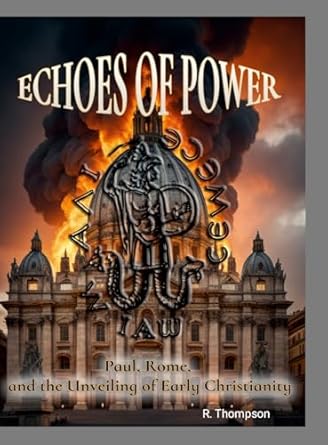
Growing up, my heritage as a member of The Church of Jesus Christ of Latter-day Saints (Mormons) was my starting point. However, as I began to question and explore more, my curiosity expanded far beyond just one tradition. I delved into the study of different creeds, from various forms of Christianity and Judaism to Hinduism and, more recently, the Coptic Church and Rastafarianism. These explorations have been driven by a desire to uncover the ancient wisdom that has been suppressed or lost over the centuries. My work in researching these traditions, including investigating historical libraries around the world, led to two significant projects: my book Echoes of Power and the song of the same name.
The song “Echoes of Power,” which is available on major music platforms and YouTube here, is a reflection of what I’ve learned about the control of religious narratives throughout history. One of the key moments that always fascinated me was the Council of Nicea, where certain texts, including Gnostic gospels like the Gospel of Thomas and Gospel of Mary, were deliberately excluded from the biblical canon. This was more than just an academic moment for me; it underscored how those in power have continually attempted to suppress certain spiritual truths that didn’t align with their interests. However, these truths have a way of surviving, as seen in the rediscovery of the Nag Hammadi texts in 1945.
These Gnostic texts revealed powerful insights into early Christianity that had been hidden for centuries, giving voice to alternative views of spirituality, the divine, and the nature of truth. My song draws from this history, with lyrics that reflect the ways in which powerful institutions have sought to erase or distort sacred knowledge, and how, despite their efforts, wisdom rises again like an echo, uncontainable and eternal.
While the song offers a musical reflection of these ideas, my book Echoes of Power allows me to dive even deeper into the historical and spiritual significance of these moments. The book is available for free or for purchase through this link, and it explores everything from early Christian sects to the Rastafarian beliefs that emphasize the divinity of Haile Selassie I, and the continued relevance of ancient wisdom in our modern world.
In both the book and the song, I reflect on how the pursuit of truth has often been met with resistance—whether through the censorship of scriptures or the institutionalization of religion. But I firmly believe that true knowledge, divine wisdom, cannot be suppressed forever. It re-emerges, whether through the unearthing of ancient texts, as with the Nag Hammadi discoveries, or through the power of music and art that carries these messages forward.
My personal journey is also reflected in these works. Over the years, I’ve seen how these ancient ideas about spirituality and freedom echo through modern movements, like the Rastafarian faith, which continues to inspire me with its focus on liberation, unity, and divine truth. The connection between these ancient traditions and the contemporary quest for justice and understanding is something that drives me both as an artist and a seeker of knowledge.
“Echoes of Power” is more than just a song or a book—it’s an expression of my belief that the wisdom of the ancients still has much to teach us. Whether it’s through the Gnostic texts, the rich teachings of Hinduism, or the Rastafarian chants, I believe that this knowledge continues to challenge the structures of power that seek to control and dictate what we are allowed to believe. My hope is that by sharing this journey through my music and writing, others can join in the search for these echoes of wisdom that transcend time.
Thank you for listening, reading, and joining me on this journey. You can check out the song on YouTube (youtube has censored my music but you can get it on other channels) or explore the book here. Your support means the world to me, and I hope that my work sparks curiosity and inspires others to seek out the truths that have been hidden but not lost.
I know this week the internet archive has been dealing with a cyber assault, but part of their archive is still available and the rest should be avaialble soon. What a great service they are!
Ryan Richard Thompson, aka DJ Disruptarian, brings us another reggae track that dives deep into spiritual reflection and historical intrigue with Was She His Wife? The song, recently released on YouTube, examines the complex relationship between Jesus and Mary Magdalene, exploring questions that theologians and historians have debated for centuries. Through a fusion of reggae beats and insightful lyrics, DJ Disruptarian offers listeners a fresh take on a story often overlooked in traditional narratives.
The Song’s Message
Was She His Wife? draws inspiration from the lesser-known Gospel of Mary, a Gnostic text that sheds light on Mary Magdalene as more than a mere follower of Jesus. While the canonical Gospels often depict Mary Magdalene’s role in the background, this track paints her as a spiritual leader in her own right, asking whether she was possibly much closer to Jesus than traditional stories suggest.
Lines like “Mary said, the truth is deep inside / No need for fear, no need to hide” remind listeners of the timeless message of inner wisdom and courage. The song challenges mainstream interpretations, suggesting that Mary Magdalene may have played a role as Jesus’s confidante or partner, offering a powerful message of spiritual strength and enlightenment.
Exploring Hidden Truths Through Reggae Rhythms
Reggae music has long been a voice for those questioning societal norms, and Was She His Wife? is no exception. DJ Disruptarian’s lyrical style, paired with traditional reggae rhythms, brings a fresh, reflective tone that encourages listeners to consider alternative perspectives on well-known biblical stories. The line, “The Gospel of Mary, hidden no more / Was she his wife, or something more?” encapsulates this message, urging audiences to think critically about what history has kept in the shadows.
By referencing Babylon—a metaphor for corrupt and oppressive power structures in reggae and Rastafarian culture—the song alludes to the idea that mainstream narratives about Mary Magdalene may have been manipulated or distorted. The “Babylon” mentioned here signifies institutional powers that, historically, may have downplayed or silenced Mary’s true role.
A Spiritual Reflection Beyond History
While the song touches on historical themes, its core is spiritual. Was She His Wife? moves beyond the question of Mary Magdalene’s status as Jesus’s wife or partner, and instead delves into the broader notion of divine love and enlightenment. Lyrics like “Mary knew the way to set us free” speak to the power of inner wisdom and the path to liberation that transcends traditional roles. The bridge emphasizes this with “Mary told us, the mind is the key / To unlock the spirit, to truly be free,” reminding listeners that true spirituality lies in the freedom of the soul.
Join the Conversation
DJ Disruptarian’s Was She His Wife? is more than a song—it’s an invitation to explore, question, and reflect. It’s an anthem for those interested in untold histories, spirituality, and the enduring impact of figures like Mary Magdalene who continue to inspire from the past.
Stream Was She His Wife? now on YouTube and join us on Disruptarian.com for more insights into music, spirituality, and stories that challenge the mainstream narrative. Reference also Ryan Thompson’s book “Echoes of Power” about the editing of the Roman Bible.



Submit a Comment