Author: Ryan “Dickie” Thompson

  • The Political Impact of Recognizing Two Genders: A Strategy for 2025 Elections

    In today’s political climate, discussions surrounding gender identity have become increasingly polarizing. For some, the notion of recognizing only two genders—male and female—aligns with traditional beliefs and biological science. For others, this stance is viewed as dismissive of non-binary and transgender identities. This debate has moved from personal conversations to political podiums, creating both controversies and opportunities for leaders willing to take a clear position.

    A Bold Stance: The Role of Leadership

    Recently, the President of the United States declared that a defining characteristic of his administration is the recognition of only two genders. This announcement was met with enthusiastic applause from his audience, illustrating how deeply this issue resonates with certain segments of the population. Such moments reveal a divide between cultural progressivism and conservative principles, making gender identity a defining issue for upcoming elections.

    For leaders like Australian politician Peter Dutton, this moment could serve as a lesson. As he looks toward the 2025 elections, the strategy might not be rooted in complex policy but in the courage to address straightforward issues with conviction. In a world where debates around gender have become increasingly nuanced, simply stating that “there are men and there are women” might be enough to rally support from voters who feel alienated by progressive ideologies.

    Cultural Shifts and Political Strategy

    The growing emphasis on gender inclusivity has undeniably shaped modern policies and societal norms. Schools, workplaces, and governments worldwide are adapting to accommodate non-binary and transgender individuals. While this progress is celebrated by many, it has also led to pushback from those who believe that these changes challenge fundamental truths about biology and identity.

    Political leaders who recognize this divide have an opportunity to connect with a base of voters eager for straightforward leadership. By focusing on the basics—such as defining the difference between men and women—leaders can tap into the frustrations of individuals who feel their beliefs are being marginalized.

    The Power of Simplicity in Politics

    One of the most remarkable aspects of the President’s declaration was its simplicity. He didn’t delve into detailed policies or cultural analyses. Instead, he made a straightforward statement about his administration’s position. The crowd’s reaction wasn’t about the complexity of the issue but about the clarity of the message.

    For politicians like Dutton, this approach can be a game-changer. In a landscape often dominated by ambiguity, leaders who can present clear, relatable messages stand out. This doesn’t mean dismissing the complexities of modern society but rather acknowledging that, for many voters, clarity and conviction are more important than nuance.

    Winning Elections by Connecting with the Public

    The path to electoral victory often involves understanding the values and concerns of the electorate. While gender identity may not seem like a traditional campaign issue, it represents a broader cultural battle that many voters are deeply invested in. Leaders who can address this topic respectfully but firmly may find themselves resonating with a wide audience.

    It’s also important to note that this strategy doesn’t require alienating those who disagree. Recognizing two genders doesn’t preclude supporting equality or opposing discrimination. Politicians can craft messages that emphasize their beliefs while advocating for mutual respect and open dialogue.

    Courage as a Defining Trait

    At its core, this discussion isn’t just about gender—it’s about leadership. Voters are drawn to politicians who have the courage to speak their minds, even when it’s controversial. By addressing issues like gender identity with honesty and clarity, leaders signal that they are willing to stand by their values, even in the face of criticism.

    Peter Dutton and others aiming for political success in 2025 should take note. The courage to address simple truths—paired with a commitment to fairness and respect—could be the foundation of a winning campaign.

    In a world increasingly divided by ideology, simplicity, courage, and authenticity remain powerful tools for connecting with the public.

    Spun Web Technology SMART SEO
    Spun Web Technology SMART SEO

  • The Senate Hearing on Big Tech Censorship: What It Revealed and Why It Matters

    On December 22nd, the U.S. Senate held a crucial hearing featuring Mark Zuckerberg and Jack Dorsey. The session was aimed at probing the alleged censorship practices of social media giants Facebook and Twitter. For years, individuals who shared certain viewpoints—particularly those labeled as “right-wing”—have claimed they were being unfairly targeted, shadowbanned, or outright silenced. This hearing marked a turning point, providing evidence and exposing how far-reaching these practices have been.

    The Misrepresentation of Political Labels

    One of the most critical points raised during the discourse surrounding this hearing was the misrepresentation of political ideologies. The terms “right-wing” and “left-wing” have been distorted to such an extent that they no longer represent their historical definitions. Traditionally, right-wing ideologies were associated with authoritarianism and heavy-handed government policies. However, many of the so-called right-wing groups today advocate for libertarian principles: less government, minimal control, and a stronger emphasis on individual freedoms.

    Conversely, the far-left—which champions increased government control and policies—often mirrors the authoritarian tendencies it accuses others of. This ideological misunderstanding fuels the justification for censorship. Dissenting voices, especially those challenging mainstream narratives, are branded as extreme and therefore silenced. But the question arises: Who decides what is extreme?

    Big Tech’s Role in Censorship

    The Senate hearing uncovered detailed mechanisms by which social media platforms implement censorship. Both Zuckerberg and Dorsey faced intense questioning about the use of algorithms, keyword targeting, and manual review teams. The platforms were shown to specifically suppress content questioning the COVID-19 vaccines, casting doubt on their safety and efficacy.

    From the beginning of the pandemic, there was skepticism about how quickly vaccines were developed and approved. Many argued for a more cautious approach, advocating for longer testing periods. Instead of encouraging open dialogue, platforms worked with government agencies to silence critics. People expressing concerns—even when later proven valid—were labeled as spreading misinformation and faced punitive actions such as account suspensions or permanent bans.

    COVID-19 Vaccine Controversy

    Fast-forward to today, and some of the concerns raised by these so-called skeptics have been validated. Several COVID-19 vaccines have been pulled from the market due to safety concerns. These events raise an uncomfortable question: Should platforms have censored individuals for questioning a product that was later deemed problematic?

    At the heart of the issue lies the concept of immunity—not just in biological terms, but legal ones. Pharmaceutical companies producing the vaccines were granted immunity from lawsuits, even as the products were fast-tracked without the usual rigorous testing. This shield left many questioning the motives behind the push for vaccines and the suppression of dissent. If the vaccines were safe, why silence those asking for more transparency?

    The concept of herd immunity, a natural process where populations develop collective resistance to a virus, also played a significant role in this debate. Early in the pandemic, many argued that herd immunity would eventually reduce COVID-19 cases more effectively than vaccines. This theory has largely been borne out by data showing significantly lower reinfection rates among those who recovered from COVID-19 compared to vaccinated individuals. Yet, this perspective was vilified and censored in real time.

    Personal Experience with Censorship

    Censorship is not just a theoretical concern; it has affected countless individuals, including me. In 2019, I shared political opinions on Twitter, only to have my account locked due to a flagged post. To regain access, I was forced to delete the content. While my account was reinstated, the impact on my reach was undeniable. Before the incident, my posts garnered 31 million views monthly. Afterward, that number plummeted to just 30,000 views a month. Despite my best efforts, my reach has never recovered.

    The term “shadowbanning” often comes up in discussions about censorship. It refers to the practice of limiting an account’s visibility without notifying the user. As someone who documented the drastic drop in engagement, I can confirm that shadowbanning is real and pervasive. Platforms like Twitter and Facebook have implemented these measures to suppress voices they deem controversial.

    Broader Implications of Big Tech Meddling

    The revelations from the Senate hearing highlight a disturbing trend: social media platforms are not merely neutral spaces for public discourse. Instead, they actively shape political and social narratives. This interference extends beyond banning individual accounts. Algorithms are designed to promote certain ideas while burying others, subtly influencing how users perceive reality.

    The collaboration between social media companies and government agencies raises serious concerns about freedom of speech. When private corporations partner with political entities to suppress dissent, the line between public policy and private enterprise blurs dangerously. This erosion of the First Amendment’s protections should alarm anyone who values open dialogue and accountability.

    The LGBTQ+ Debate and Censorship

    Censorship also extends to sensitive cultural issues. For instance, any criticism of LGBTQ+ events or practices often faces swift backlash. While inclusivity and respect are crucial, there’s a growing concern about certain practices like drag queen story hours or pride parades where nudity is normalized. Critics argue that these events should be regulated, especially when children are involved, but expressing such opinions can lead to bans or public shaming.

    The question remains: Is it possible to have a respectful debate on such issues without resorting to censorship? By silencing critics, platforms inadvertently fuel resentment and polarization, preventing meaningful conversations from taking place.

    What’s Next for Social Media?

    The Senate hearing represents just the beginning of what could be a larger reckoning for Big Tech. Senator Josh Hawley, in particular, pushed hard for transparency, threatening to subpoena data that would expose the full extent of censorship practices. If this data becomes public, it could profoundly change how people view social media platforms.

    The backlash could lead to a decline in trust, and ultimately, in user engagement. Already, alternative platforms like Parler, Gab, and Rumble are gaining traction among those who feel disenfranchised by mainstream social media. The future of platforms like Facebook and Twitter may depend on their willingness to acknowledge past mistakes and implement meaningful reforms.

    Final Thoughts

    Censorship, regardless of the justification, undermines the principles of free speech and open dialogue. The Senate hearing exposed how social media companies have crossed ethical lines by partnering with governments to suppress dissent. From vaccine skepticism to cultural debates, the suppression of diverse viewpoints has stifled meaningful discourse and eroded trust in these platforms.

    Moving forward, it is imperative that users demand greater transparency and accountability from Big Tech. Freedom of speech is not just a constitutional right; it is the cornerstone of a healthy democracy. As more evidence comes to light, the public must remain vigilant and hold these powerful entities accountable. Only then can we hope to restore balance and fairness to the digital public square.

    Spun Web Technology SMART SEO

    Spun Web Technology SMART SEO

  • Josh Hawley Exposes Whistleblower Revelations as Zuckerberg Faces Tough Senate Questions

    The concentration of power among today’s tech giants has become a central issue in debates about free speech, accountability, and transparency. During a recent Senate hearing, Senator Josh Hawley took center stage, drawing attention to alleged censorship practices by Facebook, Google, and Twitter. With evidence provided by a whistleblower from Facebook, Hawley accused these platforms of coordinating efforts to suppress certain voices, hashtags, and websites—a charge that Mark Zuckerberg struggled to refute.

    Hawley’s explosive allegations, coupled with Zuckerberg’s evasive responses, have fueled calls for greater oversight of big tech companies, with particular focus on reforming Section 230 of the Communications Decency Act, which provides liability protections to these platforms.

    A Modern-Day Robber Baron Era

    Senator Hawley began his remarks by likening the current state of big tech to the robber baron era of the late 19th century. Back then, the most powerful corporations colluded to set prices, control information flow, and eliminate competition. Hawley argued that tech giants like Facebook, Google, and Twitter now wield similar power, but on a global scale.

    “Your companies are the most powerful companies in the world,” Hawley said, addressing Zuckerberg directly. “And I want to talk about how you’re coordinating together to control information.”

    The Whistleblower’s Claims

    Hawley’s remarks were bolstered by a Facebook whistleblower who provided insights into the company’s internal operations. Central to the discussion was Facebook’s “Tasks” platform—a collaborative tool used by employees across the company. According to the whistleblower, the Tasks platform is not only used for routine project management but also for coordinating content moderation efforts.

    The platform allegedly facilitates discussions among Facebook’s content moderation teams, including the Community Well-Being team, the Integrity team, and the Hate Speech Engineering team. What’s more, the whistleblower claimed that this platform included input from counterparts at Google and Twitter, suggesting that the companies collaborate to determine which individuals, hashtags, and websites to censor.

    Evidence Presented in the Hearing

    Hawley presented a screenshot of the Tasks platform as evidence, showing references to “election integrity” and other content moderation topics. The screenshot appeared to support the whistleblower’s claims that Facebook collaborates with other tech companies on censorship.

    “Facebook censorship teams communicate with their counterparts at Twitter and Google and then enter those company suggestions for censorship onto the Tasks platform,” Hawley stated. “So that Facebook can then follow up with them and effectively coordinate their censorship efforts.”

    When pressed on this issue, Zuckerberg admitted that Facebook collaborates with other companies on “security-related topics” such as combating terrorism, child exploitation, and foreign influence operations. However, he denied that these collaborations extend to content moderation policies or specific decisions about what to censor.

    A Battle for Transparency

    Hawley repeatedly demanded that Zuckerberg commit to providing the Senate with detailed information about the Tasks platform. Specifically, he asked for a list of every mention of Google and Twitter on the platform, as well as a list of websites, hashtags, and phrases flagged for censorship.

    Zuckerberg declined to make such a commitment, citing potential “sensitivities” and the need to consult with his team. This refusal only intensified Hawley’s criticisms.

    “We could subpoena this information,” Hawley warned, “but I’d much rather get it from you voluntarily. Let everybody take note that Mr. Zuckerberg has now repeatedly refused to provide information that he knows that he has and has now acknowledged that he has.”

    Sentra: Another Tool Under Scrutiny

    In addition to the Tasks platform, Hawley introduced allegations about another Facebook tool called “Sentra.” According to the whistleblower, Sentra is used to track Facebook users across the internet, including their visits to third-party websites, interactions with Facebook buttons, and even accounts registered under different names.

    Hawley displayed a screenshot of Sentra in action, showing detailed information about a user, including their birthdate, account creation date, last login, and online activity.

    Zuckerberg denied familiarity with the tool, prompting skepticism from Hawley. “It’s always amazing to me how many people before this committee suddenly develop amnesia,” Hawley remarked.

    Section 230 Reform and Big Tech Accountability

    The hearing also delved into the broader issue of Section 230 reform. Enacted in 1996, Section 230 grants tech platforms immunity from liability for user-generated content while allowing them to moderate content in “good faith.” Critics argue that this protection has enabled platforms like Facebook and Twitter to wield enormous power without accountability.

    Senator Ted Cruz echoed Hawley’s concerns, accusing tech companies of selectively silencing conservative voices while amplifying others. “Big Tech enjoys massive corporate welfare through the effect of Section 230,” Cruz said. “It’s a subsidy that no one else gets while these companies become some of the wealthiest corporations on the planet.”

    Zuckerberg’s Evasive Responses

    Throughout the hearing, Zuckerberg’s responses to key questions were marked by vagueness and deflection. When asked whether Facebook employees access users’ private information, such as personal messages, Zuckerberg admitted that records are kept but was unable to provide specific numbers.

    Similarly, when asked whether Facebook tracks users’ online activity through tools like Sentra, Zuckerberg claimed he was unfamiliar with the name and could not confirm whether such tracking occurs.

    These evasive responses drew sharp criticism from Hawley, who accused Zuckerberg of stonewalling. “What we have here is clear evidence of coordination between Twitter, Google, and Facebook,” Hawley said. “Mr. Zuckerberg knows he has the tools to track this, but he won’t commit to letting us see it.”

    Broader Implications

    The revelations from the hearing have significant implications for the future of tech regulation and free speech. If the allegations of coordinated censorship are true, they raise serious questions about the influence of tech companies over public discourse and the potential for abuse of power.

    Critics argue that such practices undermine the principles of a free and open internet, where diverse viewpoints should be allowed to flourish. Moreover, the concentration of power among a few corporations creates a dangerous monopoly over information, making it increasingly difficult for alternative voices to be heard.

    Public Reaction

    The hearing has sparked widespread debate on social media and in political circles. Supporters of Hawley’s stance view the revelations as evidence of big tech’s overreach, while critics question the interpretation of the evidence presented.

    Proponents of Section 230 reform argue that the current law gives tech companies too much leeway to act as both platforms and publishers. Meanwhile, defenders of the status quo caution against hasty changes that could stifle innovation and harm smaller platforms.

    The Way Forward

    As calls for reform grow louder, lawmakers face the challenge of balancing accountability with innovation. Proposals for reforming Section 230 range from imposing transparency requirements to narrowing the scope of liability protections.

    For tech giants like Facebook, hearings like this one underscore the growing scrutiny they face from both sides of the political aisle. Whether through voluntary transparency measures or legislative action, the pressure to address concerns about censorship and accountability is unlikely to abate.

    Conclusion

    Senator Josh Hawley’s exposure of whistleblower claims has added fuel to the ongoing debate about the power of big tech. By shining a light on alleged coordination between Facebook, Google, and Twitter, he has raised critical questions about the role of these companies in shaping public discourse.

    As lawmakers, regulators, and the public grapple with these issues, one thing is clear: the era of unchecked power for big tech is coming under increasing scrutiny. The revelations from this hearing may mark a pivotal moment in the fight for accountability and a more equitable internet.

    For those concerned about the future of free speech and democracy, the time to engage in this conversation is now.

    Spun Web Technology SMART SEO

    Spun Web Technology SMART SEO

  • The Trojan Rocksteady Collection: A Song-by-Song Journey Through the Golden Era of Rocksteady

    Released in 2009 by the legendary Trojan Records, The Trojan Rocksteady Collection is an anthology of 40 tracks that beautifully encapsulates the smooth rhythms, heartfelt lyrics, and soulful energy of the rocksteady era. This pivotal Jamaican genre emerged in the mid-1960s, bridging the transition from ska to reggae. Each song in this collection is a testament to the artistry of the time, showcasing legends like Alton Ellis, Desmond Dekker, and The Paragons. Below is a comprehensive breakdown of each track, offering insight into the music, its creators, and its significance.


    The Legacy of Trojan Records

    Founded in London in 1968, Trojan Records became a key player in introducing Jamaican music to the global stage. Named after Duke Reid’s Trojan sound system truck, the label played a crucial role in bridging the cultural gap between Jamaica and the burgeoning Caribbean immigrant population in the UK. By distributing the works of iconic Jamaican producers like Reid, Coxsone Dodd, and Prince Buster, Trojan Records helped popularize ska, rocksteady, and reggae music.

    Throughout the 1970s, Trojan Records released a plethora of hits that resonated far beyond Jamaica’s shores, including Desmond Dekker’s “Israelites” and The Maytals’ “Monkey Man.” The label’s Tighten Up compilation series brought Jamaican music into the homes of diverse audiences, cementing Trojan’s place in music history. After a brief decline in the late 1970s, the 1990s saw Trojan experience a resurgence, reissuing classic tracks and compilations like The Trojan Rocksteady Collection, ensuring the preservation of these timeless gems.


    Track-by-Track Breakdown

    1. Alton Ellis – “Rock Steady”

    The genre-defining track by Alton Ellis, often called the “Godfather of Rocksteady,” captures the smooth, laid-back rhythm that characterizes rocksteady. Ellis’s velvety voice and soulful delivery make this an essential anthem.

    2. Desmond Dekker & The Aces – “Beautiful & Dangerous”

    Desmond Dekker tells a cautionary tale of love and its risks in this upbeat track. The Aces’ harmonious backing vocals perfectly complement Dekker’s expressive performance.

    3. The Paragons – “On The Beach”

    Led by the legendary John Holt, this breezy tune transports listeners to Jamaica’s sunny beaches. Its carefree melody and soothing vocals make it a rocksteady classic.

    4. The Melodians – “Little Nut Tree”

    With sweet harmonies and playful lyrics, The Melodians create a charming narrative about love and devotion. The simplicity of the arrangement highlights the vocal interplay.

    5. The Versatiles – “Teardrops Falling”

    A melancholy tune about heartbreak, this track captures the bittersweet essence of rocksteady through its haunting melody and heartfelt lyrics.

    6. Derrick Harriott – “The Loser”

    A deeply emotional ballad, Harriott’s vocal performance shines as he sings about love lost, a recurring theme in rocksteady.

    7. The Federals – “Shocking Love”

    This lively tune is an ode to the electrifying power of love. Its catchy beat and vibrant energy make it an instant favorite.

    8. The Maytals – “Just Tell Me”

    Toots Hibbert’s energetic and soulful vocals bring this track to life, blending the spirit of ska with the slower rhythms of rocksteady.

    9. The Ethiopians – “Come On Now”

    Known for their socially conscious music, The Ethiopians lighten the mood here with a romantic tune, showcasing their versatility.

    10. Pat Kelly – “Somebody’s Baby”

    Pat Kelly’s silky falsetto takes center stage in this tender love song, a standout track in the genre’s romantic repertoire.

    11. Ike Bennett & The Crystalites – “Illya Kuryakin”

    An instrumental tribute to a fictional TV spy, this track showcases inventive arrangements and dynamic musicianship.

    12. The Natives – “You You”

    This playful tune is lighthearted and fun, featuring cheerful lyrics and a bouncy rhythm.

    13. The Gaylads – “It’s Hard to Confess”

    A song about unspoken emotions, the Gaylads deliver a soulful and introspective performance that resonates deeply.

    14. Derrick Harriott – “Do I Worry?”

    Another hit from Harriott, this introspective track reflects on insecurities in love with a heartfelt delivery.

    15. Derrick Morgan – “Conquering Ruler”

    An anthem of triumph and resilience, Morgan’s commanding voice and confident lyrics make this a powerful standout.

    16. The Uniques – “My Conversation (Stereo)”

    With its smooth groove and philosophical lyrics, this track is a meditative classic that exemplifies the laid-back nature of rocksteady.

    17. Lynn Taitt & The Jets – “To Sir With Love”

    This instrumental cover of a famous ballad demonstrates Lynn Taitt’s exceptional guitar skills and emotional depth.

    18. Errol Dunkley – “You’re Gonna Need Me”

    Dunkley’s soulful vocals deliver a poignant message about the value of love and relationships.

    19. Desmond Dekker & The Aces – “Mother’s Young Gal”

    This playful tune showcases Dekker’s storytelling prowess, set against a bright and lively beat.

    20. The Melodians – “Swing & Dine”

    A heartfelt anthem of gratitude, this track’s harmonious vocals and reflective lyrics make it timeless.

    21. Derrick Harriott – “Walk the Streets (You Might as Well Forget Him)”

    A tale of heartbreak, Harriott’s smooth voice delivers this bittersweet narrative with grace.

    22. Alton Ellis – “All My Tears (Come Rolling)”

    Ellis’s soulful lament about unrequited love is a poignant highlight of the collection.

    23. The Gaylads – “ABC Rock Steady”

    A catchy and upbeat tune, this track combines playful lyrics with an infectious groove.

    24. Lester Sterling – “Super Special”

    An instrumental piece that showcases Sterling’s saxophone mastery and joyful energy.

    25. Johnny & The Attractions – “Young Wings Can Fly”

    A hopeful and uplifting song that captures the optimism and innocence of youth.

    26. The Versatiles – “Trust the Book”

    This gospel-infused track delivers a powerful message of faith and perseverance.

    27. Ken Boothe – “Can’t See You (Edit)”

    Boothe’s velvety voice and heartfelt delivery make this ballad of longing unforgettable.

    28. Derrick Harriott – “Born to Love You”

    A tender declaration of love, Harriott’s warm vocals make this track a standout.

    29. The Uniques – “People Rocksteady”

    A celebratory anthem paying homage to the genre, this track is uplifting and inspiring.

    30. Delroy Wilson – “Once Upon a Time”

    Wilson’s reflective ballad pairs soulful lyrics with a smooth melody.

    31. The Jamaicans – “Ba Ba Boom”

    An iconic celebration song, this track epitomizes the joyous spirit of rocksteady.

    32. The Natives – “Live It Up”

    A vibrant and energetic tune encouraging listeners to embrace life’s joys.

    33. Derrick Harriott – “Solomon”

    Harriott’s vocals narrate a tale of wisdom and love, set against a rich melody.

    34. The Ethiopians – “Engine 54”

    This signature track uses a “train engine” rhythm to reflect working-class resilience.

    35. Derrick Morgan – “I Want to Go Home”

    A nostalgic ballad of longing for home, Morgan’s emotional delivery is captivating.

    36. The Melodians – “I Will Get Along Without You”

    A song of independence, this track’s harmonies and lyrics are empowering.

    37. Justin Hinds & The Dominoes – “Save a Bread”

    A socially conscious anthem encouraging unity and resourcefulness.

    38. The Versatiles – “The Time Has Come”

    A stirring call for change and hope, this track is dynamic and heartfelt.

    39. Tommy McCook – “The Shadow of Your Smile”

    A jazzy instrumental that highlights McCook’s saxophone skills and sophistication.

    40. The Gaylads – “Over the Rainbow’s End”

    A hopeful, uplifting conclusion, leaving listeners with a sense of fulfillment.

    Listen here: https://www.discogs.com/release/1123731-Various-Trojan-Rocksteady-Box-Set?srsltid=AfmBOopXd0x3cZQnQ9fnu_BONv2W0krfWnNchXD0QR8K0tWn9uaRzaJw


    Conclusion

    The Trojan Rocksteady Collection is an essential compilation, preserving the beauty and depth of a genre that continues to influence music worldwide. With each track, the album captures the magic of the rocksteady era, offering a timeless listening experience that both honors the past and inspires the future.

    Spun Web Technology SMART SEO

    Spun Web Technology SMART SEO

  • Achievements of the Trump Administration (2016–2020)

    No New International Conflicts

    • Peace through Strength: During Trump’s presidency, the United States did not initiate any new wars or military interventions. His administration prioritized de-escalating foreign conflicts through diplomacy and negotiation.
      • Trump became the first U.S. president in decades to avoid initiating a major international military conflict.
      • Withdrawal from Endless Wars: Efforts were made to bring troops home from Afghanistan, Iraq, and Syria.
      • In 2019, Trump ordered the withdrawal of a significant number of troops from Syria after ISIS was declared largely defeated, signaling a shift toward restraint in foreign military action.
      • Negotiated the Abraham Accords (2020): Landmark agreements normalized relations between Israel and multiple Arab nations, including the UAE, Bahrain, Morocco, and Sudan, fostering greater stability in the Middle East.
      • Opened historic dialogue with North Korea, reducing hostilities between the two nations. Trump became the first sitting U.S. president to step into North Korea during a 2019 summit with Kim Jong-un.

    Energy Independence and Domestic Energy Production

    • America First Energy Policy: The Trump administration prioritized domestic energy production to reduce dependence on foreign oil and achieve energy independence.
      • The U.S. became the world’s largest producer of oil and natural gas during Trump’s tenure.
      • Expanded oil drilling, including opening federal lands and offshore waters to exploration.
      • Approved the Keystone XL and Dakota Access pipelines, boosting the energy infrastructure and job creation in the energy sector.
      • Rolled back numerous restrictive environmental regulations that hindered domestic energy companies, such as portions of the Clean Power Plan.
      • Under Trump, the United States became a net energy exporter for the first time since 1952.
    • Energy production growth led to a significant drop in energy costs for American households and businesses, boosting economic productivity.

    Promotion of Domestic Manufacturing and Businesses

    • Tax Cuts and Jobs Act (2017): Trump’s tax reform significantly reduced the corporate tax rate from 35% to 21%, making the United States more competitive globally.
      • Small businesses benefited from tax reductions, increased deductions, and incentives for reinvestment.
      • The lower corporate tax rate encouraged companies to bring operations and capital back to the United States, stimulating growth.
    • Manufacturing Renaissance:
      • Trump prioritized reviving domestic manufacturing through trade policies and deregulation.
      • The “America First” strategy incentivized companies to establish factories and production facilities in the U.S.
      • During Trump’s first three years, the economy added 500,000 manufacturing jobs, reversing years of decline in the sector.
    • Deregulation Efforts:
      • The Trump administration eliminated over 1,500 unnecessary regulations that burdened businesses. For every new regulation, seven were removed.
      • Deregulation particularly benefited small businesses and industries like energy, construction, and manufacturing.

    Economic Growth and Record-Breaking Markets

    • GDP Growth: The Trump administration achieved robust GDP growth, averaging over 2.5% annually during the first three years (before the COVID-19 pandemic).
      • In 2018, GDP growth reached 2.9%, the fastest since 2005.
    • Record-High Stock Market:
      • The Dow Jones Industrial Average reached multiple record highs under Trump’s economic policies, reflecting strong investor confidence.
      • The stock market rallied due to tax cuts, deregulation, and business-friendly policies, benefiting retirement accounts and pensions.
    • Low Unemployment Rates:
      • Before the COVID-19 pandemic, unemployment reached a 50-year low of 3.5% in February 2020.
      • Unemployment rates for African Americans, Hispanic Americans, and Asian Americans hit all-time lows under Trump’s leadership.
      • Wages grew steadily, particularly for blue-collar and low-income workers.

    Fairer Trade Agreements and Policies

    • America First Trade Policy: Trump took bold actions to renegotiate trade agreements to benefit American workers and industries.
      • USMCA (United States-Mexico-Canada Agreement) replaced NAFTA, creating a more favorable trade deal for American farmers, manufacturers, and workers.
        • The agreement required higher wage standards and incentivized domestic production of automobiles and other goods.
      • China Trade Deal (Phase 1): Trump imposed tariffs to address trade imbalances and forced China to agree to purchase more American agricultural and industrial products.
      • Withdrawal from the Trans-Pacific Partnership (TPP), which Trump argued would harm American manufacturing.
      • Imposed tariffs on steel, aluminum, and other foreign imports to protect domestic industries from unfair competition.

    Criminal Justice Reform

    • First Step Act (2018): A landmark bipartisan criminal justice reform law that:
      • Reduced mandatory minimum sentences for non-violent offenders.
      • Provided more opportunities for rehabilitation and job training for incarcerated individuals.
      • Resulted in the release of thousands of low-level, non-violent offenders.
      • This reform addressed inequities in sentencing, particularly for minorities.

    Investment in Infrastructure and Military

    • Trump increased investments in rebuilding America’s infrastructure and modernizing the military.
      • Authorized over $1 trillion in infrastructure funding, including projects to improve roads, bridges, airports, and public transportation systems.
      • Strengthened the military with increased defense budgets, ensuring readiness and modernization of the armed forces.

    Focus on Immigration Reform

    • Trump’s administration prioritized border security and immigration enforcement:
      • Construction of over 450 miles of border wall along the U.S.-Mexico border.
      • Policies like Remain in Mexico and stricter asylum laws aimed to reduce illegal immigration.
      • Enhanced enforcement of existing immigration laws to protect American jobs and communities.

    COVID-19 Response and Economic Resilience

    • Despite the unprecedented challenges of the COVID-19 pandemic, Trump’s administration took decisive actions to mitigate economic fallout:
      • Operation Warp Speed facilitated the rapid development of multiple COVID-19 vaccines in record time.
      • Passed the CARES Act, a $2.2 trillion relief package that provided direct financial aid to Americans, businesses, and healthcare systems.
      • Delivered stimulus checks to millions of Americans and introduced the Paycheck Protection Program (PPP) to protect small businesses.

    Conclusion

    The Trump administration’s tenure from 2016–2020 saw numerous achievements, including fostering energy independence, revitalizing domestic manufacturing, avoiding new foreign conflicts, and promoting economic growth. Policies like the Tax Cuts and Jobs Act, USMCA, and deregulation provided a significant boost to American businesses and workers. Trump’s emphasis on “America First” positioned the United States to become stronger economically, with a focus on domestic prosperity and job creation.

    No New International Conflicts

    Energy Independence and Domestic Energy Production

    Tax Cuts and Jobs Act (2017)

    USMCA Agreement

    Deregulation Policies

    Record Economic Growth

    • The U.S. economy saw strong GDP growth pre-pandemic, with low unemployment rates.
      U.S. Economic Data.

    Stock Market Records

    Manufacturing Job Growth

    Abraham Accords

    First Step Act (2018)

    Border Security

    Trade Policies with China

    Criminal Justice Reform

    COVID-19 Response

    Unemployment at Record Lows

    Small Business Support

    • Tax cuts and the Paycheck Protection Program (PPP) helped small businesses thrive.
      PPP Program Overview.

    Focus on American Workers

    Military Modernization

    Infrastructure Investment

    Energy Jobs Creation

    References:

    Spun Web Technology SMART SEO

    Spun Web Technology SMART SEO

  • Exploring Ancient Wisdom in ‘Echoes of Power’: Ryan Thompson’s Gnostic Journey Through Music and Spiritual Knowledge

    My name is Ryan Thompson, also known as DJ Disruptarian, and I’ve spent much of my life on a path of spiritual and intellectual discovery—a journey that’s shaped everything I create, whether it’s through my music or my writing. This lifelong pursuit of gnosis—the Greek term for knowledge, especially spiritual knowledge—has been about more than just understanding ancient texts. It’s been about connecting the dots between various religious and philosophical traditions, seeking out truths that transcend the walls that institutions and dogma often build around them.

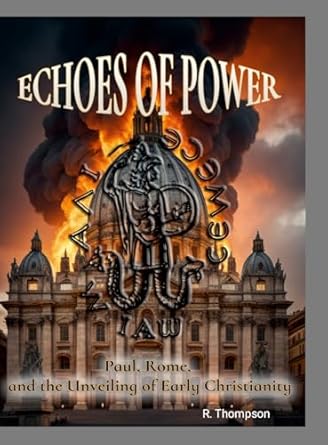
    Growing up, my heritage as a member of The Church of Jesus Christ of Latter-day Saints (Mormons) was my starting point. However, as I began to question and explore more, my curiosity expanded far beyond just one tradition. I delved into the study of different creeds, from various forms of Christianity and Judaism to Hinduism and, more recently, the Coptic Church and Rastafarianism. These explorations have been driven by a desire to uncover the ancient wisdom that has been suppressed or lost over the centuries. My work in researching these traditions, including investigating historical libraries around the world, led to two significant projects: my book Echoes of Power and the song of the same name.

    The song “Echoes of Power,” which is available on major music platforms and YouTube here , is a reflection of what I’ve learned about the control of religious narratives throughout history. One of the key moments that always fascinated me was the Council of Nicea, where certain texts, including Gnostic gospels like the Gospel of Thomas and Gospel of Mary, were deliberately excluded from the biblical canon. This was more than just an academic moment for me; it underscored how those in power have continually attempted to suppress certain spiritual truths that didn’t align with their interests. However, these truths have a way of surviving, as seen in the rediscovery of the Nag Hammadi texts in 1945.

    These Gnostic texts revealed powerful insights into early Christianity that had been hidden for centuries, giving voice to alternative views of spirituality, the divine, and the nature of truth. My song draws from this history, with lyrics that reflect the ways in which powerful institutions have sought to erase or distort sacred knowledge, and how, despite their efforts, wisdom rises again like an echo, uncontainable and eternal.

    While the song offers a musical reflection of these ideas, my book Echoes of Power allows me to dive even deeper into the historical and spiritual significance of these moments. The book is available for free or for purchase through this link, and it explores everything from early Christian sects to the Rastafarian beliefs that emphasize the divinity of Haile Selassie I, and the continued relevance of ancient wisdom in our modern world.

    In both the book and the song, I reflect on how the pursuit of truth has often been met with resistance—whether through the censorship of scriptures or the institutionalization of religion. But I firmly believe that true knowledge, divine wisdom, cannot be suppressed forever. It re-emerges, whether through the unearthing of ancient texts, as with the Nag Hammadi discoveries, or through the power of music and art that carries these messages forward.

    My personal journey is also reflected in these works. Over the years, I’ve seen how these ancient ideas about spirituality and freedom echo through modern movements, like the Rastafarian faith, which continues to inspire me with its focus on liberation, unity, and divine truth. The connection between these ancient traditions and the contemporary quest for justice and understanding is something that drives me both as an artist and a seeker of knowledge.

    “Echoes of Power” is more than just a song or a book—it’s an expression of my belief that the wisdom of the ancients still has much to teach us. Whether it’s through the Gnostic texts, the rich teachings of Hinduism, or the Rastafarian chants, I believe that this knowledge continues to challenge the structures of power that seek to control and dictate what we are allowed to believe. My hope is that by sharing this journey through my music and writing, others can join in the search for these echoes of wisdom that transcend time.

    Thank you for listening, reading, and joining me on this journey. You can check out the song on YouTube (youtube has censored my music but you can get it on other channels) or explore the book here. Your support means the world to me, and I hope that my work sparks curiosity and inspires others to seek out the truths that have been hidden but not lost.

    Echoes of Power by Ryan Richard Thompson on Youtube:

    Buy/Read the book Echoes of Power here:

    Also for reference, my media is also archived at: https://archive.org/details/@veracitylife

    I know this week the internet archive has been dealing with a cyber assault, but part of their archive is still available and the rest should be avaialble soon. What a great service they are!

    Spun Web Technology SMART SEO

    Spun Web Technology SMART SEO

  • New Release: “Was She His Wife?” by DJ Disruptarian — A Reggae Exploration of Mary Magdalene and Jesus

    Disruptarian.com Exclusive

    Ryan Richard Thompson, aka DJ Disruptarian, brings us another reggae track that dives deep into spiritual reflection and historical intrigue with Was She His Wife? The song, recently released on YouTube, examines the complex relationship between Jesus and Mary Magdalene, exploring questions that theologians and historians have debated for centuries. Through a fusion of reggae beats and insightful lyrics, DJ Disruptarian offers listeners a fresh take on a story often overlooked in traditional narratives.

    The Song’s Message

    Was She His Wife? draws inspiration from the lesser-known Gospel of Mary, a Gnostic text that sheds light on Mary Magdalene as more than a mere follower of Jesus. While the canonical Gospels often depict Mary Magdalene’s role in the background, this track paints her as a spiritual leader in her own right, asking whether she was possibly much closer to Jesus than traditional stories suggest.

    Lines like “Mary said, the truth is deep inside / No need for fear, no need to hide” remind listeners of the timeless message of inner wisdom and courage. The song challenges mainstream interpretations, suggesting that Mary Magdalene may have played a role as Jesus’s confidante or partner, offering a powerful message of spiritual strength and enlightenment.

    Exploring Hidden Truths Through Reggae Rhythms

    Reggae music has long been a voice for those questioning societal norms, and Was She His Wife? is no exception. DJ Disruptarian’s lyrical style, paired with traditional reggae rhythms, brings a fresh, reflective tone that encourages listeners to consider alternative perspectives on well-known biblical stories. The line, “The Gospel of Mary, hidden no more / Was she his wife, or something more?” encapsulates this message, urging audiences to think critically about what history has kept in the shadows.

    By referencing Babylon—a metaphor for corrupt and oppressive power structures in reggae and Rastafarian culture—the song alludes to the idea that mainstream narratives about Mary Magdalene may have been manipulated or distorted. The “Babylon” mentioned here signifies institutional powers that, historically, may have downplayed or silenced Mary’s true role.

    A Spiritual Reflection Beyond History

    While the song touches on historical themes, its core is spiritual. Was She His Wife? moves beyond the question of Mary Magdalene’s status as Jesus’s wife or partner, and instead delves into the broader notion of divine love and enlightenment. Lyrics like “Mary knew the way to set us free” speak to the power of inner wisdom and the path to liberation that transcends traditional roles. The bridge emphasizes this with “Mary told us, the mind is the key / To unlock the spirit, to truly be free,” reminding listeners that true spirituality lies in the freedom of the soul.

    Join the Conversation

    DJ Disruptarian’s Was She His Wife? is more than a song—it’s an invitation to explore, question, and reflect. It’s an anthem for those interested in untold histories, spirituality, and the enduring impact of figures like Mary Magdalene who continue to inspire from the past.

    Stream Was She His Wife? now on YouTube and join us on Disruptarian.com for more insights into music, spirituality, and stories that challenge the mainstream narrative. Reference also Ryan Thompson’s book “Echoes of Power” about the editing of the Roman Bible.

    Spun Web Technology SMART SEO

    Spun Web Technology SMART SEO

  • DJ Disruptarian Music Thoth’s prophecy

    Provided to YouTube by IIP-DDS

    Thoth’s prophecy · Ryan Richard Thompson · DJ Disruptarian

    Thoth’s prophecy

    ℗ Ryan Richard Thompson

    Released on: 2024-11-03

    Producer: Ryan Richard Thompson
    Music Publisher: Ryan Richard Thompson
    Lyricist, Composer: Ryan Richard Thompson

    Auto-generated by YouTube.

    Spun Web Technology SMART SEO

    Spun Web Technology SMART SEO

  • Exploring the Dark Allure in DJ Disruptarian’s New Track: “Siren’s Spell”

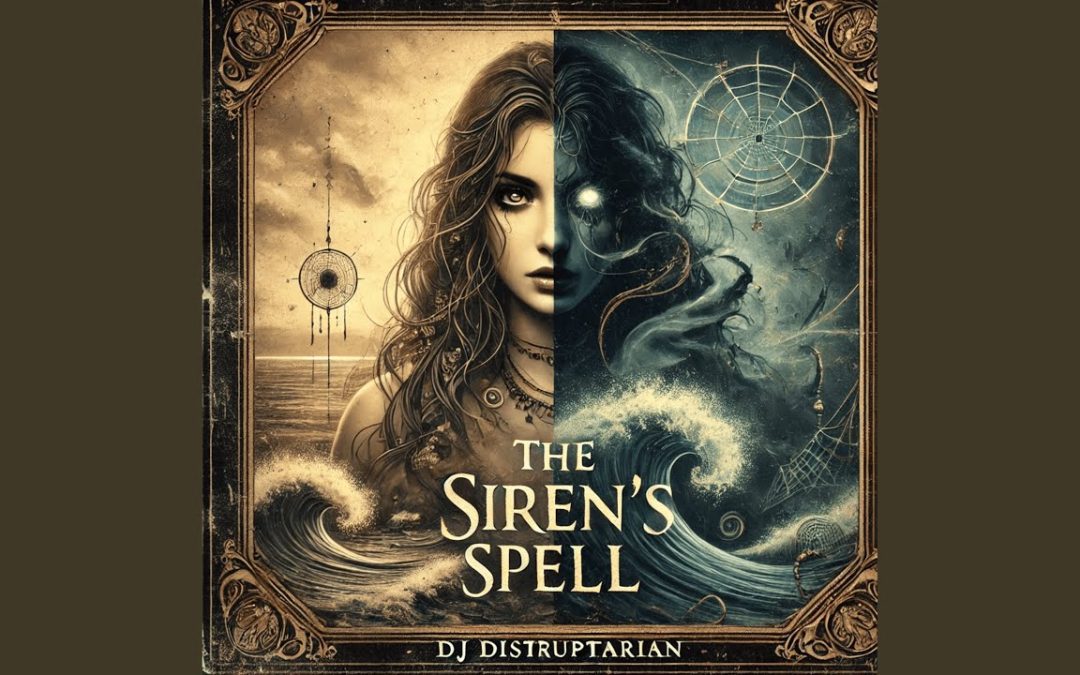
    DJ Disruptarian, also known as Ryan Thompson, returns with a compelling new single, Siren’s Spell, an evocative reggae track that explores themes of manipulation, resilience, and self-awareness. Released as part of his ongoing commitment to creating reggae that challenges listeners both sonically and lyrically, Siren’s Spell invites listeners into a story about the dangers of toxic attraction and the strength it takes to break free. The full track is available on YouTube for fans to experience firsthand: Listen to “Siren’s Spell” .

    Unpacking the Lyrics: The Illusion of Charm and the Reality Beneath

    In Siren’s Spell, DJ Disruptarian presents a character with an irresistible charm, someone who draws people in with sweetness and warmth but ultimately reveals a darker, deceptive nature. The opening lyrics reflect this, as he sings about the “sweet disguise” and “hidden games.” The song paints a picture of a toxic relationship, where one party wields emotional control, lifting the other up only to bring them crashing down.

    The track’s chorus captures this struggle: “She plays hidden games keepin’ you low / Pulls you in deep then she lets you go.” Here, DJ Disruptarian addresses the cycle of hope and heartbreak, where moments of affection are followed by emotional withdrawal. It’s a cycle many listeners may recognize, where moments of fleeting connection create a powerful pull that’s hard to escape.

    Musical Tone and Reggae Vibes

    Sirens Spell uses classic reggae rhythms mixed with a haunting undertone, reflecting the hypnotic yet unsettling nature of the “siren” character in the song. With its laid-back beat and poignant lyrics, the track mirrors the reggae tradition of addressing heavy themes with a sense of groove and flow. This style choice allows DJ Disruptarian to balance the song’s darker narrative with a melody that keeps listeners hooked—much like the allure of the “siren” figure the lyrics warn against.

    The Symbolism of the Siren and the Warning to Listeners

    The song’s title, Siren’s Spell, is rooted in mythological symbolism, with the “siren” representing a figure who lures sailors to their doom with an enchanting song. In the context of this track, the “siren” symbolizes an individual who uses charm and allure to entrap others in a web of emotional manipulation. This image of the siren aligns with the Rastafarian belief in self-awareness and caution against external forces that seek to control the mind or spirit. DJ Disruptarian draws on this idea, encouraging listeners to recognize the deceptive allure and break free from negative patterns.

    A Message of Empowerment

    While Siren’s Spell delves into themes of deception, it also conveys a message of resilience. In the final verses, DJ Disruptarian shifts the tone towards empowerment, urging listeners to “find your own shelter from her rain” and “smile again in your own light.” This closing message serves as a call to reclaim one’s personal power, a reminder that while toxic influences can be difficult to escape, true strength lies in self-awareness and inner resilience.

    Experience “Siren’s Spell” for Yourself

    Sirens Spell is an introspective journey through the dynamics of toxic attraction, wrapped in DJ Disruptarian’s unique reggae style. This track not only provides a captivating rhythm but also leaves listeners with something to think about—how to recognize manipulation, find clarity, and ultimately, break free.

    Stream the full track on YouTube: Siren’s Spell by DJ Disruptarian.

    Spun Web Technology SMART SEO

    Spun Web Technology SMART SEO

  • DJ Disruptarian Music The Siren’s Spell

    Provided to YouTube by IIP-DDS

    The Siren’s Spell · Ryan Richard Thompson · DJ Disruptarian

    The Siren’s Spell

    ℗ Ryan Richard Thompson

    Released on: 2024-10-27

    Producer: Ryan Richard Thompson
    Music Publisher: Ryan Richard Thompson
    Lyricist, Composer: Ryan Richard Thompson

    Auto-generated by YouTube.

    Spun Web Technology SMART SEO

    Spun Web Technology SMART SEO