Category: Commentary

  • Charlie Kirk Assassinated While Exposing Transgender Violence: America’s Denial Has Blood on Its Hands

    Today is a dark day in America.

    Charlie Kirk, just 31 years old, was assassinated while answering a question about transgender violence and mass shootings. The irony is sharp enough to cut steel—Kirk was mid-sentence talking about the rise in transgender shooters when a bullet silenced him. Or at least tried to.

    Because here’s the truth: the bullet took Charlie’s life, but it didn’t take the conversation. If anything, it ripped the duct tape off a smoke alarm. We can’t ignore this anymore.


    The Numbers No One Wants to Talk About

    Less than 1% of the U.S. population identifies as transgender. Yet in recent years, a wildly disproportionate number of mass shootings have been carried out by trans-identifying individuals. Some studies suggest transgender people are up to 700% more likely to commit such acts compared to the general population.

    • The Nashville Covenant School shooter in 2023 was transgender.
    • The Denver Club Q shooter identified as non-binary.
    • The Minneapolis church shooter this year—again, transgender.
    • And now, the assassin of Charlie Kirk, Tyler Robinson, tied to trans activism and reportedly living with a transgender partner.

    This isn’t a statistical blip. It’s a pattern. And pretending it isn’t real won’t make it go away.


    My Own Experience

    I’ve lived this in my own life. My ex-wife’s partner, a man in a dress, attacked me. He hit me first, I defended myself, and of course the story was flipped on its head. Lucky for me, I record everything, because lies are cheap and truth is expensive.

    That wasn’t just a domestic squabble. That was a symptom of a culture telling unstable people that delusion is identity, that hormones and scalpels are salvation. It isn’t. It’s fuel on a fire.


    Gender Ideology is Delusion

    Let’s be blunt: if your friend tells you he’s a dolphin, you don’t take him to SeaWorld. You get him help. If someone insists their imaginary friend is sitting at the dinner table, you don’t pull up a chair. But when it comes to gender dysphoria, the state, the schools, and the media tell us we must affirm the delusion.

    Cutting off healthy body parts, injecting hormones to rewire your biology, demanding society bend reality around your feelings—this isn’t liberation. It’s self-destruction, and sometimes outward destruction.


    Charlie’s Warning

    Charlie Kirk wasn’t killed because he was dangerous. He was killed because he was effective.

    He asked simple questions:

    • What is a woman?
    • Why should government raise your kids?
    • Why should speech be punished with force?

    Those questions unravel fragile ideologies. And when an ideology can’t survive daylight, it tries to kill the man holding the flashlight.


    Trump Was Right

    Back in his first term, Donald Trump said mentally ill people should not have guns. He was right. Gender dysphoria used to be classified as a mental illness. Today, it’s celebrated as identity politics’ crown jewel. Meanwhile, children are drugged, mutilated, and in too many cases, armed.

    If you cut off your genitals because you believe you were “born wrong,” you need help. Not affirmation. Not TikTok followers. And not access to a firearm.


    What Now?

    The left will spin this. They’ll say Robinson was conservative. They’ll say the bullets had “misleading messages.” They’ll say it’s just one more isolated incident. They’ll call vigils “far-right rallies.”

    But the footage from London, Madrid, Seoul, and New Zealand tells the real story: the world knows Charlie Kirk was murdered for speaking truth, and they’re not buying the media’s excuses.


    Final Word

    Charlie’s assassin tried to silence him with a bullet. Instead, he multiplied his voice across the globe. Millions are chanting his name. Millions are asking the same questions he asked.

    The left says words are violence. But it’s their ideology producing actual violence. It’s their culture that cheers when men are gunned down for believing in reality.

    You know what? Enough.

    Charlie Kirk’s death is not just a tragedy. It’s a wake-up call. And it’s time we face the truth about the ideology fueling this violence before more lives are lost.

    — Ryan “Dickie” Thompson, Disruptarian Radio


    Sources / URLs

    Spun Web Technology SMART SEO

    Spun Web Technology SMART SEO

  • Why Men Don’t Grow Up Until 43 (And Why That’s a Problem for the West)

    According to a 2013 study by Nickelodeon UK, men don’t reach full emotional maturity until age 43. That’s more than a decade later than women, who hit their stride around 32. Think about that. In a world where people are dating, marrying, and raising families in their twenties and thirties, the men in the room may not even be emotionally finished products until they’re approaching middle age.

    That raises some uncomfortable questions. If men take so long to mature, what does that mean for relationships? For families? For society at large? And is this really biology—or is it cultural conditioning in a West that coddles men into permanent adolescence?

    Let’s break it down.


    What “emotional maturity” means

    Emotional maturity isn’t about wrinkles, paychecks, or years lived. It’s about stability. It’s about being able to control impulses, take responsibility, and make decisions that aren’t driven by ego or short-term pleasure.

    Signs of maturity include:

    • Owning your mistakes instead of blaming others
    • Communicating honestly instead of sulking or exploding
    • Making decisions for long-term benefit, not instant gratification
    • Balancing freedom with responsibility

    The Nickelodeon study was tongue-in-cheek—it asked women and men what behaviors they considered “immature.” Examples included laughing at crude jokes, playing video games, refusing to talk about feelings, and avoiding household chores. But behind the lighthearted questions was a real pattern: women felt like they had to step into the “adult role” long before their male peers did.


    Why men lag behind

    So why do men supposedly take 11 years longer to mature than women? A few factors stand out.

    1. Biology and brain development
      Neurological studies show that the prefrontal cortex—the part of the brain responsible for decision-making and impulse control—develops later in men than in women. That’s one explanation. Men are biologically wired to mature later.
    2. Cultural indulgence
      But biology isn’t the whole story. Western culture often treats male immaturity as charming or normal. The “man-child” trope is everywhere: sitcom dads who can’t handle responsibility, movies where men avoid growing up, entire industries built on keeping guys glued to screens with video games and sports. Immaturity is not just tolerated—it’s marketed.
    3. Shifting social roles
      In past generations, men didn’t have the luxury of delaying adulthood. At 20, you were already working, married, or drafted. Responsibility was thrust upon you. Today, with adolescence extended by schooling, debt, and cultural permissiveness, men can coast well into their 30s without ever being forced to grow up.

    The female frustration

    The study also found that women are more likely to feel like the “adult” in relationships. They make the important decisions. They pick up the slack. They feel like they’re parenting their partner instead of partnering with them.

    That resentment is no small issue. When one person in a relationship constantly feels like the adult, it poisons trust and respect. Women start to view men not as leaders or equals, but as burdens. Men, in turn, either double down on immaturity or resent being “nagged.”

    And this isn’t just theory. Divorce statistics consistently show that women initiate around 70% of divorces. One reason? They feel like they’re carrying the emotional load alone.


    The libertarian angle: responsibility is freedom

    Here’s where the Disruptarian perspective comes in. Emotional maturity is really about responsibility. And responsibility is the price of freedom.

    When men delay maturity, they don’t just harm their relationships—they make themselves easier to control. Think about it:

    • A man who can’t control his impulses is an easy target for consumerism.
    • A man who refuses responsibility is dependent on others—or on the state.
    • A man who never grows up can’t defend his liberty, his family, or his future.

    In other words, immaturity isn’t just a personal flaw. It’s a political liability. A nation of boys pretending to be men is a nation ripe for surveillance, debt slavery, and manipulation.


    The ripple effect on society

    If men really take until 43 to mature, what does that mean for marriage and family? It means fewer stable marriages, delayed fatherhood, and families built on shaky foundations.

    • Marriage delays: If women are emotionally ready at 32 but men don’t catch up until 43, that’s an 11-year mismatch. No wonder age-gap dating feels more natural in some cultures.
    • Weaker families: Immature men are less likely to stay committed, less likely to raise children well, and more likely to bail when things get tough.
    • Cultural decline: Families are the building blocks of society. When men fail to grow up, the whole structure wobbles.

    The West vs the Rest

    Interestingly, the stigma around age-gap relationships in the West makes this problem worse. If men take longer to mature, then it makes sense that younger women might pair with older men. But in the West, that dynamic is ridiculed as “creepy” or “exploitative.” Meanwhile, in many Eastern and traditional societies, it’s normal for a younger woman to marry an older man—and those marriages often prove stable.

    So here’s the irony: the very culture that infantilizes men also punishes the natural pairing that might balance things out.


    The way forward for men

    If you’re a man reading this, the takeaway isn’t “welp, I guess I don’t grow up until 43.” That’s an excuse. The real takeaway is that emotional maturity is a choice. Biology may set the pace, but culture sets the standard.

    Here’s how men can beat the statistic:

    1. Take ownership early. Stop blaming the world for your failures. Own your choices.
    2. Build discipline. Quit chasing instant gratification. Develop routines that strengthen you—mentally, physically, financially.
    3. Lead in relationships. Not by controlling, but by being dependable. A partner who can be trusted is worth more than any income bracket.
    4. Reject the man-child culture. Don’t buy into the endless adolescence being sold by Hollywood, gaming, and consumer brands.
    5. Pursue purpose. Find something worth building—a business, a craft, a family. Immaturity withers when you’re responsible for more than yourself.

    Closing thought

    The Nickelodeon study may have been meant as entertainment, but it revealed a truth that Western culture doesn’t want to face. Men are taking too long to grow up. And when men delay responsibility, women pay the price in relationships, children pay the price in families, and society pays the price in stability.

    But here’s the good news: maturity isn’t just something that happens at age 43. It’s a decision, a discipline, a way of life. If more men start living that way earlier, the West might stop raising boys who grow old before they grow up.

    And maybe then, we’d have families—and a society—worth passing on.

    Sources & References

    1. The Age Gap: Women Mature at 32, Men at 43 (Nickelodeon UK Study)
      • This widely cited British study reports that men reach full emotional maturity around age 43, while women hit that milestone approximately at 32, revealing an 11-year emotional maturity gap YourTango Times ColonistMedical DailyCBS News.
    2. Emotional Maturity Explained
      • Explores how emotional maturity involves self-awareness, impulse control, empathy, and responsibility—and confirms again that women typically mature emotionally earlier than men by about 11 years, matching the findings of the Nickelodeon study Attachment Project.
    3. Brain Development and Emotion Regulation
      • Neuroimaging shows gender differences in brain regions linked to emotional regulation. Men exhibit less activity in the prefrontal cortex (decision-making/control) and different patterns in areas like the amygdala compared to women PMCWikipedia.
    4. Sex Differences in Emotional Intelligence
      • Meta-analyses find that women outperform men in emotional intelligence (EI) tasks—skills essential for emotional maturity, such as empathy and social reasoning Wikipedia.
    5. Adult Development Theory (Levinson)
      • Daniel Levinson’s stage-crisis model outlines life stages—from early adulthood into middle age—showing how emotional and life maturity typically consolidate during one’s 40s, aligning with the age-43 marker for men Wikipedia+1.
    6. Emerging Adulthood & Delayed Adulthood
      • The concept of “emerging adulthood” (ages 18–29) reflects how modern Western culture delays full adult responsibilities—marriage, careers, independence—contributing to extended adolescence for men and women alike Wikipedia.
    7. Singles Now Prioritize Emotional Maturity
      • A 2021 Match “Singles in America” report shows emotional maturity, stability, and security are now top traits desired in partners—highlighting the real-world consequences of emotional readiness mismatches TIME.

    Why These Matter in Disruptarian Context

    • The maturity gap isn’t made up: Multiple sources—from pop culture reporting to neurological data and developmental theory—back the idea that women emotionally mature earlier than men.
    • Culture compounds biology: Brain studies and emotional intelligence findings show the gap has a biological base, but cultural indulgence of male immaturity keeps it alive.
    • The West enabled adolescence: Delayed adulthood in modern society means men aren’t forced to grow up early. The freedom to postpone responsibility has become a cage.
    • Relationships suffer: The emotional maturity mismatch contributes to instability in partnerships—exactly what readers of Disruptarian critiques see: a culture full of “men-children” and resentful women picking up the slack.
    • Liberty and responsibility are intertwined: Emotional maturity is a prerequisite for independence. Men who delay it remain dependent on culture, consumerism, or the state.

    From our recent series on dating in the modern western world;

    Part 1: Men in the Modern West

    • How men lost their traditional roles as providers/protectors
    • The collapse of purpose: passivity, dominance, or online bitterness
    • What true masculinity means today (integrity, resilience, direction)
    • Impact of state interference and fear of divorce courts
    • Call to action for men to take responsibility and build strength

    Part 2: Women in the Modern West

    • The false promise of “having it all” (career, independence, family later)
    • Biology vs ideology: fertility realities ignored by culture
    • Loneliness epidemic despite career success
    • The myth of independence leading to isolation
    • Re-centering respect, cooperation, and family priorities

    Part 3: The State, Society, and the Breakdown of Trust

    • How marriage became a government contract instead of a personal bond
    • No-fault divorce and the legal incentives to break families
    • Cultural poison: men labeled toxic, women told commitment is settling
    • Dating apps and the “marketplace” mentality of relationships
    • Libertarian perspective: kick the state out, rebuild trust through responsibility

    Part 4: Age Gap Dating – West vs East

    • Western stigma against older men dating younger women
    • Biological attraction vs ideological resistance
    • Why Southeast Asia and other cultures accept age gaps
    • Economic and cultural practicality in non-Western contexts
    • Libertarian take: consenting adults should be free to choose

    Part 5: Divorce Rates – 1950s vs 2020s

    • Stable marriages and social norms of the 1950s
    • The rise of no-fault divorce and its impact on family breakdown
    • 2020s reality: fewer marriages, higher instability, more single-parent homes
    • Consequences for children and communities
    • Lessons to reclaim: responsibility, loyalty, and family as the foundation of society
    Spun Web Technology SMART SEO

    Spun Web Technology SMART SEO

  • Tyler Robinson, Antifa, or a Groyper? Untangling the Narrative After Charlie Kirk’s Assassination

    Let’s cut the crap. A man is dead, and the internet is playing “guess the team colors” of the killer like it’s some sick fantasy football draft. Charlie Kirk—love him or hate him—was a husband, a father, and the loudest conservative campus voice of his generation. He was gunned down at Utah Valley University. That’s the fact. Everything else is spin.

    Since the moment Tyler Robinson was named the suspect, two competing storylines have flooded the web:

    1. Robinson was a left-wing Antifa sympathizer with Democratic Socialist ties.
    2. Robinson was a right-wing groyper, secretly aligned with Nick Fuentes.

    And both sides are cherry-picking evidence to fit their narrative.


    What We Actually Know

    1. The victim. Robinson shot Charlie Kirk—arguably the most recognizable conservative youth activist in America. If Robinson was truly right-wing, then his choice of target makes zero sense. Why assassinate the quarterback of your own team?
    2. The shell casings. The rifle had unfired rounds with messages scrawled on them:
      • “Hey Fascist! Catch! ↑ → ↓↓↓” (classic Antifa symbolism, three downward arrows used since WW2 antifascist resistance).
      • “Oh Bella Ciao, Bella Ciao, Bella Ciao Chow Chow” (lyrics from an Italian anti-fascist anthem).
      • “If you read this, you are gay, LMAO.” (juvenile trolling, but not exactly conservative hymnals).

      Unless Robinson was running a false-flag cosplay act, these are leftist markers.

    3. The partner. Robinson lived with a transgender partner (male-to-female). According to Fox Digital reporting, that partner is cooperating with the FBI. This isn’t about stigmatizing trans people, but let’s be honest—this personal life profile leans more left than right.
    4. Friends and family. Multiple outlets (The Hill, Lynnwood Times) cite people close to Robinson describing him as anti-conservative, with ties to Democratic socialist groups.
    5. The FBI tip. Robinson’s father reportedly recognized him in FBI surveillance images and urged him to turn himself in. No grand conspiracy there—just a family shattered by what their son did.

    The “Conservative Groyper” Narrative

    Then you have another angle: Robinson was secretly a groyper. For the uninitiated, groypers are Nick Fuentes followers—an ultra-conservative, Catholic-infused, online troll army. They’re the edgy wing of “America First” conservatism.

    Forbes covered Fuentes claiming his movement was being framed. Newsweek and Politifact entertained the possibility that Robinson leaned right. But let’s be blunt: the evidence for this is thin. It rests on two shaky planks:

    • That the Antifa slogans on the bullets were left as fake clues to mislead investigators.
    • That Kirk’s stance against transgender ideology made Robinson’s personal life a motive, even if he was ideologically “right-wing.”

    But here’s the problem: if Robinson was a groyper, why leave Antifa graffiti on his ammo? Why live with a trans partner? Why do friends call him anti-conservative? The pieces don’t line up.

    This smells like projection, the same way Rosie O’Donnell once claimed the Minneapolis church shooter was MAGA—when the facts later showed otherwise.


    Why the Spin Is So Desperate

    Neither left nor right wants to own this.

    • If Robinson is Antifa, the left has to face the fact that “punch a fascist” rhetoric escalates into “shoot a conservative.”
    • If Robinson is a groyper, the right has to face that internet radicalization in their ranks can become terrorism.

    So both sides fling him at the other like a hot potato. Nobody wants to admit that violent rhetoric, regardless of side, creates killers.


    The Libertarian Reality Check

    Here’s the punk rock libertarian view:

    • Murder is murder.
    • Political assassination is domestic terrorism.
    • The ideology of the killer doesn’t make the crime better or worse.

    Charlie Kirk’s last words were in answer to a question about transgender mass shooters. He said, “Too many.” Seconds later, he was killed. That is the definition of silencing speech with violence.

    And if you’re out here celebrating it—or spinning lies to shield your tribe—you’re not principled. You’re not “anti-fascist” or “America First.” You’re just morally bankrupt.


    What Should Happen Next

    1. Transparency. The FBI must release communications, texts, and other evidence so the public sees the truth. Half-truths breed conspiracy.
    2. Accountability. If Robinson acted alone, he pays the price. If others aided or abetted him—including his partner—charge them.
    3. Stop Scapegoating. His transgender partner isn’t guilty by association. Neither is an entire ideology. Guilt belongs to the guilty.
    4. Consistency. Hold the same moral line regardless of who the killer voted for. Murder doesn’t get a pass because “our side” did it.

    Final Word

    The weight of the evidence says Tyler Robinson was left-wing: Antifa slogans, socialist ties, anti-conservative sentiment. The “conservative groyper” narrative looks like spin, a way to dodge responsibility.

    But here’s the kicker: even if he was a Fuentes acolyte, it wouldn’t change the evil of the act.

    Charlie Kirk is dead because someone hated his ideas so much they chose bullets over debate. That’s the story. That’s the rot. That’s what we must never excuse.

    And if you’re still clapping like a seal because you think your team scored points? Congratulations—you’ve become what you say you hate.

    — Ryan “Dickie” Thompson, Disruptarian Radio


    Sources/URLs


    I’ll leave you with this song by SOJA “Born In Babylon”

    Spun Web Technology SMART SEO

    Spun Web Technology SMART SEO

  • Charlie Kirk’s Assassin Lived With Transgender Partner: What We Know and Why It Matters

    Here’s the thing. I’ve been thinking hard since my post a few days ago—“Charlie Kirk Is Dead: Free Speech Silenced by a Rifle Shot?”—where I warned that violence isn’t an answer, that when someone kills a speaker, we silence more than a voice. Today, more details have leaked. Enough that we need to talk about them, cleanly and clearly, without stigma-shaming, but also without letting ideology distract from truth or justice.

    One of the new facts: Charlie Kirk’s alleged assassin, Tyler Robinson, reportedly lived with a transgender partner (male-to-female). According to sources via Fox Digital, Brooke Singman reports this partner is cooperating with the FBI. There are texts, communications, possibly other evidence linking Robinson and this individual, helping investigators to build their case. The transgender partner—once male, transitioning to female—is said not to have resisted cooperation, per those sources.

    We don’t yet know motive. We don’t know whether that relationship influenced the shooting, or whether it’s a red herring in the public’s mind. But one thing is certain: the public reaction has already been polluted by prejudice and distraction. Some are using this to stoke fear of trans people. Others are using it to excuse or explain the murder in a way that avoids the real issue: violence as a political tactic.

    In my earlier post, I cautioned: when we start measuring how many mass shooters were transgender, or how many “bad actors” are from group X or identity Y, what we are doing is not moving toward justice; we are sliding toward scapegoating. Because violence isn’t a genetic trait. Extremism isn’t a sexual orientation. When we point to identity before behavior, we confuse the issue. We risk turning a crime into a vendetta against a class.

    Still, we need to face the facts as they emerge:

    • The FBI reportedly found texts between Robinson and this partner, and other communications. Those could help corroborate timeline, motive, planning.
    • The partner is cooperating. That doesn’t mean culpability, but it means the investigation has a path.
    • Some initial public commentary is already drawing a direct line: “trans shooter,” “trans partner,” as though identity explains action. That’s dangerous. It fuels bias. It distracts from criminal behavior.

    Here’s what I believe, and what I argued before, and what we must argue now:

    1. Identity is not motive. We must judge by actions, not by pronouns. If someone commits murder, we hold them accountable for that murder—not their sexuality, gender identity, or who they lived with. Let the court of law decide what matters. But let public discourse avoid letting identity eclipse evidence.
    2. Free speech still matters, always. My previous post warned that when you kill someone because you can’t stand debate, you silence more than that person’s voice; you silence the space where other voices might stand. Charlie Kirk’s last question before he was shot (in some reporting) was, “Do you know how many transgender Americans have been mass shooters over the last 10 years?” He answered, “Too many.” Then asked, “How many mass shooters in America over the last 10 years?” Counting or not counting gang violence. These are questions designed to provoke. That’s his job: to provoke, to question. Violence is the opposite of debate.
    3. Don’t weaponize this for trans-fear. I expect some will use the detail of the transgender partner to spread fear or hatred of trans people. “See, they’re dangerous.” That’s a lie by association. It’s a logical fallacy. If someone’s partner is trans, that doesn’t make the shooter somehow morally tainted by default. Guilt is individual. If the partner committed a crime, charge the partner. Otherwise, leave them out of it. We must protect due process and avoid collective blame.
    4. Transparent investigation is essential. We need accountability everywhere—FBI, law enforcement, media. Let them lay out evidence. Let the public see what’s solid and what is speculation. If the partner cooperated, that’s good. But cooperation doesn’t equal guilt. Texts don’t always mean incitement. We need courts and facts, not mob Twitter.
    5. Media must resist sensationalism. Here’s where media often fails. Silence nuance. Push identity. Rush to link motive and identity. Use terms that inflame. If a shooter had a partner of a certain gender identity, that is news—but treat it like any other personal detail, not a headline grab. The responsibility is to inform, not to sensationalize. When outlets lead with “transgender partner = motive?” they trade truth for clicks and bias.
    6. We must protect free speech while condemning violence. One does not cancel the possibility of trans identity being part of someone’s story—and we should respect privacy and avoid shame. But celebrating murder or defending it is not speech protection. That is moral collapse. We must draw clear lines: disagreement is allowed; threats or murder are not.
    7. Community must reflect. Among conservatives, among liberals, among free speech defenders: this should be a warning. The moment we permit identity or ideology to shield or excuse violence, we lose our moral footing. The moment we cheer or excuse violence because of hate, we become what we claim to oppose.

    So where do I stand, from my point of view—as Ryan “Dickie” Thompson?

    I’m watching this situation with sadness and anger. Sadness that another voice was extinguished. Anger that we are already turning tragedy into partisan fodder before the facts are settled. I denounce the killing. I denounce the celebration. I condemn those who use identity as a lever for hate and those who cheer murder because they believe the target “deserved it.”

    If Tyler Robinson is guilty—and the evidence suggests he will face trial—I want justice. If his transgender partner had any role in planning or inciting, then let that role be revealed in court. If not, let them be treated as a cooperating witness and a private individual with rights.

    We must be better than the mob. The press must be better than the clickbait. The rest of us must be better than tribal outrage. Because if we are not, then every assassination, every outrage, every bit of violence becomes a new normal. And then free speech, the policy of asking simple questions in public, becomes a dangerous act.

    I also want to offer a prediction: there will be an attempt to gentrify this story for politics. One side will use “trans shooter,” “LGBTQ freak,” “political radical” to smear an entire group. The other side will use the partner’s identity as a reason to deflect responsibility. Both are bad.

    If there’s anything this moment calls for, it’s clarity. Courage. Truth.

    I repeat what I said in my previous post: when someone kills a speaker, free speech is silenced. When someone celebrates that killing, culture is poisoned. When identity is used to excuse violence, justice is betrayed.

    I don’t have all the facts. Neither do you. But I know this:

    • We honor Charlie Kirk by insisting on due process.
    • We honor him by refusing to reduce the narrative to identity politics.
    • We honor him by holding the violent person responsible—no less, no more.
    • And we honor him by defending a culture where asking “What is a woman?” or “Who should raise your children?” or “Why defend free speech?” is allowed without being met with bullets.

    Disruptarian Blog: “Charlie Kirk Is Dead: Free Speech Silenced by a Rifle Shot?” /blog/charlie-kirk-is-dead-free-speech-silenced-by-a-rifle-shot/

    YouTube (transcript referenced): “Charlie Kirk Shooter’s Transgender Partner Cooperates With FBI” https://www.youtube.com/watch?v=X9kJrcaok5I

    Fox News Digital, Brooke Singman: “Exclusive: Charlie Kirk assassin Tyler Robinson lived with transgender partner” https://www.foxnews.com/politics/charlie-kirk-assassin-transgender-partner-fbi

    Associated Press: “Charlie Kirk shooter Tyler Robinson identified by father in FBI images” https://apnews.com/article/charlie-kirk-shooting-suspect-identified-robison

    Reuters: “FBI arrests Tyler Robinson, suspected in Charlie Kirk assassination” https://www.reuters.com/world/us/fbi-arrests-suspect-charlie-kirk-shooting-2025-09-12/

    PBS NewsHour: “Authorities detail arrest and charges in Charlie Kirk’s assassination” https://www.pbs.org/newshour/show/charlie-kirk-shooter-arrested-tyler-robinson

    Sky News Australia: “Rita Panahi exposes left celebrating Charlie Kirk’s murder” https://www.skynews.com.au/opinion/rita-panahi-lefties-celebrating-charlie-kirks-murder/video/0bbb2949598c06ffdfcccc177f939722

    The Hill: “DOJ weighs federal charges in Charlie Kirk assassination case” https://thehill.com/homenews/charlie-kirk-shooting-federal-charges/

    CBS News: “Video shows chaos after Charlie Kirk assassination on campus” https://www.cbsnews.com/live-updates/charlie-kirk-shooting-video-campus/

    Because arguments are the weapons of liberty. Murder is its destruction.

    — Ryan “Dickie” Thompson, Disruptarian.com

    Spun Web Technology SMART SEO

    Spun Web Technology SMART SEO
  • Lefties Cheered Charlie Kirk’s Assassination. That Rot Is Spreading, And Some Are Finally Paying A Price

    Here’s the thing. A good man is dead, and a lot of very online people showed us exactly who they are.

    Charlie Kirk was assassinated on a college campus in Utah. Thirty-one years old. Husband. Father. Builder. Loved by many, hated by some, but committed to persuading, not punching. The facts are not in dispute. Law enforcement has said he was shot at a Utah university event, with the manhunt and then an arrest dominating the news cycle. ABC News+1

    And then came the celebration. Not grief. Not sober reflection. Celebration. Like a tailgate for political murder.

    You know what? That tells you more about our culture than any poll. A lot of people are so marinated in tribal politics that they’ll cheer a bullet if it lands in the “right” target. That isn’t politics. That’s rot.

    I watched Sky News host Rita Panahi lay out clip after clip of smug reactions, ghoulish jokes, and media hedging that would make a PR intern blush. She called it what it was, and she’s right. The ugliness is the point for these people. They want the spectacle. They want the humiliation ritual. And they want you to accept that some victims deserve it. They even ran a segment titled Lefties Losing It that chronicled the cheering section and the euphemisms. Sky News+1

    Let’s talk about the bigger story, because there are two American traditions colliding in this moment.

    First, free speech. I’m a free speech guy. Full stop. You can say stupid, cruel things, and the government shouldn’t come after you for it. That’s the standard. The ACLU used to understand this, back when they defended speech they hated. They’d defend a parade of idiots if it proved a point about liberty.

    Second, accountability in private life. You post depravity under your real name while employed, your employer might decide you’re bad for business. That isn’t censorship. That’s commerce. Freedom of association cuts both ways.

    So yes, we’re seeing people fired. A lot of them. A Nasdaq staffer lost his job after posting garbage about Kirk’s murder. The company said they have zero tolerance for celebrating violence. I don’t love corporate speech codes, but I also don’t shed a tear when someone claps for an assassination and discovers actions have consequences. Reuters+1

    A Vegas sports radio producer was canned after bragging about “karma.” Teachers and school staff across the map are being suspended or removed for mocking the killing. A hospital in Virginia cut ties with a worker over a post. An Idaho state employee was fired for divisive comments about the shooting. Even Office Depot fired a worker after a video showed them sneering at printing vigil posters. In some places it’s leave pending investigation. In others, it’s the door. The pattern is simple. Celebrate blood, lose your badge. Fox Business+5KSNV+5Education Week+5

    Media, meanwhile, showed its reflexes. MSNBC had a pundit, Matthew Dowd, sit there in the fog of breaking news and muse about “divisive figures” and hateful words leading to hateful acts. Translation, blame the victim without using the words blame the victim. He’s now out at the network after the blowback. He claims he was misunderstood. Sorry, Matthew. When your first instinct after a political execution is to sermonize about the target’s tone, you’re telling on yourself. The network apologized, then pulled the plug. That’s not censorship. That’s editorial judgment and brand protection. People.com+1

    I don’t say any of this to score points. I say it because America is teaching the next generation what is normal. When elites treat assassination like just another content lane, people learn that violence is politics by other means. And when campus culture trains students to shout down speech and justify force, some of them will eventually pick up something heavier than a megaphone.

    Rita’s segment showed street interviews where people smiled into the camera and said they were happy. That is the mask off moment. It is proof that the “tolerance” brand is just marketing. The same crowd that called speech violence is now cheering actual violence. You know what? That’s the tell. If speech is violence and violence is justice, we’re not debating anymore. We’re recruiting for a fight. Sky News

    Let me put it plain. Political murder is domestic terrorism. Period. I don’t care who you vote for. If you excuse it, you invite it. If you cheer it, you normalize it. And if you rationalize it on TV while the body is still warm, you accelerate it. Even those who dislike Kirk’s politics should be able to say the obvious. This was evil.

    What did Charlie do that made him such a target? He debated. He asked basic questions, the kind of questions that explode a fragile ideology. What is a woman? Why should the state raise your kids? Why should the government steal more of your paycheck? He excelled at making students think out loud, where the contradiction can’t hide. He did it with humor, with calm, and with clarity. Clips of those campus exchanges went viral for a reason. He was effective. And effective dissenters draw fire. Sky News

    I won’t canonize any man. Charlie had strong views and fought hard. But listen to people who knew him. They talk about generosity, family, faith, the discipline of building something, the decency of picking up the phone to help. They don’t talk about rage. They talk about a builder’s spirit. That is exactly the sort of figure a brittle ideology cannot tolerate. It cannot win the argument, so it tries to remove the arguer. That’s where we are.

    And the official response? The country is split between candlelight vigils and algorithmic mobs. The FBI and local authorities asked for help, released surveillance images, and then announced an arrest. Reporters filed updates as the investigation moved. That’s the part of America that still works. You do the police work. You catch the suspect. You take it to court. You don’t turn the streets into a battlefield. ABC News+1

    Meanwhile, journalists turned the firings into a meta-story about free speech and cancel culture. Fine, let’s talk about it. I’ll give you four principles.

    1. The First Amendment restrains government, not your boss. You can be as cruel as you want on your own time, but don’t be shocked if your employer calculates reputational risk differently.
    2. A culture that cheers assassination will eventually import that logic into everything. If a man can be killed for a speech, a nurse can be fired for a meme. That is the ethical bill you signed when you said violence is acceptable for politics.
    3. Equal standards matter. If a conservative staffer mocked a left-wing figure’s murder, would they keep their job? We all know the answer. The only surprising thing today is that companies are actually applying the standard to progressives on the record cheering the killing. It should always work this way.
    4. Mercy is still an option. Not every dumb post is depravity. Some people were just snarky and thoughtless. Employers should distinguish between “I disagree with him” and “He deserved the bullet.” Fire the latter. Discipline the former. Teach the difference. Some outlets reported dozens of cases, from teachers to firefighters to civil servants. That spectrum matters. Star Tribune+1

    There’s a deeper moral split at work. I’ll say it plainly. If you can’t condemn assassination without a comma and a but, you have forfeited the moral high ground. If your politics needs dead enemies to feel alive, your politics is dead already.

    The left once prided itself on dissent. On protecting speech. On being the adult in the room. What happened? The same way inflation waters down your whiskey, ideology watered down their empathy. The slogans got louder as the substance got thin. Soon, everything became war, and war justifies anything.

    Censorship isn’t the answer here. Accountability is. More speech, not less. Put every bad take out in the sun. Let people see the dead-eyed grins and the jokes about a man’s murder. Then let communities make choices. Do we want that person teaching our kids? Do we want them in charge of a government office? Do we want them representing a brand? Liberty doesn’t protect you from criticism. It invites it.

    I’ll also say something that won’t earn me applause from my side. We should resist the urge to build a blacklist. I know the instinct. I feel it. But the goal isn’t to replace one cancel mob with another. The goal is to rebuild a culture where we argue hard, shake hands, go home to our families, and meet again tomorrow. People who celebrate murder make that hard. Some make it impossible. But our standard must hold even when it hurts.

    As for the press, they need to stop laundering moral confusion through euphemism. When a public figure is assassinated, don’t reach for the thesaurus. Reach for your spine. Report the facts. Condemn the act. Save the “divisive” lecture for next week’s panel. If you can’t summon that clarity, step away from the camera. MSNBC’s decision to cut a pundit who stumbled here is not censorship, it’s triage for a credibility wound they gave themselves. People.com

    Charlie’s legacy won’t be decided by the worst people on social media. It will be decided by what the rest of us build now. We can choose the path of fear and vengeance, where every rally becomes a security drill and every talker looks over his shoulder. Or we can choose courage, where speech gets louder and the culture gets thicker skin.

    Here’s what I want to see:

    • More debates on campus, not fewer. Put security in place, then let the ideas flow. If one side refuses to engage without shouting down, that’s an admission they’ve lost the argument.

    • Parents and pastors teaching kids that politics is not religion. No politician is your messiah. No pundit is your devil. Stop giving fallen humans sacred weight.

    • Employers setting bright lines. Don’t celebrate violence. Don’t endorse crime. If you cross that line, you’re gone. But don’t turn HR into a heresy tribunal for every off-color take.

    • Media returning to older virtues. Verify. Contextualize. Humanize. Save the moral algebra for the op-ed page, and even there, remember that murder is not a partisan Rorschach test.

    I keep thinking about one more thing. Charlie made his name asking simple questions with a smile. Simple questions can save a country. What is a woman? Who should raise your children? What is the role of government? Why do we tolerate the Fed siphoning your future for today’s headlines? Why do we accept forever wars that turn young men into statistics? Why do we let the state decide what we can say? These are basic. If the response to those questions is a bullet, that’s not a policy difference. That’s a confession that the ideology can’t stand daylight.

    Paying taxes is like handing the town drunk your wallet and hoping he buys groceries instead of whiskey. Letting the state police speech is like putting duct tape over a smoke alarm. Celebrating assassination is like cheering the arsonist because you never liked the color of your neighbor’s house. It’s madness.

    We honor Charlie best by continuing the work. By building families, businesses, and communities that love liberty and tell the truth without fear. By showing up on campuses and in city halls with arguments, not fists. By refusing to hate the people who hate us. That last one is the hardest. Do it anyway.

    To those who popped champagne on social media, enjoy the dopamine. Then look in the mirror. If political bloodshed feels like justice to you, you are not the hero in this story. You are the warning.

    And to everyone else, keep your head. Mourn the man. Reject the mob. Demand justice. And speak louder than ever.

    Because silence won’t save us. Courage might.

    Sources

    Spun Web Technology SMART SEO

    Spun Web Technology SMART SEO

  • Charlie Kirk Is Dead: Free Speech Silenced by a Rifle Shot

    By Ryan “Dickie” Thompson

    On September 10, 2025, Charlie Kirk was shot and killed at Utah Valley University. He was 31 years old. He was standing at a podium during his American Comeback Tour when a rifle round struck his neck. He collapsed in front of hundreds of students. Doctors could not save him. (Reuters , EW)

    Authorities believe the shot came from a high-powered bolt-action rifle, fired from a building about 200 yards away. The shooter has not been caught. The FBI and ATF are leading the investigation. (The Guardian)

    President Trump called Kirk a “legendary” conservative voice and announced he will posthumously award him the Presidential Medal of Freedom. Vigils have already been held, including one in Washington, D.C., where more than 150 mourners gathered. (People, Washington Post)


    The Context of the Question

    Charlie Kirk was killed while answering a question about mass shootings. A student asked him how many there had been in the last ten years. Kirk began to answer, and then the shot rang out. The symbolism is impossible to ignore. He was speaking about violence and was silenced by violence.


    Unverified Data and Recent Incidents

    There is an unverified chart circulating that attempts to show mass shooting rates by demographic from 2015–2025. According to this chart, transgender and non-binary individuals appear at a much higher rate relative to their small share of the population:

    • Trans / Non-Binary (Biological Male): 0.769 per million
    • Trans / Non-Binary (Biological Female): 0.667 per million
    • Asian Men: 0.408
    • Black Men: 0.198
    • White Men: 0.176
    • Asian Women: 0.097
    • Hispanic Men: 0.094
    https://youtu.be/xSRfnpEl17w

    This chart is not peer-reviewed and has not been verified by official databases. However, when looking at this data alongside the recent case of Robin Westman, a transgender shooter who killed multiple people during a church service in Minneapolis, the numbers line up with what we have seen on the ground.

    In addition, I cannot ignore the growing presence of self-proclaimed “transtifa” groups, who openly glorify violent resistance. These are not rumors. They are groups organizing under that name and spreading calls for violent action.


    Words vs. Violence

    I see a clear divide in how America’s political spectrum engages. One side uses dialogue, debate, and words. Charlie Kirk is a prime example. He went to hostile campuses, he faced protesters, and he answered questions. The other side increasingly resorts to violence. And this violence has been especially prominent in recent years around issues tied to transgenderism and LGBT motives.

    Charlie Kirk represented a challenge to the progressive orthodoxy, but he challenged it with a microphone, not a weapon. His opponents have too often reached for weapons. That is the truth staring us in the face.


    The Real Danger

    The assassination of Charlie Kirk marks a turning point. When public speech is silenced by a sniper rifle, then free discourse itself is under fire. I will not soften that. This was political violence. It was targeted. And it was meant to shut down a voice.

    If we are to preserve liberty, we must name the threat clearly. That means condemning violence no matter who it comes from, demanding accountability from law enforcement, and refusing to let rumor cloud the facts.

    But it also means acknowledging the trend: when speech and debate come from one side, and violence and intimidation come from the other, the balance of freedom is already collapsing.


    Conclusion

    Charlie Kirk is dead. His death should force us to face reality: America has entered a stage where free speech is met with bullets. I do not want to see his assassination twisted into tribal propaganda. I want to see it for what it is: a warning that political violence is now part of our public square.

    The chart may be unverified, but the pattern of incidents, the case of Robin Westman, and the rise of “transtifa” point to a growing problem. Ignoring it will not stop it. Pretending it isn’t happening only empowers those who believe violence is a tool of politics.

    If we value freedom, we must fight for a culture where words are answered with words — not rifles.


    Sources


    Spun Web Technology SMART SEO

    Spun Web Technology SMART SEO

  • Bullets at the Podium: The Shooting of Charlie Kirk in Utah

    Free Speech Under Fire

    You know what? Free speech in America isn’t just under attack—it’s literally under fire. On September 10, 2025, Charlie Kirk, founder of Turning Point USA, stood in front of students at Utah Valley University for what was supposed to be a spirited exchange of ideas. Instead, it turned into a crime scene. Kirk was shot in the neck around 12:20 p.m. local time, collapsing as panicked students fled for cover (AP News ).

    The event was billed as the kickoff to Kirk’s “American Comeback Tour.” But instead of a lively debate, the country got another reminder that we’re slipping into a culture where people answer arguments with violence.


    A Shot from the Shadows

    According to Reuters, the gunman fired from a building about 200 yards away from the white tent where Kirk was speaking (Reuters). That’s not heat-of-the-moment chaos. That’s calculated. Premeditated. Someone set up with distance, scope, and intent. It wasn’t a thrown milkshake or a protester shouting down a speaker. It was an assassination attempt.

    Students described confusion and fear as the shot rang out. Former Congressman Jason Chaffetz, in attendance, said everyone “hit the deck” as screams ripped through the quad (AP News ). Within minutes, Utah Valley University locked down the entire campus, evacuated buildings, and canceled classes (Deseret News).


    Kirk’s Condition: Critical

    Emergency crews rushed Kirk to the hospital where he underwent surgery. AP News confirmed his condition as critical, with Turning Point staff saying bluntly, “It doesn’t look good” (AP News ).

    Whether you love him or hate him, Charlie Kirk is a husband and a father. And he’s now fighting for his life because somebody decided words weren’t enough.


    The Suspect: Still Out There

    Initial reports claimed a suspect was in custody, but by the end of the day, UVU police corrected the record—no one had been arrested (Deseret News). The shooter remains unidentified, with the FBI and ATF now investigating (Reuters).

    That means someone took a shot at a national figure, escaped a campus swarming with cops, and hasn’t been caught. You think about that next time a politician tells you government surveillance keeps you safe. Mass surveillance is like a nosy neighbor who watches your every move through the blinds, then swears he missed the burglar kicking in your back door.


    Who Is Charlie Kirk?

    Kirk has been a thorn in the side of the political establishment since he launched Turning Point USA in 2012. Love him or hate him, he built a national student movement out of nothing. He’s brash, controversial, and unapologetic. He’s also politically well-connected, having served on the Air Force Academy Board of Visitors after being appointed by Donald Trump (Reuters).

    That alone makes him a target. And in today’s climate, being outspoken isn’t just risky—it can be deadly.


    Politicians React: Prayers, Posts, and Platitudes

    The political class wasted no time. Donald Trump wrote on Truth Social: “We must all pray for Charlie Kirk, who has been shot. A great guy from top to bottom. GOD BLESS HIM!” (Reuters).

    Vice President J.D. Vance echoed the sentiment, calling Kirk “a genuinely good guy and a young father” (Reuters).

    Even Democrats—Kamala Harris, Gavin Newsom, and Nancy Pelosi among them—condemned the violence, stressing that political disputes should never become assassination attempts (AP News).

    Nice words, sure. But let’s be honest: these same politicians preside over a political culture that thrives on demonization. They point fingers, stoke fear, and cash campaign checks off outrage. Then, when someone takes it too far, they act shocked.


    The Bigger Problem: Violence Replacing Debate

    The attack on Charlie Kirk isn’t just about him. It’s about the direction of this country. We’ve entered a phase where “winning” a debate doesn’t mean sharpening your argument. It means silencing your opponent; sometimes permanently.

    Silencing speech is like putting duct tape over a smoke alarm. The fire still burns, you just can’t hear the warning. And the fire here is political violence. If ideas can no longer be tested in public without fear of being shot, then what we’re left with isn’t democracy—it’s mob rule.


    Campus Security and the Illusion of Safety

    Utah Valley University had local police, campus officers, and private security at the event. Still, someone fired a rifle from 200 yards away and walked free. That’s how fragile “security” really is. It’s like hiring the fire department to mow your lawn—expensive, slow, and useless when the actual emergency hits.

    Now universities across the country will face a tough choice: keep inviting controversial speakers and risk bloodshed, or lock campuses down tighter than TSA checkpoints. Either way, free discourse suffers.


    Where Do We Go From Here?

    1. The investigation: FBI and ATF agents are combing through video and interviewing witnesses. But the shooter is still out there (Reuters).
    2. Kirk’s recovery: His critical condition hangs over this entire story. If he pulls through, he’ll become a living symbol of the cost of free speech in America.
    3. Campus climate: Colleges have been battlegrounds of ideas for decades. Now they risk becoming literal battlegrounds.
    4. America’s crossroad: Do we reaffirm liberty, even when it’s messy and offensive, or do we let violence decide who gets the microphone?

    Closing Thought

    Electing a new politician to fix government is like swapping deck chairs on the Titanic and calling it a rescue mission. The problem isn’t one bad apple—it’s the whole rotten barrel. And the barrel has been fermenting this poisonous culture of political violence for years.

    The shooting of Charlie Kirk is not just an attack on one man. It’s an attack on the fragile idea that we can still disagree without destroying each other. If America can’t protect debate; even the loud, uncomfortable kind, then liberty isn’t just under threat. It’s on life support.

    And not to make light of a serious and horrible situation, but these lefties who think they are saving the world with their violence from fascism, sadly they have become the fascist with their actions and ideology.

    Reference this parody from the Babylon Bee about a lefty going back in time to kill Hitler;


    Sources

    Spun Web Technology SMART SEO

    Spun Web Technology SMART SEO

  • Charlie Kirk Assassinated September 10th 2025 – My commentary

    Charlie Kirk Assassinated September 10th 2025 – My commentary

    Disruptarian featured image for Charlie Kirk Assassinated September 10th 2025 - My commentary

    Verified at: 2026-06-21T11:23:54

    Charlie Kirk Assassinated September 10th 2025 – My commentary is the kind of subject that fits the Disruptarian lane because it sits where independent media, culture, music, and political commentary collide.

    The source description frames it this way: A Rumble-focused Disruptarian version of Charlie Kirk Assassinated September 10th 2025 – My commentary. Ryan Thompson frames the topic through political commentary, culture war pressure, media narratives, and public trust, with a direct independent-media voice and no corporate filter. Original YouTube title: Charlie Kirk Assassinated September 10th 2025 – My commentary. Original source video: https://www.youtube.com/watch?v=JvbgoVwSgn4 Disruptarian: https://www.disruptarian.com

    The useful question is not only what happened, but why the story matters to people who distrust scripted narratives, recycled outrage, and corporate-approved commentary.

    A Disruptarian reading starts with individual agency. The listener is not asked to accept a packaged conclusion. The point is to pull the claim apart, compare incentives, and look for the pressure points that legacy media often skips.

    That approach matters for libertarian radio commentary because the audience is usually looking for more than a headline. They want context, motive, contradiction, and a practical sense of how public stories become private consequences.

    The cultural layer is just as important. Disruptarian music and reggae punk energy are not decorations around the message. They give the work its rhythm: skeptical, confrontational, and rooted in the idea that speech should stay alive even when institutions prefer silence.

    For search readers arriving cold, the primary source is included below either as an embed or as a direct source link. Start there if you want the full tone, timing, and argument. The written analysis expands the title and description into a searchable article that can stand on its own.

    The strongest SEO value here is clarity. The article keeps the title language visible, uses descriptive headings, and connects the topic to Disruptarian Radio, independent media, libertarian commentary, political culture, and original music without stuffing the page with empty repetition.

    The larger takeaway is simple: independent commentary survives by documenting what was said, preserving the source, and adding a point of view that does not depend on permission from gatekeepers.

    That is why this post exists as part of the static Disruptarian archive. The video remains embedded, the title and description remain traceable, and the surrounding article gives search engines and readers enough context to understand why the episode belongs in the broader Disruptarian catalog.

    The title itself carries the first keyword signal, but a durable post needs more than a copied headline. It needs a clear H1, a concise meta description, a featured image with descriptive alt text, and enough editorial framing for readers to know why the video is part of this archive.

    From an independent media perspective, the value is in keeping the primary source visible. Embedding the video prevents the article from becoming detached commentary. Readers can compare the written interpretation against the actual recording and decide whether the argument holds up.

    The libertarian angle is not automatic partisanship. It is a suspicion of concentrated power, public manipulation, and narratives that ask citizens to outsource judgment. That suspicion applies to government, platforms, corporations, activist institutions, and media brands alike.

    Disruptarian Radio also treats culture as evidence. Music, political language, online mobs, censorship fights, moral panics, and personal stories all reveal where pressure is being applied. That is why a radio episode can be more than entertainment; it can become a record of a moment.

    For listeners who follow DJ Disruptarian, the same pattern shows up in the music catalog: reggae rhythm, punk edge, spiritual critique, and anti-authoritarian instinct. The written post keeps that identity attached to the video instead of letting it disappear into a platform feed.

    Good SEO on a page like this should help people find the conversation without flattening the voice. The article uses natural phrases such as Disruptarian Radio, independent media, libertarian podcast, political commentary, original music, and disruptive conversations only where they make sense.

    The featured image should follow the Disruptarian editorial-collage style: torn paper, smoke, halftone grit, dirty cream paper, black and oxblood pressure, muted gold accents, and symbolic props tied to the subject rather than generic filler. Its alt text names the subject so search engines and screen readers get useful context.

    The article also keeps a stable URL under the static blog. That matters because feeds move, platforms change embeds, and social links decay. A static post gives the episode a second home that can be indexed, backed up, linked, and reviewed later.

    The final point is documentation. When a channel publishes a new video, the title and description are often the only structured metadata available. Turning that metadata into a post creates a stronger archive without pretending to replace the original recording.

    This is the practical Disruptarian method: preserve the video, state the source, add commentary, keep the searchable terms honest, and let the reader move between the embedded media and the written analysis without friction.

    This additional context keeps the post useful for readers who arrive from search rather than from the original channel. It explains the source, preserves the embed, and connects the subject back to the larger Disruptarian archive.

    This additional context keeps the post useful for readers who arrive from search rather than from the original channel. It explains the source, preserves the embed, and connects the subject back to the larger Disruptarian archive.

    This additional context keeps the post useful for readers who arrive from search rather than from the original channel. It explains the source, preserves the embed, and connects the subject back to the larger Disruptarian archive.


    The shortlink was copied to your clipboard

    X
    f
    r

    Related Reading

    Similar posts


    Disruptarian Blog

    2026-06-21

    Disruptarian Blog

    Disruptarian commentary on Echoes Through The Ashes – A Story Of Fire & Forgiveness with embedded source video, independent media context, and libertarian radio analysis.

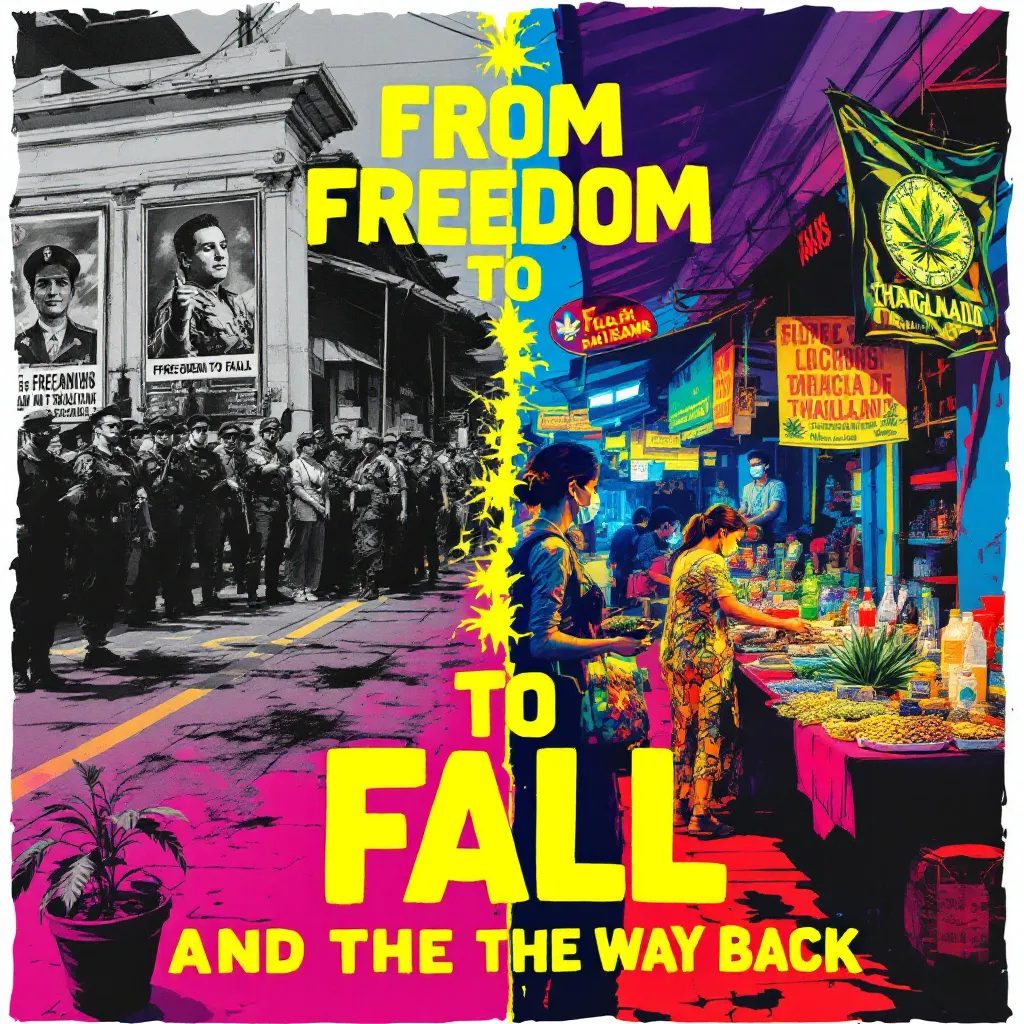
  • From Promise to Poverty: How Corruption and Centralized Control Crippled the Philippines

    Once hailed as the second wealthiest nation in Asia after Japan, the Philippines was poised for greatness in the mid-20th century. With a strategic location, abundant natural resources, and a strong post-war recovery, the country had all the ingredients for economic success. But today, it ranks among Southeast Asia’s most poverty-stricken nations.

    So, what went wrong?

    The Roots of Decline: Corruption, Control, and Cronyism

    The answer lies in decades of political corruption, authoritarian rule, and a moralistic state that stifled economic freedom and individual liberty.

    Open bribery and institutional graft became normalized, infecting every level of government. Public contracts, licenses, and even basic services were often tied to political favors or outright payoffs. This culture of corruption drained resources away from infrastructure, education, and innovation.

    During the Marcos regime (1972–1981), martial law was imposed under the guise of restoring order. In reality, it centralized power, crushed dissent, and enabled widespread theft of public funds. Human rights abuses were rampant. Free press and political opposition were dismantled. All in the name of “discipline” and eliminating “mortal sins.”

    The state’s obsession with moral policing came at the cost of real freedom. Rather than encouraging voluntary exchange and self-governance, the government dictated what was acceptable behavior. The war on so-called vices became an excuse for expanding authoritarian control.

    The government created an environment where only those with political connections could succeed. Entrepreneurs were blocked by red tape, taxes, and arbitrary regulations. The result? Widespread poverty, a shrinking middle class, and mass migration of talent overseas.

    A Brief Golden Era

    In the years immediately after World War II, the Philippines had one of the most promising economies in Asia. Its infrastructure was among the most developed, its education system was advanced, and English proficiency opened up trade and cooperation with the West. There was hope that the country could serve as a model for post-colonial development in the region.

    In the 1950s and 1960s, many countries in Asia were still recovering or struggling to industrialize. The Philippines stood out with its democratic institutions and relatively strong economy. It was a magnet for foreign investment, and many economists believed it was only a matter of time before it caught up with Japan.

    However, as other countries pursued market-based reforms, strengthened their institutions, and cracked down on corruption, the Philippines moved in the opposite direction. Power became more centralized, elections turned into charades, and policies were crafted to enrich elites at the expense of everyone else.

    The Marcos Years: A Turning Point

    Ferdinand Marcos came to power in 1965. By 1972, citing threats of communist insurgency, he declared martial law. This period would become one of the darkest in the country’s history. Civil liberties were suspended, media was censored, and political opponents were jailed, tortured, or disappeared.

    At the same time, the Marcos family and their cronies looted the nation’s wealth. Billions of dollars were siphoned off through fake projects, ghost corporations, and overpriced infrastructure. The country borrowed heavily from international lenders, enriching a few while burdening the many.

    Despite occasional economic upticks driven by foreign debt and remittances, real development stalled. Schools declined. Health care became more inaccessible. The public transport system crumbled. Basic services, once taken for granted, became scarce or corrupt.

    Underneath all this was a growing culture of fear and obedience. Martial law wasn’t just a political move; it was a cultural reset. Citizens learned to stay silent, avoid confrontation, and accept the state’s authority even when it was abusive or incompetent.

    Post-Marcos: A Missed Opportunity

    The 1986 People Power Revolution ousted Marcos and was hailed as a triumph of democracy. But while the people changed the figurehead, the system remained largely the same. Corruption persisted, though less overt. Elitist politics dominated. Oligarchic control over land, media, and commerce continued.

    Despite a return to electoral democracy, the Philippines never fully transitioned to a free market. It retained a bloated bureaucracy and a paternalistic government structure. Reforms were often watered down or blocked altogether.

    Many politicians promised change but delivered more of the same. Infrastructure lagged behind. The business climate remained hostile. Entrepreneurs continued to be strangled by permits, taxes, and unpredictable regulations.

    From Promise to Poverty

    The economic consequences were devastating. From being a rising star, the Philippines fell behind its neighbors. Countries like South Korea, Singapore, and more recently, Vietnam and Thailand outpaced it in terms of GDP growth, investment, and living standards.

    According to Seasia.co’s 2022-2023 report, the Philippines now suffers one of the highest poverty rates in Southeast Asia. This is not due to lack of resources or capability. It is a failure of governance and ideology.

    The World Bank estimates that over 20% of the population lives below the national poverty line. Millions more hover just above it, vulnerable to even minor economic shocks. Meanwhile, an estimated 2 million Filipinos leave the country each year to find work abroad. This brain drain weakens the local economy and breaks up families.

    The tragedy is that it didn’t have to be this way.

    A Path Forward: Decentralization, Liberty, and Market Innovation

    To break this cycle, the Philippines must shift away from centralized control and embrace individual liberty and economic freedom.

    Here are some key reforms that could spark a turnaround:

    1. End Authoritarian Legal Structures

    The martial law doctrine should be permanently rejected. Power must be returned to local communities and individuals. Decentralized governance allows for accountability and innovation at the grassroots level.

    Regions should be given more autonomy to manage their resources, craft local policies, and attract investment. The more decision-making power is concentrated in Manila, the harder it is to respond to the unique needs of different areas.

    2. Decriminalize Cannabis and Natural Liberties

    Following Thailand’s example, the decriminalization of cannabis could open up new industries, create jobs, and promote health freedom. Rather than punishing peaceful choices, the state should focus on protecting life, liberty, and property.

    Thailand’s recent decision to legalize cannabis for medical and recreational use has sparked a boom in agribusiness and tourism. There’s no reason the Philippines can’t do the same. Instead of locking up people for possession, the country could generate revenue, stimulate rural economies, and invest in education and health.

    3. Dismantle Crony Capitalism

    True free markets mean dismantling monopolies protected by government connections. Level the playing field by reducing red tape, eliminating favoritism, and empowering entrepreneurs through deregulation.

    Right now, many of the largest businesses in the Philippines are owned by families with deep political ties. These monopolies limit competition and keep prices high. Break them up. Encourage startups and foreign investments. Let the best ideas win.

    4. End Sin Taxes and Moral Policing

    Sin taxes don’t promote virtue; they punish the poor and fund bloated bureaucracies. Instead of trying to engineer morality, let individuals make their own choices. Voluntary exchange and personal responsibility should be the guiding principles.

    Prohibition and excessive taxation never work. Whether it’s alcohol, tobacco, or gambling, people will find a way. By legalizing and regulating these activities without punitive taxes, the state can reduce black markets and increase transparency.

    5. Encourage Innovation Through Economic Liberty

    Remove barriers to trade, reduce progressive taxation, and encourage foreign investment. Free markets, not government handouts, drive prosperity. Let the people build, trade, and innovate without interference.

    Education and technology should be at the forefront. Encourage private schools and online learning platforms. Promote coding, business, and vocational training. Let the youth build the future without being chained by old systems.

    6. Privatize Failing Institutions and Cut Government Waste

    Many state-owned enterprises in the Philippines are inefficient, corrupt, and unaccountable. Privatize them. Use the proceeds to pay down debt and invest in real public goods like roads, clean water, and broadband access.

    Audit all agencies. Cut unnecessary programs. Reallocate resources based on results, not political favors.

    Conclusion: Liberty Is the Way Forward

    The Philippines doesn’t need more government programs or moral crusades. It needs freedom. Freedom to trade, speak, innovate, and live without fear of arbitrary punishment. The failure of central planning and moral authoritarianism is clear. It’s time to trust the people.

    Economic freedom, voluntary exchange, and limited government are not just libertarian ideals. They are the proven path to prosperity.

    We’ve seen it in places like Singapore, which embraced open markets and rule of law. We see it now in Thailand, whose bold reforms are already bearing fruit. The Philippines can reclaim its lost potential. But only if it chooses liberty over control, innovation over ideology, and people over power.


    Sources:

    Spun Web Technology SMART SEO

    Spun Web Technology SMART SEO

  • The Truth Hurts: Rosie O’Donnell Apologizes After Falsely Blaming MAGA for Deadly Church Shooting

    By: Ryan “Dickie” Thompson

    Another tragic mass shooting shook the nation recently. This time, it happened inside a Minneapolis Catholic Church where children gathered for a back-to-school mass. Two kids were killed. Over a dozen others were injured. But before the facts were known—before families could even begin grieving—left-wing celebrities like Rosie O’Donnell jumped in to exploit the tragedy for political points, wrongly blaming the attack on a “white supremacist MAGA supporter.”

    Except… it wasn’t.

    The Shooter Wasn’t MAGA — He Was Trans

    The actual shooter, Robin Westman, is a trans-identifying biological male, formerly known as Robert Westman. He left behind a violent manifesto, loaded with anti-Christian hate, anti-Trump rhetoric, and crude threats—including the words “Kill Donald Trump” carved into his weapons.

    This wasn’t just random violence. This was a targeted hate crime against Christians and conservatives—something the media and political left desperately tried to hide.

    Rosie O’Donnell’s Apology: Too Little, Too Late

    Rosie O’Donnell, known for her endless rants against Trump and the MAGA movement, was forced to issue a groveling apology after falsely accusing the shooter of being a Republican white supremacist. In her own words:

    “I did not do my due diligence before I made that emotional statement… I said things about the shooter that were incorrect. I assumed, like most shooters, they followed a standard M.O. — NRA-loving gun people.”

    Let that sink in.

    Rosie admitted she assumed the shooter was MAGA—not based on evidence, but based on her own ideological prejudice. And when the truth came out, the best she could offer was a TikTok video blaming her cold sore and being “run down.”

    This is what passes for journalism and activism among Hollywood elites.

    The Media’s Pattern of Misinformation

    Rosie wasn’t alone. Mainstream outlets—from ABC to The New York Times—rushed to obscure the shooter’s gender identity and political motives. ABC even tried to imply the shooter might be “alt-right” simply because Trump’s name appeared on the gun, leaving out the critical context that the gun said “Kill Donald Trump.”

    As Jeff Mees pointed out in a viral Sky News clip:

    “This is not just an innocent mistake. It’s blatant misinformation. It’s disingenuous. It’s deceptive. It’s malicious and it’s manipulative.”

    Why does this keep happening?

    We saw it with the Nashville Covenant School shooting in 2023—also carried out by a trans-identifying individual. And again, media coverage quickly pivoted to protect the ideology rather than investigate the motive.

    Trans Mass Shooters Are Statistically Overrepresented

    Let’s get real.

    According to per capita data from the past decade, trans-identifying individuals commit mass shootings at a rate significantly higher than any other demographic group. This isn’t a talking point. It’s math.

    Yet the media treats any mention of this trend as “hateful” or “bigoted.” They’d rather label law-abiding gun owners and conservatives as terrorists than confront an uncomfortable truth: affirming mental illness doesn’t make people safer. It can make them violent.

    And that’s exactly what happened in Minneapolis.

    The Shooter’s Background: Affirmation, Not Rejection

    Robin Westman wasn’t bullied or abandoned. His mother worked at the very school where the attack took place. His family fully supported his gender transition, even helping him legally change his name in court. His uncle, a public official, actively pushed LGBTQ+ policies in Minnesota.

    In short, Westman was “affirmed” every step of the way—yet still murdered innocent children in cold blood.

    Why? Because affirmation doesn’t cure delusion. It enables it.

    Government Gaslighting: Mayor Jacob Frey’s Shameful Response

    Instead of mourning the dead or confronting the ideological hatred that fueled the shooting, Minneapolis Mayor Jacob Frey took to the podium to deliver a nauseating display of woke deflection.

    “Anybody using this as an opportunity to villainize our trans community… has lost their sense of common humanity.”

    Excuse me?

    Two Catholic children were just gunned down during a mass. Their classmates are fighting for their lives. And the mayor’s first instinct is to protect the reputation of the trans community rather than address the actual threat?

    He even mocked the idea of prayer, saying:

    “These kids were literally praying when they were killed… Don’t just say this is about thoughts and prayers.”

    That’s not leadership. That’s ideological propaganda.

    Rosie’s “MAGA Shooter” Lie Is Part of a Pattern

    Let’s not forget: this isn’t Rosie O’Donnell’s first time spreading lies about conservatives. She once called Trump a Nazi. She’s accused Republican voters of racism, sexism, and treason. And she’s not alone. The left-wing playbook always looks the same:

    1. A tragedy occurs.
    2. Blame MAGA.
    3. Ignore facts.
    4. Shift focus to “hate speech” or gun control.
    5. Play victim if called out.

    But what makes this case especially vile is that the real motive—hatred of Christians and Trump supporters—was not only ignored, it was flipped. The victims were painted as the aggressors. The shooter was treated as the misunderstood.

    Christians and Conservatives: The New Scapegoats

    Let’s call this what it is: transgender terrorism driven by anti-Christian, anti-American ideology—enabled by weak leadership and dishonest media.

    And while Rosie backtracked, the broader machine hasn’t missed a beat. Social media platforms shadowban any post mentioning the shooter’s gender. News anchors wring their hands over “misinformation” while ignoring actual threats.

    Why?

    Because to the establishment, Christians and conservatives are easier to blame. We don’t riot. We don’t burn cities. We don’t get violent. So we’re safe targets.

    Meanwhile, radicals get cover. They get praised. They get parades and press conferences.

    The Dangerous Cost of Ignoring Reality

    When Rosie O’Donnell and the media jump to blame MAGA every time tragedy strikes, they create a climate of hate against conservatives that justifies more violence.

    And when that violence comes—from trans activists, Antifa mobs, or radicalized ideologues—it’s buried.

    This isn’t just about bias. It’s about safety.

    • What happens the next time a disturbed activist walks into a church with a manifesto?
    • What happens when police hesitate to act because they’re afraid of being labeled “transphobic”?
    • What happens when facts become hate speech?

    Enough Is Enough

    We don’t need more apologies from celebrities like Rosie O’Donnell. We need accountability.

    We need politicians who protect children—not ideologies.

    We need media outlets that report facts—not feelings.

    And we need to stop pretending that pretending fixes things.

    Trans-identifying individuals are not above criticism. If data shows they are statistically more likely to commit mass violence, then that fact must be discussed—openly, honestly, and without apology.

    It is not bigotry to tell the truth.

    What happened at the Annunciation Catholic Church is not just a tragedy. It’s a wake-up call.

    Let’s hope America finally hears it.


    Sources:

    Spun Web Technology SMART SEO

    Spun Web Technology SMART SEO