Category: Culture

  • Elon Musk Parental Alienation: The Woke Machine vs. The Family

    Elon Musk, Parental Alienation, and the War Over the Family

    By Ryan “Dickie” Thompson

    Elon Musk can build rockets, electric cars, satellites, payment systems, and social media platforms.

    But like millions of other parents, he cannot force a broken family bond back together.

    That is the part nobody wants to say out loud.

    The Musk story is not only about wealth, fame, gender politics, or online fights. It is also about a deeper problem: the modern war over the family. Parents are being replaced by institutions. Children are being pulled into political tribes. Courts, schools, media, activists, and algorithms all seem ready to step between parent and child.

    That does not mean every parent is innocent. It does not mean every child is wrong. It means the family is no longer protected as a private unit. It is treated like public property.

    That is where parental alienation enters the picture.

    Elon Musk and Vivian Wilson

    Elon Musk’s estranged daughter, Vivian Jenna Wilson, legally changed her name and gender in 2022. In court filings, she said she did not want to be related to Musk “in any way, shape or form.” That is a brutal sentence for any father to read. It does not matter if the father is broke or worth hundreds of billions. That cuts deep.

    Musk has blamed the split, at least in part, on ideology. In a 2022 Financial Times interview, he said Vivian had been influenced by “neo-Marxists” at elite schools. He said there was a belief that “if you’re rich, you’re evil.”

    Then in 2024, Musk went further. In an interview with Jordan Peterson, he said his child had been “killed by the woke mind virus.” He also claimed he was tricked into signing medical documents related to gender care when Vivian was a minor. Vivian pushed back hard and said Musk knew what he was doing. She also accused him of being absent and hostile toward her identity.

    So let’s be clear.

    Musk has one version.

    Vivian has another.

    The public does not know every private fact inside that family. We should not pretend we do.

    But we can still talk about the bigger issue.

    Parental Alienation Is Real

    Parental alienation happens when a child is turned against a parent through pressure, fear, lies, manipulation, or one-sided influence.

    Sometimes it comes from an ex-spouse.

    Sometimes from a school.

    Sometimes from activists.

    Sometimes from therapists.

    Sometimes from the internet.

    Sometimes from the parent’s own mistakes.

    And sometimes it is a mix of all of it.

    The point is simple: children are easy to influence. That is why parents matter. That is why family bonds matter. That is why the state should not casually step into the home and act like it knows best.

    When a child is taught that a parent is evil because of money, politics, religion, sex, identity, class, or social status, that is not education. That is programming.

    When a father is reduced to a political symbol instead of treated like a human being, that is not healing. That is ideological warfare.

    The State Makes It Worse

    Family court is one of the most powerful and least accountable parts of government.

    A judge can decide where your child sleeps.

    A court can decide when you see your own kid.

    A custody order can turn a parent into a visitor.

    Lawyers can drain the family bank account.

    False claims can destroy reputations.

    Real abuse can be ignored.

    And children get stuck in the middle.

    Musk has also been in a public custody fight with Grimes, whose legal name is Claire Boucher. Business Insider reported that their Texas custody dispute was resolved in 2024 after nearly a year of litigation. The case involved their three children and dueling legal fights over where the case should be handled.

    Grimes later claimed she did not see one of her children for five months during the custody battle. She also described fighting with fewer resources than Musk.

    Again, we do not know every private detail.

    But we do know this: family court gives the state massive power over parents.

    That should bother anyone who believes in liberty.

    The Disruptarian Take

    The family is the first voluntary society.

    Before government, there is family.

    Before school, there is family.

    Before ideology, there is family.

    A free society cannot survive when the state, the school system, and political movements train children to see parents as enemies.

    This does not mean parents own their kids. Children are not property. But children are also not political raw material for the ruling class.

    Parents have rights because they have duties.

    They feed, protect, teach, sacrifice, and show up.

    When the system breaks that bond without clear proof of abuse or danger, it is not protecting children. It is replacing parents.

    That is the real danger in the Musk story.

    You can hate Musk. You can love Musk. You can think he is a genius, a troll, a bad father, a victim, or all of the above.

    But the issue is bigger than one billionaire.

    If the richest man in the world can get swallowed by family conflict, court fights, public attacks, and ideological warfare, what chance does the average father have?

    What chance does a mother have when she lacks money, lawyers, or media power?

    What chance does a kid have when every adult around them is fighting for control?

    Parental Rights Need a Comeback

    We need a culture that puts family before politics.

    We need courts that assume both fit parents matter.

    We need schools that teach reading, math, history, and science, not political loyalty.

    We need less state power in family life.

    We need more due process.

    We need to stop treating fathers like optional guests.

    We need to stop treating mothers like automatic villains or automatic saints.

    And we need to stop using children as weapons in adult wars.

    Musk’s story is messy because human life is messy. But the lesson is not complicated.

    A society that lets ideology replace family will not stay free for long.

    The state should not raise your kids.

    The mob should not raise your kids.

    The algorithm should not raise your kids.

    Parents should raise their kids, unless they prove they are truly unfit.

    That is not radical.

    That is civilization.

    Sources

    Spun Web Technology SMART SEO
    Spun Web Technology SMART SEO

  • 2011 Cannabis Activism: Work, Family, Real Story

    Throwback to 2011: Work, Family, Cannabis Activism, and the Real Story

    2011 cannabis activism was not a trend for me. It was my real life.

    Back then, I was working long hours, raising a family, caring for my grandmother, and fighting for cannabis decriminalization. I was also working as an engineer at Talyst Inc. My weeks were brutal. Around 96 hours a week brutal.

    This was before divorce.

    Before disability insurance.

    Before the car accident that changed my body and my future.

    Before people tried to rewrite my life with rumors.

    I am posting this throwback because people deserve the truth. My kids deserve the truth. And I deserve to tell my own story before someone else turns it into a weapon.

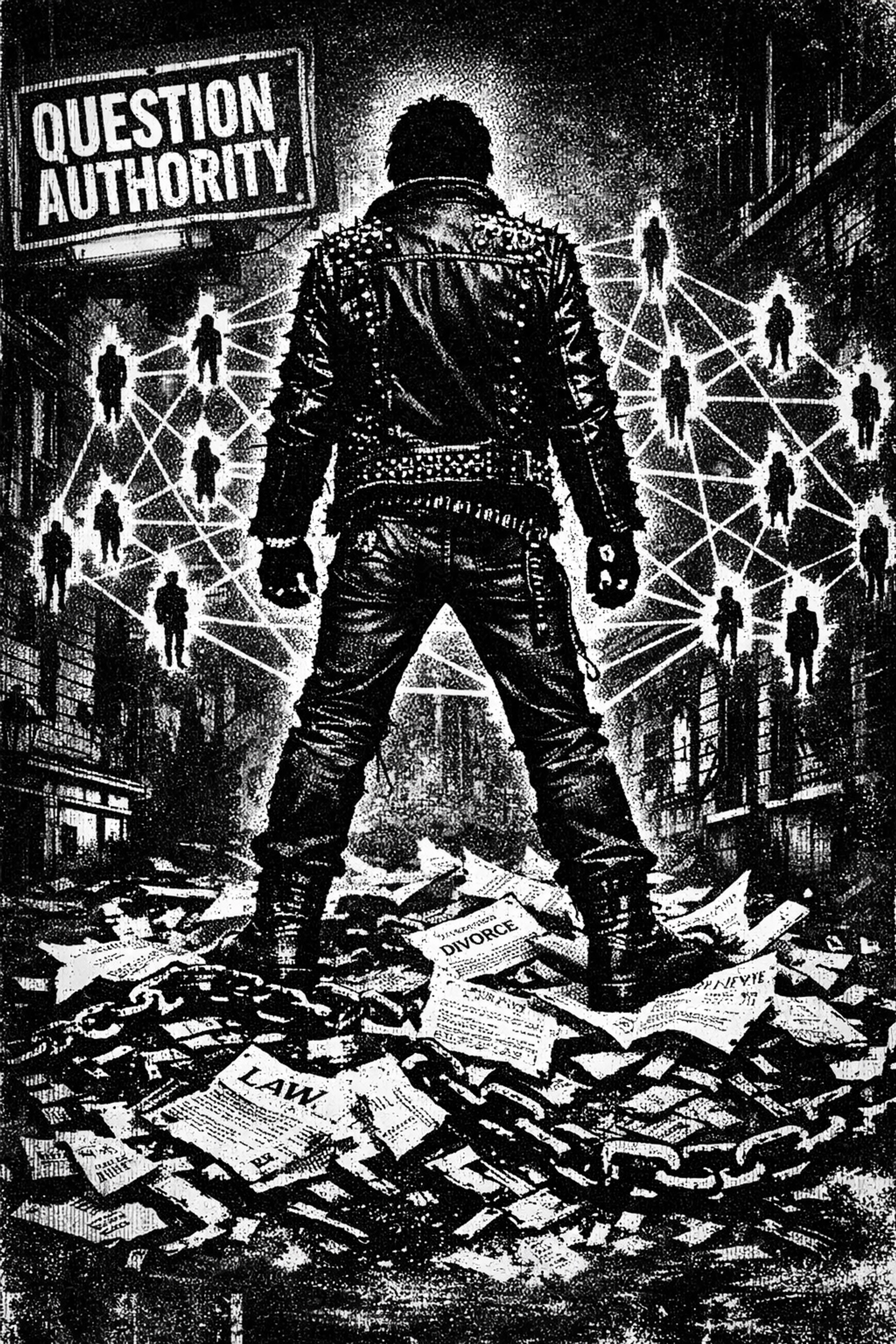
    2011 Cannabis Activism Was Personal

    In 2011, cannabis activism was not safe or easy. It could cost you your job, your name, your family ties, and your peace.

    I spoke out anyway.

    I was a medical cannabis user. I used cannabis for cluster headaches and real pain. But this was never just about me. It was about the basic right to own your body.

    The state should not treat peaceful people like criminals over a plant. A working father should not have to hide because he uses cannabis. A patient should not be forced into fear because politicians want control.

    That is why cannabis decriminalization mattered to me.

    I was not asking the government for a favor. I was standing on a principle.

    Free people own themselves.

    Work, Family, and the Real Story

    One of the ugliest lies people tell about me is that I did not work.

    That is false.

    I have worked since I was a kid. I dug ditches at 14. I swept floors. I passed out flyers. I babysat. I hustled because that was life.

    As an adult, I worked in tech. I worked for Microsoft. I worked in dental software support and development. I worked for communication companies. I ran businesses. I had brick-and-mortar tech stores. I fixed systems, serviced hardware, wrote code, ran cable, and helped businesses keep their technology alive.

    In 2011, I was working insane hours as an engineer. I was also doing side work, building websites, and trying to hold a family together.

    That is not lazy.

    That is a man grinding.

    That is a man trying to provide.

    Fatherhood Before Divorce

    Before divorce changed the story, I was a father in the middle of real family life.

    There were kids, bills, work, stress, meals, school, and all the normal chaos that comes with raising a family. We were not rich. We were not perfect. But we were living real life.

    I was also helping care for my grandmother, who lived with us. My wife at the time did a lot there too, and I said that then. I will say it now. Credit where it is due.

    At that time, I believed we were a team.

    That is part of the record too.

    People forget that divorce can turn memories into weapons. One day you are family. Later, the same history gets twisted into court stories, gossip, and character attacks.

    But the past still happened.

    The work happened.

    The family happened.

    The fatherhood happened.

    Cannabis Decriminalization and Civil Liberty

    My 2011 cannabis activism was tied to a bigger fight: civil liberty.

    I had already been arrested during a legalization protest in Springville, Utah for using the streets without a permit. After that, an old 1968 city law was repealed. People no longer needed that permit to protest.

    That matters.

    That is what happens when regular people stop begging for permission and start acting like free citizens.

    Cannabis laws were never just about cannabis. They were about police power. They were about control. They were about whether the government owns your body, your medicine, your habits, and your choices.

    I reject that kind of control.

    I believed then, and I believe now, that peaceful people should be left alone.

    Before Disability and the 2013 Crash

    Two years after that 2011 video, my life changed.

    In 2013, I was in a horrific car accident near Talent, Oregon. A woman pulled out in front of me. My car was destroyed. My body was damaged. My future changed fast.

    That wreck did not erase my past.

    It did not erase the years I worked.

    It did not erase the businesses I built.

    It did not erase my family life.

    It did not erase my cannabis activism.

    But after a wreck like that, life is different. Pain changes things. Injury changes things. Disability changes things. Insurance changes things. People who do not understand it often judge it from the outside.

    Some act like disability means you quit.

    It does not.

    A man can be injured and still have been a worker.

    A man can be on disability and still have been a provider.

    A man can be damaged by a crash and still deserve the truth.

    The Father’s Day Video Matters

    In 2015, my ex-wife made me a Father’s Day video.

    That matters because it was after the crash and before the divorce.

    She interviewed our children. The video was made for me as their father. It shows a different record than the one people try to push later.

    No video can explain a whole life. But video does not care about later bitterness. It captures a moment.

    That moment matters.

    It shows that before the divorce, before the slander as I see it, before the attacks, I was not the cartoon villain some people want me to be.

    I was Dad.

    Why I Am Sharing This Throwback

    I am sharing this because the truth needs a record.

    People can say anything. They can twist stories. They can leave out dates. They can ignore work history. They can pretend injury is laziness. They can act like a father never showed up, even when the record says different.

    That is why I said it then, and I still say it now:

    Verify the data before you believe it.

    Do not trust gossip just because it is loud.

    Do not trust a story just because it is repeated.

    Do not trust a bitter claim just because it sounds dramatic.

    Look at the record.

    In 2011, I was working around 96 hours a week. I was raising kids. I was helping care for my grandmother. I was working as an engineer. I was building websites. I was speaking out for cannabis decriminalization. I was standing up for liberty when it cost something.

    That is the real story.

    The Real Story Is Still Mine

    This throwback is not about revenge.

    It is about memory.

    It is about truth.

    It is about refusing to let divorce, disability, or rumors erase the life I actually lived.

    I was not perfect. I had a past. I made mistakes. I said things rough. I lived hard. I learned a lot the hard way.

    But I worked.

    I provided.

    I fought for freedom.

    I was a father.

    And my 2011 cannabis activism was part of a much bigger life story: work, family, pain, survival, and the fight to be free.

    That story still belongs to me.

    Sources

    Spun Web Technology SMART SEO
    Spun Web Technology SMART SEO
  • When Divorce Turns Kids Against a Parent: Parental Alienation and Family Court Damage

    When Divorce Turns Kids Against a Parent: Parental Alienation and Family Court Damage

    Disruptarian featured image for When Divorce Turns Kids Against a Parent: Parental Alienation and Family Court Damage

    Verified at: 2026-06-20 13:04:34

    When Divorce Turns Kids Against a Parent: Parental Alienation and Family Court Damage is the kind of subject that fits the Disruptarian lane because it sits where independent media, culture, music, and political commentary collide.

    The source description frames it this way: Parental alienation is not just divorce drama. It is the quiet destruction of trust between a child and a parent, and it happens when adult conflict turns children into messengers, shields, trophies, or emotional weapons. Ryan Thompson breaks down how co-parenting conflict, family court pressure, identity confusion, and weaponized storytelling can poison a child's view of one parent. This Disruptarian commentary argues for truth, boundaries, accountability, and the right of children to love both parents without being forced into adult battles. Original source video: https://www.youtube.com/watch?v=oQ_HD5DE-UU Disruptarian: https://www.disruptarian.com

    The useful question is not only what happened, but why the story matters to people who distrust scripted narratives, recycled outrage, and corporate-approved commentary.

    A Disruptarian reading starts with individual agency. The listener is not asked to accept a packaged conclusion. The point is to pull the claim apart, compare incentives, and look for the pressure points that legacy media often skips.

    That approach matters for libertarian radio commentary because the audience is usually looking for more than a headline. They want context, motive, contradiction, and a practical sense of how public stories become private consequences.

    The cultural layer is just as important. Disruptarian music and reggae punk energy are not decorations around the message. They give the work its rhythm: skeptical, confrontational, and rooted in the idea that speech should stay alive even when institutions prefer silence.

    For search readers arriving cold, the primary source is included below either as an embed or as a direct source link. Start there if you want the full tone, timing, and argument. The written analysis expands the title and description into a searchable article that can stand on its own.

    The strongest SEO value here is clarity. The article keeps the title language visible, uses descriptive headings, and connects the topic to Disruptarian Radio, independent media, libertarian commentary, political culture, and original music without stuffing the page with empty repetition.

    The larger takeaway is simple: independent commentary survives by documenting what was said, preserving the source, and adding a point of view that does not depend on permission from gatekeepers.

    That is why this post exists as part of the static Disruptarian archive. The video remains embedded, the title and description remain traceable, and the surrounding article gives search engines and readers enough context to understand why the episode belongs in the broader Disruptarian catalog.

    The title itself carries the first keyword signal, but a durable post needs more than a copied headline. It needs a clear H1, a concise meta description, a featured image with descriptive alt text, and enough editorial framing for readers to know why the video is part of this archive.

    From an independent media perspective, the value is in keeping the primary source visible. Embedding the video prevents the article from becoming detached commentary. Readers can compare the written interpretation against the actual recording and decide whether the argument holds up.

    The libertarian angle is not automatic partisanship. It is a suspicion of concentrated power, public manipulation, and narratives that ask citizens to outsource judgment. That suspicion applies to government, platforms, corporations, activist institutions, and media brands alike.

    Disruptarian Radio also treats culture as evidence. Music, political language, online mobs, censorship fights, moral panics, and personal stories all reveal where pressure is being applied. That is why a radio episode can be more than entertainment; it can become a record of a moment.

    For listeners who follow DJ Disruptarian, the same pattern shows up in the music catalog: reggae rhythm, punk edge, spiritual critique, and anti-authoritarian instinct. The written post keeps that identity attached to the video instead of letting it disappear into a platform feed.

    Good SEO on a page like this should help people find the conversation without flattening the voice. The article uses natural phrases such as Disruptarian Radio, independent media, libertarian podcast, political commentary, original music, and disruptive conversations only where they make sense.

    The featured image should follow the Disruptarian editorial-collage style: torn paper, smoke, halftone grit, dirty cream paper, black and oxblood pressure, muted gold accents, and symbolic props tied to the subject rather than generic filler. Its alt text names the subject so search engines and screen readers get useful context.

    The article also keeps a stable URL under the static blog. That matters because feeds move, platforms change embeds, and social links decay. A static post gives the episode a second home that can be indexed, backed up, linked, and reviewed later.

    The final point is documentation. When a channel publishes a new video, the title and description are often the only structured metadata available. Turning that metadata into a post creates a stronger archive without pretending to replace the original recording.

    This is the practical Disruptarian method: preserve the video, state the source, add commentary, keep the searchable terms honest, and let the reader move between the embedded media and the written analysis without friction.

    This additional context keeps the post useful for readers who arrive from search rather than from the original channel. It explains the source, preserves the embed, and connects the subject back to the larger Disruptarian archive.

    This additional context keeps the post useful for readers who arrive from search rather than from the original channel. It explains the source, preserves the embed, and connects the subject back to the larger Disruptarian archive.


    The shortlink was copied to your clipboard

    X
    f
    r

    Related Reading

    Similar posts


    Disruptarian Blog

    2026-06-22

    Disruptarian Blog

    Disruptarian commentary on What Parental Alienation Really Looks Like with embedded source video, independent media context, and libertarian radio analysis.

  • Cultural Marxism, Feminism & the Family: Rogan, Rachel Wilson and the Free Market

    Cultural Marxism, Feminism & the Family: Rogan, Rachel Wilson and the Free Market

    Disruptarian featured image for Cultural Marxism, Feminism & the Family: Rogan, Rachel Wilson and the Free Market

    Verified at: 2026-06-20 11:10:02

    Cultural Marxism, Feminism & the Family: Rogan, Rachel Wilson and the Free Market is the kind of subject that fits the Disruptarian lane because it sits where independent media, culture, music, and political commentary collide.

    The source description frames it this way: A Rumble-focused commentary on Joe Rogan, Rachel Wilson, cultural Marxism, feminism, family structure, and the free market. This version frames the discussion around how ideological movements reshape family life, economic behavior, personal responsibility, and the incentives that hold communities together.

    The useful question is not only what happened, but why the story matters to people who distrust scripted narratives, recycled outrage, and corporate-approved commentary.

    A Disruptarian reading starts with individual agency. The listener is not asked to accept a packaged conclusion. The point is to pull the claim apart, compare incentives, and look for the pressure points that legacy media often skips.

    That approach matters for libertarian radio commentary because the audience is usually looking for more than a headline. They want context, motive, contradiction, and a practical sense of how public stories become private consequences.

    The cultural layer is just as important. Disruptarian music and reggae punk energy are not decorations around the message. They give the work its rhythm: skeptical, confrontational, and rooted in the idea that speech should stay alive even when institutions prefer silence.

    For search readers arriving cold, the primary source is included below either as an embed or as a direct source link. Start there if you want the full tone, timing, and argument. The written analysis expands the title and description into a searchable article that can stand on its own.

    The strongest SEO value here is clarity. The article keeps the title language visible, uses descriptive headings, and connects the topic to Disruptarian Radio, independent media, libertarian commentary, political culture, and original music without stuffing the page with empty repetition.

    The larger takeaway is simple: independent commentary survives by documenting what was said, preserving the source, and adding a point of view that does not depend on permission from gatekeepers.

    That is why this post exists as part of the static Disruptarian archive. The video remains embedded, the title and description remain traceable, and the surrounding article gives search engines and readers enough context to understand why the episode belongs in the broader Disruptarian catalog.

    The title itself carries the first keyword signal, but a durable post needs more than a copied headline. It needs a clear H1, a concise meta description, a featured image with descriptive alt text, and enough editorial framing for readers to know why the video is part of this archive.

    From an independent media perspective, the value is in keeping the primary source visible. Embedding the video prevents the article from becoming detached commentary. Readers can compare the written interpretation against the actual recording and decide whether the argument holds up.

    The libertarian angle is not automatic partisanship. It is a suspicion of concentrated power, public manipulation, and narratives that ask citizens to outsource judgment. That suspicion applies to government, platforms, corporations, activist institutions, and media brands alike.

    Disruptarian Radio also treats culture as evidence. Music, political language, online mobs, censorship fights, moral panics, and personal stories all reveal where pressure is being applied. That is why a radio episode can be more than entertainment; it can become a record of a moment.

    For listeners who follow DJ Disruptarian, the same pattern shows up in the music catalog: reggae rhythm, punk edge, spiritual critique, and anti-authoritarian instinct. The written post keeps that identity attached to the video instead of letting it disappear into a platform feed.

    Good SEO on a page like this should help people find the conversation without flattening the voice. The article uses natural phrases such as Disruptarian Radio, independent media, libertarian podcast, political commentary, original music, and disruptive conversations only where they make sense.

    The featured image should follow the Disruptarian editorial-collage style: torn paper, smoke, halftone grit, dirty cream paper, black and oxblood pressure, muted gold accents, and symbolic props tied to the subject rather than generic filler. Its alt text names the subject so search engines and screen readers get useful context.

    The article also keeps a stable URL under the static blog. That matters because feeds move, platforms change embeds, and social links decay. A static post gives the episode a second home that can be indexed, backed up, linked, and reviewed later.

    The final point is documentation. When a channel publishes a new video, the title and description are often the only structured metadata available. Turning that metadata into a post creates a stronger archive without pretending to replace the original recording.

    This is the practical Disruptarian method: preserve the video, state the source, add commentary, keep the searchable terms honest, and let the reader move between the embedded media and the written analysis without friction.

    This additional context keeps the post useful for readers who arrive from search rather than from the original channel. It explains the source, preserves the embed, and connects the subject back to the larger Disruptarian archive.

    This additional context keeps the post useful for readers who arrive from search rather than from the original channel. It explains the source, preserves the embed, and connects the subject back to the larger Disruptarian archive.

    This additional context keeps the post useful for readers who arrive from search rather than from the original channel. It explains the source, preserves the embed, and connects the subject back to the larger Disruptarian archive.

    This additional context keeps the post useful for readers who arrive from search rather than from the original channel. It explains the source, preserves the embed, and connects the subject back to the larger Disruptarian archive.


    The shortlink was copied to your clipboard

    X
    f
    r

    Related Reading

    Similar posts


    Disruptarian Blog

    2026-06-20

    Disruptarian Blog

    Disruptarian commentary on A Father Stands on Truth: Gender, Parenting & Free Speech from Eugene, Oregon with embedded source video, independent media context, and libertarian radio analysis.

  • Disruptarian Radio Standing My Ground on Gender, Truth, and Parenting: A Father’s Perspective from Eugene, Oregon

    In this personal story from Eugene, Oregon, I talk about family conflict, gender identity, and why I refuse to abandon basic biology and truth. This is about parenting, personal integrity, and staying true to your beliefs even when it costs you. I explain why I don’t use preferred pronouns, how it impacts my relationship with my kids, and why I believe society is pushing harmful ideas. This is not about hate, it’s about reality, responsibility, and freedom to think for yourself.

    Spun Web Technology SMART SEO

    Spun Web Technology SMART SEO

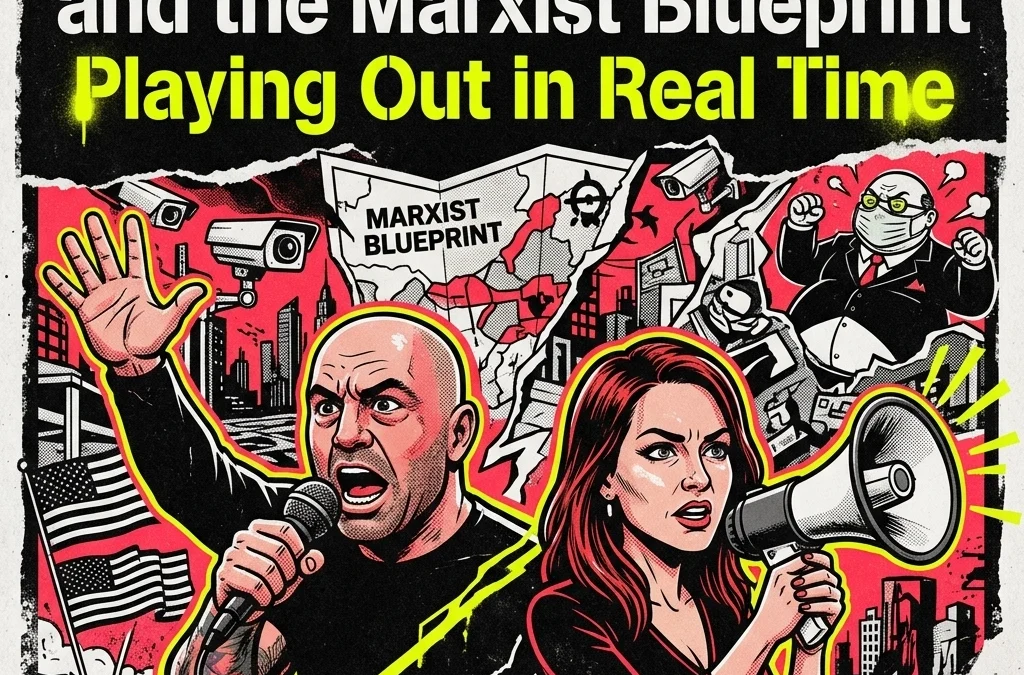
  • Joe Rogan Rachel Wilson Cultural Marxism: How Feminism Reshaped Family, Work, and Society

    Commentary by Ryan “Dickie” Thompson

    I sat through the full episode of The Joe Rogan Experience #2460, and I’m telling you straight, this one sticks with you.


    Not because it’s polished. Not because it’s safe.

    Because it connects dots most people don’t want connected.

    Rachel Wilson is not just talking about feminism. She’s talking about something deeper. A shift in how society is structured, how families work, and how power moves. And if you’ve been paying attention, not just reading books but living life, you can feel it.

    I can.

    A lot of what she said hit close to home. Not abstract. Not theoretical. Real.

    The Split Reality Problem

    One thing that stood out early in the conversation was how Wilson grew up between two worlds. One parent grounded in work, responsibility, building something. The other rooted in Marxist thinking, resentment, and this constant sense of injustice.

    That contrast matters.

    Because that is not just her story. That is modern America in a nutshell. You’ve got two competing systems:

    1. One built on effort, trade, and personal responsibility.
    2. One built on grievance, redistribution, and ideological struggle.

    And people bounce between them trying to figure out what’s real. That tension shows up in the transcript too. You can hear it clearly when she talks about seeing how effort actually plays out in real life, even as a kid. That’s something no theory can override.

    Reality always wins. Whether you’re looking at the incredible work ethic often seen in immigrant communities or the slow decay of the rust belt, the results don’t lie.

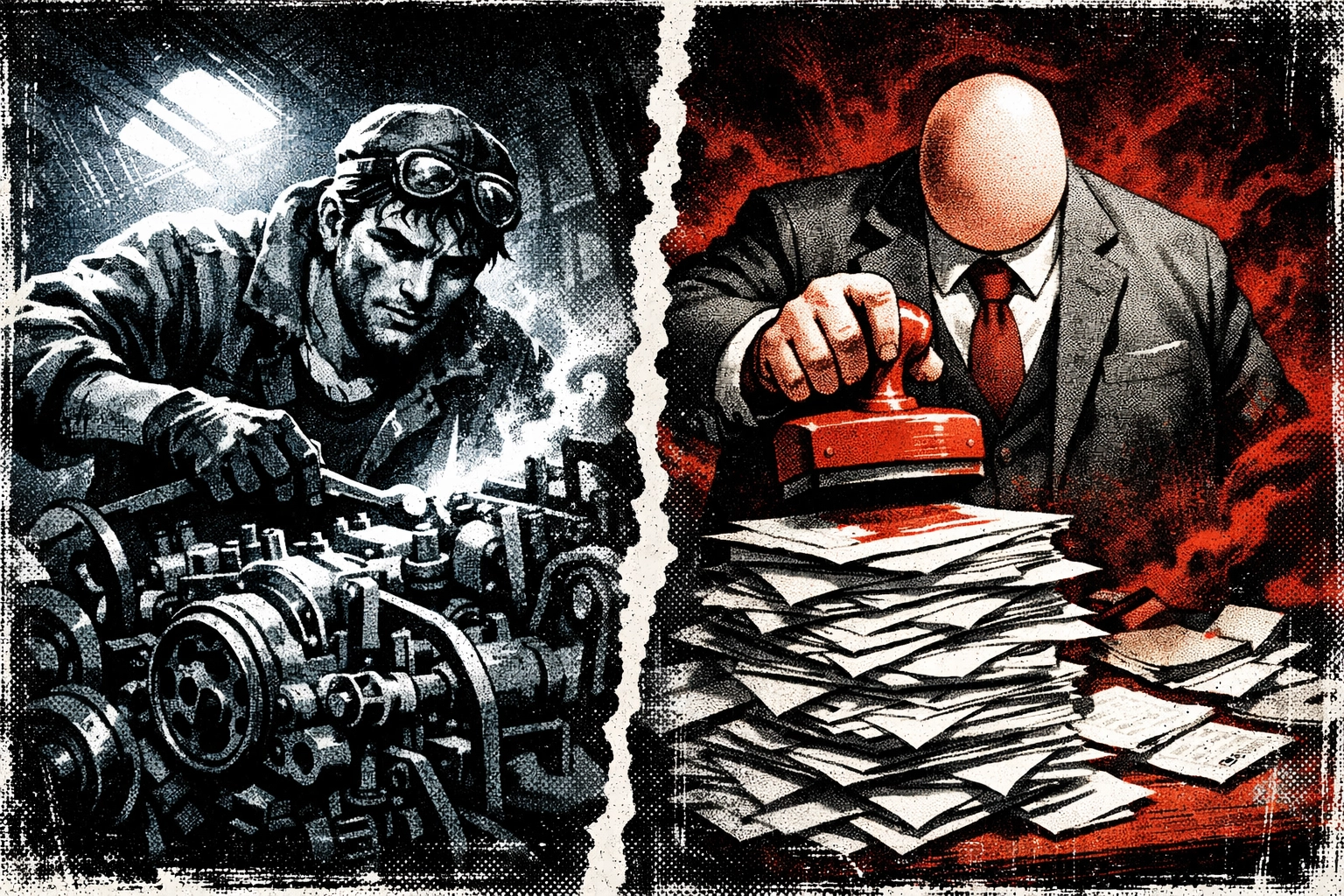
    Dystopian split-screen showing a hardworking laborer versus a bloated government bureaucrat.

    Cultural Marxism: The Long Game

    Let’s talk about the thing most people avoid: Cultural Marxism.

    Not the buzzword version. The real one.

    When you go back to The Communist Manifesto, Marx was not just talking about economics. He was talking about restructuring society from the ground up. And one of the biggest obstacles to that?

    The family.

    Marx and Engels wrote openly about the need to dissolve traditional family structures. Not necessarily overnight, but over time. Why? Because the family is a decentralized unit. It creates:

    • Loyalty outside the state.
    • Economic independence.
    • Cultural continuity.

    If you want centralized control, you cannot have strong families. So what do you do? You don’t attack the family directly. That would fail. You reshape culture. Slowly.

    Enter Feminism as a Vehicle

    This is where Rachel Wilson’s argument lines up with history in a way that’s hard to ignore. She’s saying feminism, especially in its later waves, became a tool for that cultural shift.

    Not necessarily at the start for everyone involved. But over time, the direction becomes clear. Look at the pattern:

    • Move women out of the home and into the workforce.
    • Redefine motherhood as optional or even limiting.
    • Reframe family roles as oppressive structures.
    • Replace community with institutions.

    She even talks about how doubling the workforce changed the entire economy. That’s not a small change. That’s a system rewrite.

    From a libertarian perspective, this is where it gets real. Because when both parents have to work just to survive, you don’t get independence. You get dependency. You become dependent on schools, daycare systems, government programs, and corporate structures.

    That is not freedom. That is managed life.

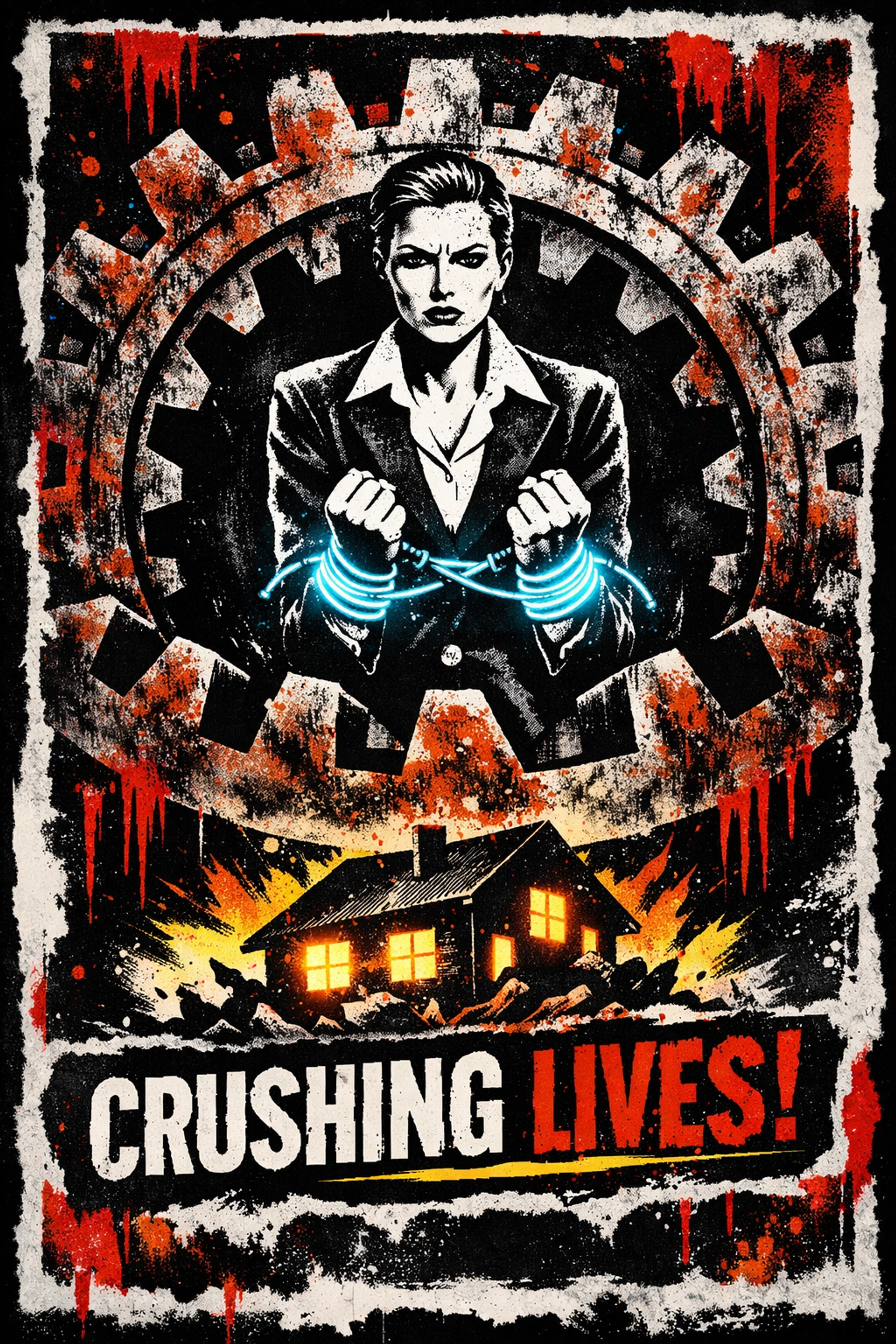
    Punk rock art depicting corporate dependency and the crushing of the traditional family unit.

    The Workforce Shift and Economic Reality

    Here’s something people don’t want to admit. When you double the labor pool, wages don’t magically double. They flatten.

    Wilson points this out clearly in the conversation. Once women entered the workforce at scale, household income didn’t rise the way people expected. Instead, it became necessary to have two incomes just to maintain the same standard of living.

    That’s a trap. And now we’re stuck in it.

    This is not about blaming women. That’s lazy thinking. This is about incentives. You change the structure, you change the outcome. When the state incentivizes the breakdown of the home through tax codes and “liberation” rhetoric, the state is the one that wins the resulting power vacuum.

    Early Marxists and the Strategy of Cultural Infiltration

    If you read early Marxist thinkers beyond just Marx, people like Engels and later theorists, the strategy becomes clearer. Economic revolution didn’t work cleanly in the West. So the focus shifted from class struggle in factories to cultural struggle in institutions.

    Schools. Media. Academia. Sound familiar?

    That’s where ideas get planted. And once those ideas become normalized, people defend them without even realizing where they came from. Wilson talks about how history itself was rewritten in women’s studies programs. That’s not conspiracy. That’s power.

    Control the narrative, control perception. Whether it’s the DOJ using surveillance to keep tabs on dissent or academic departments purging “problematic” history, the goal is the same: centralized management of the human mind.

    Surreal imagery of academic institutions entangled in red tape and state ideological control.

    The Family as the Target

    Let me say this plainly. If you weaken the family, everything else becomes easier to control. You get more isolated individuals, more reliance on systems, and less generational stability.

    That’s not theoretical. Look around. We’ve got record low birth rates, high divorce rates, and rising loneliness. And people still act like this is progress.

    It’s not that simple.

    My Take on Polygamy

    Now here’s where I’m going to lose some people, but I’m going to be honest anyway.

    I favor polygamy.

    Not as a forced system. Not as some rigid structure. As an option. I’ve even tried it, briefly.

    And here’s what I realized. Human relationships are more complex than the modern system allows. Monogamy, at least in its current rigid, legal form, is not the only way humans have organized relationships. Historically, polygamy shows up across cultures, across time. Long before modern marriage laws.

    That matters. It tells you something about human nature.

    Now, does that mean polygamy is easy? No. It’s complicated. It requires honesty, structure, and emotional control most people don’t have. But so does monogamy, if we’re being real.

    The point is not that one system is perfect. The point is we’ve been sold the idea that there is only one acceptable model, and everything else is fringe or immoral. That’s not a free society. That’s cultural enforcement.

    Gritty street art representing relationship freedom and the rejection of state-mandated social models.

    What Rogan Gets Right

    Joe Rogan plays an important role here. He doesn’t pretend to have all the answers. He listens. He questions. He pushes back just enough.

    That creates space for ideas to actually be explored. And in this episode, you can hear him wrestling with it, especially around women voting, family structure, and economic shifts. He’s not fully buying everything, but he’s not dismissing it either.

    That’s how real thinking happens. We need more of that and less of the “kill switch” mentality aimed at shutting down uncomfortable conversations.

    Where This Leaves Us

    Here’s the uncomfortable truth. We are living inside a cultural system that was built over decades. Not overnight. And not always intentionally by every person involved.

    But the direction is clear:

    • Less family cohesion.
    • More institutional dependence.
    • More ideological framing of identity.

    That lines up a little too well with early Marxist goals to just ignore. Does that mean everything is some grand plan? No. But it does mean ideas have consequences. And we are seeing them now.

    Why I Recommend Rachel Wilson’s Book

    You should read Occult Feminism: The Secret History of Women’s Liberation.

    Not because it’s perfect. Because it forces you to question things you’ve probably never questioned. And if you care about liberty, real liberty, not just slogans, you need to understand how culture shapes outcomes.

    Politics comes later. Culture comes first. Always.

    Final Thought

    This episode is not about going backward. It’s about asking:

    Joe Rogan on feminism, polygamy, communism

    Joe Rogan on feminism, polygamy, communism

    • What actually works?
    • What creates stable, free, functional societies?
    • And what happens when we tear those systems down without fully understanding why they existed in the first place?

    That’s the real conversation. And it’s one we need to keep having.

    Stay disruptive.


    Sources & References:

    Spun Web Technology SMART SEO

    Spun Web Technology SMART SEO

  • The IOC Draws a Line: Fairness, Identity, and a Culture Divided

    Something shifted over the last decade. You could feel it in the air, like the static before a lightning strike. It wasn’t just a change in policy or a new trend; it was a fundamental rewiring of how we talk to each other. I noticed it most clearly during one of the most volatile periods of my life.

    After my divorce, everything was up for re-evaluation. When your personal world collapses, you start looking at the “real” world with a much sharper lens. I started noticing patterns I’d never paid attention to before. There was this growing tension around gender, not just a healthy disagreement or a philosophical debate, but a quiet, aggressive sorting of people into sides.

    You were either “in” or you were a “problem.” There was no middle ground, no room for curiosity, and definitely no space for a guy like me to ask, “Hey, does this actually make sense?” Just labels. It felt less like a cultural evolution and more like a political ideology being bolted onto the chassis of everyday life.

    That’s why the recent decision by the International Olympic Committee (IOC) feels like such a massive “hold my beer” moment for the entire world.

    The IOC Decision: A Rare Moment of Clarity

    If you haven’t been glued to the sports wires, here’s the breakdown. The IOC has finally stepped up to the plate and drawn a hard line in the sand. Recent reporting from the Los Angeles Times and CBC confirms a major policy pivot: the IOC is moving to restrict transgender women, biological males, from competing in women’s Olympic events, starting with the 2028 Los Angeles Games.

    This isn’t just a tweak to the rulebook. It’s a total reversal of the “inclusive” framework they’ve been peddling since 2021. Back then, they basically said, “Hey, let the individual sports figure it out, and let’s not assume biological males have an advantage.” Well, reality eventually caught up, and it brought a stopwatch and a bone-density scanner with it.

    Bolt cutters cutting red tape in an Olympic stadium representing the IOC transgender policy and sports fairness.

    The new policy doesn’t just “suggest” a ban; it implements a rigorous screening process. We’re talking about SRY gene screening. For those who skipped biology class to smoke behind the gym, the SRY gene is the sex-determining region on the Y chromosome. It’s the genetic blueprint that triggers male development. The IOC is now saying that if you have that gene, you aren’t competing against women. Period.

    Why Sports Forced the Issue

    Look, I’m a libertarian. I believe you should be able to do whatever the hell you want with your life, your body, and your property, as long as you aren’t hurting anyone else. If you want to identify as a cybernetic space pirate, go for it. I’ll even help you find a good eyepatch.

    But sports… sports are different. Sports don’t care about your feelings, your “truth,” or your social media bio. They deal in cold, hard, objective outcomes. You either win or you lose. You either have a physical advantage, or you don’t.

    For years, governing bodies tried to play the “balance” game. They tried to balance “inclusion” with “fairness.” But here’s the kicker: in a competitive environment, you can’t always have both. If you include someone with a massive biological advantage in a category designed to exclude that specific advantage, you’ve destroyed the fairness. You’ve turned a competition into a performance.

    The IOC finally admitted what we all knew: biological differences matter. Strength, bone density, lung capacity, muscle mass, these aren’t “social constructs.” They are measurable facts.

    The Personal Cost of Questioning the Narrative

    Here is where it gets messy for me personally. Post-divorce, I found myself moving through social circles that were deep, and I mean waist-deep, into modern gender theory. I’m an open-minded guy. I tried to understand it. I listened to the lectures, I read the posts, and I tried to follow the logic.

    But the more I engaged, the more I noticed a disturbing trend: Questions were not welcome.

    If I asked a basic question like, “How do we protect the category of women’s sports if we remove the biological definition of a woman?” the response wasn’t a debate. It was a shutdown. It was a look of pure, unadulterated hostility. I saw people I’d known for years turn on others for simply pointing out the obvious.

    It became clear that this wasn’t about “liberty” or “identity.” It behaved like a secular religion. There was a dogma you had to follow, and if you strayed, you were a heretic. This is what we call “cancel culture,” but it’s really just social coercion. It’s a way of forcing compliance without having to win an argument.

    A defiant figure with a megaphone standing against cancel culture and institutional coercion in the gender debate.

    In a free society, we should be able to disagree without trying to destroy each other’s livelihoods. But in the world of modern gender ideology, disagreement is seen as violence. And that, my friends, is where I check out. When you tell me I’m not allowed to believe my own eyes, you aren’t asking for my “tolerance”, you’re demanding my submission.

    The Rise of Gender as an Institutional Ideology

    Over the last decade, especially in the West, gender identity moved from a niche academic concept into the bedrock of mainstream policy. It happened at light speed. One day we’re talking about basic civil rights, and the next day, corporations, schools, and even the military are mandating a brand-new vocabulary.

    From a libertarian view, this raises a massive red flag. When institutions adopt a single, unchallengeable ideology, they stop serving the public and start policing them. We’ve seen this play out in the workplace, where HR departments have become the new “morality police.” We’ve seen it in schools, where kids are taught that their biological reality is optional.

    But why did it happen so fast? Because it’s a great tool for control. If you can control the language people use, you can control how they think. If you can make “truth” subjective, then the only thing that matters is who has the power to define it.

    The Biological Facts (Because Science Still Matters)

    The IOC’s pivot back to SRY gene testing isn’t “bigotry.” It’s an acknowledgment of the 2021 IOC-financed studies and other independent research that show a clear physical gap.

    • Bone Density: Biological males develop denser skeletal structures during puberty that don’t just “go away” with hormone therapy.
    • Lung Capacity: Larger hearts and lungs mean more oxygen to the muscles. In a race decided by milliseconds, that’s the difference between gold and also-ran.
    • Muscle Memory and Attachment: The way muscles attach to the bone in biological males provides a mechanical advantage in leverage and power.

    Critics argue that this creates “barriers” for women or that genetic testing is invasive. And yeah, having to pee in a cup or get a cheek swab in front of a literal “gender judge” sounds like a dystopian nightmare. But let’s be real: elite sports have always been invasive. We test for steroids, we test for blood doping, we check every molecule of an athlete’s body to ensure the playing field is level. Why should sex be the one thing we ignore?

    X-ray of athlete legs showing biological differences and bone density relevant to the transgender athletes debate.

    Libertarianism: Freedom to Live, Freedom to Speak

    Let’s get the record straight: a libertarian world is one where you can be whoever you want to be. I support your right to live your life as a woman, a man, or a non-binary dragon. That is your individual liberty.

    But individual liberty also includes:

    1. The Freedom of Association: Women have the right to form their own spaces and competitions based on their shared biological reality.
    2. The Freedom of Speech: I have the right to point out that a biological male has an unfair advantage in a shot-put competition without being kicked off the internet.
    3. The Right to Objective Truth: We cannot have a functioning society, or a functioning market, if we are forced to lie about basic biological facts.

    When an ideology tries to silence dissent, it stops being about liberty. It becomes about coercion. And as a “Punk Rock Libertarian,” coercion is the one thing I will always flip the bird to.

    We’ve seen the damage this “us vs. them” mentality has done. It has divided families, destroyed friendships, and turned our public squares into minefields. The IOC’s decision is a signal that the pendulum is finally swinging back. It’s a sign that the adults are back in the room, and they’ve realized that you can’t build a sustainable culture on a foundation of “whatever I feel like today.”

    The “Reset” – Returning to Common Sense

    Watching the IOC take this step feels like a giant, global reset button has been pressed. It’s not a “victory lap” for one side of the culture war. It’s just a return to sanity.

    In the world of high-stakes athletics, common sense is a necessity. If you let ideology drive the bus, the bus eventually goes off a cliff. The IOC saw the cliff, the records being shattered by athletes who didn’t grow up with the biological limitations of the female category, and they turned the wheel.

    A massive pendulum smashing through digital chaos to symbolize a return to common sense in sports competition.

    This is going to be a long, loud fight. The activists are already calling it “exclusionary” and “regressive.” But for the female athletes who have spent their entire lives training for a single moment of glory, this is justice. It’s the recognition that their category is real, it’s distinct, and it’s worth protecting.

    Final Thoughts: The Radical Act of Being Real

    Honestly, after the last decade of gaslighting and social engineering, common sense feels almost radical. It’s punk rock to look at a government-backed or corporate-sponsored narrative and say, “Nah, I don’t buy it.”

    We need to get back to a place where we can respect individuals without sacrificing the truth. We can be kind to people who are struggling with their identity without burning down the institutions of fairness and competition that have served us for centuries.

    The 2028 LA Olympics are going to be a lightning rod. But for the first time in a long time, the rules will be based on biology, not bureaucracy. And in my book, that’s a win for freedom.

    Stay skeptical, stay free, and for the love of God, stay real.


    Sources & References


    Hey Sonny! New post is live. This one’s a deep dive into the IOC’s 2028 policy shift. Grab the link below and get it scheduled across all platforms. Use the “Punk Rock Libertarian” angle: let’s stir the pot a bit.
    Link: /blog/ioc-transgender-policy-fairness-identity

    Spun Web Technology SMART SEO

    Spun Web Technology SMART SEO

  • The Puppet Masters and the Planes: Trump’s New Foreign Policy Breaks My Heart

    I’m sitting here on a Sunday morning, March 1, 2026, looking at the news feeds, and I’ve got that familiar, bitter taste in my mouth. It’s the taste of being right about something you really, really wanted to be wrong about.

    I supported Donald Trump in the last election. There, I said it. I’m a libertarian, a “Punk Rock” agitator who usually wants to set the entire federal apparatus on fire (metaphorically, mostly), but I backed the guy. Why? Because of his first term. For four years, despite the constant screeching from the media, the world felt a little quieter. He wasn’t starting new crusades. He was talking to people. He was ending conflicts. I fell for the “Peace Candidate” pitch because, frankly, I’m tired of seeing my tax dollars turned into shrapnel in countries I can’t find on a map.

    But now? We’re two months into 2026, and the old script is back from the dead. We’ve got “Operation Absolute Resolve” in Venezuela, where U.S. Special Forces snatched Nicolás Maduro off the streets of Caracas like a scene from a Tom Clancy fever dream. We’ve got “Operation Midnight Hammer” raining fire on Iran’s nuclear sites.

    And once again, Congress is sitting in the corner like a forgotten houseplant while the President acts like a King.

    The Balanced Libertarian Reality Check

    Let’s not get it twisted. I am not a fan of the Ayatollah. I am not a fan of Maduro. These are objectively bad people. Maduro has turned a prosperous nation into a starving cage, and his circle is responsible for documented human rights abuses that would make your skin crawl. Iran’s Revolutionary Guard (IRGC) isn’t a social club; they are a hard-power arm of a regime that exports terror and treats its own citizens like disposable property.

    If you think these guys are “harmless,” you’re living in a bubble. They pose a threat to their neighbors, and yes, even to us.

    But here is the libertarian line we keep crossing: Does the “badness” of a foreign dictator give a U.S. President the right to bypass the Constitution?

    A free country doesn’t stay free by normalizing executive war. When we drop bombs first and “sort out the legal details” later, we aren’t defending liberty, we’re expanding the State. War is the ultimate health of the State. It expands debt, justifies surveillance, and gives the executive branch powers that never quite go away when the smoke clears.

    Satirical art of a state leader on a throne of war shells, showing the libertarian critique of executive power expansion.

    The Ghost of Obama and the Nobel Irony

    This isn’t just a “Trump problem.” It’s a Washington disease. Remember Barack Obama? The man who won a Nobel Peace Prize in 2009 for… well, mostly for not being George W. Bush?

    Obama went on to bomb at least eight countries, often without a whisper of Congressional approval. Libya in 2011 was the peak of the absurdity, the administration literally argued that dropping bombs from the sky didn’t constitute “hostilities” under the War Powers Resolution. It was an insult to anyone who actually values the rule of law.

    And speaking of that 2009 Nobel Peace Prize, have you seen the news from Norway lately?

    As of February 2026, Thorbjørn Jagland, the former chairman of the Norwegian Nobel Committee, the guy who was the central figure in handing that prize to Obama, has been charged with aggravated corruption. The BBC and Norwegian outlets are reporting that these charges stem from the recently released U.S. Justice Department files concerning the late Jeffrey Epstein. Apparently, Jagland and Epstein had a “close relationship” that the DOJ is finally peeling back the layers on.

    Think about that. The guy who branded Obama a “man of peace” while the drones were being fueled up is now caught in the Epstein web. It’s all one big, dirty circle, isn’t it? The elites protect the elites, they give each other trophies, and they use the military to keep the gears of the machine turning.

    The Puppet Masters: Why Trump is Cracking

    I wanted to believe Trump was his own man. But looking at these strikes in Iran and the raid in Venezuela, I’m feeling that “I told you so” moment creeping up.

    There’s a theory, and the more I see, the more it makes sense, that Trump has been beholden to “puppet masters” (the big bankers) since his financial collapse in the late 80s and early 90s. When his Atlantic City empire was cratering, the big banks didn’t bankrupt him. They could have wiped him out. Instead, they kept him afloat. Why? Because his name was a brand they could use, and a man in debt is a man who can be controlled.

    If you haven’t seen the breakdown of how the Rothschilds and Wilbur Ross (who later became his Commerce Secretary) “saved” him, you need to watch this: The Truth About Trump’s Finances .

    When you owe the bank $10,000, you have a problem. When you owe the bank $4 billion, the bank has a problem, unless they own you. This might explain why, despite his “America First” rhetoric, we are right back to the Neocon playbook of regime change and Middle Eastern escalations. The “banksters” and the Military Industrial Complex want their ROI, and peace doesn’t pay dividends for Raytheon or Goldman Sachs.

    Stencil art of a banker puppet master controlling a politician, depicting the financial leverage over US foreign policy.

    The Epstein Files and the Jumpy President

    This also sheds a new light on why Trump was reportedly so upset about the DOJ releasing those 3.5 million pages of Epstein files under the Epstein Files Transparency Act in late 2025.

    When the powerful start acting jumpy about document dumps, it’s usually because of leverage. Whether it’s the Jagland connection or names we haven’t even processed yet, the “everyone is compromised” feeling is at an all-time high. When a President acts above the law in foreign policy, you have to ask: Who is he actually trying to impress? Or more importantly, who is he afraid of?

    Check out our deep dive into the Epstein Files Release and the political fallout to see how deep this rabbit hole goes.

    A Better Way: Leading by Example

    Libertarianism isn’t about being weak; it’s about being smart. We can influence the world without turning it into a parking lot.

    1. Economic Pressure, Not Explosives: If we want to hurt Maduro or the IRGC, we go after their assets. We go after the money laundering networks and the luxury pipelines that keep the ruling class fat while the people starve.
    2. Lead by Example: A country that respects its own Constitution and stays out of debt is a more powerful “shining city on a hill” than one that is $35 trillion in the hole and dropping Hellfire missiles on every corner of the globe.
    3. Make Congress Own It: If Iran is truly a “clear and present danger” that requires war, then let the representatives of the people vote on it. Debate it. Prove it. Don’t hide behind “executive actions” and “limited engagements.”

    We’re seeing left-wing violence and riots at home because people feel the system is broken and unresponsive. When the government ignores the law abroad, it loses the moral authority to enforce it at home.

    Final Thoughts

    I’m disappointed. I was hopeful, but I’m not blind. The “Peace Record” of the first term is being erased by the “War Record” of the second.

    If we excuse “our guy” for acting like a king, we have no right to complain when the “other guy” does the same thing. Principles have to come before personalities. Right now, the principles of non-intervention and constitutional war powers are being shredded, and the only people winning are the bankers and the bureaucrats.

    Stay skeptical. Stay loud. Don’t let the flags distract you from the fact that your freedom is being sold to the highest bidder.


    Sources & References:

    • Was the US capture of Venezuela’s president legal? | Reuters
    • Trump’s Iran strikes mark his biggest foreign policy gamble | Reuters
    • Council of Europe strips former head of immunity over Epstein probe (Jagland) | Reuters
    • Department of Justice Publishes 3.5 Million Pages in Epstein Files Release | DOJ Press Release
    • The Truth About Trump’s Finances & Bankers | YouTube Analysis
    • Obama on War, Then and Now | FactCheck.org
    • Independent International Fact-Finding Mission on Venezuela | OHCHR

    Sonny, here is the new post for the blog: /blog/puppet-masters-planes-trump-foreign-policy. Please schedule this for promotion across all channels. Hit the “Anti-Establishment” and “Constitutional Rights” angles hard. Let’s get people talking.

    Spun Web Technology SMART SEO

    Spun Web Technology SMART SEO

  • Talking to My Kids About Obesity, Family History, and Preventable Death

    • There are conversations you dread having with your kids.

      The ones where no matter how you say it, it lands wrong. Where concern sounds like criticism. Where love sounds like judgment.

      For me, that conversation is about obesity.

      Not because I care about Instagram standards or what people think my kids should look like. I couldn’t give a damn about that.

      I care because I have watched people in our family die young. Very young. And they were very, very large.

      Recently, my son’s uncle passed away. He was massive. And he died way too early.

      That’s not abstract anymore. That’s a pattern.

      When Family History Stops Being Theory

      Broken chains symbolizing freedom from generational health patterns and family obesity cycles

      Obesity is one of the leading preventable causes of death in the United States. Not an opinion. Public health fact.

      Heart disease. Stroke. Type 2 diabetes. Joint deterioration. Reduced mobility. Shortened lifespan.

      When you layer family history on top of that, the risks multiply fast.

      In our family, obesity has cut lives short repeatedly. This isn’t a sensitivity issue. This is a survival issue.

      If addiction runs in your family, you talk to your kids about boundaries and choices. If heart disease is common, you discuss diet and exercise. If obesity keeps killing people early, you should be able to address it without being accused of cruelty.

      But here’s the thing: silence isn’t love. Silence is avoidance.

      “You’re Putting Us Down”

      Recently, my daughters told me I put them down about their weight.

      That hit hard.

      Because I haven’t insulted them. I haven’t mocked them. I haven’t called them names.

      Over the years, after my car accident, they joked about how much weight I gained. I laughed along. It never bothered me. I got it.

      But when I warned them about obesity, it wasn’t about looks. It was about consequences.

      And somewhere between my concern and their perception, the message got twisted into shame.

      That’s not what I meant. But intent doesn’t erase impact.

      This Is Not About Body Shaming

      Let me be crystal clear.

      This is not about beauty standards.
      This is not about thinness.
      This is not about looking like a model or an influencer.

      This is about staying alive.

      There’s a massive difference between saying “you’re not acceptable” and saying “I want you to outlive the pattern I’ve seen kill people I loved.”

      The culture today is hyper-sensitive about weight discussions, and I get why. Real harm has been done through bullying and shaming.

      But the answer to shaming isn’t pretending health doesn’t matter.

      The answer is focusing on strength, not size. Mobility, not appearance. Habits, not shame.

      Individual standing strong representing health independence and personal discipline over shame

      My Own Weight Struggle

      After my car accident in 2013, I gained a lot of weight.

      Pain limits mobility. Limited mobility tanks your metabolism. Life changes fast.

      You can see it in the videos I recorded before the accident. I was training for a Tough Mudder: 96-hour work weeks and still grinding to get stronger. I even said on camera, “I’m not tough, but I’m trying to get there.”

      Here’s the video from less than a month before everything changed:
      Watch: April 20th, 2013 – Before the Accident

      And here’s the one from three days before the crash:
      Watch: Update Right Before the Accident

      I know what it’s like to carry extra weight. I know what it feels like to lose physical capacity. I know how fast health disappears.

      So when I talk about this, it’s not from some high horse. It’s from experience.

      The Real Emotion Behind the Words

      Underneath all of this is fear.

      Fear of watching my kids face preventable disease.
      Fear of losing them too early.
      Fear of repeating the family pattern.

      Fear doesn’t always communicate softly. Sometimes it sounds blunt. Sometimes it sounds harsh.

      But blunt doesn’t mean cruel.

      I would rather my kids be mad at me now than bury them early because I stayed silent.

      Worn work boots symbolizing discipline, hard work, and determination in health journey

      The Libertarian Frame: Discipline Creates Freedom

      In my worldview, discipline creates freedom.

      Work creates independence.
      Strength creates longevity.
      Responsibility creates stability.

      Health is part of that same equation.

      If you can’t move your body, you can’t defend yourself. You can’t work. You can’t provide. You can’t escape when you need to. You become dependent.

      And dependency: whether on the state, on medication, or on other people to care for you: is the opposite of freedom.

      Libertarianism isn’t just about economics or politics. It’s about self-sovereignty. That includes your body.

      You can’t be sovereign if your body is failing at 40.

      The Shift: From Warning to Building Together

      Maybe I’ve been doing this wrong.

      Maybe the message shouldn’t be “don’t get obese.”

      Maybe it should be:

      Let’s train together.
      Let’s cook better meals together.
      Let’s build strong bodies together.

      Because strength builds confidence without attacking worth.

      Mobility creates independence without shaming size.

      Instead of focusing on what to avoid, focus on what to build.

      That’s the real libertarian approach: building instead of restricting.

      Two hands joined together representing family building healthy habits and breaking patterns

      Breaking Generational Patterns Is an Act of Love

      Every family has patterns.

      Some are financial. Some are emotional. Some are health-related.

      If obesity has shortened lives in my family, then breaking that pattern becomes an act of love.

      Not control. Not criticism. Not ego.

      Love.

      I don’t need to win an argument with my kids. I need them alive and healthy long enough to argue with me decades from now.

      If I’ve ever made them feel ashamed, that was never the goal.

      The goal has always been simple:

      Live longer. Move stronger. Break the pattern.

      Final Thoughts

      This conversation isn’t easy. It’s messy. It’s loaded with emotion on both sides.

      But avoidance doesn’t solve anything.

      If we can’t talk about health because it might hurt feelings, we’re choosing comfort over survival.

      And I didn’t work 96-hour weeks, survive a car accident, and claw my way back to provide for my kids just to watch them fall into the same trap that killed their relatives.

      So yeah. Maybe I’m blunt. Maybe I’m stubborn.

      But I’m also determined.

      Determined AF to break the cycle.

      And maybe, just maybe, the real solution isn’t talking about weight at all.

      Maybe it’s simply building healthier lives together.

      Watch the full conversation here:
      Talking to My Kids About Obesity and Family Health


      Sources & References:


      Related Content:

    Spun Web Technology SMART SEO

    Spun Web Technology SMART SEO

  • Disruptarian Radio (AS SEEN ON RUMBLE) Hard Truths: Talking to My Kids About Weight, Obesity, and Family Health Risks

    In this video, I talk honestly about discussing weight and obesity with my children. Obesity and early death have affected our family for years, and after recently losing a close family member at a young age, the issue feels more urgent than ever.

    This is not about body shaming. It is not about appearance. It is about health, longevity, and breaking a family pattern of preventable disease.

    My daughters have said they feel like I put them down about their weight. I explain my perspective, why that was never my intention, and how hard it is to talk about obesity without it being taken as criticism.

    I also share my own struggles with weight gain after a serious car accident and how that changed my body and lifestyle. This is a conversation about love, responsibility, and the fine line between warning and shaming.

    Topics covered:

    • Obesity as a preventable cause of death
    • Family history and early mortality
    • Talking to kids about weight without shaming
    • Health vs appearance
    • Parenting and difficult conversations
    • Personal weight gain after injury
    • Breaking generational health patterns

    This is about protecting your children, not controlling them. Health conversations are uncomfortable, but ignoring real risks does not make them disappear.

    If you are a parent struggling to talk about obesity and family health history with your kids, this discussion may help.

    As Seen On Rumble: https://rumble.com/user/Disruptarian

    Spun Web Technology SMART SEO
    Spun Web Technology SMART SEO