Category: Digital Rights

  • The Rumor, The Reality, and The Fight for the Internet Archive
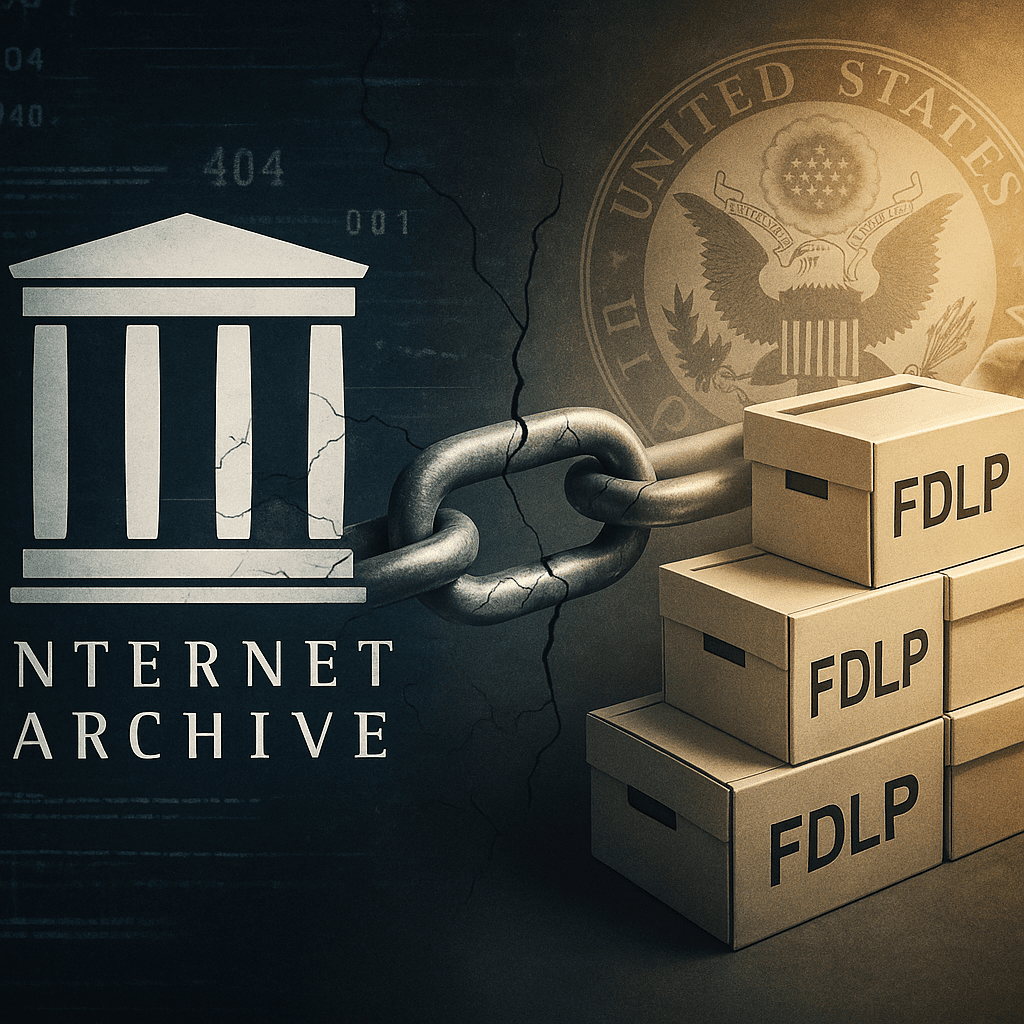
    Lately, there’s been a rumor floating around that the Internet Archive has somehow been swallowed up by the federal government. Some people are saying it’s become federal property, part of the bureaucracy. That’s not true. What is true is that in July 2025, Senator Alex Padilla of California pushed for the Internet Archive to be designated as part of the Federal Depository Library Program (FDLP). That means the Archive is now an official partner in preserving and distributing U.S. government documents. But it didn’t lose its independence. It’s still a private, non-profit organization. (Internet Archive Blog)

    So why does this rumor matter? Because the Archive has been in rough shape lately. Crashes, interruptions, and even a rumored data breach have put its future into question. And when people see instability, they start whispering about government takeovers. That’s how you end up with half-baked conspiracies about federal property.


    What the FDLP Designation Really Means

    Here’s the straight version:

    • The FDLP was created in 1813 to make sure the public has free access to government documents. Today, over 1,100 libraries are part of it. (SPARC)
    • By joining, the Internet Archive becomes a federally recognized repository. That means it’ll officially house digital government records and make them publicly accessible. (Internet Archive Blog)
    • The Archive doesn’t become federal property. It doesn’t suddenly answer to bureaucrats in D.C. It’s a partner, not an agency. (KQED)

    Think of it like this: if you let your neighbor store a few boxes in your garage, it doesn’t mean he owns your house. Same thing here.


    Why the Archive is Struggling

    The warning lights are flashing, and they’ve been for some time:

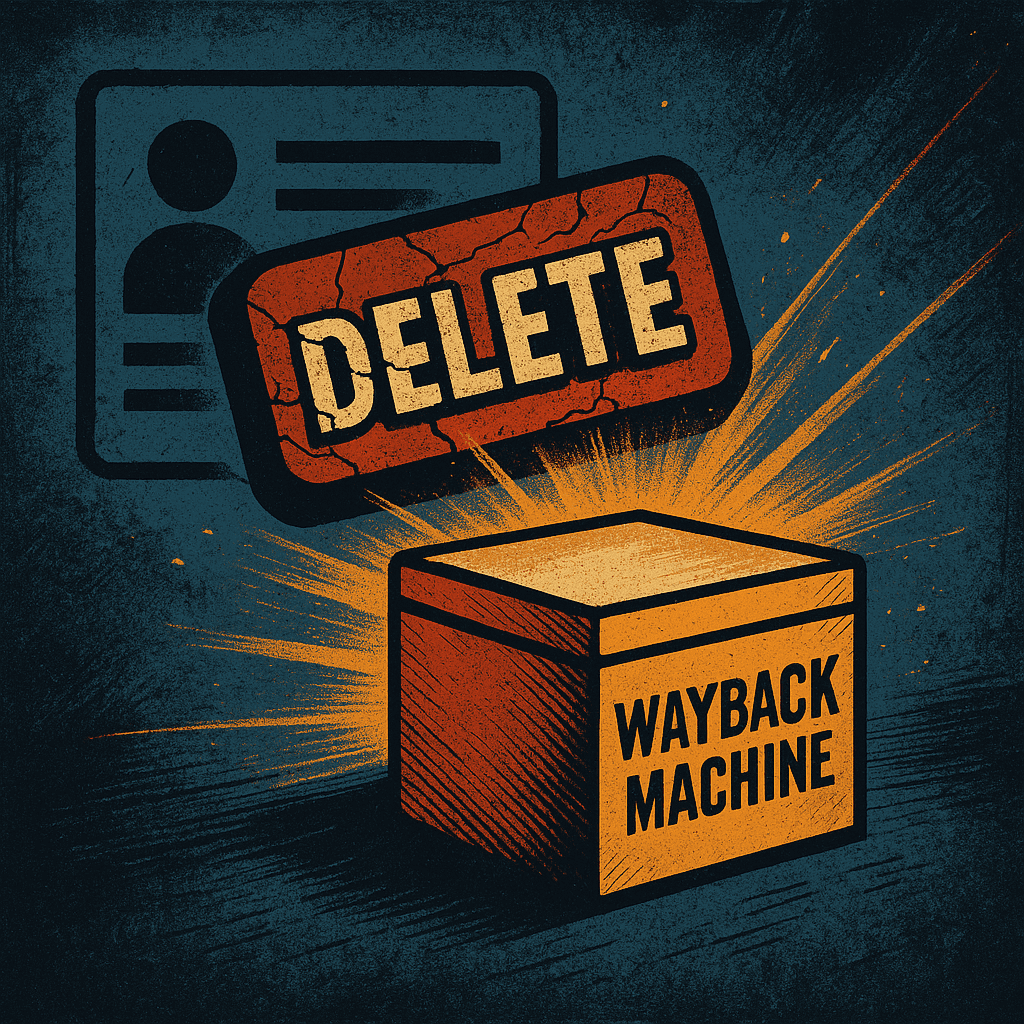
    • In October 2024, the Wayback Machine, a part of the Internet Archive, was hit by a data breach. About 31 million user accounts were compromised. That included email addresses, usernames, bcrypt-hashed passwords, and other internal data. (Wired)
    • At the same time, there were DDoS attacks and site outages that made large parts of the service go offline or only accessible in a limited/read-only fashion. (The Verge)
    • Users have reported crashes, failures to load archived pages or collections, search features breaking, etc. These kinds of stability problems weaken trust.

    What Needs to Happen

    The Archive needs three things right now: funding, security, and stability.

    1. Funding:
      • Private sector donations (foundations, tech companies)
      • Civilian / individual donations; crowd-support
      • Grants from philanthropic orgs or possibly government grants, though those often bring oversight and conditions
    2. Technical Infrastructure:
      • More robust, scalable architecture that can handle traffic spikes without crashing
      • Redundant backups; geographically distributed storage
      • Better error recovery; systems that degrade gracefully
    3. Security:
      • Full security audit
      • Hardened authentication systems, rotating credentials and API keys regularly
      • Encryption in transit & at rest, updated dependencies, proactive threat monitoring

    A Rare Case for Optimism

    Here’s the hopeful side:

    • The FDLP designation shows even some in government recognize that the Archive has value. Senator Padilla called it “digital-first,” emphasizing its fit for a modern public access role. (KQED)
    • That recognition could pave the way for new funding sources. If private donors or foundation grants step up, the Archive could stabilize without giving up its independence.
    • Worst-case scenario, a grant (even from government) may be better than nothing—but we should aim for support that preserves autonomy and mission.

    Why We Should Care

    When the Archive goes down, we lose more than just old websites. We lose cultural memory. We lose evidence. We lose transparency.

    If the rumor about becoming federal property sticks, it distracts from what actually needs fixing: funding, infrastructure, security. The Archive is still ours. It’s still independent—but it won’t stay that way if it doesn’t get help soon.


    Sources

    Donate to the internet archive

    Spun Web Technology SMART SEO
    Spun Web Technology SMART SEO

  • Spun Web Archive Pro: Free WordPress Wayback Archive Plugin

    Most of us have been there. You pour your time and energy into writing something that matters—an article, a milestone, a truth that cuts through the noise—and then one day, it’s gone.

    A moderator buries it. A platform changes its rules. A domain expires because someone forgot to renew it. Years of words can disappear overnight, like they never happened.

    That’s why I built Spun Web Archive Pro, a free, open-source WordPress plugin that keeps your words alive on the one place the censors can’t reach: the Internet Archive’s Wayback Machine.

    Tagline: Preserve your words. Publish with receipts. Decentralize your content for free.

    👉 Download it here
    👉 GitHub repo


    Why this exists

    Censorship today doesn’t always look like book burnings or government bans. Most of the time, it’s quieter and faster. A post flagged. A rule changed. A memory “disappeared” into a 404 page.

    Your work shouldn’t vanish because a gatekeeper or a glitch says so.

    Spun Web Archive Pro makes sure it doesn’t. Every time you publish, it sends your page to the Wayback Machine. That means you get a verifiable, time-stamped copy of what you said and when you said it.

    And it’s not just about censorship. It’s about memory. Domains lapse, sites go down, migrations break links. With this plugin, your words outlive the tech stack they sit on.


    What the plugin does

    • Submits WordPress URLs to the Internet Archive
    • Auto-submit on publish (set it and forget it)
    • Per-post “Submit to Archive” links inside All Posts and All Pages
    • Keeps a submission history with timestamps and archive links
    • Supports two methods:
      • Simple “Save Now” (no keys required, instant snapshot)
      • Archive.org S3 API (with keys, more control, item-level saving)
    • Includes error logs, retry logic, and a one-click “Test Connection” for S3

    What you’ll see in WordPress:

    • A row action under each post and page: “Submit to Archive”
    • A status column so you know if something is pending, archived, or failed
    • An editor meta box showing the last result and history of snapshots
    • A Submission History table with timestamps, local links, and archive URLs

    Why this matters

    You know what? History isn’t written by the winners anymore. It’s written by the platforms. When Facebook decides your post breaks “community standards,” it’s erased. When Google tweaks its index, something vanishes. When Twitter rebrands itself into chaos, years of links rot away.

    This plugin is my small contribution to fighting back.

    • Anti-censorship: keep a public, timestamped copy outside rented platforms
    • Domain safety net: prove content existed even if your renewal gets missed
    • Milestones: lock in launches, prices, policies, releases
    • Backlink recovery: when third-party links break, you’ve got a stable snapshot

    Think of it like buying insurance for your ideas. Cheap insurance too—it’s free.


    Setup in minutes

    1. Install and activate Spun Web Archive Pro
    2. Choose your method:
      • Save Now with no keys, fastest way to snapshot
      • S3 API if you want item-level control with an Archive.org account
    3. Turn on auto-submit if you want every new post archived
    4. Or use Submit to Archive anytime you need a snapshot right away

    Requirements are simple:

    • WordPress 5.0+
    • PHP 8.1+
    • cURL enabled
    • Archive.org account only if you use the S3 method

    Free. Open source. Yours to use.

    This isn’t a paid plugin. It’s not a lead magnet. It’s just a tool I built because I got tired of watching history get memory-holed.

    It’s free, open source, and up on GitHub. You can fork it, improve it, or just use it as-is.

    👉 Plugin page
    👉 GitHub repo
    👉 Support: [email protected]

    If you care about decentralization, censorship resistance, and owning your digital life, this plugin belongs in your WordPress stack.

    Because your words matter. And they should outlive the platform you publish them on.

    Sources

    Spun Web Technology SMART SEO

    Spun Web Technology SMART SEO

  • Facebook’s “Community Standards” Are the Death of Community

    On September 9th, 2025, my Facebook group Business For Sale By Owner was suspended for violating “community standards.”

    This was not some small side project. It was one of the fastest growing business groups on Facebook, with 190,200 members at the time of suspension. It was growing by over 2,500 members a week. Members posted and commented more than 10,000 times each month.

    And then it was gone.

    No vote by the community. No serious explanation. Just one click from Meta’s “community standards” branch, and years of work disappeared overnight.

    For a moment, the group was restored and I got a few notices that Facebook admitted to making a mistake. But then less than 2 hours later it was gone again, citing “multiple violations” and yet they only list one.

    And they even suspended my personal account, with over a decade of photos and videos of my children: https://www.facebook.com/Rev.Ryan.Thompson

    The Post That Triggered It

    Here is what happened.

    On August 31st, a member posted something that looked like a scam. It had the flavor of a get rich quick pitch. My first reaction was to delete it.

    But then the author of that post contacted me. He explained that it was not a scam, and that he wanted to sponsor the post. So I looked again.

    It turned out he was right. The post was about arbitrage sports betting. That is when you take advantage of odds differences between sportsbooks to guarantee a profit. It is obscure and clever, but it is not a scam.

    I even wrote an article explaining it: Arbitrage Sports Betting: The Loophole in the House’s Game.

    Not long after, Facebook struck down the entire group.

    A Pattern of Silencing

    This is not the first time I have had a group suspended.

    • My Dublin Buy/Sell/Trade group, with over 10,000 members, was deleted with no explanation.
    • My Athy Town “Athy Community Information” group, with over 6,500 members, was also deleted with no warning or reason given.

    This time, at least, I was given a reason. That does not make it better, but it is different.

    For years, I coped with this nonsense by creating ten new groups for every one that got killed. It was my way of fighting back. But looking back, that feels like digital Stockholm syndrome.

    Think about it. I am not paid to manage these groups. I spend hundreds, sometimes thousands, of hours curating content and moderating discussions. Meanwhile, Facebook makes piles of money from my labor.

    It is exploitation dressed up as “community.”

    The Big Lie of “Community Standards”

    Let’s cut through the language. These are not “community standards.”

    A community sets its own rules. A community is accountable to its members. A community is made of equals.

    Facebook’s rules are not written by communities. They are written by lawyers, executives, and politicians who pressure the company behind closed doors. They are enforced by algorithms and low paid contractors. And if you think this is paranoia, remember when Mark Zuckerberg admitted publicly that Facebook censored content at the direction of the Biden Administration? Here is the clip.

    So when a group of nearly 200,000 people disappears, it is not because “the community” decided it was harmful. It is because the company, acting under political pressure, flipped a switch.

    That is not community. That is a cartel.

    And sometimes, it is not even intentional censorship. On June 24th, 2025, thousands of groups were suspended by a “glitch.” Entire communities were erased in hours. TechTimes covered it here.

    One bug in their system, and years of human connection vanish.

    Building Outside the Walled Garden

    After this last suspension, I made a decision. I am done rebuilding inside Facebook’s walls.

    If they want to treat creators and moderators like disposable labor, fine. But I will not keep feeding the machine.

    Instead, I am moving everything to my own platforms, where I set the rules and own the content.

    I have around 500 other groups and pages that I will consolidate into my own web properties. It is a massive project, but it is worth it.

    Because this is about more than strategy. It is about freedom.

    The Case for Decentralization

    If your online presence matters to you, you cannot trust it to one company.

    Think about it like land. Would you build your dream home on rented property if the landlord could bulldoze it at any time? That is what we are doing on Facebook.

    Years ago, I warned about this when Twitter (before Elon Musk) was shadow banning conservatives and Trump supporters. My advice was simple. Spread your content.

    Use services like Hootsuite or the SLU2.com tools I built to post across platforms. Build your own websites with WordPress. Publish on Medium. Back everything up with the Wayback Machine.

    Even if Meta, Google, or YouTube come for you, your work survives somewhere else.

    Yes, even the Wayback Machine has had problems recently. It has been offline more than online when I have tried to use it. But the principle remains. Do not put all your eggs in Big Tech’s basket.

    Big Tech and the Memory Hole

    This is not just about Facebook.

    Last year, YouTube deleted my travel channel. Those videos were memories of my children and me traveling the world together. Gone. No explanation. No appeal.

    If not for the Internet Archive, those moments would have been lost forever.

    This is the real danger of centralization. One faceless corporation holds the keys to your memories, your work, and your community. With one click, they can erase it.

    It is like putting duct tape over a smoke alarm. The fire is still burning, you just cannot hear the warning.

    Who Really Benefits

    Let’s not forget, Facebook makes money off this arrangement.

    You do the labor. You moderate, manage, and grow the group. They sell ads against that activity. Then, when it suits them, they pull the plug.

    It is like hiring the fire department to mow your lawn. Expensive, slow, and you will probably lose your house in the process.

    The “community standards” branch of Meta is not about safety. It is about liability protection, political compliance, and corporate control.

    What We Can Do

    We cannot rely on politicians to fix this. New regulations will not solve it. Electing different faces in Washington will not solve it.

    The only fix is decentralization.

    • Build your own websites.
    • Host your own content.
    • Back up everything.
    • Use Big Tech as a distribution channel, not as your foundation.

    If you do not own the platform, you are just a tenant. And Meta is a landlord that does not care how long you have lived there or how much you have invested.

    Final Thoughts

    The suspension of Business For Sale By Owner hurt. It represented years of work and a thriving community of nearly 200,000 people. But in a way, it also clarified things.

    Facebook’s “community standards” are not about community at all. They are about control.

    So the question is, do you want to keep building your life’s work on someone else’s property? Or do you want to build something you truly own?

    For me, the answer is clear. I am done being a tenant in Zuckerberg’s digital empire. It is time to build my own land.

    Sources

    Spun Web Technology SMART SEO

    Spun Web Technology SMART SEO

  • The ROI of Streamlining Customer Support with AI Chatbots

    Why AI Chatbots Are More than Just a Trend

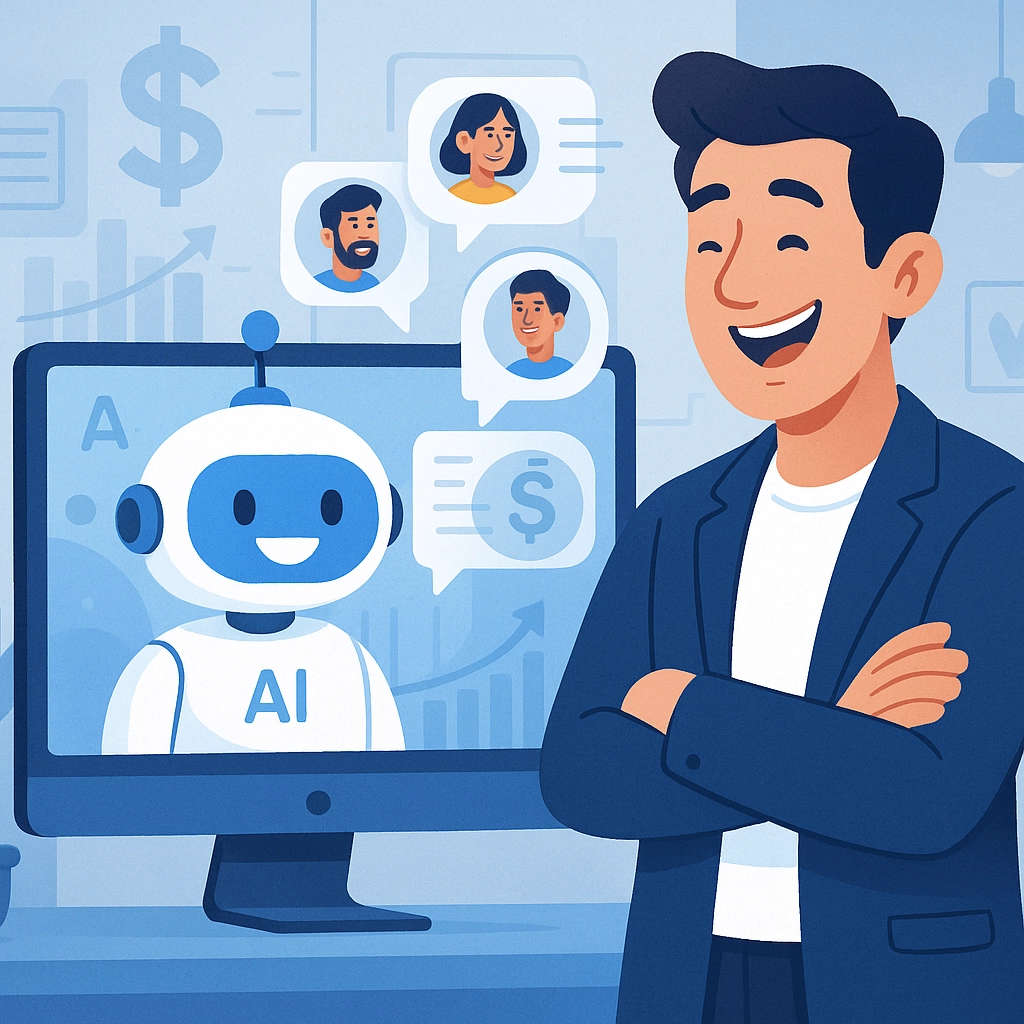
    Ask any growing business owner what keeps them up at night, and you’ll probably hear “customer service” somewhere in the top three. The reality? Today’s customers expect instant, consistent, and friendly answers—day or night. But hiring a bigger support team for round-the-clock help just isn’t practical, especially for small- and medium-sized businesses.

    Enter AI chatbots—a game-changing tool that handles customer queries at scale, lowers costs, and even helps boost your revenue. At Thompson Professional Networks LLC, we’re obsessed with helping local businesses work smarter, not harder, and our subscription-based automation services put chatbot technology within reach for everyone.

    Let’s dive into the real business impact—also known as return on investment (ROI)—of automating your support with AI chatbots.

    image_1

    Cost Savings: The Straightforward Win

    Lowering Your Support Expenses

    First off, let’s talk dollars and cents. AI chatbots can handle about 80% of the repetitive, everyday questions customers ask—think tracking orders, store hours, or the “Did my payment go through?” routine. Supporting these questions via AI has been shown to cost about $0.50 per interaction (or even less!), compared to approximately $5 for every human-handled chat or call. That means for every 1,000 simple customer requests, you’re potentially saving $4,500. It adds up fast.

    Fewer Hires, Less Training

    There’s more: the fewer repetitive tickets your live agents deal with, the smaller (and more specialized) your team can be. AI chatbots can reduce customer service staffing costs by 20-30%. Plus, with less turnover and fewer basic tickets to train for, businesses save thousands on recruiting, hiring, and onboarding new team members every year.

    Scale Without the Overhead

    Imagine it’s holiday season and your inbox triples overnight—AI chatbots step up without needing overtime or temp hires. You can handle surges in customer requests without additional costs or headaches, all while keeping service levels consistent.

    Revenue Impact: More Than Just Savings

    Lead Generation and Upselling

    Think chatbots are just for answering questions? Think again. Advanced models (like ours at TPN) can capture leads, qualify prospects, and even walk new customers through your service offerings. If someone’s on the fence about signing up, a chatbot can nudge them with relevant info, promos, or schedule an expert call—all automatically.

    Improving Customer Retention

    The secret sauce to increased revenue? Repeat business from happy customers! Studies show instant support makes people more likely to stay loyal—and spend more. Businesses report 10-15% drops in customer churn after launching AI chatbots for support. The ROI goes well beyond first impressions and leads to better long-term customer value.

    image_2

    Happy Customers: 24/7, Instant, Consistent Help

    Always Available

    AI chatbots never sleep. Your night owl customers get answers at midnight, and early birds don’t have to wait for “business hours.” For small businesses, this alone is a huge competitive advantage.

    No More Repeating Themselves

    Let’s face it—nobody likes explaining their problem multiple times to different agents. AI-powered chatbots, especially when integrated into your CRM or helpdesk, offer seamless handoffs and remember past interactions. That equals higher satisfaction and fewer frustrated follow-up calls.

    Serve More People, In More Languages

    Modern AI chatbots speak dozens of languages fluently, so you can provide awesome service for every audience. That opens new markets and ensures all your customers feel valued, no matter where they’re calling from.

    Scalability: Grow Without Growing Pains

    When business spikes, chatbots can instantly handle hundreds (or thousands) of chats without breaking a sweat or demanding extra payroll. This scalability is perfect for seasonal businesses, special promotions, or rapid expansion—grow your capacity without breaking your budget or burning out your team.

    Data and Insights: Know Your Customers

    Every chatbot interaction generates valuable data—what people ask, what frustrates them, what keeps coming up. That goldmine of information helps you spot trends, improve your FAQ, optimize your website, or launch new products to meet emerging needs. The more you know, the more you can serve (and sell).

    Our Subscription Automation Services: Why Go Pro?

    Here’s the kicker: building and maintaining a truly effective AI chatbot isn’t just plug-and-play. It requires the right setup, integration with your other apps and website, updates, and security. That’s why businesses use scalable automation services like ours—so you get all the benefits (and zero technical headaches) for a low monthly fee.

    With a TPN subscription, you get:

    • Industry-leading chatbots tailored to your business and FAQs
    • Integration with your existing systems (CRMs, email, SMS)
    • Regular updates to improve capabilities as AI advances
    • Data summaries and actionable reporting delivered to your inbox
    • Full support from real human experts if you ever need us

    Want to see how this all ties into your daily operations? Check out how our AI voice assistants save hours for smart businesses .

    image_3

    Key ROI Metrics to Track

    If you want to measure return-on-investment for your AI chatbot, here are the key stats to watch:

    • Support cost per ticket (before and after)
    • Average first-response and resolution times
    • Number of leads generated or tickets handled by AI vs. staff
    • Customer satisfaction scores (CSAT/NPS)
    • Employee productivity and hours saved

    Our team helps set these metrics up, so you always see exactly how your customer support investment is paying off.

    Implementation: Setting Yourself Up For Success

    Ready to get started? Here’s a quick roadmap:

    1. Audit your FAQs/tickets – Find repetitive tasks ripe for automation.
    2. Pick a platform that integrates with your workflows – We’ll guide you on this.
    3. Start small, measure, iterate – Begin with one channel (like live chat), track results, then expand.

    If you want to go deeper, we broke down the process in this guide: Save Hours Every Week: How Project Management Automation Handles Email, Contracts & Invoicing for You

    Final Thoughts—and Your Next Step

    AI chatbots have reached the point where it’s not “if” businesses should use them, but “how soon?” They slash your costs, keep customers happier, and free your team to focus on scaling what matters. And with hassle-free subscriptions through TPN, you don’t need a tech background to take advantage.

    Ready to cut costs, boost satisfaction, and grow your business—while working less? Book a demo or chat with us here—and let’s build your future support team, today!

    Looking for more on AI, automation, and business productivity? Explore our latest tech insights on our blog.

    Spun Web Technology SMART SEO

    Spun Web Technology SMART SEO
  • Chiang Mai Thailand 2025 Intro

    Chiang Mai Thailand 2025 Intro

    Disruptarian featured image for Chiang Mai Thailand 2025 Intro

    Verified at: 2026-06-21T12:29:29

    Chiang Mai Thailand 2025 Intro is the kind of subject that fits the Disruptarian lane because it sits where independent media, culture, music, and political commentary collide.

    The source description frames it this way: A Rumble-focused Disruptarian version of Chiang Mai Thailand 2025 Intro. Ryan Thompson frames the topic through travel journal and street-level documentary footage, with a direct independent-media voice and no corporate filter. Original YouTube title: Chiang Mai Thailand 2025 Intro. Original source video: https://www.youtube.com/watch?v=CtdZaYLlLns Disruptarian: https://www.disruptarian.com

    The useful question is not only what happened, but why the story matters to people who distrust scripted narratives, recycled outrage, and corporate-approved commentary.

    A Disruptarian reading starts with individual agency. The listener is not asked to accept a packaged conclusion. The point is to pull the claim apart, compare incentives, and look for the pressure points that legacy media often skips.

    That approach matters for libertarian radio commentary because the audience is usually looking for more than a headline. They want context, motive, contradiction, and a practical sense of how public stories become private consequences.

    The cultural layer is just as important. Disruptarian music and reggae punk energy are not decorations around the message. They give the work its rhythm: skeptical, confrontational, and rooted in the idea that speech should stay alive even when institutions prefer silence.

    For search readers arriving cold, the primary source is included below either as an embed or as a direct source link. Start there if you want the full tone, timing, and argument. The written analysis expands the title and description into a searchable article that can stand on its own.

    The strongest SEO value here is clarity. The article keeps the title language visible, uses descriptive headings, and connects the topic to Disruptarian Radio, independent media, libertarian commentary, political culture, and original music without stuffing the page with empty repetition.

    The larger takeaway is simple: independent commentary survives by documenting what was said, preserving the source, and adding a point of view that does not depend on permission from gatekeepers.

    That is why this post exists as part of the static Disruptarian archive. The video remains embedded, the title and description remain traceable, and the surrounding article gives search engines and readers enough context to understand why the episode belongs in the broader Disruptarian catalog.

    The title itself carries the first keyword signal, but a durable post needs more than a copied headline. It needs a clear H1, a concise meta description, a featured image with descriptive alt text, and enough editorial framing for readers to know why the video is part of this archive.

    From an independent media perspective, the value is in keeping the primary source visible. Embedding the video prevents the article from becoming detached commentary. Readers can compare the written interpretation against the actual recording and decide whether the argument holds up.

    The libertarian angle is not automatic partisanship. It is a suspicion of concentrated power, public manipulation, and narratives that ask citizens to outsource judgment. That suspicion applies to government, platforms, corporations, activist institutions, and media brands alike.

    Disruptarian Radio also treats culture as evidence. Music, political language, online mobs, censorship fights, moral panics, and personal stories all reveal where pressure is being applied. That is why a radio episode can be more than entertainment; it can become a record of a moment.

    For listeners who follow DJ Disruptarian, the same pattern shows up in the music catalog: reggae rhythm, punk edge, spiritual critique, and anti-authoritarian instinct. The written post keeps that identity attached to the video instead of letting it disappear into a platform feed.

    Good SEO on a page like this should help people find the conversation without flattening the voice. The article uses natural phrases such as Disruptarian Radio, independent media, libertarian podcast, political commentary, original music, and disruptive conversations only where they make sense.

    The featured image should follow the Disruptarian editorial-collage style: torn paper, smoke, halftone grit, dirty cream paper, black and oxblood pressure, muted gold accents, and symbolic props tied to the subject rather than generic filler. Its alt text names the subject so search engines and screen readers get useful context.

    The article also keeps a stable URL under the static blog. That matters because feeds move, platforms change embeds, and social links decay. A static post gives the episode a second home that can be indexed, backed up, linked, and reviewed later.

    The final point is documentation. When a channel publishes a new video, the title and description are often the only structured metadata available. Turning that metadata into a post creates a stronger archive without pretending to replace the original recording.

    This is the practical Disruptarian method: preserve the video, state the source, add commentary, keep the searchable terms honest, and let the reader move between the embedded media and the written analysis without friction.

    This additional context keeps the post useful for readers who arrive from search rather than from the original channel. It explains the source, preserves the embed, and connects the subject back to the larger Disruptarian archive.

    This additional context keeps the post useful for readers who arrive from search rather than from the original channel. It explains the source, preserves the embed, and connects the subject back to the larger Disruptarian archive.

    This additional context keeps the post useful for readers who arrive from search rather than from the original channel. It explains the source, preserves the embed, and connects the subject back to the larger Disruptarian archive.

    This additional context keeps the post useful for readers who arrive from search rather than from the original channel. It explains the source, preserves the embed, and connects the subject back to the larger Disruptarian archive.


    The shortlink was copied to your clipboard

    X
    f
    r

    Related Reading

    Similar posts


    Disruptarian Blog

    2026-06-21

    Disruptarian Blog

    Disruptarian commentary on One Epic Month in Thailand 🇹🇭 | Elephants, Temples & Lifelong Friends – July/Aug 2025 with embedded source video, independent media context, and libertarian radio analysis.

  • Thank you Thailand ประเทศไทย ขอบคุณfrom the Disruptarian in #thailand #chiangmai #2025

    Thank you Thailand ประเทศไทย ขอบคุณfrom the Disruptarian in #thailand #chiangmai #2025

    Disruptarian featured image for Thank you Thailand ประเทศไทย ขอบคุณfrom the Disruptarian in #thailand #chiangmai #2025

    Verified at: 2026-06-21T12:45:22

    Thank you Thailand ประเทศไทย ขอบคุณfrom the Disruptarian in #thailand #chiangmai #2025 is the kind of subject that fits the Disruptarian lane because it sits where independent media, culture, music, and political commentary collide.

    The source description frames it this way: A Rumble-focused Disruptarian version of Thank you Thailand ประเทศไทย ขอบคุณfrom the Disruptarian in #thailand #chiangmai #2025. Ryan Thompson frames the topic through travel journal and street-level documentary footage, with a direct independent-media voice and no corporate filter. Original YouTube title: Thank you Thailand ประเทศไทย ขอบคุณfrom the Disruptarian in #thailand #chiangmai #2025. Original source video: https://www.youtube.com/watch?v=WemTyK9zW0c Disruptarian: https://www.disruptarian.com

    The useful question is not only what happened, but why the story matters to people who distrust scripted narratives, recycled outrage, and corporate-approved commentary.

    A Disruptarian reading starts with individual agency. The listener is not asked to accept a packaged conclusion. The point is to pull the claim apart, compare incentives, and look for the pressure points that legacy media often skips.

    That approach matters for libertarian radio commentary because the audience is usually looking for more than a headline. They want context, motive, contradiction, and a practical sense of how public stories become private consequences.

    The cultural layer is just as important. Disruptarian music and reggae punk energy are not decorations around the message. They give the work its rhythm: skeptical, confrontational, and rooted in the idea that speech should stay alive even when institutions prefer silence.

    For search readers arriving cold, the primary source is included below either as an embed or as a direct source link. Start there if you want the full tone, timing, and argument. The written analysis expands the title and description into a searchable article that can stand on its own.

    The strongest SEO value here is clarity. The article keeps the title language visible, uses descriptive headings, and connects the topic to Disruptarian Radio, independent media, libertarian commentary, political culture, and original music without stuffing the page with empty repetition.

    The larger takeaway is simple: independent commentary survives by documenting what was said, preserving the source, and adding a point of view that does not depend on permission from gatekeepers.

    That is why this post exists as part of the static Disruptarian archive. The video remains embedded, the title and description remain traceable, and the surrounding article gives search engines and readers enough context to understand why the episode belongs in the broader Disruptarian catalog.

    The title itself carries the first keyword signal, but a durable post needs more than a copied headline. It needs a clear H1, a concise meta description, a featured image with descriptive alt text, and enough editorial framing for readers to know why the video is part of this archive.

    From an independent media perspective, the value is in keeping the primary source visible. Embedding the video prevents the article from becoming detached commentary. Readers can compare the written interpretation against the actual recording and decide whether the argument holds up.

    The libertarian angle is not automatic partisanship. It is a suspicion of concentrated power, public manipulation, and narratives that ask citizens to outsource judgment. That suspicion applies to government, platforms, corporations, activist institutions, and media brands alike.

    Disruptarian Radio also treats culture as evidence. Music, political language, online mobs, censorship fights, moral panics, and personal stories all reveal where pressure is being applied. That is why a radio episode can be more than entertainment; it can become a record of a moment.

    For listeners who follow DJ Disruptarian, the same pattern shows up in the music catalog: reggae rhythm, punk edge, spiritual critique, and anti-authoritarian instinct. The written post keeps that identity attached to the video instead of letting it disappear into a platform feed.

    Good SEO on a page like this should help people find the conversation without flattening the voice. The article uses natural phrases such as Disruptarian Radio, independent media, libertarian podcast, political commentary, original music, and disruptive conversations only where they make sense.

    The featured image should follow the Disruptarian editorial-collage style: torn paper, smoke, halftone grit, dirty cream paper, black and oxblood pressure, muted gold accents, and symbolic props tied to the subject rather than generic filler. Its alt text names the subject so search engines and screen readers get useful context.

    The article also keeps a stable URL under the static blog. That matters because feeds move, platforms change embeds, and social links decay. A static post gives the episode a second home that can be indexed, backed up, linked, and reviewed later.

    The final point is documentation. When a channel publishes a new video, the title and description are often the only structured metadata available. Turning that metadata into a post creates a stronger archive without pretending to replace the original recording.

    This is the practical Disruptarian method: preserve the video, state the source, add commentary, keep the searchable terms honest, and let the reader move between the embedded media and the written analysis without friction.

    This additional context keeps the post useful for readers who arrive from search rather than from the original channel. It explains the source, preserves the embed, and connects the subject back to the larger Disruptarian archive.

    This additional context keeps the post useful for readers who arrive from search rather than from the original channel. It explains the source, preserves the embed, and connects the subject back to the larger Disruptarian archive.

    This additional context keeps the post useful for readers who arrive from search rather than from the original channel. It explains the source, preserves the embed, and connects the subject back to the larger Disruptarian archive.


    The shortlink was copied to your clipboard

    X
    f
    r

    Related Reading

    Similar posts


    Disruptarian Blog

    2026-06-21

    Disruptarian Blog

    Disruptarian commentary on Chiang Mai Thailand 2025 Intro with embedded source video, independent media context, and libertarian radio analysis.

  • Censorship Without Warning: When Big Tech Silences Without a Trace

    By Ryan “Dickie” Thompson

    There’s a dangerous quiet that creeps in when censorship doesn’t announce itself. No warning. No justification. No red flags waved or buttons clicked. Just silence.

    That’s the silence I noticed recently when more than half of my released songs disappeared from YouTube without a single explanation. One day, my track “Echoes of Power” was streaming on YouTube Music alongside 80 others. The next, it was gone. Along with more than 40 other songs. Not a flag. Not a takedown notice. Not even a bot-generated email. Just a silent purge.

    And this isn’t just a YouTube problem. It’s not isolated. It’s systemic. I’ve seen it happen on Facebook, Google, and across the digital empire ruled by Big Tech—an empire that once postured as a digital town square, but now functions more like a digital prison yard with invisible walls.

    The Illusion of Transparency

    Remember when Mark Zuckerberg told us Facebook would no longer be the Thought Police? When he told the world that the “fact-checkers” were stepping back? That they were simply giving context, not censorship? That promise rang hollow the moment my community groups vanished.

    Gone.

    My Dublin Buy Sell and Trade group. My Athy Ireland Community page. Pages with thousands of members—16,000 lives connected through content, commerce, conversation. Erased. No notification. No violation flagged. No recourse.

    This isn’t just a minor inconvenience. This is digital land seizure. It’s like having your home leveled overnight and being told it never existed.

    You can read the details of these disappearances in my blog post on archiving digital services:
    /blog/the-unreliability-of-digital-services-reflections-on-archiving-time-and-consistency/

    Or see the full inventory here:
    https://docs.google.com/spreadsheets/d/11oWwb9evH37vWxIKqZxaupqQFV5naIVLhgcIj0YWZSE/edit?usp=drive_link

    The Music Blacklist

    Let’s go back to the music.

    In the last 9 months, I’ve produced 128 songs. That’s not a typo. One hundred and twenty-eight. All independently released. All original content. Hosted on:

    And, until recently, most of them were available on YouTube as well:

    But today, only 38 remain. Not demonetized. Not age-restricted. Just removed. Quietly. Completely.

    This is algorithmic erasure. Censorship without flags, leaving no fingerprints. And that’s far more dangerous than the censorship of the past.

    No Crime, Just Wrongthink

    What do these songs contain that warranted deletion?

    No hate speech. No violence. No copyright strikes. Just messages that challenge systems. Songs that question narratives. Tracks like “Echoes of Power,” which call out the machinery of control, of compliance, of fake consensus. And that seems to be the real crime in today’s digital dystopia: refusing to pick a side.

    I don’t lean left. I don’t lean right. I lean into truth. Into principle. Into reality.

    One side wants me to call a man a woman on command, under penalty of deplatforming. The other side wants to shove me into religious doctrine as state policy. And I say no to both.

    Show me. Don’t tell me. Let truth speak for itself, and let the audience decide. That’s how civilization works. Or how it used to.

    Inspiration from the Dissidents

    This censorship only fuels my fire. Because I’ve read Orwell. I’ve devoured Bradbury. I’ve walked alongside the ghosts of Huxley, Rand, and Solzhenitsyn. These weren’t just authors. They were oracles.

    George Orwell showed us how truth can be erased and rewritten by those who control the present.
    Ray Bradbury warned us how censorship wouldn’t need firemen—just enough distraction.
    Aldous Huxley predicted a future where people wouldn’t fight censorship, because they’d be too drugged by comfort and entertainment to notice.
    Ayn Rand showed us the soul-deadening effect of collectivism disguised as moral certainty.

    These were not just works of fiction. They were battle manuals for what we are living through right now.

    And I am not just a commentator. I’m a witness. I was there in Seattle when mobs set my building on fire. When ideology became a weapon and truth was collateral damage.

    Out of those flames, I wrote two books:

    • The Transparent Future
    • Echoes of Power

    These books aren’t manifestos. They’re journals of resistance. An honest reckoning with wrongthink—past, present, and future.

    The Solitary Path

    That’s the hardest part. When you refuse to join the mob, you walk alone. When you refuse to chant slogans, both sides hate you. When you seek truth instead of tribe, you don’t get protection. You get silence.

    But I’m fine with that. Because the truth doesn’t need to go viral. It just needs to be heard by those ready to hear it.

    I don’t care if Facebook deplatforms me. I don’t care if YouTube shadowbans my songs. I will keep creating, keep publishing, keep broadcasting. Not because I expect approval—but because I demand reality.

    Censorship without warning is the soft tyranny of our age. It’s the algorithmic execution of inconvenient voices. And the only antidote is to keep speaking, especially when they want you silent.


    References and Sources:


    Stay dangerous,

    Ryan “Dickie” Thompson
    Founder, Disruptarian Radio
    Author: The Transparent Future | Echoes of Power

    Spun Web Technology SMART SEO

    Spun Web Technology SMART SEO

  • Censored and Watched: Tulsi Gabbard Exposes Biden’s War on Dissent

    On May 28, 2025, Tulsi Gabbard, the current Director of National Intelligence, sat down for an interview that peeled back the curtain on a chilling reality: the Biden administration’s surveillance and censorship apparatus was far more expansive—and politically motivated—than most Americans realized. What Gabbard revealed wasn’t just another partisan squabble; it was a damning exposé of how dissent was systematically rebranded as extremism, and how federal power was weaponized against citizens under the guise of national security.


    The Biden Blueprint: Dissent as Domestic Terrorism

    According to declassified documents released by Gabbard, the Biden administration’s 2021 counterterrorism strategy painted a broad and dangerous picture. The plan identified individuals who opposed COVID-19 mandates, questioned vaccine safety, or criticized immigration policies as potential domestic violent extremists. This wasn’t based on actions or credible threats, but on the mere expression of dissenting opinions.

    Gabbard emphasized that the administration’s approach created a continuum of suspicion. Holding certain views didn’t automatically label someone as a terrorist, but it placed them under increased scrutiny. This framework allowed for the monitoring of individuals who were simply exercising their First Amendment rights, effectively chilling free speech and political discourse.


    The “Quiet Skies” Program: Surveillance Without Oversight

    One of the most alarming revelations was the use of the TSA’s “Quiet Skies” program to surveil American citizens. Gabbard disclosed that she was placed on this watchlist the day after publicly criticizing then-Vice President Kamala Harris. She wasn’t alone; other members of Congress reported similar experiences, indicating a pattern of targeting political opponents.Yahoo

    The program, designed to monitor travelers who might pose a threat, was repurposed to keep tabs on individuals based on their political views. This misuse of surveillance tools underscores a broader trend of eroding civil liberties in the name of security.Yahoo


    Outsourcing Surveillance: Collaborating with Foreign Governments

    Perhaps most disturbing was the administration’s strategy to involve foreign partners in domestic surveillance efforts. The declassified documents revealed plans to obtain intelligence on U.S. citizens from foreign governments, effectively outsourcing the monitoring of Americans to entities beyond our legal jurisdiction.America First Legal

    This approach not only circumvented constitutional protections but also set a dangerous precedent for international interference in domestic affairs. By blurring the lines between foreign and domestic intelligence operations, the administration compromised the privacy and rights of its citizens.


    The Role of Big Tech: Censorship and Information Control

    Gabbard’s disclosures also highlighted the administration’s collaboration with social media companies to suppress dissenting viewpoints. By directing these platforms to censor content deemed as “misinformation,” the government effectively controlled the narrative and silenced opposition.

    This partnership between the state and private corporations created a modern-day censorship regime, where unpopular opinions could be labeled as dangerous and removed from public discourse. Such actions not only violate free speech principles but also undermine the democratic process by restricting the flow of information.


    A Call to Action: Restoring Constitutional Protections

    Gabbard’s revelations serve as a stark reminder of the importance of vigilance in protecting civil liberties. The use of surveillance and censorship to suppress political dissent is antithetical to the values enshrined in the Constitution.

    As citizens, it’s imperative to demand transparency and accountability from our government. We must advocate for policies that uphold individual rights and challenge those that seek to erode them under the guise of security.


    References

    ODNI Newsroom – Declassified Biden Administration Documents

    Tulsi Gabbard On New Declassified Biden Documents – YouTube

    Gabbard declassifies Biden counterterrorism strategy – Fox News

    Gabbard slams ‘politically motivated’ surveillance – Yahoo News

    Biden Labeled COVID-19 Opposition ‘Domestic Violent Extremists’ – Talk 99.5

    Spun Web Technology SMART SEO

    Spun Web Technology SMART SEO

  • How to Become a Digital Nomad in the Philippines

    How to Become a Digital Nomad in the Philippines

    Disruptarian featured image for How to Become a Digital Nomad in the Philippines

    Verified at: 2026-06-22 6:33:18

    How to Become a Digital Nomad in the Philippines is the kind of subject that fits the Disruptarian lane because it sits where independent media, culture, music, and political commentary collide.

    The source description frames it this way: Ryan Thompson talks through the digital nomad path from a Disruptarian angle: working online, living abroad, adjusting to the Philippines, and building a life with more freedom and less dependence on the old system. A practical long-form episode for people thinking about remote work, expat life, and Southeast Asia. Original YouTube title: How to Become a Digital Nomad in the Philippines | Disruptarian Radio Source: https://www.youtube.com/watch?v=ymaly5H_Ozo Disruptarian: https://www.disruptarian.com

    The useful question is not only what happened, but why the story matters to people who distrust scripted narratives, recycled outrage, and corporate-approved commentary.

    A Disruptarian reading starts with individual agency. The listener is not asked to accept a packaged conclusion. The point is to pull the claim apart, compare incentives, and look for the pressure points that legacy media often skips.

    That approach matters for libertarian radio commentary because the audience is usually looking for more than a headline. They want context, motive, contradiction, and a practical sense of how public stories become private consequences.

    The cultural layer is just as important. Disruptarian music and reggae punk energy are not decorations around the message. They give the work its rhythm: skeptical, confrontational, and rooted in the idea that speech should stay alive even when institutions prefer silence.

    For search readers arriving cold, the primary source is included below either as an embed or as a direct source link. Start there if you want the full tone, timing, and argument. The written analysis expands the title and description into a searchable article that can stand on its own.

    The strongest SEO value here is clarity. The article keeps the title language visible, uses descriptive headings, and connects the topic to Disruptarian Radio, independent media, libertarian commentary, political culture, and original music without stuffing the page with empty repetition.

    The larger takeaway is simple: independent commentary survives by documenting what was said, preserving the source, and adding a point of view that does not depend on permission from gatekeepers.

    That is why this post exists as part of the static Disruptarian archive. The video remains embedded, the title and description remain traceable, and the surrounding article gives search engines and readers enough context to understand why the episode belongs in the broader Disruptarian catalog.

    The title itself carries the first keyword signal, but a durable post needs more than a copied headline. It needs a clear H1, a concise meta description, a featured image with descriptive alt text, and enough editorial framing for readers to know why the video is part of this archive.

    From an independent media perspective, the value is in keeping the primary source visible. Embedding the video prevents the article from becoming detached commentary. Readers can compare the written interpretation against the actual recording and decide whether the argument holds up.

    The libertarian angle is not automatic partisanship. It is a suspicion of concentrated power, public manipulation, and narratives that ask citizens to outsource judgment. That suspicion applies to government, platforms, corporations, activist institutions, and media brands alike.

    Disruptarian Radio also treats culture as evidence. Music, political language, online mobs, censorship fights, moral panics, and personal stories all reveal where pressure is being applied. That is why a radio episode can be more than entertainment; it can become a record of a moment.

    For listeners who follow DJ Disruptarian, the same pattern shows up in the music catalog: reggae rhythm, punk edge, spiritual critique, and anti-authoritarian instinct. The written post keeps that identity attached to the video instead of letting it disappear into a platform feed.

    Good SEO on a page like this should help people find the conversation without flattening the voice. The article uses natural phrases such as Disruptarian Radio, independent media, libertarian podcast, political commentary, original music, and disruptive conversations only where they make sense.

    The featured image should follow the Disruptarian editorial-collage style: torn paper, smoke, halftone grit, dirty cream paper, black and oxblood pressure, muted gold accents, and symbolic props tied to the subject rather than generic filler. Its alt text names the subject so search engines and screen readers get useful context.

    The article also keeps a stable URL under the static blog. That matters because feeds move, platforms change embeds, and social links decay. A static post gives the episode a second home that can be indexed, backed up, linked, and reviewed later.

    The final point is documentation. When a channel publishes a new video, the title and description are often the only structured metadata available. Turning that metadata into a post creates a stronger archive without pretending to replace the original recording.

    This is the practical Disruptarian method: preserve the video, state the source, add commentary, keep the searchable terms honest, and let the reader move between the embedded media and the written analysis without friction.

    This additional context keeps the post useful for readers who arrive from search rather than from the original channel. It explains the source, preserves the embed, and connects the subject back to the larger Disruptarian archive.

    This additional context keeps the post useful for readers who arrive from search rather than from the original channel. It explains the source, preserves the embed, and connects the subject back to the larger Disruptarian archive.

    This additional context keeps the post useful for readers who arrive from search rather than from the original channel. It explains the source, preserves the embed, and connects the subject back to the larger Disruptarian archive.


    The shortlink was copied to your clipboard

    X
    f
    r

    Related Reading

    Similar posts


    Disruptarian Blog

    2026-06-22

    Disruptarian Blog

    Disruptarian commentary on Is Social Security a Ponzi Scheme? Disruptarian Radio Breakdown with embedded source video, independent media context, and libertarian radio analysis.