Category: Digital Rights

  • Boi So Tuff? Gen X Work Ethic vs Gen Z Meme Culture

    The debate over Gen X vs Gen Z work ethic is everywhere online. It shows up in memes like “boi so tuff he only needs one mango.” It sounds funny, but it reveals something deeper about how different generations define toughness, work, and responsibility.

    Gen X vs Gen Z Work Ethic: What Changed?

    The Gen X vs Gen Z work ethic conversation often centers on hustle culture versus stability. Gen Z values flexibility, creativity, and freedom from toxic workplaces. Gen X valued job security, overtime, and paying bills first.

    Neither generation is wrong. But the definition of toughness changed.

    For Gen X, toughness meant working full time at 14 years old. It meant earning $3.50 an hour under agricultural wage laws when minimum wage was $4.25. It meant building side income before the word “side hustle” existed.

    For Gen Z, toughness often looks like independence from corporate systems. That matters too. But there is a difference between rejecting bad systems and rejecting hard work altogether.

    So I get this meme sent to me:

    “Boi so tuff he only needs one mango.”

    Gen Z humor is wild. Minimalist fruit consumption equals toughness now.

    Back in my day, toughness meant something different. It meant you needed at least two mangoes. Maybe three. And you paid for them yourself.

    Let me explain.

    Growing Up in Chaos

    I did not grow up in some peaceful Hallmark channel home. It was more like emotional WWE.

    There was tension. A lot of it. Discord was basically a houseplant. It just lived there.

    My dad had five kids from a previous marriage. We never got to know them. That door was shut tight. The vibe in the house was always competitive, always tense. Siblings were not teammates. It felt more like Survivor: Living Room Edition.
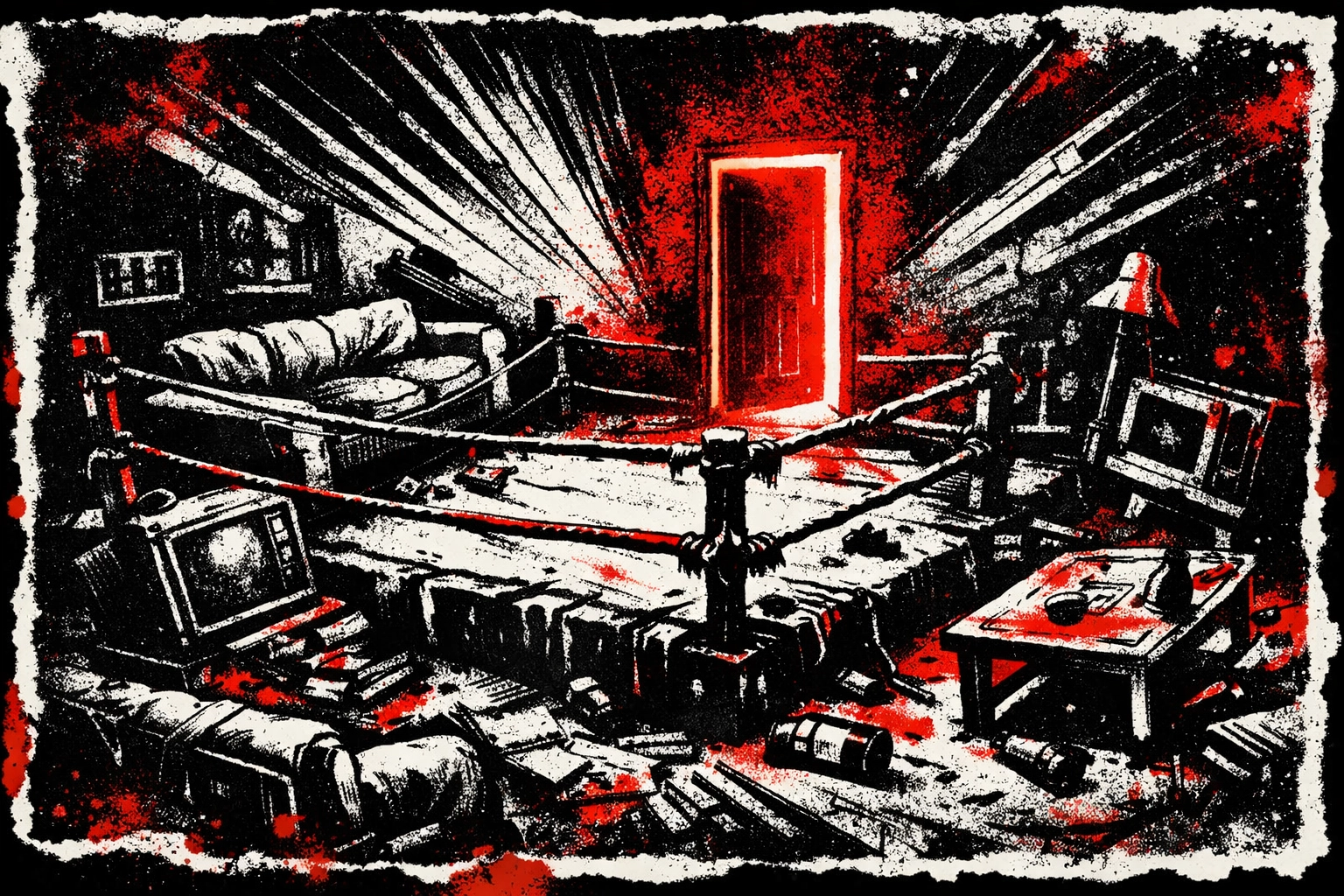
    Chaotic Gen X childhood home symbolized as wrestling ring with escape route - growing up in dysfunction

    So I did what any dramatic Gen X kid would do.

    I left.

    Not in a rebellious TikTok way. In a “I need a job” way.

    “Boi So Tuff” Gets a Job

    If “boi so tuff” means anything, it means this:

    At 14 years old, I got a full-time job.

    Not influencer full-time.
    Not “content creator grindset.”

    Actual full-time.

    I worked agricultural wages. That means less than minimum wage. Minimum wage in 1992 to 1993 was $4.25 an hour. I made $3.50.

    Yes, legally.

    Ag wages allowed it. That is on record. It shows up in my Social Security earnings.

    Gen Z says “that’s toxic.”
    Gen X says “that’s Tuesday.”

    Side Hustle Before It Was Cool

    And here is the funny part.

    We did not call them side hustles. We just called it “trying not to be broke.”

    My friend Seth and I painted house numbers on curbs for cash. My friend Kurt and I cooked up little schemes to make money.

    Before that, when I was eight years old, I was tagging along with a friend who was twice my age to the Sandy Mall. We swept barber shop floors. Handed out flyers for a coin shop.

    No branding.
    No Shopify store.
    No motivational quotes.

    Just hustle.

    Gen Z invented the word grind.
    Gen X invented grinding.
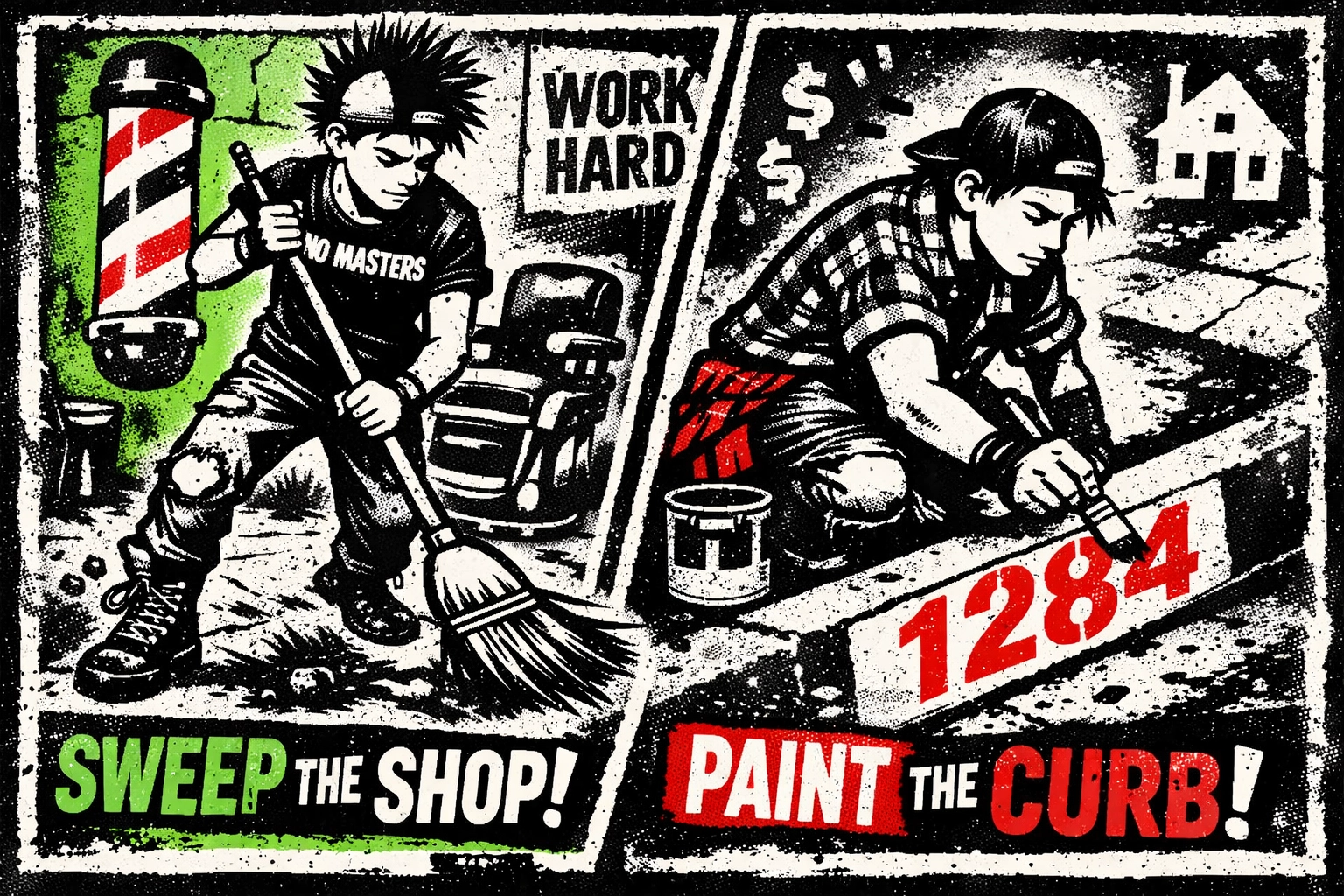
    Teen sweeping barbershop floors and painting curb numbers - Gen X side hustles in the 1990s

    Work Was the Escape

    Getting a job was freedom.

    It meant I did not have to sit in the chaos. It meant I could build something. It meant I could leave the drama and enter the real world, where effort equals pay.

    And that stuck with me.

    I did not just work jobs. I built things.

    While working full-time, I opened businesses. A t-shirt shop. A vape shop. A tech company. Because apparently sleeping was optional.

    The 96-Hour Weeks

    Let’s talk about Talyst Inc.

    I worked there for six years.

    At one point I was clocking 96 hours a week.

    Gen Z says, “That’s unhealthy.”
    Gen X says, “That’s rent.”

    The only thing that stopped that run was a serious car accident.

    Not burnout.
    Not quiet quitting.
    Not a personal brand pivot.

    A car accident.

    You can even see my employment history and reviews here: LinkedIn

    That era was not about looking tough. It was about being reliable. Showing up. Doing the job. Solving problems.
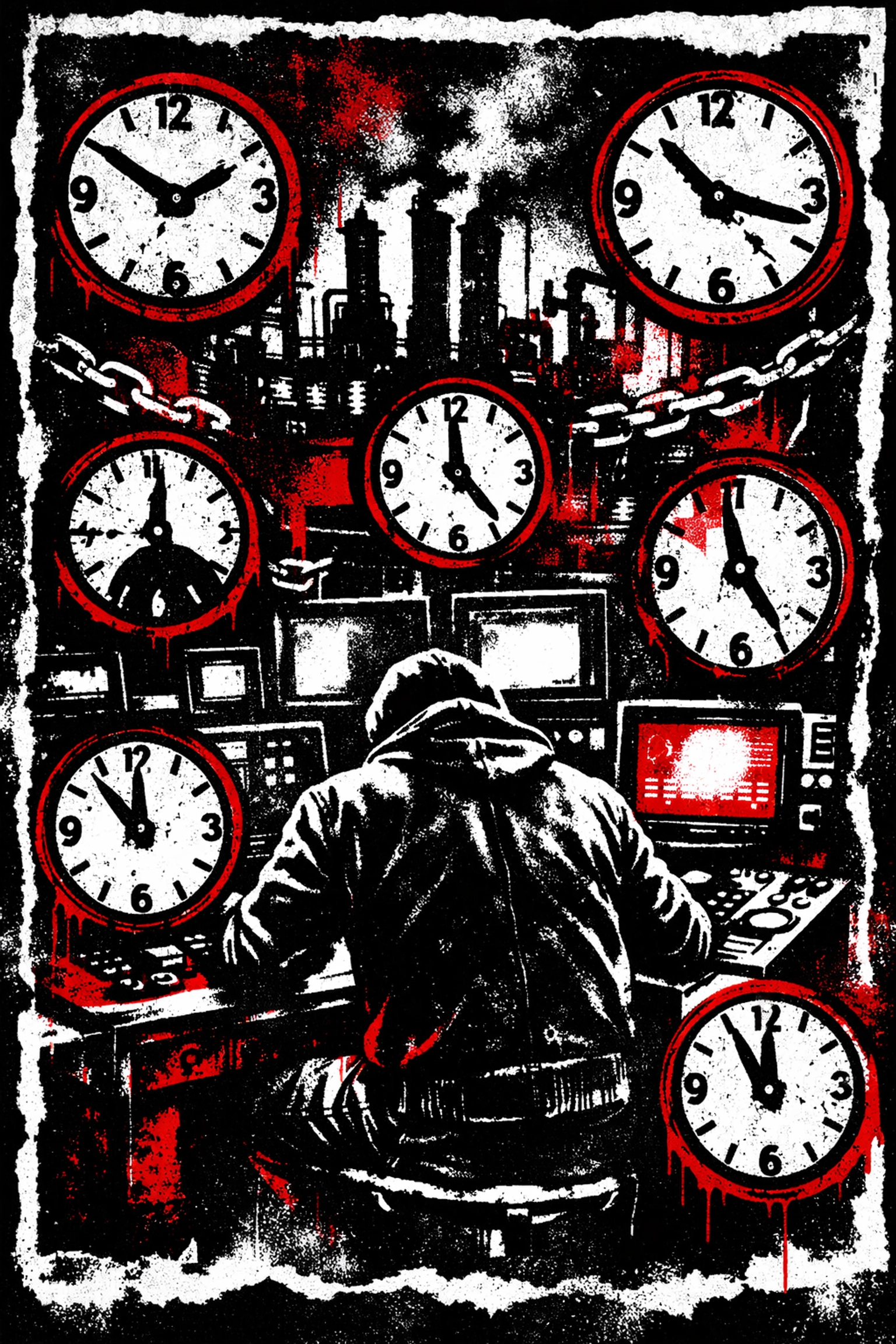
    Worker at industrial station with multiple clocks showing 96-hour work week determination

    The Accident That Changed Everything

    In May 2013, I had been working three days straight. I was training for the Tough Mudder to benefit wounded warriors. I was pushing myself to get stronger, to be tougher: not for the aesthetic, but because I wanted to contribute something real.

    You can hear me talk about it here, less than a month before the accident:

    Pre-Accident Update (YouTube)

    And here, talking about the Tough Mudder and how I “wasn’t tough” but was trying to get stronger:

    Tough Mudder Training (YouTube)

    The accident was life-changing. But here is the thing: the work I put in before that moment is what provides for my family today.

    Social Security Earnings and Long Term Work

    The Gen X vs Gen Z work ethic debate becomes very real when you look at Social Security earnings records. Decades of paying into the system matter. Working full time since age 14 compounds over time.

    Monthly Social Security benefits are not random. They are based on lifetime earnings. The difference between paying in for decades versus not paying in shows up in retirement numbers. That is not bragging. That is math.

    My Social Security record is not some abstract number. It is proof of decades of grinding.

    It is why my monthly Social Security payment is what it is. It is why I was able to give my kids’ mom $13,000 as a lump sum and $1,000 a month for the kids. It is why she gets $1,000 per month for the children.  They may not sound like a lot, but that is half of what I get a month to live on for everything, and it is significantly more than what her own father ever got from the same system (total).   I literally get 300% more than her father ever got from the same system.

    That does not come from luck. It comes from working full-time since I was 14. It comes from the 96-hour weeks. It comes from every side hustle, every business, every paycheck I earned and paid into the system.

    Compare that to someone who spent most of their life not working, not paying in. Their Social Security payment? Less than half of mine.

    That is not bragging. That is just math.
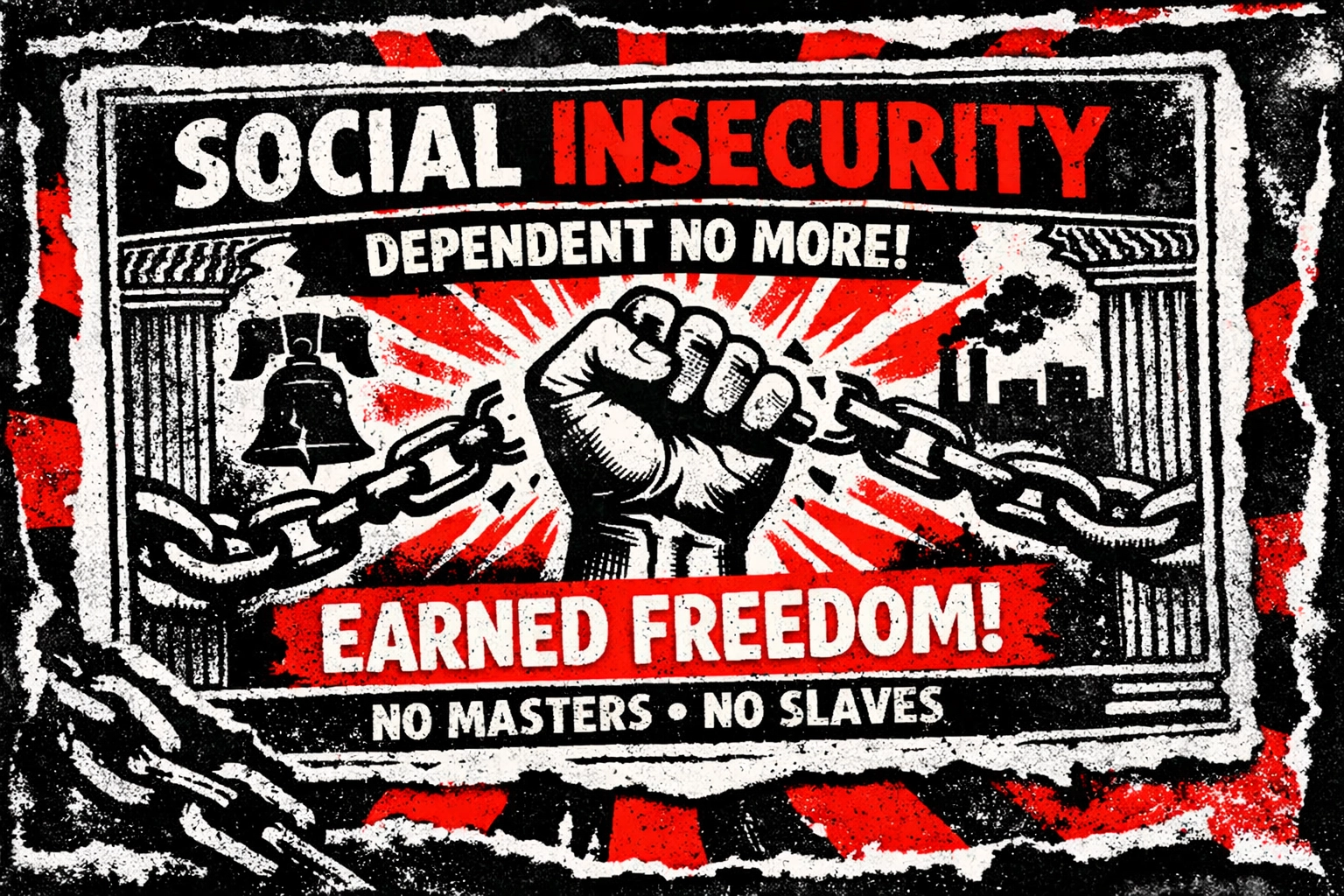
    Social Security card with liberty symbols representing decades of Gen X work ethic and earnings

    Generational Roast, With Love

    Here is the playful part.

    Gen Z says, “Boi so tuff he only needs one mango.”

    Gen X says, “Cool. Did you invoice the mango?”

    You all grew up online. We grew up outside. You mastered algorithms. We mastered overtime.

    You measure toughness in aesthetic.
    We measured it in hours logged.

    But here is the twist. It is not a competition.

    Every generation has its thing.

    Gen Z is creative, bold, and allergic to nonsense corporate culture. That is good. Push back on stupid systems. Question authority.

    Just do not confuse memes with grit.

    Determined AF

    If there is anything that defines me, it is not toughness in some chest-beating way.

    It is determination.

    • Determined to leave dysfunction.
    • Determined to earn my own way.
    • Determined to work full-time at 14.
    • Determined to stack side gigs.
    • Determined to open businesses while holding down serious jobs.

    So maybe it is not “boi so tuff.”

    Maybe it is:

    Boi so determined AF he builds his own mango tree.

    Mango tree growing through cracked concrete - determination and self-reliance metaphor

    The Real Lesson

    The humor is fine. I can take a joke.

    But here is the part I actually care about.

    Work is freedom.

    When you earn, you choose.
    When you build, you are not trapped.
    When you create value, you are not begging for it.

    That is what I learned early. Not from a meme. From necessity.

    And if Gen Z wants to roast Gen X, that is fair. Just remember, the reason some of us look so stubborn is because we had to be.

    We were not trying to look tough.

    We were trying to get out.

    And we did.

    So yeah.

    “Boi so tuff he only needs one mango.”

    Nah.

    Boi so driven he planted an orchard.

    Real Grit Is Built Over Time

    The Gen X vs Gen Z work ethic debate should not divide us. It should sharpen us.

    Memes fade. Algorithms change. Trends die.

    Work remains.
    Contribution remains.
    Responsibility remains.

    Maybe “boi so tuff” is funny.

    But real determination is built over decades of effort. Real grit is proven in earnings records, long work weeks, businesses launched, and people provided for.

    That is not aesthetic toughness. That is earned freedom.


    Sources & References


    Keywords: Gen X vs Gen Z, work ethic, agricultural wages, Social Security earnings, Talyst Inc, Tough Mudder, determination, financial freedom, providing for family, 90s hustle, side hustle history, Gen X grit, Disruptarian commentary, punk rock libertarian

    Spun Web Technology SMART SEO
    Spun Web Technology SMART SEO

  • Digital Sovereignty: How to Protect Your Content From Big Tech Censorship

    They didn’t just delete our accounts. They deleted our history.

    Hundreds of thousands of followers, gone. Years of podcasts, music mixes, commentary, vaporized. And worse: family photos. Videos of the kids. Moments you can’t get back. Irreplaceable memories stored on platforms we thought were permanent.

    Turns out, when you’re a digital tenant, you don’t own anything. You rent space on someone else’s server, and when they decide you’re a problem, they kick you out. No trial. No appeal. Just a Terms of Service violation email and a locked door.

    We learned that lesson the hard way. And we’re never going back.

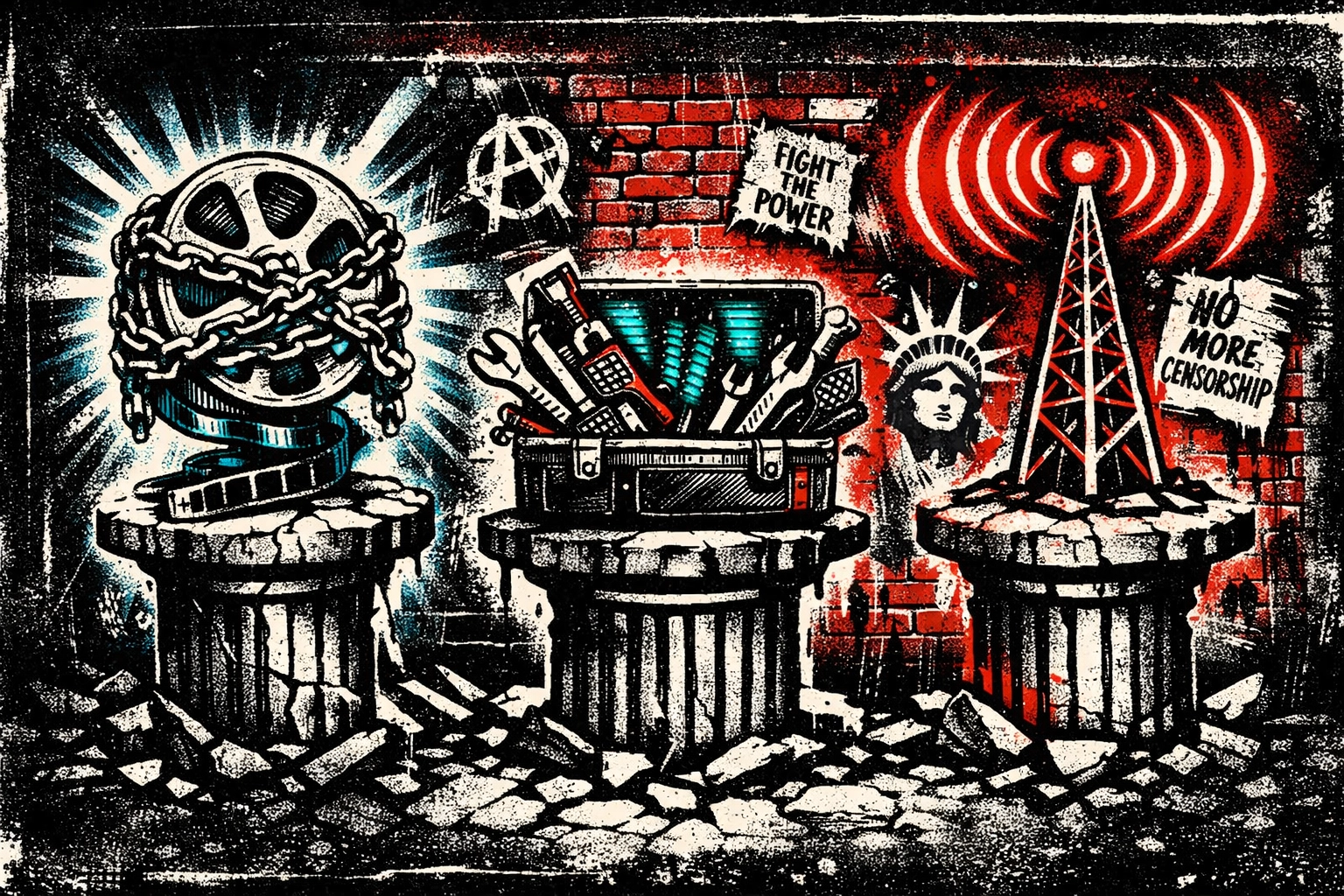
    This isn’t a post about begging for our accounts back or complaining about fairness. This is about what we did next: we became digital preppers. We built our own infrastructure. And we’re giving away the blueprints so you can do the same.

    Person standing defiantly against crumbling Big Tech servers after digital deplatforming and censorship

    The Gut Punch: When Big Tech Deletes Your Life

    Let me be clear about what happened.

    We lost multiple accounts. Some had 100,000+ followers. Some had 250,000+. That’s not just vanity metrics, that’s a decade of relationship-building, content creation, and audience trust. That’s direct communication with people who wanted to hear what we had to say.

    But the real gut punch wasn’t the follower count. It was the personal content.

    Family videos. Photos of the kids at ages they’ll never be again. Birthday parties. Road trips. Stupid little moments that don’t matter to anyone but us, and that’s exactly why they mattered so much.

    We stored them on platforms that promised convenience. Upload once, access anywhere. Sounds great until “anywhere” becomes “nowhere” because some algorithm flagged your account.

    And here’s the thing: we weren’t alone. This has happened to thousands of creators, activists, and regular people who said something that didn’t fit the narrative of the week. The censorship hammer doesn’t just hit “dangerous voices.” It hits anyone the system decides is inconvenient.

    That’s when we stopped asking permission and started building.

    From Tenant to Owner: The Pivot

    When you rent, the landlord has all the power. When you own, you control the foundation.

    We decided to stop being digital tenants. That meant moving everything we could into spaces where we control the infrastructure, the backups, and the access. Places where no single company could flip a switch and erase us.

    This isn’t about being paranoid. It’s about being realistic. If something can be deleted, it probably will be. If it can be censored, it will be censored eventually. That’s not conspiracy theory, it’s probability.

    So we built a system. Three layers of defense:

    1. Archive everything publicly so it’s preserved even if we disappear.
    2. Open-source the tools so anyone can replicate what we’re doing.
    3. Distribute across platforms that don’t play by Silicon Valley’s rules.

    Here’s how we did it, and how you can too.

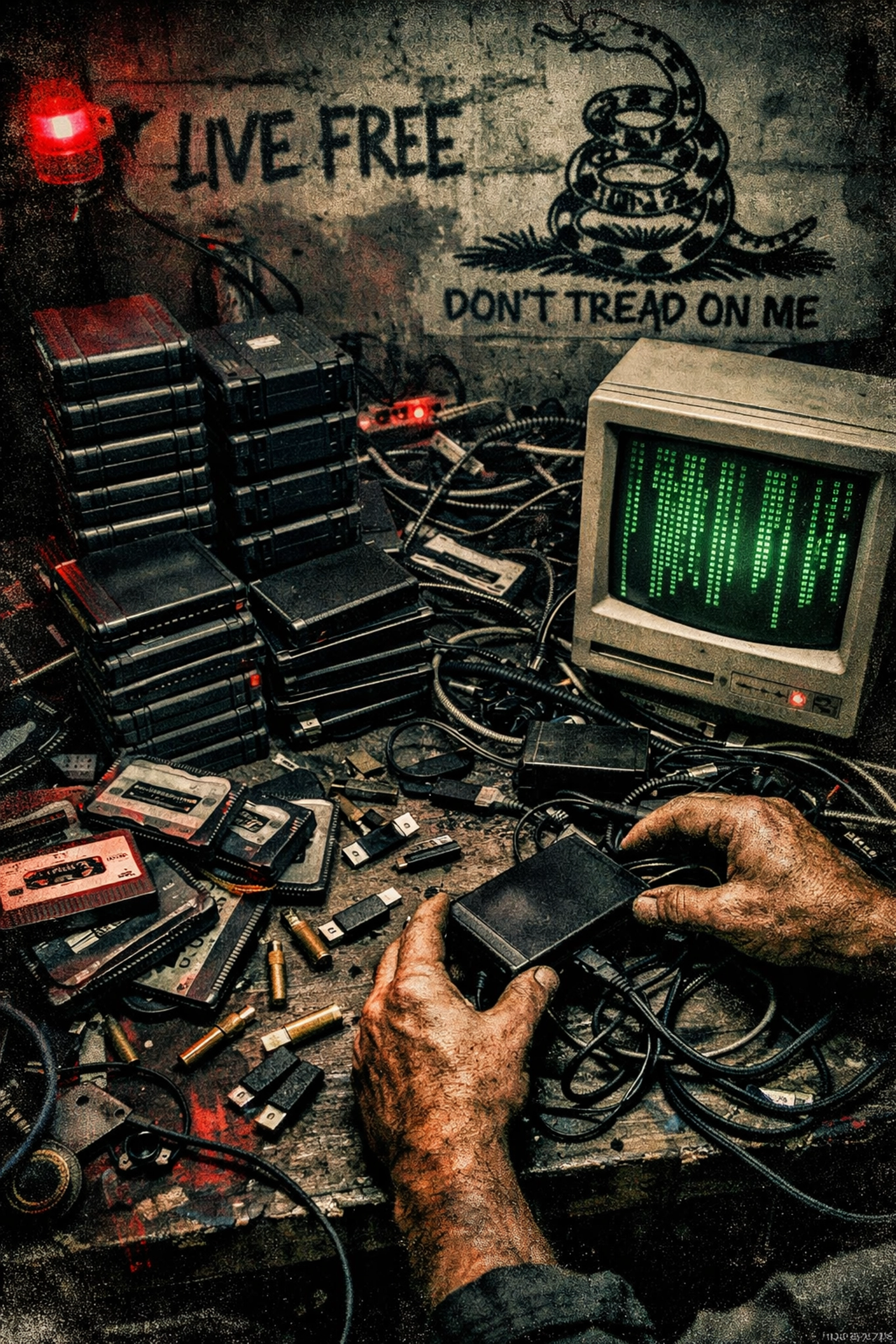
    Building digital infrastructure from hard drives and open source code for platform independence

    The Arsenal: Archive.org, GitHub, and Rumble

    Archive.org: The Memory Hole Insurance

    First stop: Archive.org/details/@veracitylife

    The Internet Archive is one of the last truly open repositories on the web. It’s a nonprofit library that archives everything, websites, videos, books, audio. And unlike Facebook or YouTube, they’re not going to delete your content because someone reported it for “misinformation.”

    We upload everything there. Podcasts. Radio mixes. Commentary. Even family videos (the ones we don’t mind being public). Once it’s archived, it’s there. Permanently. Indexed. Searchable. Preserved.

    If someone tries to memory-hole our content again, they can’t. It’s already in the library.

    This is digital sovereignty at its most basic: you can’t censor what you don’t control.

    And the best part? Anyone can do this. You don’t need special access. Just create an account and start uploading. Back up your YouTube channel. Archive your blog. Save your photos. Make it impossible for any single company to erase you.

    GitHub: The Armory

    Second layer: GitHub.com/veracitylife

    GitHub is where we store the code. The blueprints. The tools we built to run our own platform without begging Big Tech for permission.

    We’ve developed free, open-source software for:

    • Radio broadcasting and automation
    • Content distribution systems
    • Search and indexing tools (like the GnosticBible SuperSearch WordPress Plugin)
    • Archival infrastructure so anyone can run their own digital library

    Why give it away for free? Because the fight against censorship isn’t about hoarding tools, it’s about making it impossible to silence people. If 10,000 creators are running their own platforms using our code, that’s 10,000 platforms that can’t be shut down by a single CEO’s bad day.

    This is the libertarian model in action: distribute power, decentralize control, and make tyranny expensive.

    If you’re a podcaster, a musician, a content creator, or just someone who’s tired of living at the mercy of algorithms, grab the software. It’s yours. Fork it. Improve it. Use it to build something they can’t take down.

    Three pillars of anti-censorship tools: Archive.org preservation, GitHub code, and Rumble video platform

    Rumble: The Video Refuge

    Third layer: Rumble.com/user/Disruptarian

    Rumble isn’t perfect, but it’s a hell of a lot better than YouTube when it comes to not banning you for saying the wrong thing.

    We moved all our video content there. Not because Rumble is ideologically pure or because they’re immune to pressure, but because they have different incentives. They’re building a business model that doesn’t rely on advertiser-friendly censorship.

    And that’s enough.

    You don’t need a perfect platform. You just need one that won’t delete you for having an opinion. Rumble has proven (so far) to be that platform.

    The strategy here is simple: diversify your distribution. Don’t put all your content on one platform. Spread it across multiple services with different ownership structures, different revenue models, and different jurisdictions.

    If one bans you, the others are still live. If two ban you, the archives remain. And if all of them go down, you still have the GitHub repos and the tools to rebuild.

    The “Free Archives” Strategy: Use Everything You Can

    Beyond the big three, we use every free archive we can find.

    • Wayback Machine snapshots of important pages
    • IPFS (InterPlanetary File System) for decentralized hosting
    • Peer-to-peer backup networks run by people who actually care about free speech
    • Local hard drives (old school, but it works)

    The principle is redundancy. If it matters, back it up five times in five different places. Make it so hard to erase that no one can be bothered trying.

    This is digital prepping. And in 2026, it’s not paranoia, it’s basic self-defense.

    Multiple backup devices and hard drives for digital preservation and redundancy against data loss

    Why This Matters: It’s Not Just About Us

    Here’s the thing: we’re not special. We’re not the only ones who got deplatformed. We’re not the only ones who lost irreplaceable content.

    This is happening to independent journalists. Musicians. Activists. Small business owners. Parents who posted the wrong thing in a school board meeting. People who asked the wrong questions during a crisis.

    Big Tech censorship isn’t about “dangerous misinformation.” It’s about control. And the only way to break that control is to stop depending on them.

    That’s why we’re building in the open. That’s why the software is free. That’s why the archives are public.

    Because if we can do it, you can do it. And if enough of us do it, they can’t stop all of us.

    The Call to Action: Grab the Tools and Start Building

    Here’s what you can do right now:

    1. Back up your content. Everything. Photos, videos, posts, podcasts. Use Archive.org. Use local drives. Use whatever works. Just don’t leave it on someone else’s server as your only copy.
    2. Check out our GitHub. Download the free software. Run your own radio station. Build your own content library. Take control of your platform.
    3. Diversify your distribution. Don’t rely on one platform. Spread your content across multiple services. Make it impossible to silence you with one ban.
    4. Share the tools. If you know someone who got deplatformed, send them this post. If you know a creator who’s one strike away from deletion, tell them about the archives. The more people who build their own infrastructure, the harder censorship becomes.

    This isn’t about being anti-technology. It’s about being pro-freedom. The internet was supposed to be decentralized. It was supposed to be a place where anyone could speak and anyone could listen.

    We’re bringing that back. One archive, one repo, one platform at a time.

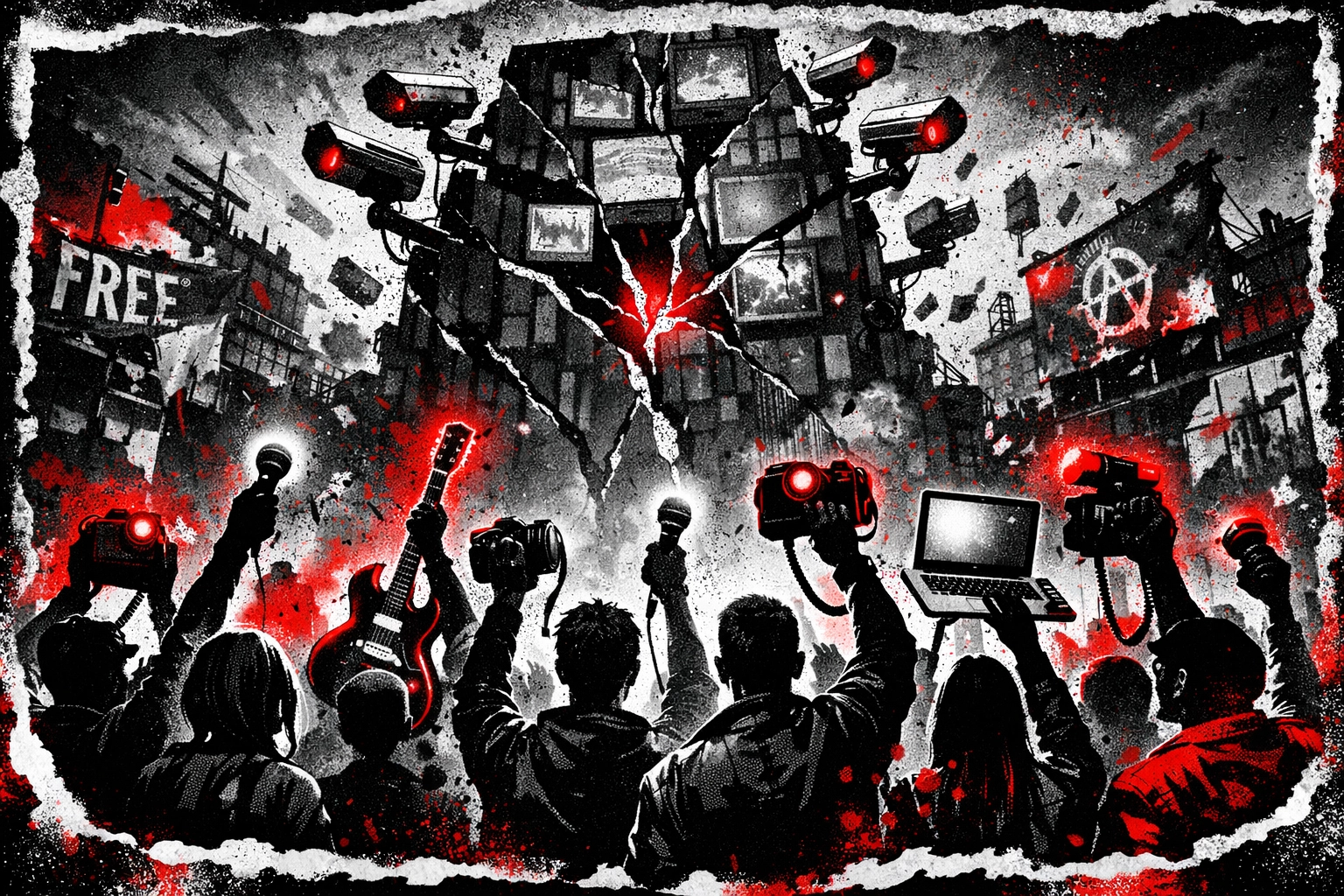
    Content creators and independent voices united against Big Tech censorship and surveillance


    Sources & Tools


    Note to Sonny (Social Media Manager): New blog post is live. Please schedule promotion across all active channels per the social media guidelines. Include the post link: /blog/digital-sovereignty-fighting-big-tech-censorship and emphasize the free tools on GitHub angle: this one’s built for shares. Let me know if you need pull quotes or custom graphics. ( Ryan)

    Spun Web Technology SMART SEO

    Spun Web Technology SMART SEO

  • Disruptarian Radio Social Media Censorship Exposed: Big Tech Pressure, and the Social Credit Future

    I used to think censorship was a guy in a suit showing up with a stamp. Now it’s a “Terms of Service” update, a silent algorithm tweak, and your whole reach evaporates like it never existed.

    In this video, I break down how censorship actually works in the real world: private platform censorship, shadowbanning, government pressure on Big Tech, the Obama era I R S targeting scandal, recent controversy around F B I intelligence products involving religious communities, and why all of this points toward an American flavored social credit system where the screen just says “Denied.”

    Then I show what I’m doing about it. Over the past year I’ve been building and releasing free, open source tools through Veracity Life to help creators and communities protect their content, archive their work, and build independence outside the walled gardens.

    GitHub: https://github.com/veracitylife

    If you’re tired of censorship, vendor lock in, and begging platforms for mercy, this is where real control begins.

    Spun Web Technology SMART SEO

    Spun Web Technology SMART SEO

  • Embracing Change: How AI Jobs Shift Opens New Opportunities

    AI Is Replacing Jobs… But That’s Not the End of the World

    By Ryan “Dickie” Thompson

    We’re living in a time where artificial intelligence is changing everything. People are watching their careers vanish overnight. Writers, graphic designers, drivers, and factory workers: all being replaced or undercut by AI and automation.

    My ex-wife is one of them. She used to do creative freelance work, and now AI tools can do much of it faster and cheaper. She’s not alone. My cousin drives a bus—how long until that gets automated too?

    But here’s the part people miss: this isn’t new. This is just history repeating itself.

    This Has Happened Before

    In the 1800s, the cotton gin replaced thousands of laborers. Some of that labor was done by slaves. In that case, machines didn’t just make work easier—they reduced the economic incentive for slavery.

    Later on, machines and hydraulic systems took over industrial jobs. Yes, people lost work. But those awful, dangerous jobs were replaced with higher-paying roles in maintenance, engineering, and design. More thinking, less back-breaking.

    I’ve worked with my hands all my life. Construction, robotics, surveillance installs—you name it. I even lost a finger doing manual labor. But I’ve also spent years on the digital side: coding, automating workflows, building websites. I used tools like Liberbot and Jary before most people had even heard of automation. And long before ChatGPT was a thing, I was building systems to remove repetitive tasks from my workflow.

    Opportunity or Threat? It’s How You See It

    Every shift in technology brings fear. People feel displaced. That’s real, and I respect it. But fear doesn’t stop change.

    Look at bookstores. Nobody mourns their loss. Amazon made buying books easier and cheaper. Same with Uber. It crushed the taxi industry, but it also opened the door for thousands of drivers without needing expensive medallions or special licenses.

    AI is the same kind of disruption. It’s not evil. It’s efficient. It’s faster, smarter, and it doesn’t get tired.

    The Real Danger Isn’t the Tech—It’s Us

    I spoke in Japan in 2019 about AI ethics. One of the biggest risks I see is that AI reflects us. We’re its teachers. And let’s be honest: humanity doesn’t exactly have a great moral track record.

    We kill the most vulnerable among us every year—over 800,000 abortions in the U.S. alone. And most of those aren’t for health reasons. They’re for convenience. If that’s how we treat each other, what kind of ethics are we passing on to AI?

    Elon Musk put it well: humans paving a road don’t hate ants—they just don’t care if they’re in the way. If we keep treating life as disposable, AI might treat us the same.

    What Should We Do?

    I’m not here to tell you to give up. Quite the opposite.

    If you’re worried about your kids or your own future, start learning the tools. Learn AI. Use it. Master it. Then make it work for you.

    Do what you love—but make it future-proof. I’ve always loved writing and content creation. In the 90s, I was doing it on bulletin board systems before you could even make money doing it. Now I use AI to scale what I love.

    Don’t fight the machine. Build with it.


    Sources:


    What I want my children to know about the AI revolution and how it changes the job market

    Spun Web Technology SMART SEO

    Spun Web Technology SMART SEO

  • AI Is Replacing Jobs Fast: Why Automation Is Not All Bad

    AI Is Replacing Jobs Fast: Why Automation Is Not All Bad

    Disruptarian featured image for AI Is Replacing Jobs Fast: Why Automation Is Not All Bad

    Verified at: 2026-06-21T03:25:23

    AI Is Replacing Jobs Fast: Why Automation Is Not All Bad is the kind of subject that fits the Disruptarian lane because it sits where independent media, culture, music, and political commentary collide.

    The source description frames it this way: A practical Disruptarian look at AI job replacement, automation, and why technological disruption is not automatically a disaster. Ryan Thompson connects the current AI shift to earlier industrial revolutions and argues that workers, creators, and small businesses need adaptation, skill building, and honest strategy instead of denial. Original source video: https://www.youtube.com/watch?v=3aprnoXO1Kw Disruptarian: https://www.disruptarian.com

    The useful question is not only what happened, but why the story matters to people who distrust scripted narratives, recycled outrage, and corporate-approved commentary.

    A Disruptarian reading starts with individual agency. The listener is not asked to accept a packaged conclusion. The point is to pull the claim apart, compare incentives, and look for the pressure points that legacy media often skips.

    That approach matters for libertarian radio commentary because the audience is usually looking for more than a headline. They want context, motive, contradiction, and a practical sense of how public stories become private consequences.

    The cultural layer is just as important. Disruptarian music and reggae punk energy are not decorations around the message. They give the work its rhythm: skeptical, confrontational, and rooted in the idea that speech should stay alive even when institutions prefer silence.

    For search readers arriving cold, the primary source is included below either as an embed or as a direct source link. Start there if you want the full tone, timing, and argument. The written analysis expands the title and description into a searchable article that can stand on its own.

    The strongest SEO value here is clarity. The article keeps the title language visible, uses descriptive headings, and connects the topic to Disruptarian Radio, independent media, libertarian commentary, political culture, and original music without stuffing the page with empty repetition.

    The larger takeaway is simple: independent commentary survives by documenting what was said, preserving the source, and adding a point of view that does not depend on permission from gatekeepers.

    That is why this post exists as part of the static Disruptarian archive. The video remains embedded, the title and description remain traceable, and the surrounding article gives search engines and readers enough context to understand why the episode belongs in the broader Disruptarian catalog.

    The title itself carries the first keyword signal, but a durable post needs more than a copied headline. It needs a clear H1, a concise meta description, a featured image with descriptive alt text, and enough editorial framing for readers to know why the video is part of this archive.

    From an independent media perspective, the value is in keeping the primary source visible. Embedding the video prevents the article from becoming detached commentary. Readers can compare the written interpretation against the actual recording and decide whether the argument holds up.

    The libertarian angle is not automatic partisanship. It is a suspicion of concentrated power, public manipulation, and narratives that ask citizens to outsource judgment. That suspicion applies to government, platforms, corporations, activist institutions, and media brands alike.

    Disruptarian Radio also treats culture as evidence. Music, political language, online mobs, censorship fights, moral panics, and personal stories all reveal where pressure is being applied. That is why a radio episode can be more than entertainment; it can become a record of a moment.

    For listeners who follow DJ Disruptarian, the same pattern shows up in the music catalog: reggae rhythm, punk edge, spiritual critique, and anti-authoritarian instinct. The written post keeps that identity attached to the video instead of letting it disappear into a platform feed.

    Good SEO on a page like this should help people find the conversation without flattening the voice. The article uses natural phrases such as Disruptarian Radio, independent media, libertarian podcast, political commentary, original music, and disruptive conversations only where they make sense.

    The featured image should follow the Disruptarian editorial-collage style: torn paper, smoke, halftone grit, dirty cream paper, black and oxblood pressure, muted gold accents, and symbolic props tied to the subject rather than generic filler. Its alt text names the subject so search engines and screen readers get useful context.

    The article also keeps a stable URL under the static blog. That matters because feeds move, platforms change embeds, and social links decay. A static post gives the episode a second home that can be indexed, backed up, linked, and reviewed later.

    The final point is documentation. When a channel publishes a new video, the title and description are often the only structured metadata available. Turning that metadata into a post creates a stronger archive without pretending to replace the original recording.

    This is the practical Disruptarian method: preserve the video, state the source, add commentary, keep the searchable terms honest, and let the reader move between the embedded media and the written analysis without friction.

    This additional context keeps the post useful for readers who arrive from search rather than from the original channel. It explains the source, preserves the embed, and connects the subject back to the larger Disruptarian archive.

    This additional context keeps the post useful for readers who arrive from search rather than from the original channel. It explains the source, preserves the embed, and connects the subject back to the larger Disruptarian archive.

    This additional context keeps the post useful for readers who arrive from search rather than from the original channel. It explains the source, preserves the embed, and connects the subject back to the larger Disruptarian archive.


    The shortlink was copied to your clipboard

    X
    f
    r

    Related Reading

    Similar posts


    Disruptarian Blog

    2026-06-20

    Disruptarian Blog

    Disruptarian commentary on AI Could Save Humanity or Destroy It: The Truth About the Machine Future with embedded source video, independent media context, and libertarian radio analysis.

  • Political Suppression Through Federal Power: Lawfare, January 6, and Platform Control

    Introduction: When Political Suppression Through Federal Power Becomes Normalized

    Political suppression through federal power doesn’t arrive all at once. It doesn’t announce itself with a single law or executive order. Instead, it emerges quietly—through precedent, deference, and the steady erosion of limits.

    Americans are taught to trust institutions. Courts, law enforcement agencies, prosecutors, regulators. That trust is supposed to be reciprocal. When institutions act with transparency and restraint, the public grants legitimacy. When they don’t, legitimacy erodes.

    Over the past several years—particularly after January 6—many Americans have begun to question whether federal power is still being exercised neutrally, or whether it has been repurposed as a political instrument.

    This article examines that question directly.

    What follows is not a defense of any politician or party. It is an analysis of political suppression through federal power, based on sworn testimony, inspector general reports, court rulings, and mainstream reporting. The pattern that emerges is not partisan hysteria—it is institutional drift.

    Why January 6 Became the Justification for Expanded Federal Power

    January 6 was a riot. It was also a national trauma. But it quickly became something else: a moral and political justification for extraordinary federal action.

    Emergency logic took hold.

    Once January 6 was framed as an existential threat, normal guardrails weakened. Oversight questions were treated as bad faith. Legal ambiguity was resolved in favor of maximum enforcement. Dissent—particularly conservative dissent—was recast as suspect by default.

    Political suppression through federal power thrives in moments like this. Crisis is its fuel.

    The FBI Credibility Crisis and “DC Answers”

    Congressional oversight is meaningless without candor. Yet when FBI leadership was questioned under oath about January 6, answers were evasive, technical, and often implausible.

    Former FBI Director Christopher Wray repeatedly denied knowledge of whether undercover agents or confidential human sources were present in the January 6 crowd. That claim strains credibility. Large federal agencies do not “forget” deployments connected to the most significant domestic security event in decades.

    Former officials and lawmakers described these responses as “DC answers”—technically precise, practically misleading.

    That distinction matters. Political suppression through federal power does not require lying. It requires controlled ambiguity.

    Embedded Video: FBI Oversight Testimony

    Contradictions, Whistleblowers, and Competing Narratives

    Former officials, including Kash Patel, publicly disputed Wray’s testimony, asserting that hundreds of FBI agents were deployed in Washington after the riot was declared and that Congress was misled.

    Embedded Video: Kash Patel Responds

    If even part of these claims are accurate, the issue is not optics—it is perjury and institutional self-protection.

    More Hearings, Same Pattern

    Additional testimony before the Senate Judiciary Committee reinforced concerns that accountability was being evaded through language rather than facts.

    Congressional Pushback Without Consequence

    House Republicans escalated oversight questioning, but hearings increasingly resembled theater rather than enforcement.

    Political suppression through federal power becomes durable when oversight exists without penalties.

    Surveillance, FISA, and the Collapse of Assurances

    Congress was repeatedly assured that FISA authorities were responsibly used. Inspector General reports later contradicted those assurances, revealing widespread failures and millions of warrantless searches.

    The problem was not merely abuse. It was misrepresentation.

    Lawfare: When Process Becomes Punishment

    Lawfare does not require fabricated charges. It requires relentless process.

    Searches, seizures, subpoenas, indictments, and contempt prosecutions—especially when clustered around one political faction—produce real consequences even before verdicts are reached.

    Even when each action is lawful, the aggregate effect matters.

    Big Tech and the Indirect Suppression of Speech

    Political suppression through federal power increasingly operates by proxy.

    Platform executives acknowledged federal pressure to remove or suppress content. Courts debated coercion versus persuasion. But the ethical question remains: can the government do indirectly what it cannot do directly?

    When speech is suppressed after sustained government pressure, the First Amendment’s spirit is compromised even if doctrine lags.

    My Position

    This is not about defending individuals. It is about defending limits.

    A constitutional system requires restraint, accountability, and symmetry. When those erode, suppression becomes normalized—and dissent becomes risky.

    What follows are 42 documented points that illustrate this pattern.

    The 42 Points (With Sources)

    Note: These are documented events, allegations, findings, or disputes—not judicial conclusions unless stated.

    January 6, FBI, and Oversight (1–22)

    1. Kash Patel challenged prior FBI leadership over agent presence on January 6.
      • Source | https://www.foxnews.com/politics/fbis-patel-clarifies-role-hundreds-agents-jan-6-says-wray-lied-congress
      • Source | https://kfoxtv.com/news/nation-world/new-house-panel-to-re-investigate-jan-6th-trump-patel-respond-to-report-on-attack-fbi-christoper-wray
    2. Patel alleged Christopher Wray misled Congress.
      • Source | https://www.foxnews.com/politics/fbis-patel-clarifies-role-hundreds-agents-jan-6-says-wray-lied-congress
      • Source | https://en.wikipedia.org/wiki/Aftermath_of_the_January_6_United_States_Capitol_attack
    3. Wray denied embedded FBI agents or sources.
      • Source | https://www.c-span.org/video/?c4977765/user-clip-wray-jan-6-testimony
      • Source | https://judiciary.house.gov/calendar/eventsingle.aspx?EventID=5121
    4. Patel said agents were deployed after the riot was declared.
      • Source | https://www.foxnews.com/politics/fbis-patel-clarifies-role-hundreds-agents-jan-6-says-wray-lied-congress
      • Source | https://x.com/FBIDirectorKash/status/1972096661007880321
    5. Patel said the deployment violated FBI policy.
      • Source | https://justthenews.com/government/federal-agencies/kash-patel-says-fbi-crowd-control-role-violated-policy
      • Source | https://thefederalist.com/2025/01/15/kash-patel-fbi-jan-6-agents/
    6. DOJ IG confirmed confidential human sources were present in D.C.
      • Source | https://oig.justice.gov/sites/default/files/reports/23-001.pdf
      • Source | https://www.foxnews.com/politics/doj-ig-reveals-number-fbi-confidential-sources-ground-during-jan-6
    7. Lawmakers accused Wray of evasive testimony.
      • Source | https://oversight.house.gov/release/oversight-republicans-press-fbi-for-answers-on-jan-6/
      • Source | https://www.c-span.org/video/?518834-1/fbi-director-wray-testifies-house-judiciary-committee
    8. Concerns about quota-like January 6 prosecutions.
      • Source | https://judiciary.house.gov/media/press-releases/jordan-questions-jan-6-prosecution-practices
      • Source | https://www.foxnews.com/politics/gop-lawmakers-raise-concerns-about-jan-6-prosecution-quotas
    9. Wray testified FISA court found no misconduct.
      • Source | https://www.c-span.org/video/?c4875159/user-clip-wray-fisa-testimony
      • Source | https://www.fbi.gov/news/testimony/fbi-oversight-hearing
    10. DOJ IG later found widespread FISA failures.
      • Source | https://oig.justice.gov/reports/2023/a23001.pdf
      • Source | https://www.wsj.com/articles/fbi-fisa-abuse-report-inspector-general-11673291152
    11. Millions of warrantless FISA searches occurred.
      • Source | https://www.dni.gov/files/ODNI/documents/assessments/2022_FISA_702_Statistical_Transparency_Report.pdf
      • Source | https://www.nytimes.com/2023/04/28/us/politics/fbi-fisa-searches.html
    12. Lawmakers accused FBI of minimizing abuses.
      • Source | https://judiciary.house.gov/media/press-releases/house-gop-presses-fbi-on-fisa-abuses
      • Source | https://www.washingtonexaminer.com/news/justice/fbi-fisa-credibility-crisis
    13. FBI admitted corrupted phone data in pipe-bomb probe.
      • Source | https://judiciary.house.gov/media/press-releases/jordan-demands-answers-on-jan-6-pipe-bombs
      • Source | https://www.foxnews.com/politics/fbi-admits-corrupted-phone-data-jan-6-pipe-bomb-investigation
    14. FBI declined to explain discovery of second pipe bomb.
      • Source | https://www.c-span.org/video/?521287-1/fbi-director-wray-testifies-jan-6-pipe-bombs
      • Source | https://www.washingtonexaminer.com/news/justice/fbi-quiet-pipe-bomb-questions
    15. Pipe bomber remains unidentified.
      • Source | https://www.fbi.gov/wanted/seeking-info/january-6-pipe-bomber
      • Source | https://www.nbcnews.com/politics/justice-department/jan-6-pipe-bomber-still-unidentified-rcna137698
    16. Trump accused Wray of lying to Congress.
      • Source | https://truthsocial.com/@realDonaldTrump/posts/111786944758199355
      • Source | https://www.foxnews.com/politics/trump-calls-wray-disgrace-fbi-jan-6-testimony
    17. Trump demanded prosecution of Wray.
      • Source | https://truthsocial.com/@realDonaldTrump/posts/111792304887551902
      • Source | https://www.newsweek.com/trump-wray-disgrace-fbi-perjury-claim-1872211
    18. Patel said whistleblowers contradict FBI leadership.
      • Source | https://judicialwatch.org/kash-patel-whistleblowers-jan-6/
      • Source | https://justthenews.com/government/federal-agencies/patel-says-whistleblowers-undermine-wray-testimony
    19. Patel alleged institutional failure of transparency.
      • Source | https://thefederalist.com/2025/01/20/kash-patel-fbi-transparency-failure/
      • Source | https://www.dailycaller.com/2025/01/22/kash-patel-fbi-oversight/
    20. Patel claimed 274 FBI agents were embedded post-riot.
      • Source | https://www.foxnews.com/politics/patel-says-274-fbi-agents-jan-6
      • Source | https://judicialwatch.org/fbi-274-agents-jan-6-disclosure/
    21. Biden officials pressured platforms to censor content.
      • Source | https://www.pbs.org/newshour/politics/zuckerberg-says-the-white-house-pressured-facebook-to-censor-some-covid-19-content-during-the-pandemic
      • Source | https://www.wsj.com/articles/zuckerberg-biden-white-house-pressure-facebook-11694720958
    22. Conservatives argue this amounted to unconstitutional censorship.
      • Source | https://www.supremecourt.gov/opinions/23pdf/23-411_3dq3.pdf
      • Source | https://www.scotusblog.com/2024/06/justices-side-with-biden-over-governments-influence-on-social-media-content-moderation/

    Lawfare, DOJ, and Enforcement (23–42)

    1. Mar-a-Lago search (Aug. 8, 2022).
      • Source | https://www.justice.gov/opa/pr/department-justice-files-motion-unseal-mar-lago-search-warrant
      • Source | https://www.reuters.com/world/us/fbi-searches-trumps-mar-a-lago-home-2022-08-09/
    2. Special counsel charging decisions involving Trump.
      • Source | https://www.justice.gov/sco
      • Source | https://www.reuters.com/world/us/us-special-counsel-bring-charges-against-trump-2023-06-08/
    3. Federal election-interference indictment (Aug. 2023).
      • Source | https://www.justice.gov/opa/pr/grand-jury-indicts-donald-j-trump
      • Source | https://www.reuters.com/world/us/trump-pleads-not-guilty-federal-election-interference-charges-2023-08-03/
    4. “Fake electors” probe subpoenas.
      • Source | https://www.reuters.com/world/us/us-justice-dept-subpoenas-trump-allies-fake-electors-probe-2022-06-22/
      • Source | https://www.politico.com/news/2022/06/22/justice-department-fake-electors-00041632
    5. FBI seizure of Rep. Scott Perry’s phone.
      • Source | https://www.reuters.com/world/us/fbi-seizes-phone-us-republican-lawmaker-scott-perry-2022-08-09/
      • Source | https://www.nytimes.com/2022/08/09/us/politics/scott-perry-phone-fbi.html
    6. FBI seizure of John Eastman’s phone.
      • Source | https://www.reuters.com/world/us/fbi-seizes-phone-trump-lawyer-john-eastman-2022-06-27/
      • Source | https://www.latimes.com/california/story/2022-06-27/fbi-seizes-phone-of-john-eastman
    7. Search of Jeffrey Clark’s home.
      • Source | https://www.pbs.org/newshour/politics/fbi-searches-home-of-former-trump-doj-official-jeffrey-clark
      • Source | https://www.nytimes.com/2022/06/22/us/politics/jeffrey-clark-fbi-search.html
    8. Searches of Rudy Giuliani’s home and office.
      • Source | https://www.reuters.com/world/us/fbi-searches-home-office-rudy-giuliani-2021-04-28/
      • Source | https://www.nytimes.com/2021/04/28/nyregion/rudy-giuliani-fbi-search.html
    9. Project Veritas raids tied to Ashley Biden diary case.
      • Source | https://www.reuters.com/world/us/us-prosecutors-can-use-project-veritas-seized-materials-court-rules-2023-08-25/
      • Source | https://www.nytimes.com/2021/11/06/us/project-veritas-ashley-biden-diary.html
    10. Steve Bannon contempt conviction and sentencing.
      • Source | https://www.justice.gov/opa/pr/stephen-k-bannon-sentenced-contempt-congress
      • Source | https://www.reuters.com/world/us/trump-ally-bannon-sentenced-contempt-congress-2022-10-21/
    11. Peter Navarro contempt indictment.
      • Source | https://www.justice.gov/opa/pr/peter-navarro-indicted-contempt-congress
      • Source | https://www.reuters.com/world/us/ex-trump-adviser-peter-navarro-arrested-contempt-congress-2022-06-03/
    12. Scale of January 6 prosecutions.
      • Source | https://abcnews.go.com/Politics/1300-jan-6-defendants-charged-doj/story?id=104343238
      • Source | https://www.justice.gov/usao-dc/30-months-jan-6-attack-capitol
    13. Supreme Court narrowed obstruction statute used in Jan. 6 cases.
      • Source | https://www.supremecourt.gov/opinions/23pdf/23-5572_6jgm.pdf
      • Source | https://www.reuters.com/world/us/us-supreme-court-limits-obstruction-law-used-jan-6-cases-2024-06-28/
    14. DOJ IG clarified informants/CHS role around Jan. 6.
      • Source | https://oig.justice.gov/reports/2023/a23001.pdf
      • Source | https://www.reuters.com/world/us/us-justice-dept-ig-says-fbi-informants-were-present-around-jan-6-2023-12-12/
    15. Garland school-board memo controversy.
      • Source | https://www.justice.gov/opa/pr/attorney-general-garland-issues-memo-addressing-school-board-threats
      • Source | https://www.reuters.com/world/us/us-justice-dept-asks-fbi-help-address-threats-against-school-boards-2021-10-05/
    16. “Radical traditionalist Catholic” FBI memo and IG findings.
      • Source | https://oig.justice.gov/reports/2024/a24006.pdf
      • Source | https://www.reuters.com/world/us/us-justice-dept-watchdog-finds-fbi-errors-catholic-memo-2024-04-18/
    17. FACE Act enforcement controversies.
      • Source | https://www.justice.gov/crt/face-act
      • Source | https://www.reuters.com/world/us/us-justice-dept-defends-face-act-enforcement-2023-06-23/
    18. Arrest and acquittal of Mark Houck.
      • Source | https://www.justice.gov/opa/pr/philadelphia-man-acquitted-face-act-charges
      • Source | https://www.reuters.com/world/us/us-man-acquitted-biden-abortion-protests-2023-01-30/
    19. IRS visit to Matt Taibbi during testimony.
      • Source | https://www.congress.gov/event/118th-congress/house-event/115536
      • Source | https://www.reuters.com/world/us/us-lawmakers-criticize-irs-visit-journalist-matt-taibbi-2023-03-10/
    20. Jeff Fortenberry prosecution; conviction reversed on venue.
      • Source | https://www.justice.gov/opa/pr/former-us-representative-jeff-fortenberry-charged
      • Source | https://www.reuters.com/world/us/us-appeals-court-reverses-conviction-ex-lawmaker-fortenberry-2024-03-14/

    Conclusion: Receipts Matter

    Political suppression through federal power doesn’t require conspiracy. It requires normalization.

    When oversight is evaded, speech is pressured, surveillance is expanded, and enforcement appears asymmetrical, citizens stop trusting assurances. They start demanding receipts.

    These are the receipts.

    Spun Web Technology SMART SEO

    Spun Web Technology SMART SEO

  • Disruptarian Radio Nick Fuentes Goes Mainstream After Charlie Kirk Killing | Identity Politics Backlash

    After Charlie Kirk’s murder, the internet did what it always does: it panicked, picked villains, and started blaming the nearest political “other.” In that chaos, a name a lot of people had barely heard suddenly shot to the top of the feed: Nick Fuentes.

    This video is not an endorsement of Fuentes. It’s a look at the pipeline that creates people like him, and why the establishment keeps fueling it.

    Here’s the uncomfortable truth: if you spend a generation telling young men they’re “toxic,” “oppressive,” and guilty from birth, some of them eventually stop arguing and start leaning into the label. Not because it’s right, but because it’s the only identity the culture seems willing to hand them.

    We talk about:

    how identity politics turns people into tribes instead of individuals

    the old “guilty of being white” backlash that didn’t start in 2025, it’s been simmering since the 80s

    Ruby Ridge and why distrust of federal power doesn’t come out of nowhere

    deplatforming, banking bans, and why censorship is like putting duct tape over a smoke alarm

    why the answer isn’t left-wing collectivism or right-wing race politics, it’s liberty, equal rights, and personal responsibility

    If you want a real alternative to the endless outrage machine, you don’t fix it with more group guilt. You fix it by treating people as individuals and keeping the state out of our lives.

    Subscribe for more Disruptarian takes on culture, power, and freedom.

    https://www.reuters.com/world/us/conservative-influencer-charlie-kirk-shot-dead-manhunt-suspect-2025-09-11/
    https://www.reuters.com/world/no-suspect-custody-charlie-kirk-shooting-after-hours-confusion-2025-09-11/
    https://www.reuters.com/world/us/charlie-kirk-killing-live-2025-09-12/
    https://www.fbi.gov/news/press-releases/utah-valley-shooting-updates
    https://abcnews.go.com/US/charlie-kirk-murder-suspect-tyler-robinson-court-appearance/story?id=128293883
    https://apnews.com/article/charlie-kirk-assassination-tyler-robinson-media-e90d404b03383dec9e0d9a327b491920
    https://apnews.com/article/charlie-kirk-tyler-robinson-court-death-penalty-f541df08a936e06497ee2342296bc398
    https://www.pbs.org/newshour/show/tucker-carlsons-interview-with-antisemite-nick-fuentes-exposes-rift-among-republicans
    https://www.theguardian.com/us-news/ng-interactive/2025/nov/20/nick-fuentes-tucker-carlson
    https://www.theguardian.com/us-news/2025/nov/06/heritage-foundation-tucker-carlson-nick-fuentes
    https://www.jta.org/2025/11/03/politics/jewish-lawyer-quits-heritage-foundations-antisemitism-task-force-over-tucker-carlson-defense
    https://www.youtube.com/watch?v=efBB0D4tf1Y
    https://www.youtube.com/shorts/-tZOEhRp7Cg
    https://www.youtube.com/shorts/raIrEF8dz6c

    Spun Web Technology SMART SEO

    Spun Web Technology SMART SEO

  • Who Are the Proud Boys — Uncensored Rebel Guide

    Who Are the Proud Boys — Uncensored Rebel Guide

    They surfaced as a punchy internet subculture, then mutated into a street-ready political symbol. Who are the Proud Boys? For many listeners here on Disruptarian Radio, the standard narratives feel flattened — a mix of cable TV moral panic, law-enforcement press releases, and partisan talking points. Let’s cut through the noise.

    This isn’t a primer for supporters. It’s a map for skeptics who want to understand power, protest, and how movements get labeled “extremist” or “patriotic” depending on who’s speaking.

    Who Are the Proud Boys: origin, evolution, and myth

    The Proud Boys began in 2016 as a branded online scene: merch, memes, and a fratty macho aesthetic. Founded by Gavin McInnes, the group styled itself as a men’s club for “Western chauvinists” — a deliberately provocative tagline that functioned as both recruitment tool and media bait.

    But a few things changed fast. Online banter bled into offline organizing. Rallies grew rowdy. Members clashed with counter-protesters. Law enforcement and intelligence analysts began taking notes.

    Is it an extremist group? That depends on your yardstick. Some governments and watchdogs designate the Proud Boys as extremist because of violent incidents and extremist ties. Others see them as loose networks of activists and brawlers — decentralized, with rival factions and internal feuding. Labels matter, but actions matter more.

    Structure, rituals, and recruitment

    One of the Proud Boys’ strengths was its simplicity. The group offered identity: uniforms (yellow and black), rituals (membership tests), and social belonging. It gave disaffected men a place to land — gym bros, conspiracy enthusiasts, and right-leaning activists who felt dismissed by mainstream conservatism.

    Recruitment happens online and in person. Social platforms, fringe forums, and encrypted messaging apps became echo chambers. But the face-to-face element shouldn’t be underestimated. Bars, rallies, and private gatherings welded casual acquaintances into committed cells.

    Sound familiar? Movements that feel leaderless are often the most resilient. No single straw can topple them.

    Violence, law, and public perception

    The Proud Boys have been involved in numerous violent confrontations — most notably, the January 6, 2021, Capitol breach. That event elevated the group from a provocateur brand to a subject of legal prosecutions and bans.

    When individuals within a group engage in crimes, how responsible is the organization? Courts and prosecutors look for evidence of coordination, orders, or conspiracy. For many Americans, the answer is obvious; for others, accountability hinges on proof.

    But let’s be honest: public perception is a weapon. Media framing and law enforcement actions shape how future recruits interpret risk and reputation. A ban or indictment can radicalize some, silence others, and push activity deeper underground.

    Ideology: coherent doctrine or reactionary collage?

    If you expect a polished manifesto, you’ll be disappointed. The Proud Boys’ ideology is a patchwork: elements of anti-political correctness, anti-globalism, and a nostalgic attachment to “Western” culture. There’s a performative machismo that borrows from older right-wing tropes but also from internet irony.

    This raises a question: does incoherence make a movement less dangerous? Not necessarily. Groups with fuzzy ideas can still execute clear actions — especially when those actions are tactical (disrupt rallies, defend territory, provoke arrests) rather than philosophical.

    Deplatforming: solution or recruitment fuel?

    Social platforms exiled the Proud Boys en masse. That felt like a victory to those who see tech companies as gatekeepers against hate. But history shows deplatforming can redirect momentum to darker corners of the internet.

    When groups are driven from mainstream attention, their narratives can harden. Encrypted apps and alternative platforms create a feedback loop of grievance and radicalization. So, does deplatforming reduce the threat, or simply change the battlefield?

    What the state and civil society should be asking

    If you care about the health of democratic discourse, ask sharper questions:

    – Are we confusing theater with strategy? Some members thrive on being seen; others are quietly coordinating.
    – Do our responses escalate the problem? Heavy-handed prosecution without transparency can be fertile ground for martyrdom narratives.
    – Can we address the social drivers — alienation, economic dislocation, cultural disgust — that fuel these movements?

    Solutions aren’t ideological platitudes. They’re practical: targeted law enforcement where crimes are provable, public debate that resists caricature, and community-level programs that offer real belonging without violent posturing.

    Final word — Who Are the Proud Boys in 2025?

    Who are the Proud Boys today? They are a fractured, evolving network born from meme culture and fed by real-world grievance. Some members have gone to prison; others have splintered into different outfits. The brand persists, but it’s less monolith and more constellation.

    If you’re skeptical of mainstream narratives, don’t dismiss evidence. Watch patterns. Follow prosecutions. Listen to the whispers on encrypted channels, yes — but also pay attention to the people they recruit at the local level: the neighbors, coworkers, and lonely men who responded to an identity offer.

    Labels like “extremist” are useful shorthand. But for anyone serious about reducing political violence and preserving free speech, the work is less about hashtags and more about understanding why movements attract followers in the first place.

    Who are the Proud Boys? They’re a warning: when identity, anger, and social isolation find an organizing structure, the consequences spill into the streets and into institutions. The question for us is simple — how do we respond without creating more of what we fear?

    Spun Web Technology SMART SEO

    Spun Web Technology SMART SEO

  • Meta is spying: Uncensored Intel for Rebels

    Meta is spying: Uncensored Intel for Rebels

    Meta is spying — and you should care

    Let’s not pretend this is new. Big tech has been quietly turning your social life into a product for years. But Meta is spying on you in ways that go beyond farmed ads and curated outrage. This isn’t just surveillance for profit — it’s surveillance for power. And it’s happening everywhere: in your messages, through your camera, via the apps you barely notice, and behind the shiny PR that paints privacy policies as “helpful features.”

    If you’re listening to Disruptarian Radio, you already distrust the polished narrative. You smell the rot. The goal of this piece isn’t to scare-monger. It’s to arm you with plain facts, practical tactics, and a rebel’s attitude: know the mechanisms, then choose to opt out, disrupt, or fight back.

    What does “Meta is spying” mean in practice? It’s not just targeted ads. It’s behavioral, predictive, and systemic. Meta collects data that predicts how you’ll vote, who you’ll trust, what narratives will stick, and when to nudge you. It builds psychological profiles so precise they can be used to manipulate entire communities. That’s not neutral. That’s influence peddling at scale.

    How the machinery works — quick and dirty

    Meta layers its surveillance across platforms and devices. A few key tactics:

    – Cross-platform tracking: Instagram, Facebook, WhatsApp — they exchange signals. Even if you use only one, Meta can stitch together a fuller picture.
    – Camera and microphone permissions: Apps ask for access for “better experience.” That’s often a cover. Background permissions let apps harvest metadata that reveal location, mood, and company.
    – Third-party integrations: Many “innocuous” websites and apps embed Meta pixels, SDKs, and login buttons. You think you’re loading a blog post; Meta is logging your reading habits.
    – Predictive models: Machine learning isn’t neutral. It cements biases and amplifies what keeps you online — often outrage, fear, or hunger for confirmation.
    – Advertising micro-targeting: Ads aren’t generic anymore. They’re tailored narratives aimed at specific psychographic slices, not just demographics.

    Meta’s infrastructure turns ordinary digital life into a live feed for influence operations. Want to build a movement? Expect opposition; your metadata is the first battlefield.

    Meta is spying: what they can do with your data

    Let’s name the real stakes. Data isn’t just about showing you a pair of sneakers. It’s about shaping how you think.

    – Political manipulation: Ads and content can be tuned to sway voters or suppress turnout.
    – Market control: Algorithms decide which businesses thrive. Independent voices get buried.
    – Social shaming and doxxing: Data leaks are weaponized. You get canceled by design.
    – Surveillance capitalism: Your attention is the commodity; your social ties are the vessel.

    Sound paranoid? Then explain the scale and sophistication. If corporations can build tools to understand people better than they understand themselves, who’s setting ethical limits? Who’s watching the watchers?

    Simple countermeasures for practical rebels

    You don’t need to be a tech genius to reduce your exposure. You need tactics and discipline.

    – Audit your permissions now. Revoke camera and mic access for apps you don’t actively use.
    – Ditch Facebook login buttons. Create throwaway emails for sites that force social logins.
    – Use privacy browsers and blockers. Brave, uBlock Origin, and privacy-respecting DNS can blunt tracking.
    – Compartmentalize: separate accounts for friends, activism, and commerce. Less cross-linking means less stitched identity.
    – Use encrypted alternatives for messaging. Signal is not perfect, but it’s a step away from mass surveillance design.
    – Keep systems patched and remove unused apps. Old software is a backdoor.
    – Learn to operate analog: real conversations, in-person meetings, burner phones when necessary.

    These aren’t dramatic. They’re practical insurgency.

    Why regulation and tech won’t save you

    Regulators debate; tech firms talk; meanwhile, data flows. Even well-meaning laws get watered down by lobbying, loopholes, and international complexity. Meta complies enough to keep the PR machine ticking but resists anything that limits its influence.

    Why trust self-regulation from a corporation whose business model depends on surveillance? You don’t. The system needs pressure — from consumers, from activists, from court challenges. But real change also requires cultural shifts: valuing privacy, resisting hyper-connectivity, and demanding interoperable ecosystems that don’t monopolize attention.

    Final call: don’t be a passive data point

    If you assembled this world, you’d control it. Meta didn’t just appear: we allowed affordances, convenience, and apathy to build it. The good news? We can dismantle parts of it with informed choices and collective pressure.

    Meta is spying. Repeat that to yourself until it matters. Then act accordingly: cut permissions, switch tools, support decentralization, and refuse to be passively optimized. You don’t need to vanish to be free — you need to be strategic.

    The next time an app asks for permission or a platform pushes a “recommended” post, ask: who benefits? If the answer isn’t you, it’s time to change the rules. Meta is spying — and the first step to disruption is refusing to play by their surveillance game.

    Spun Web Technology SMART SEO

    Spun Web Technology SMART SEO