Author: Ryan “Dickie” Thompson

  • Springsteen on Stage: When Rock Legends Preach Politics — A Disruptarian Deep Dive

    Springsteen on Stage: When Rock Legends Preach Politics — A Disruptarian Deep Dive

    Bruce Springsteen performs on stage with mixed crowd reactions to his political commentary.

    Source: Fox News: ‘Friday Follies’: Bruce Springsteen offers political commentary during concert

    Bruce Springsteen, the so-called “Boss” of blue-collar rock, has—once again—waded into the political fray during a recent concert, according to Fox News, May 29, 2026. The move has reignited a decades-old debate: Should artists use their platform for activism, or is it a betrayal of the stage’s sacred neutrality?

    What Actually Happened: Facts First

    According to the Fox News report, Springsteen took time during his set to share pointed views on current political issues, addressing government policies and referencing the upcoming election cycle. The report doesn’t specify his exact words or the complete context, but notes the commentary was strong enough to become a headline. It’s not the first time the Boss has used his spotlight to weigh in on America’s social and political landscape—his career is dotted with protest anthems and solidarity with labor movements.

    So what’s new? In 2026, the cultural climate is more fractured than ever, and even long-time fans are divided on whether their hero’s commentary is righteous or just more noise in an already cacophonous discourse.

    Artists, Activism, and the Stage: Where’s the Line?

    The collision between music and politics is nothing new. Woody Guthrie’s guitar was emblazoned with “This machine kills fascists.” Bob Dylan’s lyrics shaped the protest movement of the 1960s. Springsteen himself has played benefits for Vietnam vets, union workers, and presidential candidates. But the 21st century, with its hypermediated outrage cycles and tribal social media, raises the stakes—and the backlash.

    Here are the hard facts:

    • Springsteen has openly endorsed Democratic candidates for decades, including Barack Obama and Joe Biden (Rolling Stone, 2020).
    • He’s delivered political monologues at shows before, including fiery speeches against the Iraq War and calls for racial justice.
    • The latest Fox News headline is part of a larger media tradition: spotlighting celebrity commentary as a flashpoint for the culture war.

    But facts are only half the story. The real disruption comes when we ask: Who decides what belongs on stage? And who benefits from the controversy?

    Liberty, Censorship, and the Punk Reggae Ethos

    Let’s get real—rock and reggae have always been about disruption. From Marley’s rebel music to the Sex Pistols’ sneering anthems, the stage is a place to challenge power. Yet, as the political pendulum swings, calls for “just play music” and “keep politics out of it” have grown louder. Is this a demand for comfort, or a disguised form of censorship?

    Libertarians and free speech advocates see a dangerous trend: policing the content of art, especially when it runs counter to the prevailing winds. The market offers its own feedback—boos, cheers, ticket sales, and walkouts. But the attempt to enforce a political quarantine zone around live performance feels, to many, like a betrayal of rock’s core DNA.

    Here’s where the Disruptarian take gets sharp:

    • We defend the artist’s right to speak their mind—even when it’s uncomfortable or unpopular.
    • We oppose top-down efforts to sanitize public discourse, whether from government, corporate sponsors, or self-appointed gatekeepers in the audience.
    • We recognize that the most vital art often emerges from conflict—not consensus.

    Who’s Really Afraid of the Boss?

    Let’s not kid ourselves: The furor over Springsteen’s commentary isn’t just about music. It’s a proxy battle in the broader war over who gets to define American identity, values, and the limits of dissent.

    There’s a long tradition of attempting to muzzle artists when their message threatens the status quo. In the 1980s, Tipper Gore’s PMRC tried to slap warning labels on provocative albums. In the 2000s, the Dixie Chicks were blacklisted by country radio for opposing the Iraq War. Today, cancel culture and digital dogpiles do the dirty work once handled by censors and bureaucrats.

    The irony is thick: The same voices who cheer “freedom of speech” when it’s their tribe on the mic often call for silence when the message gets uncomfortable. If you want liberty, you get the whole package—messy, infuriating, and vital.

    Audience Backlash: Real or Manufactured?

    One key angle missing from sanitized corporate media is the reality of audience agency. When Springsteen speaks, the crowd responds—sometimes with ovations, sometimes with groans. Unlike the algorithmic echo chambers of social media, a live concert is a living, breathing referendum. You vote with your applause, your feet, or your wallet. The artist risks alienation as much as adulation.

    What’s lost in the media scrum is nuance. Not every fan who disagrees with Springsteen storms out; not every supporter sees him as a prophet. The true spirit of independent media is to document, not dictate, these complex reactions.

    The Media’s Role: Manufacturing Outrage or Reporting News?

    Let’s be blunt about the source: Fox News has a clear editorial stance. Their “Friday Follies” framing and spotlighting of Springsteen’s remarks is designed to catalyze outrage—and clicks. That’s not necessarily “fake news,” but it is a conscious filtering of reality. The line between documenting a cultural moment and weaponizing it for ratings is razor-thin.

    Independent media, like Disruptarian, has a responsibility to sift the facts from the framing. Here’s what we know:

    • Springsteen’s commentary happened. It was controversial for some, inspiring for others.
    • The media, left and right, will amplify or diminish the moment to fit their narrative needs.
    • The real action is with the audience—both in the arena and in the wider public square.

    Opinion: The Price of Authenticity

    Here’s where we stake our flag: The value of a Springsteen—or any artist—isn’t just in their riffs, but in their authenticity. To demand silence or safe subjects from artists is to neuter the very power that made them legends. If you want comfort, there’s plenty of manufactured pop for that.

    We say: Let the Boss speak. Let the crowd react. Let the chips fall where they may. The alternative is a sanitized, risk-free culture where nothing truly matters—and that’s more dangerous than any monologue from a Jersey stage.

    Conclusion: Who Owns the Stage?

    The battle over Bruce Springsteen’s latest political commentary isn’t just about one artist or one concert. It’s about the rights of creators, the responsibilities of audiences, and the power of media to shape public perception. The Disruptarian stance is clear: Defend the freedom to disrupt, even when the results are messy. Because that’s how you keep the culture—and the conversation—alive.

    Source documentation: Fox News: ‘Friday Follies’: Bruce Springsteen offers political commentary during concert (published May 29, 2026).

    For further research: Rolling Stone, “Bruce Springsteen Endorses Joe Biden” (2020), NPR: The Real Story of the Dixie Chicks Controversy (2015).


    The shortlink was copied to your clipboard

    X
    f
    r

    Related Reading

    Similar posts

  • 2011 Cannabis Activism: Work, Family, Real Story

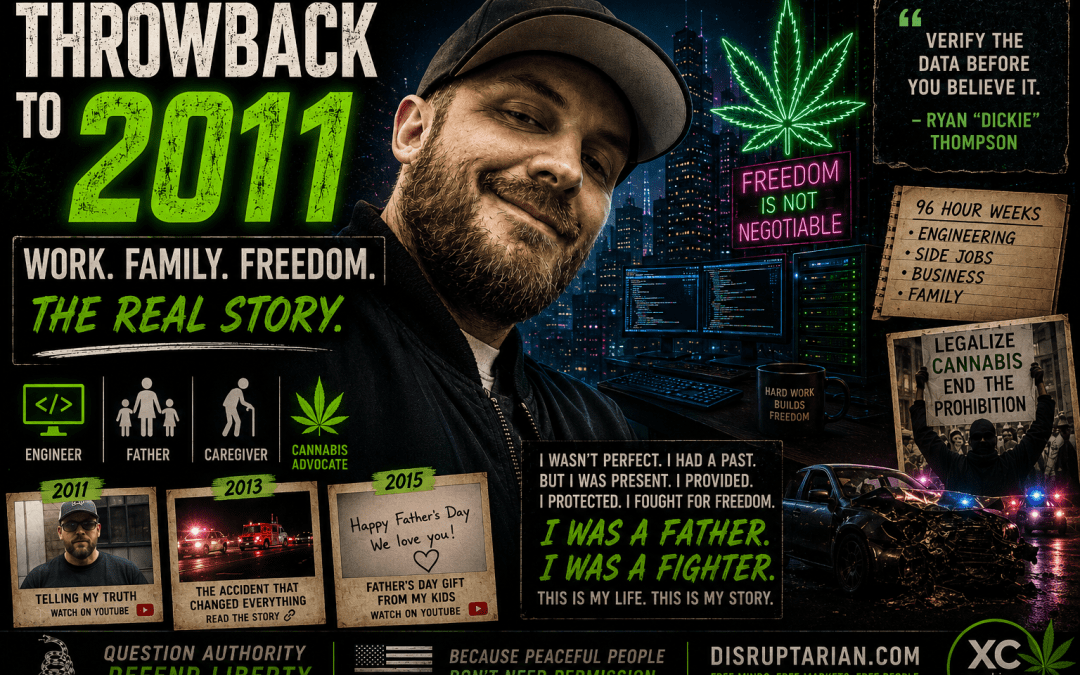
    Throwback to 2011: Work, Family, Cannabis Activism, and the Real Story

    2011 cannabis activism was not a trend for me. It was my real life.

    Back then, I was working long hours, raising a family, caring for my grandmother, and fighting for cannabis decriminalization. I was also working as an engineer at Talyst Inc. My weeks were brutal. Around 96 hours a week brutal.

    This was before divorce.

    Before disability insurance.

    Before the car accident that changed my body and my future.

    Before people tried to rewrite my life with rumors.

    I am posting this throwback because people deserve the truth. My kids deserve the truth. And I deserve to tell my own story before someone else turns it into a weapon.

    2011 Cannabis Activism Was Personal

    In 2011, cannabis activism was not safe or easy. It could cost you your job, your name, your family ties, and your peace.

    I spoke out anyway.

    I was a medical cannabis user. I used cannabis for cluster headaches and real pain. But this was never just about me. It was about the basic right to own your body.

    The state should not treat peaceful people like criminals over a plant. A working father should not have to hide because he uses cannabis. A patient should not be forced into fear because politicians want control.

    That is why cannabis decriminalization mattered to me.

    I was not asking the government for a favor. I was standing on a principle.

    Free people own themselves.

    Work, Family, and the Real Story

    One of the ugliest lies people tell about me is that I did not work.

    That is false.

    I have worked since I was a kid. I dug ditches at 14. I swept floors. I passed out flyers. I babysat. I hustled because that was life.

    As an adult, I worked in tech. I worked for Microsoft. I worked in dental software support and development. I worked for communication companies. I ran businesses. I had brick-and-mortar tech stores. I fixed systems, serviced hardware, wrote code, ran cable, and helped businesses keep their technology alive.

    In 2011, I was working insane hours as an engineer. I was also doing side work, building websites, and trying to hold a family together.

    That is not lazy.

    That is a man grinding.

    That is a man trying to provide.

    Fatherhood Before Divorce

    Before divorce changed the story, I was a father in the middle of real family life.

    There were kids, bills, work, stress, meals, school, and all the normal chaos that comes with raising a family. We were not rich. We were not perfect. But we were living real life.

    I was also helping care for my grandmother, who lived with us. My wife at the time did a lot there too, and I said that then. I will say it now. Credit where it is due.

    At that time, I believed we were a team.

    That is part of the record too.

    People forget that divorce can turn memories into weapons. One day you are family. Later, the same history gets twisted into court stories, gossip, and character attacks.

    But the past still happened.

    The work happened.

    The family happened.

    The fatherhood happened.

    Cannabis Decriminalization and Civil Liberty

    My 2011 cannabis activism was tied to a bigger fight: civil liberty.

    I had already been arrested during a legalization protest in Springville, Utah for using the streets without a permit. After that, an old 1968 city law was repealed. People no longer needed that permit to protest.

    That matters.

    That is what happens when regular people stop begging for permission and start acting like free citizens.

    Cannabis laws were never just about cannabis. They were about police power. They were about control. They were about whether the government owns your body, your medicine, your habits, and your choices.

    I reject that kind of control.

    I believed then, and I believe now, that peaceful people should be left alone.

    Before Disability and the 2013 Crash

    Two years after that 2011 video, my life changed.

    In 2013, I was in a horrific car accident near Talent, Oregon. A woman pulled out in front of me. My car was destroyed. My body was damaged. My future changed fast.

    That wreck did not erase my past.

    It did not erase the years I worked.

    It did not erase the businesses I built.

    It did not erase my family life.

    It did not erase my cannabis activism.

    But after a wreck like that, life is different. Pain changes things. Injury changes things. Disability changes things. Insurance changes things. People who do not understand it often judge it from the outside.

    Some act like disability means you quit.

    It does not.

    A man can be injured and still have been a worker.

    A man can be on disability and still have been a provider.

    A man can be damaged by a crash and still deserve the truth.

    The Father’s Day Video Matters

    In 2015, my ex-wife made me a Father’s Day video.

    That matters because it was after the crash and before the divorce.

    She interviewed our children. The video was made for me as their father. It shows a different record than the one people try to push later.

    No video can explain a whole life. But video does not care about later bitterness. It captures a moment.

    That moment matters.

    It shows that before the divorce, before the slander as I see it, before the attacks, I was not the cartoon villain some people want me to be.

    I was Dad.

    Why I Am Sharing This Throwback

    I am sharing this because the truth needs a record.

    People can say anything. They can twist stories. They can leave out dates. They can ignore work history. They can pretend injury is laziness. They can act like a father never showed up, even when the record says different.

    That is why I said it then, and I still say it now:

    Verify the data before you believe it.

    Do not trust gossip just because it is loud.

    Do not trust a story just because it is repeated.

    Do not trust a bitter claim just because it sounds dramatic.

    Look at the record.

    In 2011, I was working around 96 hours a week. I was raising kids. I was helping care for my grandmother. I was working as an engineer. I was building websites. I was speaking out for cannabis decriminalization. I was standing up for liberty when it cost something.

    That is the real story.

    The Real Story Is Still Mine

    This throwback is not about revenge.

    It is about memory.

    It is about truth.

    It is about refusing to let divorce, disability, or rumors erase the life I actually lived.

    I was not perfect. I had a past. I made mistakes. I said things rough. I lived hard. I learned a lot the hard way.

    But I worked.

    I provided.

    I fought for freedom.

    I was a father.

    And my 2011 cannabis activism was part of a much bigger life story: work, family, pain, survival, and the fight to be free.

    That story still belongs to me.

    Sources

    Spun Web Technology SMART SEO

    Spun Web Technology SMART SEO

  • Play History: Clovis Star Launches The Royal Game of Ur Online

    🎲 Clovis Star Presents: The Royal Game of Ur 🎲

    Long before video games, chess, or even Rome, people were already sitting across from each other, rolling dice, moving pieces, and trying to win.

    Now Clovis Star is bringing that ancient spirit back online.

    Our new game, The Royal Game of Ur, is live now and free for everyone to play:

    👉 https://royalgameofur.clovisstar.com/

    The Royal Game of Ur is one of the oldest known board games in the world. The British Museum dates one famous board from Ur to around 2600 BC to 2400 BC, from ancient Mesopotamia, in what is now Iraq.

    That means people were playing this game roughly 4,500 years ago. Different lives. Different cities. Same basic human drive: take your shot, make your move, and outplay the other guy.

    A Classic Game, Rebuilt for the Web

    The Clovis Star version keeps the feel of the ancient game while making it easy to play today.

    You can:

    • Play against the computer
    • Challenge someone locally
    • Compete in real online multiplayer
    • Learn the board, dice, rosettes, captures, and race-to-the-finish strategy

    The Royal Game of Ur is simple to learn, but it is not mindless. It mixes luck, timing, risk, and strategy. You can get ahead fast, but one bad move can cost you.

    That is what makes old games last. They are not just toys. They are small lessons in life.

    Why This Game Still Matters

    Ancient people were not as different from us as we like to think.

    They traded. They built cities. They argued. They raised families. They played games.

    The Royal Game of Ur reminds us that culture does not need a central planner to survive. Good ideas spread because people use them, share them, and pass them on.

    A game carved into wood and decorated with shell survived for thousands of years because it was worth playing. The modern rules are linked to work by Irving Finkel of the British Museum, who studied ancient rule material tied to the game.

    Now it is free on the open web.

    No museum ticket needed. No gatekeeper needed. Just open the site and play.

    Clovis Star Royal Game Of Ur

    Clovis Star Royal Game Of Ur

    Play It Now

    Whether you are a gamer, history lover, student, teacher, or just curious, The Royal Game of Ur is worth a few rounds.

    Play the new Clovis Star version here:

    👉 https://royalgameofur.clovisstar.com/

    📱 Android version coming soon to the Google Play Store.

    Roll the dice. Hit the rosette. Capture your opponent. Get your pieces home first.

    Some games disappear after a year.

    This one made it through 4,500.

    Sources

    Spun Web Technology SMART SEO

    Spun Web Technology SMART SEO

  • Disruptarian Radio Filipino American Fusion Navajo Tacos in the Disruptive Kitchen | Ryan “Dickie” Thompson

    Today in the Disruptive Kitchen, Ryan “Dickie” Thompson is making Filipino American Fusion Navajo Tacos, a warm, heavy, homemade plate built on fresh Navajo fry bread.

    This recipe starts with a simple fry bread base, then turns it into a loaded taco with seasoned meat, beans, lettuce, tomato, cheese, and bold Filipino American flavor.

    Basic Fry Bread Ingredients:
    All-purpose flour
    Baking powder
    Salt
    Warm water
    Oil for frying

    Basic Instructions:
    Mix the flour, baking powder, and salt in a bowl.
    Slowly add warm water until the dough comes together.
    Knead the dough until smooth, but do not overwork it.
    Cover and let it rest for 15 to 20 minutes.
    Divide the dough into small pieces and flatten into round disks.
    Heat oil to about 350°F.
    Fry each piece for 1 to 2 minutes per side, until golden brown.
    Drain on paper towels.
    Top with seasoned meat, beans, lettuce, tomato, cheese, onions, jalapeños, salsa, or sour cream.

    This version brings together Navajo fry bread, American taco comfort food, and Filipino family-style cooking. Simple food. Big flavor. No fancy nonsense.

    Recipe base adapted from PathCulture’s Navajo fry bread guide, which lists the basic fry bread ingredients, frying steps, and Navajo taco topping ideas.
    Video topic confirmed from uploaded transcript.

    By Disruptarian Radio

    Spun Web Technology SMART SEO

    Spun Web Technology SMART SEO

  • Filipino American Navajo Tacos: Disruptive Kitchen Fusion with Ryan Thompson

    Filipino American Navajo Tacos: Disruptive Kitchen Fusion with Ryan Thompson

    Disruptarian featured image for Filipino American Navajo Tacos: Disruptive Kitchen Fusion with Ryan Thompson

    Verified at: 2026-06-20 10:06:20

    Filipino American Navajo Tacos: Disruptive Kitchen Fusion with Ryan Thompson is the kind of subject that fits the Disruptarian lane because it sits where independent media, culture, music, and political commentary collide.

    The source description frames it this way: A Disruptive Kitchen cooking video built around Filipino American fusion and Navajo taco inspiration. This Rumble version focuses on homemade comfort food, practical kitchen improvisation, bold flavors, and the fun of turning simple ingredients into a filling meal without overcomplicating the process.

    The useful question is not only what happened, but why the story matters to people who distrust scripted narratives, recycled outrage, and corporate-approved commentary.

    A Disruptarian reading starts with individual agency. The listener is not asked to accept a packaged conclusion. The point is to pull the claim apart, compare incentives, and look for the pressure points that legacy media often skips.

    That approach matters for libertarian radio commentary because the audience is usually looking for more than a headline. They want context, motive, contradiction, and a practical sense of how public stories become private consequences.

    The cultural layer is just as important. Disruptarian music and reggae punk energy are not decorations around the message. They give the work its rhythm: skeptical, confrontational, and rooted in the idea that speech should stay alive even when institutions prefer silence.

    For search readers arriving cold, the primary source is included below either as an embed or as a direct source link. Start there if you want the full tone, timing, and argument. The written analysis expands the title and description into a searchable article that can stand on its own.

    The strongest SEO value here is clarity. The article keeps the title language visible, uses descriptive headings, and connects the topic to Disruptarian Radio, independent media, libertarian commentary, political culture, and original music without stuffing the page with empty repetition.

    The larger takeaway is simple: independent commentary survives by documenting what was said, preserving the source, and adding a point of view that does not depend on permission from gatekeepers.

    That is why this post exists as part of the static Disruptarian archive. The video remains embedded, the title and description remain traceable, and the surrounding article gives search engines and readers enough context to understand why the episode belongs in the broader Disruptarian catalog.

    The title itself carries the first keyword signal, but a durable post needs more than a copied headline. It needs a clear H1, a concise meta description, a featured image with descriptive alt text, and enough editorial framing for readers to know why the video is part of this archive.

    From an independent media perspective, the value is in keeping the primary source visible. Embedding the video prevents the article from becoming detached commentary. Readers can compare the written interpretation against the actual recording and decide whether the argument holds up.

    The libertarian angle is not automatic partisanship. It is a suspicion of concentrated power, public manipulation, and narratives that ask citizens to outsource judgment. That suspicion applies to government, platforms, corporations, activist institutions, and media brands alike.

    Disruptarian Radio also treats culture as evidence. Music, political language, online mobs, censorship fights, moral panics, and personal stories all reveal where pressure is being applied. That is why a radio episode can be more than entertainment; it can become a record of a moment.

    For listeners who follow DJ Disruptarian, the same pattern shows up in the music catalog: reggae rhythm, punk edge, spiritual critique, and anti-authoritarian instinct. The written post keeps that identity attached to the video instead of letting it disappear into a platform feed.

    Good SEO on a page like this should help people find the conversation without flattening the voice. The article uses natural phrases such as Disruptarian Radio, independent media, libertarian podcast, political commentary, original music, and disruptive conversations only where they make sense.

    The featured image should follow the Disruptarian editorial-collage style: torn paper, smoke, halftone grit, dirty cream paper, black and oxblood pressure, muted gold accents, and symbolic props tied to the subject rather than generic filler. Its alt text names the subject so search engines and screen readers get useful context.

    The article also keeps a stable URL under the static blog. That matters because feeds move, platforms change embeds, and social links decay. A static post gives the episode a second home that can be indexed, backed up, linked, and reviewed later.

    The final point is documentation. When a channel publishes a new video, the title and description are often the only structured metadata available. Turning that metadata into a post creates a stronger archive without pretending to replace the original recording.

    This is the practical Disruptarian method: preserve the video, state the source, add commentary, keep the searchable terms honest, and let the reader move between the embedded media and the written analysis without friction.

    This additional context keeps the post useful for readers who arrive from search rather than from the original channel. It explains the source, preserves the embed, and connects the subject back to the larger Disruptarian archive.

    This additional context keeps the post useful for readers who arrive from search rather than from the original channel. It explains the source, preserves the embed, and connects the subject back to the larger Disruptarian archive.

    This additional context keeps the post useful for readers who arrive from search rather than from the original channel. It explains the source, preserves the embed, and connects the subject back to the larger Disruptarian archive.

    This additional context keeps the post useful for readers who arrive from search rather than from the original channel. It explains the source, preserves the embed, and connects the subject back to the larger Disruptarian archive.


    The shortlink was copied to your clipboard

    X
    f
    r

    Related Reading

    Similar posts


    Disruptarian Blog

    2026-06-20

    Disruptarian Blog

    Disruptarian commentary on Filipino American Navajo Taco Fusion: Quick Disruptive Kitchen Highlight with embedded source video, independent media context, and libertarian radio analysis.

  • Filipino American Navajo Taco Fusion: Quick Disruptive Kitchen Highlight

    Filipino American Navajo Taco Fusion: Quick Disruptive Kitchen Highlight

    Disruptarian featured image for Filipino American Navajo Taco Fusion: Quick Disruptive Kitchen Highlight

    Verified at: 2026-06-20 9:56:40

    Filipino American Navajo Taco Fusion: Quick Disruptive Kitchen Highlight is the kind of subject that fits the Disruptarian lane because it sits where independent media, culture, music, and political commentary collide.

    The source description frames it this way: A quick Disruptive Kitchen highlight featuring Filipino American flavor ideas layered into a Navajo taco-style build. This Rumble version focuses on practical fusion cooking, homemade comfort food, and the kind of kitchen experiment that mixes family flavors, tortillas, meat, toppings, and a little improvisation.

    The useful question is not only what happened, but why the story matters to people who distrust scripted narratives, recycled outrage, and corporate-approved commentary.

    A Disruptarian reading starts with individual agency. The listener is not asked to accept a packaged conclusion. The point is to pull the claim apart, compare incentives, and look for the pressure points that legacy media often skips.

    That approach matters for libertarian radio commentary because the audience is usually looking for more than a headline. They want context, motive, contradiction, and a practical sense of how public stories become private consequences.

    The cultural layer is just as important. Disruptarian music and reggae punk energy are not decorations around the message. They give the work its rhythm: skeptical, confrontational, and rooted in the idea that speech should stay alive even when institutions prefer silence.

    For search readers arriving cold, the primary source is included below either as an embed or as a direct source link. Start there if you want the full tone, timing, and argument. The written analysis expands the title and description into a searchable article that can stand on its own.

    The strongest SEO value here is clarity. The article keeps the title language visible, uses descriptive headings, and connects the topic to Disruptarian Radio, independent media, libertarian commentary, political culture, and original music without stuffing the page with empty repetition.

    The larger takeaway is simple: independent commentary survives by documenting what was said, preserving the source, and adding a point of view that does not depend on permission from gatekeepers.

    That is why this post exists as part of the static Disruptarian archive. The video remains embedded, the title and description remain traceable, and the surrounding article gives search engines and readers enough context to understand why the episode belongs in the broader Disruptarian catalog.

    The title itself carries the first keyword signal, but a durable post needs more than a copied headline. It needs a clear H1, a concise meta description, a featured image with descriptive alt text, and enough editorial framing for readers to know why the video is part of this archive.

    From an independent media perspective, the value is in keeping the primary source visible. Embedding the video prevents the article from becoming detached commentary. Readers can compare the written interpretation against the actual recording and decide whether the argument holds up.

    The libertarian angle is not automatic partisanship. It is a suspicion of concentrated power, public manipulation, and narratives that ask citizens to outsource judgment. That suspicion applies to government, platforms, corporations, activist institutions, and media brands alike.

    Disruptarian Radio also treats culture as evidence. Music, political language, online mobs, censorship fights, moral panics, and personal stories all reveal where pressure is being applied. That is why a radio episode can be more than entertainment; it can become a record of a moment.

    For listeners who follow DJ Disruptarian, the same pattern shows up in the music catalog: reggae rhythm, punk edge, spiritual critique, and anti-authoritarian instinct. The written post keeps that identity attached to the video instead of letting it disappear into a platform feed.

    Good SEO on a page like this should help people find the conversation without flattening the voice. The article uses natural phrases such as Disruptarian Radio, independent media, libertarian podcast, political commentary, original music, and disruptive conversations only where they make sense.

    The featured image should follow the Disruptarian editorial-collage style: torn paper, smoke, halftone grit, dirty cream paper, black and oxblood pressure, muted gold accents, and symbolic props tied to the subject rather than generic filler. Its alt text names the subject so search engines and screen readers get useful context.

    The article also keeps a stable URL under the static blog. That matters because feeds move, platforms change embeds, and social links decay. A static post gives the episode a second home that can be indexed, backed up, linked, and reviewed later.

    The final point is documentation. When a channel publishes a new video, the title and description are often the only structured metadata available. Turning that metadata into a post creates a stronger archive without pretending to replace the original recording.

    This is the practical Disruptarian method: preserve the video, state the source, add commentary, keep the searchable terms honest, and let the reader move between the embedded media and the written analysis without friction.

    This additional context keeps the post useful for readers who arrive from search rather than from the original channel. It explains the source, preserves the embed, and connects the subject back to the larger Disruptarian archive.

    This additional context keeps the post useful for readers who arrive from search rather than from the original channel. It explains the source, preserves the embed, and connects the subject back to the larger Disruptarian archive.

    This additional context keeps the post useful for readers who arrive from search rather than from the original channel. It explains the source, preserves the embed, and connects the subject back to the larger Disruptarian archive.

    This additional context keeps the post useful for readers who arrive from search rather than from the original channel. It explains the source, preserves the embed, and connects the subject back to the larger Disruptarian archive.


    The shortlink was copied to your clipboard

    X
    f
    r

    Related Reading

    Similar posts


    Disruptarian Blog

    2026-06-20

    Disruptarian Blog

    Disruptarian commentary on Filipino American Navajo Tacos: Disruptive Kitchen Fusion with Ryan Thompson with embedded source video, independent media context, and libertarian radio analysis.

  • Disruptarian Radio Filipino American Fusion Navajo Tacos highlight

    Here’s a quick highlight from Disruptive Kitchen with Ryan “Dickie” Thompson, making Filipino American Fusion Navajo Tacos.

    This short clip gives you a taste of the full episode: homemade fry bread, loaded taco toppings, Filipino American flavor, and straight kitchen talk from Disruptarian Radio.

    No fancy chef routine. Just real food, family flavor, and a solid plate built from scratch.

    Watch the full video here:
    https://youtu.be/M2-KV27pKak

    Spun Web Technology SMART SEO

    Spun Web Technology SMART SEO

  • Disruptarian Radio Parental Alienation After Divorce: How Kids Are Turned Against a Parent

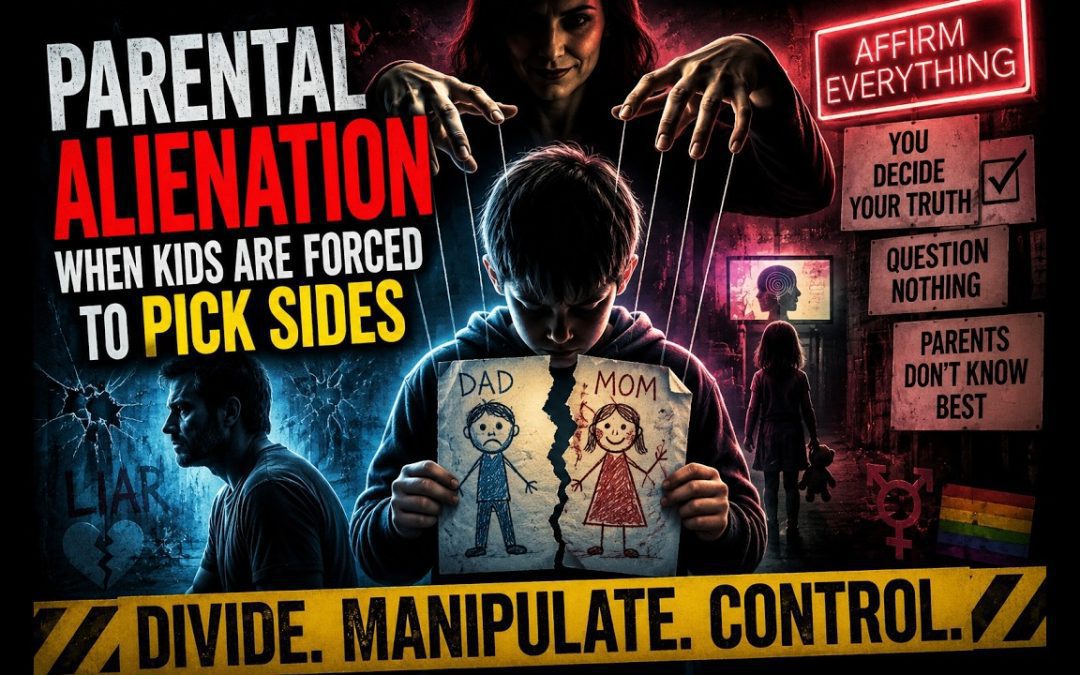
    Parental alienation can destroy trust between a parent and child. In this commentary, Ryan breaks down a painful personal account of divorce, co-parenting conflict, identity confusion, and what happens when children are pulled into adult problems.

    Kids should never be used as emotional weapons in a marriage or divorce. They should not be asked to carry adult secrets, pick sides, or validate one parent against the other. Real parenting means telling the truth, setting boundaries, and protecting children from the chaos of broken relationships.

    This video looks at how parental alienation can start small: private adult issues shared with kids, constant criticism of the other parent, emotional manipulation, and “affirmation” used as a tool to gain loyalty.

    SOURCES:

    Brainwashed Children: The Tragic Effects of Parental Alienation|https://www.youtube.com/watch?v=K87o2DGkRss

    Keep your kids out of your marriage, period|https://www.facebook.com/reel/1415538273537652

    My archive with evidence|https://archive.org/details/@veracitylife

    Spun Web Technology SMART SEO

    Spun Web Technology SMART SEO

  • When Divorce Turns Kids Against a Parent: Parental Alienation and Family Court Damage

    When Divorce Turns Kids Against a Parent: Parental Alienation and Family Court Damage

    Disruptarian featured image for When Divorce Turns Kids Against a Parent: Parental Alienation and Family Court Damage

    Verified at: 2026-06-20 13:04:34

    When Divorce Turns Kids Against a Parent: Parental Alienation and Family Court Damage is the kind of subject that fits the Disruptarian lane because it sits where independent media, culture, music, and political commentary collide.

    The source description frames it this way: Parental alienation is not just divorce drama. It is the quiet destruction of trust between a child and a parent, and it happens when adult conflict turns children into messengers, shields, trophies, or emotional weapons. Ryan Thompson breaks down how co-parenting conflict, family court pressure, identity confusion, and weaponized storytelling can poison a child's view of one parent. This Disruptarian commentary argues for truth, boundaries, accountability, and the right of children to love both parents without being forced into adult battles. Original source video: https://www.youtube.com/watch?v=oQ_HD5DE-UU Disruptarian: https://www.disruptarian.com

    The useful question is not only what happened, but why the story matters to people who distrust scripted narratives, recycled outrage, and corporate-approved commentary.

    A Disruptarian reading starts with individual agency. The listener is not asked to accept a packaged conclusion. The point is to pull the claim apart, compare incentives, and look for the pressure points that legacy media often skips.

    That approach matters for libertarian radio commentary because the audience is usually looking for more than a headline. They want context, motive, contradiction, and a practical sense of how public stories become private consequences.

    The cultural layer is just as important. Disruptarian music and reggae punk energy are not decorations around the message. They give the work its rhythm: skeptical, confrontational, and rooted in the idea that speech should stay alive even when institutions prefer silence.

    For search readers arriving cold, the primary source is included below either as an embed or as a direct source link. Start there if you want the full tone, timing, and argument. The written analysis expands the title and description into a searchable article that can stand on its own.

    The strongest SEO value here is clarity. The article keeps the title language visible, uses descriptive headings, and connects the topic to Disruptarian Radio, independent media, libertarian commentary, political culture, and original music without stuffing the page with empty repetition.

    The larger takeaway is simple: independent commentary survives by documenting what was said, preserving the source, and adding a point of view that does not depend on permission from gatekeepers.

    That is why this post exists as part of the static Disruptarian archive. The video remains embedded, the title and description remain traceable, and the surrounding article gives search engines and readers enough context to understand why the episode belongs in the broader Disruptarian catalog.

    The title itself carries the first keyword signal, but a durable post needs more than a copied headline. It needs a clear H1, a concise meta description, a featured image with descriptive alt text, and enough editorial framing for readers to know why the video is part of this archive.

    From an independent media perspective, the value is in keeping the primary source visible. Embedding the video prevents the article from becoming detached commentary. Readers can compare the written interpretation against the actual recording and decide whether the argument holds up.

    The libertarian angle is not automatic partisanship. It is a suspicion of concentrated power, public manipulation, and narratives that ask citizens to outsource judgment. That suspicion applies to government, platforms, corporations, activist institutions, and media brands alike.

    Disruptarian Radio also treats culture as evidence. Music, political language, online mobs, censorship fights, moral panics, and personal stories all reveal where pressure is being applied. That is why a radio episode can be more than entertainment; it can become a record of a moment.

    For listeners who follow DJ Disruptarian, the same pattern shows up in the music catalog: reggae rhythm, punk edge, spiritual critique, and anti-authoritarian instinct. The written post keeps that identity attached to the video instead of letting it disappear into a platform feed.

    Good SEO on a page like this should help people find the conversation without flattening the voice. The article uses natural phrases such as Disruptarian Radio, independent media, libertarian podcast, political commentary, original music, and disruptive conversations only where they make sense.

    The featured image should follow the Disruptarian editorial-collage style: torn paper, smoke, halftone grit, dirty cream paper, black and oxblood pressure, muted gold accents, and symbolic props tied to the subject rather than generic filler. Its alt text names the subject so search engines and screen readers get useful context.

    The article also keeps a stable URL under the static blog. That matters because feeds move, platforms change embeds, and social links decay. A static post gives the episode a second home that can be indexed, backed up, linked, and reviewed later.

    The final point is documentation. When a channel publishes a new video, the title and description are often the only structured metadata available. Turning that metadata into a post creates a stronger archive without pretending to replace the original recording.

    This is the practical Disruptarian method: preserve the video, state the source, add commentary, keep the searchable terms honest, and let the reader move between the embedded media and the written analysis without friction.

    This additional context keeps the post useful for readers who arrive from search rather than from the original channel. It explains the source, preserves the embed, and connects the subject back to the larger Disruptarian archive.

    This additional context keeps the post useful for readers who arrive from search rather than from the original channel. It explains the source, preserves the embed, and connects the subject back to the larger Disruptarian archive.


    The shortlink was copied to your clipboard

    X
    f
    r

    Related Reading

    Similar posts


    Disruptarian Blog

    2026-06-22

    Disruptarian Blog

    Disruptarian commentary on What Parental Alienation Really Looks Like with embedded source video, independent media context, and libertarian radio analysis.

  • Disruptarian Radio alienator brainwashing

    Parental alienation does not just hurt fathers. It hurts children first.

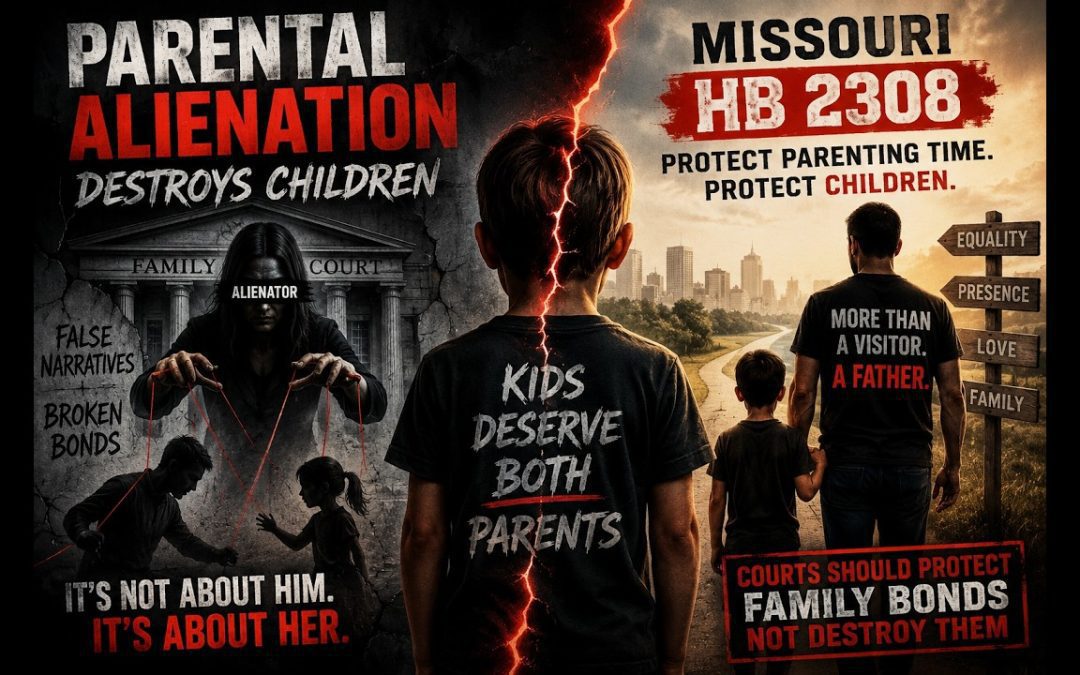
    In this video, Ryan talks about the damage caused when one parent pushes the other parent out of a child’s life. Kids should not be trained to hate half of who they are. They should not be forced to carry adult pain, adult anger, or family court failures.

    This video also discusses Missouri HB 2308, a parenting time bill that would allow courts to order additional parenting time when court-ordered time has been denied. That matters because lost time with your children cannot just be ignored. When the state gives one parent court-ordered time, the courts should also defend that time.

    Family court should start from one basic idea: children deserve both loving parents unless real evidence proves otherwise. A parent should not have to fight for years just to be treated like a parent.

    This is personal, but it is bigger than one case. This is about fathers’ rights, children’s rights, shared parenting, due process, and a court system that too often rewards control instead of protecting family bonds.

    Watch, share, and speak up.

    Sources and links:

    Missouri HB 2308 Bill Text | https://documents.house.mo.gov/billtracking/bills261/hlrbillspdf/4364H.01I.pdf

    Missouri HB 2308 Summary | https://documents.house.mo.gov/billtracking/bills261/sumpdf/HB2308I.pdf

    LegiScan Missouri HB 2308 | https://legiscan.com/MO/bill/HB2308/2026

    VeracityLife Archive | https://archive.org/details/@veracitylife

    Pre-Divorce Alienation Issues | https://archive.org/details/aqmpz-kr-p-939x-2-hayy-49h-rel-lp-1-r-6a-vcpm-iolx-h-56-r-0-ph-rq-gw-4hmqka-1mwp_202512

    PAPA, People Against Parental Alienation | https://www.papaorg.co.uk/

    #ParentalAlienation #FathersRights #FamilyCourt #SharedParenting #MissouriHB2308 #CustodyReform #5050Custody #ChildrensRights #Disruptarian

    Spun Web Technology SMART SEO

    Spun Web Technology SMART SEO