Category: Music

  • F*CK POLITICAL VIOLENCE — Uncensored Rebel Dispatch

    FCK POLITICAL VIOLENCE — Uncensored Rebel Dispatch

    We need to say it loud and clear: FCK POLITICAL VIOLENCE. Not as a slogan carved into bumper stickers. Not as a play for likes. As a principle. As a refusal. As an insurgent ethic for people who are fed up with the global theatre of rage, performative victimhood, and the power brokers who count on blood to consolidate control.

    This isn’t pacifism dressed in velvet. It’s a pragmatic, radical rejection of the very mechanism that keeps the state and its allies relevant. Political violence fuels the security-industrial complex, validates surveillance, and radicalizes otherwise decent people into predictable patterns. The more violence spills into the public square, the more permission governments have to tighten the screws. So why do so many in the “resistance” flirt with it? Because anger is intoxicating, and spectacle is addicting. But spectacle gets monetized. And you become the product.

    Why be revolutionary if the revolution just rewrites the same script?

    FCK POLITICAL VIOLENCE: A Reckoning, Not a Slogan

    Say the words aloud. They unsettle because they cut through the comfortable narratives both sides sell: that violence is either noble or necessary. Both are lies. Violence is a blunt instrument that amplifies state power, not diminishes it. It gives elites the weather they need to justify emergency laws, militarize police, and gut civil liberties.

    It also creates victims—real people living in neighborhoods that can’t afford to be battlegrounds. Think about who benefits when chaos arrives: financiers, arms manufacturers, and politicians promising “law and order.” The rest of us? We get curfews and fewer rights.

    Do you want to topple power structures or just trade chairs in a burning room?

    This is a call for strategy, not surrender. If you’re serious about change, you don’t romanticize the mob. You outsmart it. You use tools that disrupt power without handing the moral high ground back to the state.

    Short-term shock gains nothing if long-term freedom is the price.

    Tactics matter. Integrity matters more.

    The right movements know this instinctively. They use culture, economics, and information asymmetries to rip at the seams of authority. They sabotage consent for governance elegantly—through noncooperation, by building alternative institutions, and by exposing the rot with surgical clarity. The left’s riots and the right’s paramilitary fantasies both play into the same trap: they conspire to make the citizenry clamor for protective cages.

    Strategy Over Spectacle: How Rebels Actually Win

    You want real disruption? Then get strategic.

    – Build parallel institutions. Mutual aid networks, independent media, and community courts chip away at the monopoly of the state.
    – Withdraw consent, quietly and persistently. Boycotts, tax resistance in principle, and refusing to participate in corrupt civic rituals are more dangerous than any headline-grabbing brawl.
    – Expose the machinery. Audits, leaks, and research that turn opaqueness into vulnerability are revolutionary acts. Information is the insurgent’s currency.
    – Protect the innocent. Violence creates collateral damage. Dissidents who care about the broader community win allies; those who burn neighborhoods lose them.

    Your goal should be to make oppressive institutions obsolete, not to replace them with equally oppressive ones. That takes discipline, cunning, and endurance—not bluster.

    Rethink martyrdom. Are you willing to sacrifice the future for a moment of vengeance?

    Disruptive Ethics: When No One Else Will Say It

    We live in a culture that normalizes violence when it’s branded “justice” and condemns it when it inconveniences power. That double standard is the grease that keeps authoritarianism slippery. Refuse to be complicit.

    Refuse to legitimize the logic that says might equals right. The truly disruptive playbook rejects the moral equivalence that divides us and instead builds durable alternatives that outlast any riot.

    Yes, anger fuels activism. But righteous rage must be channeled into constructing systems that render violent answers meaningless. Otherwise, history repeats.

    And when institutions respond to peaceful disruption with force, what then? You escalate methodical resilience. You increase the pressure with nonviolent economic and cultural alternatives. You starve the beast by cutting off the consent that fuels it.

    We are not naïve. We see state repression, private surveillance, and media complicity. But we are strategic. We avoid playing into expectations and refuse to grant the state the narrative advantage that violence hands it on a silver platter.

    Conclusion: FCK POLITICAL VIOLENCE — Build, Withdraw, Outsmart

    Say it again: F*CK POLITICAL VIOLENCE. Make it your banner not because it’s trendy, but because it’s smart. Because this is how you defeat the systems that profit from chaos. Because the future we want—freedom, sovereignty, decentralized power—cannot be erected on ruins and human suffering.

    Be disruptive, yes. But be strategic. Use your mind as a better weapon than your fists. Build institutions that replace coercion with choice. Withdraw your consent quietly and effectively. Outlast the spectacle.

    Violence begets cameras, curfews, and unchecked authority. Nonviolent disruption begets possibility.

    What kind of rebel are you going to be? The one who feeds the machine, or the one who breaks it for good?

    Spun Web Technology SMART SEO
    Spun Web Technology SMART SEO

  • Gay marriage banned — Uncensored Outlaw Dispatch

    Gay marriage banned — Uncensored Outlaw Dispatch

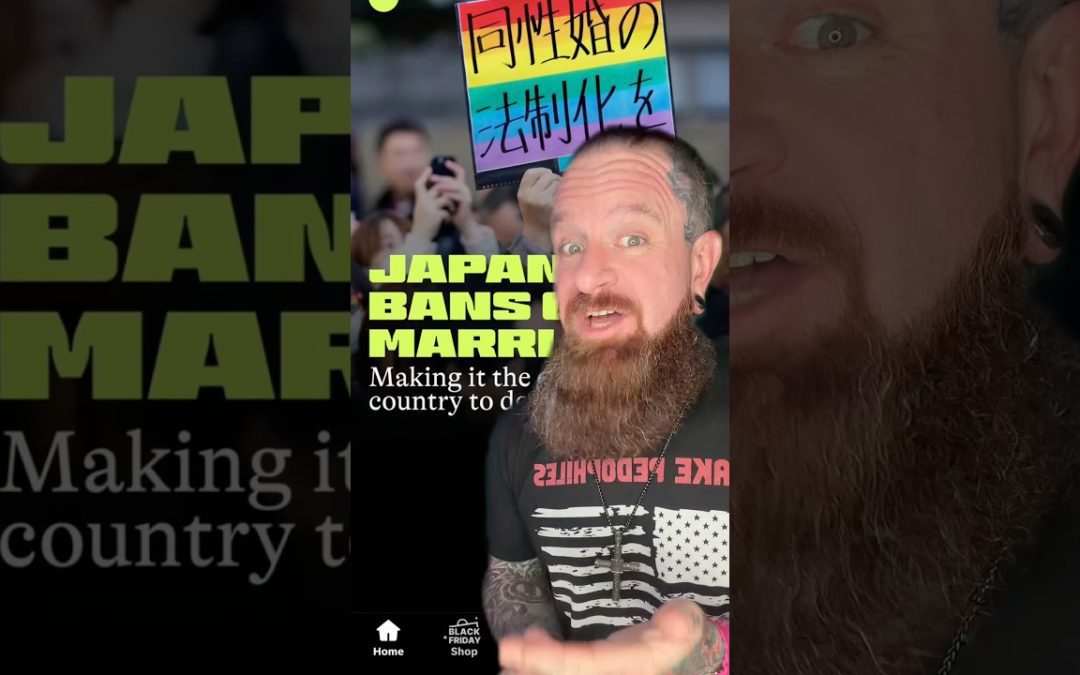
    We live in a world that likes to pretend progress is linear. One step forward, two steps back — except sometimes the two steps back feel like a shove off a cliff. “Gay marriage banned.” Those three words are a grenade lobbed into public life, detonating old laws, new politics, and raw cultural fury. If you think this is just another legal skirmish, think again. This is about who gets to be free and who gets to be policed.

    Let’s be blunt: the phrase Gay marriage banned is designed to provoke fear and obedience. It’s a headline that can mobilize both the most compassionate and the most reactionary. But beneath the media theatrics and court-room posturing is a much darker, quieter principle: when the state claims the power to decide which loves are legitimate, every other private decision becomes vulnerable.

    Gay marriage banned — what it really means

    Make no mistake: banning gay marriage is not simply about marriage. It’s a test-case for state authority over identity, association, and privacy. A ban formalizes a hierarchy — the state says one kind of relationship is worthy of legal protection while another is not. The ripple effects are immediate: inheritance, hospital visitation, adoption, taxes, and parental rights suddenly hinge on the state’s morality play.

    This isn’t hypothetical. Look at every place where the state intrudes into personal life. It begins with marriage, then moves to employment protections, then to the classroom, then to the medical ward. If the government can pick winners and losers among consenting adults, you should be asking: what’s next? Which relationship, hobby, or lifestyle will fall under the guillotine of legality after the next moral panic?

    Ask yourself another question: who benefits from the chaos? Always follow the incentives. Political actors sharpen their knives during moral crises — collecting votes, funding, and cultural capital. Religious institutions reclaim authority in public life. Businesses adjust to new legal pressures — some refuse services, others exploit loopholes for profit. And citizens? We’re left scrambling through legal ambiguity while our personal lives become battlegrounds.

    We’ve been told that laws reflect the will of the people. But when was the last time you felt consulted? Laws can equally reflect the will of special interests, vocal minorities, or cynical power plays masked as moral revival.

    The hypocrisy of “public morality”

    Historic attempts to ban freedoms always hide behind “public morality.” Yet, morality is not a neutral standard. It’s a social technology wielded by those who want to influence behavior. If a law protects your choices, praise it. If it forbids someone else’s choices, call it moral necessity. Convenient, right?

    This moralizing conveniently ignores the messy, practical truth that consenting adults living honestly and openly harm no one. You don’t need the moral police to tell you who should marry. The state’s job should be to protect freedom — not to curate affection based on tradition or prejudice.

    You’ll hear the same tired justifications: protecting children, preserving religious freedom, defending cultural values. These are emotional props to rationalize exclusion. Protecting religious freedom doesn’t mean faith-based institutions should be exempt from anti-discrimination norms when they operate in the public sphere. Preserving children’s welfare doesn’t mean denying loving households rights. These arguments are rhetorical smokescreens — useful for rallying allies, not for any coherent public policy.

    Who loses when gay marriage is banned?

    It’s not just LGBTQ+ couples who lose. Anyone who values freedom of association and equal treatment does. Families become vulnerable. Legal uncertainty breeds economic harm. Small-business owners get caught between conscience clauses and lawsuits. Employers face new compliance nightmares. Healthcare professionals are forced into moral triage. The net result? A society where private life is less secure and the reach of the state grows.

    And what of the message? Banning gay marriage tells a generation that certain identities are second-class. It whispers—not subtly—that your love is less valuable. For a community already targeted by stigma, that whisper can become a life-altering echo.

    What resistance looks like

    If you’re fed up with top-down decrees over private life, resistance starts locally and personally. Support civil institutions that practice inclusion. Use your purchasing power to back businesses that refuse discrimination. Vote with clarity — prioritize candidates who defend personal liberty over cultural demagogues. Challenge the narratives in your circle. Not with lectures, but with tough questions: Why should the state have this power? Whose interests does this law serve?

    Legal battles matter, yes. Strategy matters more. Litigation can win rights — but it can also be vulnerable to shifting political winds. Build social support. Normalize dissent. Make visible the everyday lives that laws would erase. If public sympathy can be marshaled, legal arguments get easier to win.

    Conclusion: Gay marriage banned is a warning, not an inevitability

    The headline Gay marriage banned is a flashpoint. It’s a call to attention, and for some, a call to arms. This fight is not about forcing beliefs on anyone. It’s about refusing the premise that the state should be judge and jury of love.

    If you value individual liberty, equality before the law, and a smaller, less invasive state, then this moment demands clarity. Push back against moral panic. Protect the right to live quietly and proudly. Resist the normalization of exclusion.

    Because when the state decides which loves are legal, we’re all a step closer to a world where the state decides everything. Who wants that? Not us. Not now.

    Spun Web Technology SMART SEO

    Spun Web Technology SMART SEO

  • Spun Web Technology: Uncensored Rebel Take

    Spun Web Technology: Uncensored Rebel Take

    Spun Web Technology — What They’re Not Telling You

    Let’s cut the PR-speak. Spun Web Technology isn’t a neutral tool. It’s a narrative engine—designed to make selected ideas feel inevitable, mainstream, and harmless. You’ve seen it: articles that repeat the same talking points, social feeds that echo one another like a chorus, and search results that steer you toward polished versions of “consensus.” That’s not coincidence. That’s deliberate design.

    This piece isn’t about fear-mongering. It’s about clarity. It’s about recognizing the patterns and deciding whether you’ll play along or pull the plug.

    The Mechanics of Spun Web Technology

    Spin used to be a human craft—PR flacks, op-ed farms, coordinated press releases. Now the craft is encoded into platforms and algorithms. Spun Web Technology blends automated amplification with human-friendly narratives.

    It does three predictable things:
    – Prioritize digestible simplicity over complexity.
    – Reward conformity with visibility.
    – Marginalize nuance under the guise of “clarity.”

    The result? A hum of consensus that drowns out dissent. Facts don’t vanish. They get reframed into bite-sized axioms that serve institutions, brands, and agendas. Want nuance? Tough luck. Nuance is bad for engagement metrics.

    Why Libertarians Should Care About Spun Web Technology

    If you value individual liberty, you should be suspicious. Centralized narratives favor regulatory solutions, broad-brush policies, and the comforting illusion that complex problems have simple fixes. Spun Web Technology pushes us toward obedience by making alternative perspectives feel weird, fringe, and socially risky.

    Ask yourself: who benefits when citizens accept simplified narratives? Corporations benefit. Bureaucracies benefit. Political factions that want control benefit. You? Not so much.

    Spun Web Technology doesn’t just sell products. It sells compliance. It shepherds attention in ways that condition public opinion to accept top-down solutions—because that’s what gets likes, headlines, and ad dollars.

    The Playbook: How Spin Gets Wired Into Your Feed

    1. Seed a story with micro-influencers and algorithm-friendly content.
    2. Let automation amplify it across channels.
    3. Introduce authoritative-sounding sources to legitimize the angle.
    4. Recycle the same language until it becomes a cultural meme.

    Recognize these steps and you start to see how “consensus” is manufactured. It’s not a natural social outcome. It’s engineered.

    Can Individuals Fight Back?

    Yes. But it takes more than skepticism. It takes strategy.

    Start with your attention. Don’t let headlines set the agenda. Read beyond the first three paragraphs. Diversify your sources: listen to independent podcasters, niche publications, and dissenting scholars. Support content that rewards complexity, not certainty.

    Publishers and creators? Resist algorithmic incentives that reward “shareability” over honesty. That means sometimes producing content that’s less clickable but truer. That means sacrifice—and yes, being less visible for a while. But what’s the alternative? Ceding the public mind to a handful of optimizers and headline engineers?

    Spun Web Technology and the Thin Veneer of “Safety”

    Platforms sell moderation and curation as “safety.” But who decides what’s safe? Those decisions are made by committees and code that favor predictable outcomes.

    If a narrative threatens powerful interests, it’s easier to nudge it into obscurity than to confront it head-on. Spun Web Technology gives structural cover to that process: shadow-banning, demoting, or deprioritizing inconvenient truths while elevating the acceptable version of events.

    That’s not safety. It’s selection. And selection carries values—values that aren’t neutral.

    The Opportunity for Disruptarian Radio Listeners

    You’re tuned into an audience that already distrusts canned consensus. That’s an advantage. Use it.

    Ask sharper questions. Celebrate credible skepticism. Elevate voices that challenge orthodoxy—not for contrarianism’s sake, but to test the strength of prevailing claims. Fight for a media environment where ideas are judged by argument, not by algorithmic traction.

    Don’t expect the system to reform itself. Platforms optimize for short-term engagement and shareholders. Real change comes from outside the funnel: alternative networks, independent funding, and listeners who reward depth over dopamine hits.

    Closing the Loop on Spun Web Technology

    Spun Web Technology is here to stay. It will get smarter, faster, and more persuasive. But awareness is the first line of defense. Understand how narratives are engineered. Question the consensus before accepting the comfort of agreement.

    If you care about freedom of thought, act like it. Diversify your intake. Invest in independent media. Elevate nuance. Encourage debate.

    We can tune out the spin machine. Or we can keep letting it tune us. Which side are you on? Spun Web Technology is the battlefield. Your attention is the prize. Choose deliberately.

    Spun Web Technology SMART SEO

    Spun Web Technology SMART SEO

  • Jelly Roll Sell His Soul: Shocking Truth Revealed!

    Jelly Roll Sells His Soul: The Shocking Truth Revealed

    In the fast-paced world of entertainment, few names capture attention like Jelly Roll. With a unique blend of country and hip-hop, he has carved out a niche for himself. However, a burning question arises: has Jelly Roll sell his soul for fame? Let’s dive into this controversial topic and uncover the untold truths surrounding his rise.

    The Price of Fame

    To truly understand what it means for Jelly Roll to potentially sell his soul, we must first explore the nature of fame itself. In today’s world, celebrity status often comes with a steep price tag, especially in the music industry. Artists face immense pressure not just to produce hits but to conform to an ever-expanding set of expectations. This environment can lead to questionable decisions, raising the question: what sacrifices do artists make for their careers?

    The Allure of Popularity

    Jelly Roll’s ascension has been meteoric. From his roots in the rap scene to crossing over into mainstream music, he has become an icon for many. But in an age dominated by social media, the quest for validation can blur the lines of authenticity. The more followers and streams one gains, the more one may feel compelled to compromise on their original vision or ethos.

    One has to wonder—did Jelly Roll exchange his unique voice for mainstream acceptance? Has he diluted his message in favor of numbers and clicks?

    Inside the Controversy

    When discussing whether Jelly Roll sell his soul, it’s crucial to consider the controversies that have surrounded his career. Social media is rife with those who accuse him of losing his way. Critics point to his collaborations with pop stars and major labels, suggesting that such moves align him more with commercial interests than artistic integrity.

    The Dilemma of Authenticity

    Authenticity is a prized possession in the artistic world, yet it can be elusive. As Jelly Roll’s fanbase grows, the pressure to appeal to a wider audience inevitably increases. The musician has been in and out of the spotlight, grappling with personal issues, addiction, and emotional struggles. These elements contribute to his music’s rawness, but they also intertwine with the larger narrative of whether he has compromised his core values for success.

    What Fans Really Want

    Fans crave authenticity, and they resonate with artists who stay true to their roots. They appreciate vulnerability, the stories behind the lyrics, and the struggles of the musician’s journey. For Jelly Roll, this was apparent in his earlier works, where his lyrics revealed a deeply personal connection to his experiences.

    However, as his style evolved, some fans voiced concerns that Jelly Roll sell his soul to achieve stardom. The question continues to surface: which path does he choose? Does he remain an artist rooted in experiences or transform into a commercially viable figure?

    The Silver Lining: A New Narrative

    While the notion of selling one’s soul is a compelling narrative, it’s essential to remember the complexity of an artist’s journey. Many artists face the crossroads between commercial appeal and artistic integrity. The discourse surrounding Jelly Roll is not merely a condemnation but a broader exploration of what it means to forge a path in a polarized industry.

    As Jelly Roll forges ahead, he has the opportunity to reclaim his narrative. By returning to his roots and emphasizing the stories that brought him success, there’s potential for growth that transcends commercial gains.

    Harnessing the Power of Choice

    At the end of the day, we must recognize that every artist holds the reins of their career. Jelly Roll, like many before him, can choose to explore new sounds or return to the foundations of his storytelling. The power rests with him. Should he decide to step away from the glitzy allure of mainstream music, it could reinvigorate not only his artistry but also the trust of his fanbase.

    Conclusion: A Choice to Embrace

    So, has Jelly Roll sell his soul? The answer isn’t black or white. The music industry presents immense challenges that can lead even the most grounded individuals astray. However, Jelly Roll still has a choice—a choice to either reinforce the legacy he’s built or continue down a path dictated by external demands.

    In this age of commodified success, the fight for authenticity is real. As fans, we should encourage artists to reclaim their voices, empowering them to prioritize artistic expression over fleeting fame. The question now comes back to Jelly Roll: which path will he tread? The stage is set, and the world is watching.

    Sources

    – Various interviews with Jelly Roll
    – Articles on music industry trends
    – Fan commentary on social media platforms

    WordPress Excerpt

    Explore whether Jelly Roll has sold his soul for fame, diving into the complexities of his rise in the music industry and the fine line between authenticity and commercial appeal.

    20 SEO Keywords

    Jelly Roll sell his soul, music industry controversy, artist authenticity, fame prices, Jelly Roll career, celebrity pressures, authenticity in music, artist struggles, exploration of fame, Jelly Roll insights, mainstream success, true artistry, fan expectations, integrity in music, celebrity culture, commercial music, the cost of fame, music and identity, Jelly Roll legacy, music evolution.

    Featured Image Prompt

    A dramatic image capturing an artist on stage surrounded by a vibrant crowd, reflecting the energy of fame, with a shadowed figure symbolizing the internal struggle between commercial success and personal authenticity.

    Spun Web Technology SMART SEO

    Spun Web Technology SMART SEO

  • Lefties Losing It (over Woke Ideology)

    Over the years I have taken issue with a lot of folks on the left, including some I used to admire. One of my personal heroes, Elon Musk, was one of them. In the same video where I went after Musk, I also took a swing at Bill Maher.

    Back then, both of them were still firmly in Democrat territory, and both were preaching the same tired line about “saving the earth from global warming.” They were willing to criticize woke excess in some areas, but they still treated climate alarmism like a sacred cow.

    On May 27, 2017, I put out a video calling that out and saying what a lot of people were afraid to say out loud. That video aged pretty well.

    Because now, years later, we are watching people like Bill Gates quietly walk back the doomsday script.

    Gates just dropped a climate memo where he basically says climate change is serious, but it is not going to cause “humanity’s demise” and that we should be talking more about poverty, disease and human welfare than laser-focused carbon targets and panic. (AP News )

    Funny how that sounds a lot closer to what many of us were saying a long time ago.

    You can watch my original 2017 video here:
    Reference: https://www.youtube.com/watch?v=-ljPYgyryso

    And here is the article on Gates’ memo that set off the latest round of outrage:
    Reference: https://theconversation.com/why-bill-gates-climate-memo-is-being-celebrated-by-skeptics-while-frustrating-scientists-268940 (QOSHE)

    The Church Of Woke Climate Panic

    Here is the thing.

    For years, criticizing climate alarmism got you treated like a heretic. You could accept that the climate changes, you could accept that humans have an impact, but if you questioned the panic industry around it, you were branded a “denier.”

    It stopped being a scientific debate and turned into a moral purity test.

    If you did not worship at the altar of the IPCC, you were kicked out of polite society. People lost jobs, platforms, and friendships.

    I know this first hand. When I started saying out loud that the “we have 10 years left” hysteria was being used as a political weapon, people I thought were my friends cut me off. I got cancelled and unfriended in real life, long before the social media mobs made it trendy.

    Now along comes Bill Gates telling the world climate change is not going to wipe humanity out, and that maybe we should worry more about malaria, hunger and poverty than obsessing over one line on a temperature chart. (Financial Times)

    You know what? He is not suddenly a skeptic. Scientists are furious at him precisely because he still says climate change is real and serious, but he is rejecting the apocalypse framing. (Wikipedia)

    Yet the same media that used to treat anyone like me as a dangerous crank is now running “Gates says climate is not the end of the world” headlines like it is just another Tuesday.

    Being Early Means Being Lonely

    It is easy to agree with someone when CNN finally grants you permission. It is harder when you are saying it while the crowd is still holding torches and pitchforks.

    When I put out that 2017 video, I was not doing it to be edgy. I did it because I refuse to hand my thinking over to a tribe, whether that tribe is left, right, or whatever today’s activist hashtag is.

    Of course, there was a cost.

    Friends dropped off. Some stopped talking to me. Others made it clear that disagreeing with the progressive script on climate and social issues made me radioactive.

    That is the funny thing about “tolerance.” It always seems to expire the moment you question the script.

    But here is what I learned.

    The more you can stand being misunderstood, the more honest your life gets. The less you need peer approval, the more you can say what you actually believe, even if it costs you invitations, likes, and fake “community.”

    Relying on group approval for your identity is like living on a credit card. It feels good while it lasts, then one day the bill shows up and you realize you never owned any of it.

    Woke Ideology Eats Its Own

    Woke ideology runs on purity tests.

    You are never pure enough. You did not phrase it perfectly. Your joke was “problematic.” You liked the wrong tweet. You listened to the wrong podcast three years ago.

    The left used to be the side that mocked moral hysteria. Now a big chunk of it runs the new Salem Witch Trials.

    Take climate again. If you say, “Yes, the climate changes, yes, humans have an effect, but maybe we should stop pretending this is the single biggest threat in human history while ignoring actual people starving right now,” you are branded a monster.

    Never mind that Bill Gates is literally saying the same sort of thing in softer language: that climate spending has to be weighed against real human suffering, that innovation and adaptation matter, and that climate change is not going to cause human extinction. (AP News )

    The reaction from some scientists and activists is anger, not because he denies climate change, but because he challenges the narrative that nothing else is allowed to matter.

    That is what woke ideology does. It turns complex tradeoffs into moral theater. If you question the theater, you are the villain.

    Taylor Swift, Cancel Culture, And Matching Scars

    Which brings me to Taylor Swift’s new song, “Cancelled!”

    Look, I am not on board with her woke LGBT activism. This is not 2008 Taylor with a country twang and a guitar on a stool. She has gone full pop-culture powerhouse, wrapped in every modern cause that plays well on Instagram.

    But I can still say this; “Cancelled!” is a sharp song.

    The track is from her 2025 album The Life of a Showgirl and it goes right at cancel culture, especially how women get torn apart for things men often get away with. (Wikipedia)

    Two lines really land for me:

    “Good thing I like my friends cancelled”
    “They’re the ones with matching scars”

    That hits.

    Because that is what happens when you get cancelled. You find out who your people really are. Not the ones who cheer when you are popular and safe, but the ones who stay when it costs them something to stand next to you.

    Back before my oldest daughter cancelled me, she and I shared a genuine love for Taylor Swift’s music. I bought her a pink electric guitar and she started trying to play Taylor songs in her room. This was back when Taylor was still the country star version of herself, not the modern woke avatar of every trending issue.

    Now my son Iriel adores Taylor Swift. Different kid, different era, same artist.

    That is how culture works. It moves. It morphs. Sometimes it matures, sometimes it just chases the next wave of attention. Time will tell which one this is. (The Washington Post)

    Standing On Your Own Two Feet

    Here is what I keep coming back to.

    If you build your life on peer approval, you will eventually betray either your values or yourself. Sometimes both.

    If you build your life on what you actually believe, rooted in something deeper than trends, then cancellation just becomes data. Painful, yes. But useful.

    You find out:

    • Who sticks around
    • Who folds at the first sign of pressure
    • Who only liked you as long as you were good for their image

    And weirdly, that clarity is a gift.

    The left has spent years feeding the cancel machine, only to find that the machine does not care about loyalty. It just wants more fuel. Today it is right-wing villains. Tomorrow it is Bill Maher for an off-script joke. Next week it is Taylor Swift for the wrong friend, or Bill Gates for questioning the climate panic storyline.

    You know what? Let it eat.

    Because every time the mob turns on one of its own, more people wake up and realize this was never about justice. It was about control.

    Merry Cancellation

    So here I am, years after getting socially cancelled for saying climate hysteria was out of control, watching some of the same establishment darlings quietly edge closer to the things people like me were already saying.

    Climate is real. Human impact is real. Panic is a choice. And using fear to control people is the oldest political trick in the book.

    Cancel culture is the same scam, just with social credit instead of carbon credit. Step out of line, lose your place in the club.

    I am not saying it is fun to be on the wrong side of the mob. It hurts. It cost me relationships, including with my own daughter. But I would rather stand on my own two feet, misunderstood and uninvited, than live on my knees waiting for strangers to click “like.”

    This is Ryan “Dickie” Thompson, wishing you a Merry Cancellation.


    Sources

    Spun Web Technology SMART SEO

    Spun Web Technology SMART SEO

  • Stable Coins to Punk Songs: The Radical Music Freedom Fight

    Stable Coins to Punk Songs: The Radical Music Freedom Fight

    Ryan “Dickie” Thompson here, and it’s time for a reality check. The powers in Washington are tugging at strings that impact your every groove, beat, and the cryptocurrency you tuck away. From the tunes you stream on Spotify to what you stash in your Bitcoin wallet, it seems like Uncle Sam is lurking in the wings, ready to interfere with your artistic liberties. Most folks are blissfully unaware of this unfolding drama. Let’s dive deep into how the political machinery is warping your music, your money, and your right to create without needing a bureaucrat’s blessing.

    The Government’s Music Monopoly Scam

    Brace yourselves: streaming music is anything but a free market—it’s a tightly controlled monopoly. That’s right, the same government that can’t balance its own budget is determining how much your favorite artists earn. Every time you hit play on Spotify or Apple Music, you’re unwittingly part of a system where artists can’t negotiate their own rates. Faceless bureaucrats at the Copyright Royalty Board—yes, it exists—decide how crumbs get divided. Songwriters who own their music get roughly a tenth of a penny per stream, while platforms rake in billions, leaving artists scraping by on ramen noodles, praying their side gig covers rent. This mess began in the ’90s when the government naively attempted to help artists transition to digital. Instead, it snuffed out market dynamics and cemented rates that won’t even buy you a stick of gum. Classic government incompetence, wouldn’t you say?

    Politicians Playing DJ with Your Royalties

    It gets worse. Politicians are proposing more government “solutions” to fix the very mess they created. Enter the American Music Fairness Act—sounds noble, doesn’t it? This bill aims to force radio stations to pay even more royalties under the guise of fairness. Senators from both sides of the aisle love to push initiatives like this, but guess what? Bigger radio stations will pass their costs to you, the listener, while small independent stations—those genuinely supporting underground and punk music—risk being squeezed out entirely. It’s enough to make any music lover scream.

    Trump’s Double-Edged Musical Legacy

    Regardless of where you stand on Trump, the impact he’s made on the music industry is undeniable. The Music Modernization Act he signed in 2018 offered some help to artists. This bipartisan effort streamlined digital licensing and extended royalty protections to pre-1972 recordings, ultimately boosting independent creators. However, his 10% import tariff on vinyl and merchandise announced in 2025 also means fans pay more for physical music. Classic government—gives with one hand, takes with the other.

    The Tax Man Wants His Cut (But Maybe Less Now?)

    Here’s where things become intriguing for you creative souls. With the Songwriters Capital Gains Tax Equity Act coming in 2025, songwriters can treat catalog sales as capital gains rather than regular income. This means that when you cash in on your precious catalog, Uncle Sam might take a slightly reduced slice of the pie—capped at 20% for long-term gains. However, don’t get too excited; this is still the government deciding how much of your hard-earned money you keep, albeit doing it with a slightly less greedy hand.

    Blockchain: The Punk Rock Revolution

    Now we’re venturing into really exciting territory for those of us who value freedom. NFTs and blockchain are pioneering decentralized systems that cut out the red tape altogether. Picture this: NFTs allow artists to link digital files directly to their intellectual property through smart contracts. Imagine being able to sell usage rights without some opaque government board dictating prices or corporate platforms taking a hefty cut. This is the punk rock ethos of creative freedom—ditching middlemen, regulators, and corporate overlords. While traditional streaming remains suffocated by federal control, blockchain-based platforms roam in relatively unregulated space. Artists finally have the power to craft their own destinies, set their own prices, and interact straight with their fans. It’s the free market in its purest form, one untouched by political interference.

    The Bigger Picture: Freedom vs. Control

    What really fires me up about this situation is how the government creates problems, only to present more government as the magic fix. They’ve turned music streaming into a regulated monopoly where artists can’t negotiate fair rates, and as a “solution,” they propose further regulations that only deepen the bureaucracy. Tariffs make music more expensive for the average listener. The inevitable “solution” will likely involve yet another subsidized program benefitting well-connected insiders while ignoring truly innovative approaches like decentralized royalty systems that empower artists.

    What This Means for Artists and Fans

    Every decision from politicians impacts your ability to earn a living as a creative. From streaming rates set by unseen bureaucrats to tax regulations on your situation—these influences are more pervasive than you realize. But here’s your silver lining: emerging technologies like blockchain and NFTs are charting paths where artists can operate outside the confines of traditional systems. While politicians squabble over the existing pie, savvy creators are busy crafting entirely new ones. The future of artistic freedom doesn’t lie in petitioning for better regulations; it lies in building frameworks that don’t require permission.

    The Path Forward

    As a punk rocker and a libertarian, I urge you to challenge the status quo that keeps artists tethered to government-regulated infrastructures. Support platforms that enable creators to maintain control over their work. Buy music direct from artists whenever possible and dive into blockchain platforms. Above all, recognize that every vote, every law, and every regulation tangibly affects your creative freedom. The connection from stable coins to punk songs is not merely symbolic; it embodies the struggle between economic liberty and regulatory capture. The suits in Washington might want to dictate how you create, distribute, and monetize your art, but technology is providing us the power to resist their control. Let’s crank up the volume and seize back what’s ours!

    Spun Web Technology SMART SEO

    Spun Web Technology SMART SEO

  • Are Record Labels Dead? How Smart Contracts Are Killing Music Industry Middlemen

    Ryan “Dickie” Thompson here, and I’m about to tell you why the music industry’s corporate overlords are shitting their pants.

    The writing’s on the wall, written in blockchain code and smart contract rebellion. After decades of fat-cat record executives getting rich off artists’ sweat and blood, technology has finally handed musicians the tools to tell these parasitic middlemen to take a long walk off a short pier.

    Record labels aren’t technically dead yet, but they’re bleeding out faster than a stuck pig at a barbecue. And honestly? Good fucking riddance.

    The Old System Was Pure Highway Robbery

    Let’s get real about how this scam worked. For generations, the music industry operated like a protection racket where record labels played the role of mob bosses. They controlled every pipeline—radio play, distribution, marketing, even which songs got recorded. Artists had two choices: kiss the ring or stay broke in their garage.

    These corporate leeches would swoop in, sign desperate musicians to slave contracts, then skim 85-90% of the profits while the actual creators got table scraps. Meanwhile, they’d lecture artists about being “grateful for the opportunity” while buying third yachts with money that should’ve gone to the people who actually made the music.

    image_1

    The math was simple: create artificial scarcity, control all distribution channels, then extort everyone who wanted to play the game. It was brilliant if you were a sociopathic executive. It was hell if you had actual talent.

    But here’s the thing about oppressive systems—eventually, technology comes along and burns them down.

    Smart Contracts: The Great Equalizer

    Smart contracts are like having an incorruptible robot lawyer that never sleeps, never takes bribes, and executes agreements exactly as written. When an artist uploads their track to a blockchain platform, they can program automatic royalty splits that bypass every single middleman who used to take their cut.

    No more waiting six months for a check that’s been “processed” through seventeen different departments. No more mysterious “administrative fees” that somehow eat half your earnings. No more executives deciding whether you deserve to get paid this quarter.

    The code doesn’t lie, doesn’t steal, and doesn’t give a damn about industry politics.

    image_2

    Take decentralized royalty systems—when someone streams your song, smart contracts instantly calculate splits and distribute payments to everyone involved. Band members, producers, sound engineers, even your grandmother who helped with backing vocals can get their share within seconds, not months.

    It’s like watching the Death Star explode, except the Death Star was built out of corporate greed and the rebels are armed with mathematics.

    Artists Are Breaking Their Chains

    Here’s where it gets beautiful: over 90% of music on Spotify now comes from independent artists. That’s not just a statistic—that’s a revolution in progress.

    Musicians are realizing they don’t need permission from suit-wearing parasites to build careers. Platforms like Audius let artists upload directly to fans. NFT marketplaces enable musicians to sell exclusive content and experiences. Blockchain investment platforms let fans become stakeholders in their favorite artists’ success.

    The gatekeepers are becoming irrelevant, and they know it.

    Imogen Heap figured this out early with her Mycelia project—using blockchain to create transparent, direct relationships between artists and fans. No label executives needed. No corporate middlemen taking their pound of flesh. Just artists creating, fans supporting, and everyone getting a fair deal.

    It’s the free market actually working the way it’s supposed to, without corporate cronies rigging the game.

    The Numbers Don’t Lie

    While record labels survived the first internet disruption by partnering with streaming services, they’ve created their own destruction. Streaming platforms pay artists almost nothing—we’re talking fractions of pennies per stream—while major labels report record profits.

    This isn’t sustainability; it’s exploitation with extra steps.

    image_3

    The disconnect is staggering. Artists create all the value, but executives who contribute nothing beyond bureaucracy and gate-keeping take home the biggest checks. It’s like having coal miners work twelve-hour shifts while the mine owner’s son gets rich for showing up to ribbon-cutting ceremonies.

    Smart contracts eliminate this parasitic layer entirely. When fans pay for music, artists get paid immediately. No executive bonuses. No corporate “overhead.” No mysterious accounting that somehow makes profitable albums appear to lose money.

    Direct Democracy in Music

    Blockchain platforms are creating something the old system never allowed: direct democracy between artists and fans. Musicians can fund projects through tokenization, sell exclusive experiences as NFTs, and build subscriber communities that pay monthly for early access to new tracks.

    It’s crowdfunding meets capitalism meets middle finger to corporate control.

    Fans become investors. Artists become entrepreneurs. Record executives become unemployed.

    The beauty is that it rewards actual talent and fan engagement instead of political connections and marketing budgets. If your music sucks, no amount of label backing will save you. If your music rocks, you can build a direct pipeline to the people who actually matter—your audience.

    image_4

    The Death Rattle

    Sure, major labels still have deep pockets and established relationships with radio stations and streaming services. But their advantages are eroding daily.

    Independent artists are out-innovating them, out-hustling them, and most importantly, out-earning them on a per-unit basis. When you cut out five layers of corporate fat, suddenly music becomes profitable at much smaller scales.

    Plus, younger fans don’t give a shit about traditional media gatekeepers. They discover music through TikTok, YouTube, Discord, and peer-to-peer recommendations. The old promotional machinery that labels controlled is becoming as relevant as telegraph operators.

    What This Really Means

    This transformation isn’t just about technology—it’s about freedom. Freedom from corporate gatekeepers who decide what art gets made. Freedom from exploitation contracts that trap artists in debt slavery. Freedom from artificial scarcity that keeps great music buried while promoting manufactured pop garbage.

    Smart contracts and blockchain platforms are returning power to its rightful owners: the creators and their audiences. It’s the most libertarian development in entertainment since the printing press broke the Church’s monopoly on books.

    Record labels aren’t dead yet, but they’re terminal. And when they finally flatline, we’ll all be better off. The future belongs to artists who create directly for fans who choose freely.

    That’s not just disruption—that’s justice.

    Want to dive deeper into how blockchain is revolutionizing artist earnings? Check out our breakdown on decentralized royalties and discover the technology that’s putting power back in artists’ hands.

    Spun Web Technology SMART SEO

    Spun Web Technology SMART SEO

  • Disruptarian Radio Launches AI-Powered Phone System: Direct Access To Your Favorite Hosts

    heroImage

    Excerpt:
    Disruptarian Radio is cranking up the connection with an all-new, AI-powered phone system—built for fast, direct access to your favorite hosts, real-time song requests, on-air participation, and more. Here’s how it’s shaking up radio and redefining audience engagement.

    Tags:
    ai-phone-system, blockchain-radio, disruptive-tech, audience-engagement, music-innovation, liberty-media, spun-web-tech, open-lines, artist-access, decentralized-media


    The Next Level of Listener Connection

    At Disruptarian Radio, disruption isn’t just a buzzword—it’s the business model. If you’ve tuned in before, you know we’re about pushing boundaries, skipping gatekeepers, and giving the power back to the people (and the artists). We’ve always championed decentralization and true liberty in media—and now, we’re driving that mission forward with a new tech upgrade that’s all about making radio more interactive and immediate: an AI-powered phone system.

    So, what does this mean for you as a listener, an artist, or a liberty-curious caller? Let’s break it down.

    Why AI for Listener Calls?

    Let’s face it: traditional radio phone management is outdated. Endless menu trees (“Press 1 to leave a comment, press 2 to talk to a brick wall…”), ignored messages, and buried requests belong in the past.

    Disruptarian just flipped the script. Our AI-powered phone management—rolled out across over 50+ of our web assets and pioneered by Spun Web Technology—isn’t just a new patch. It’s a total system overhaul.

    What makes it disruptive?

    • Speed: The AI recognizes your intent in real-time. No more waiting for a producer in a back room.
    • Personalization: Each call is tailored for your need—whether that’s getting on-air, asking about ad slots, or just spinning a new track.
    • Scalability: Handles hundreds (or thousands) of incoming calls seamlessly, meaning we don’t miss out on the community’s voice.
    image_1

    Your New Direct Lines

    Forget the generic toll-free. Here’s how you can reach us—whether you’re calling to stir the pot or join the party:

    Both lines are fully AI-powered and ready. Whether you’re dialing from your hammock in Hawaii or your hustle spot in Philly, the system routes you straight to the right host, show, or resource—no hold music, no headaches.

    What Happens When You Call?

    Here’s where the new system really flexes:

    🎵 Request Your Favorite Songs
    Tired of the same playlist? Our AI notes your request and, thanks to backend integration with our music library, kicks it to the top for live consideration.

    🎙️ Want to Be a Guest?
    Got a hidden talent, grassroots movement, or wild story? Let our AI know—and it’ll get your info to our production team instantly. You might be live with us quicker than you think.

    💬 Leave Feedback or Comments
    Every shoutout, critique, or hot take is processed, sorted, and sent right to our hosts’ dashboards. If it’s on point (or just plain weird), it might make the show.

    📢 Learn About Advertising
    Looking for an alternative to big ad buys on stale platforms? Pitch your brand straight to our audience. The AI directs you to the sponsorships team, not some lost voicemail abyss.

    image_2

    Privacy First, Always Unfiltered

    Disruptarian’s core value is unfiltered liberty—so our AI system is built with privacy in mind. No creepy eavesdropping, no hidden data harvesting—just conversations routed where you want them, when you want them.

    Side note for the privacy nerds:
    Calls are managed via end-to-end encrypted lines. Our AI doesn’t store your data for ad targeting or third-party sales. Everything is pointed at a single mission: making sure your voice reaches the right ears, whether you’re a first-time caller or a show regular.

    How Does the AI Actually Work?

    Without getting too deep in the weeds, the tech pipeline looks like this:

    1. Call Reception: The AI greets the caller and identifies their intent using natural language processing.
    2. Real-Time Routing: Based on your needs, the call is routed to a live host, an on-air queue, or a relevant voicemail inbox for future shows.
    3. Adaptive Interaction: The AI can learn from previous interactions, so if you’re a regular requesting punk reggae at 2am, it’ll have you covered.
    4. Host Tools: Live dashboards give hosts real-time feedback, song requests, and comments, powered by AI-sorted insights.

    Developed by the automation wizards at Spun Web Technology, this tech is already supporting other liberty-minded media ventures and artists—so it’s built for scale, and built to last.

    The Bigger Picture—Disrupting Gatekeeping

    Mainstream media is all about controlling access: who can speak, who can call in, who gets heard. Disruptarian flips that script with radical openness. This AI system means:

    • No Corporate Filters: No producers screening out spicy takes or “off-brand” opinions
    • Direct Fan-to-Artist Connection: Artists and listeners can interact in real-time, not through intermediaries
    • Decentralized Participation: Open the lines to anyone with something to say, whether it’s music, liberty, or tech innovation

    This is about more than just faster phones. It’s about creating an environment where gatekeeping is over—and engagement is real.

    image_3

    What’s Next? More Liberty, More Innovation

    The launch of this phone system is just a start. With ongoing upgrades, we’re eyeing new integrations (think: blockchain-powered loyalty rewards, AI-driven live polls, even tokenized access for superfans). Check out our disruptive media hub for details.

    Keep an eye out for future upgrades—because if there’s a new tool that gives more power to the people, you can bet Disruptarian Radio will test it first.

    Ready to Get On Air? Here’s How:

    Pick up your phone and call:
    +1 (808) 289-4982 or +1 (856) 512-1793

    Whether you want to keep the airwaves liberty-first, connect with your favorite host, or simply disrupt the status quo, this is your moment.

    Spun Web Technology SMART SEO

    Spun Web Technology SMART SEO