Author: Ryan “Dickie” Thompson

  • Bill Maher, Ice Cube, and the Prison Industrial Complex: Who Really Controls the Music Industry Narrative?

    Bill Maher, Ice Cube, and the Prison Industrial Complex: Follow the Money

    By Ryan “Dickie” Thompson

    When Ice Cube sat down with Bill Maher and said, “follow the money,” he wasn’t joking. He was pointing to something deeper than rap lyrics. He was talking about power. He was talking about influence. And he was talking about who benefits from chaos in American culture.

    In the clip, Ice Cube makes a bold claim. He says that some of the same financial interests behind major record labels also have investments in private prisons. Not necessarily the same executives clocking in at both offices, but overlapping financial ownership at the top. Institutional investors. Corporate shareholders. Wall Street money.

    Bill Maher pushes back. He asks the obvious question. Is there proof that record executives are actively pushing lyrics that funnel young men into prison? Or is it just capitalism doing what capitalism does?

    This is where it gets interesting.

    The Prison Industrial Complex and Private Prisons

    https://i.abcnewsfe.com/a/2bf63f9e-a318-4496-9cb6-be4b65518136/prison-file-gty-ml-241112_1731439598997_hpMain.jpg
    https://imageio.forbes.com/specials-images/dam/imageserve/705002625/960x0.jpg?fit=bounds&height=474&width=711
    https://images.squarespace-cdn.com/content/v1/5bfe852a96d4555a304afa99/f0fe632f-98c9-4fba-8f84-4a116c9916ee/2048px-Gaming-Wall-Street_BTS_Prodigium-266.jpg

    The prison industrial complex is not a conspiracy theory. It is a term used to describe the relationship between government and private industry that profits from incarceration. Companies like CoreCivic and GEO Group run private prisons under government contracts. The more inmates they house, the more revenue they generate.

    That alone should concern anyone who believes in limited government.

    When incarceration becomes a profit center, incentives shift. Instead of justice, you get quotas. Instead of rehabilitation, you get long sentences. Instead of accountability, you get lobbying.

    Libertarians have been warning about this for decades. Government should not partner with corporations to cage human beings for profit. That is crony capitalism at its worst.

    Bill Maher even agrees on that point. He says prisons should not be in private hands. He compares it to healthcare. Some things should not be run for profit.

    From a free market perspective, the deeper issue is not profit. It is government power. Private prisons only exist because government writes the laws, enforces the drug war, and fills the cells.

    Record Labels and Social Engineering

    https://miamioh.edu/news/_files/images/2025/06/25-record-label-main-1.jpg
    https://zoomrecordingstudio.com/upload/iblock/36f/1.jpg
    https://static1.squarespace.com/static/5ad551c2da02bc1a4142bd6f/5af117faaa4a999644ad7cd5/5c814d22ee6eb0231ab0f4fc/1532723648924/360Agmt_Pub_First_pg.jpg?format=1500w
    4

    Ice Cube says something that hits hard. He talks about “guard rails.” He says record companies do not force artists to write certain lyrics. Instead, they shape what gets promoted. What becomes a single. What gets radio play. What gets pushed to the top of the charts.

    That is not crazy talk. That is how the music industry works.

    Singles are chosen by committee. Marketing budgets are allocated strategically. Radio and streaming playlists are curated. If you want to influence culture, you do not have to control every word. You just amplify certain messages.

    Ice Cube suggests that violent, criminal, and anti-police themes often get promoted more than positive or conscious rap. If that is true, the question becomes: why?

    Is it because controversy sells? Or because chaos benefits certain systems?

    The free market answer is simple. Sex, violence, and rebellion sell. Labels chase profit. That is capitalism.

    But there is another layer. What if the same institutional investors who profit from incarceration also profit from entertainment? What if Wall Street money flows into both sectors?

    Now it is not about executives plotting in a smoke-filled room. It is about financial incentives at scale.

    Publicly traded companies answer to shareholders. Shareholders want returns. If prison stocks rise when incarceration rises, and music stocks rise when certain content trends, the market starts to align in uncomfortable ways.

    This is not central planning. It is decentralized incentive structure. And sometimes that is just as powerful.

    Follow the Money: Ownership and Influence

    When Ice Cube says “the same people,” he is likely talking about institutional ownership. Firms like Vanguard, BlackRock, and State Street often hold shares across multiple industries. Media. Prisons. Healthcare. Defense.

    They do not micromanage lyrics. But they influence corporate governance. They influence board decisions. They influence long term strategy.

    This is what happens when financial power consolidates at the top.

    From a libertarian view, the problem is not that investors seek profit. The problem is when government policy creates artificial profit streams. The war on drugs, mandatory minimums, and overcriminalization created a pipeline into prisons.

    If music amplifies a culture that feeds that pipeline, even indirectly, it deserves scrutiny.

    But we should be careful.

    The state is still the primary driver. Without federal drug laws, aggressive policing, and bloated criminal codes, there would be far fewer inmates to begin with.

    Blaming music alone misses the real issue.

    Independent Artists vs Major Labels

    Ice Cube makes another key point. He stayed independent. He did not allow record executives in his studio. He controlled his art. That is free market entrepreneurship in action.

    Independent labels like Priority gave him more freedom. Major labels often operate differently. They have larger budgets and larger expectations. With that comes control.

    This is not unique to rap. It happens in pop, country, and rock. The more money involved, the more stakeholders demand influence.

    Bill Maher argues that artists who make money get more freedom. There is truth there. Power in business comes from leverage. If you generate revenue, you can negotiate.

    But for new artists chasing a contract, the power imbalance is real.

    This is where free markets shine. Technology has broken down many of these barriers. Artists can now distribute music directly through platforms like YouTube, Spotify, and TikTok. Gatekeepers are weaker than they were in the 1990s.

    Decentralization is happening.

    Division, Bickering, and Cultural Control

    Ice Cube’s broader point is not just about rap lyrics. It is about division. He asks who benefits from Americans fighting each other over race, politics, and culture.

    Division keeps people distracted. While we argue on social media, lobbyists write legislation. While we fight over lyrics, Congress expands surveillance.

    The real danger is centralized authority.

    When government and big business become intertwined, you get a system that feeds on conflict. The prison industrial complex grows. Media narratives polarize. Politicians gain power by promising to fix problems they helped create.

    Libertarians call this the state corporate alliance. It is not a free market. It is crony capitalism.

    The Real Solution: Shrink the State

    If we are serious about reform, we need to focus on policy.

    End the war on drugs. Reduce mandatory minimum sentences. Eliminate private prison contracts tied to occupancy guarantees. Audit government incentives that reward mass incarceration.

    At the same time, support independent creators. Break up regulatory barriers that protect major labels. Encourage competition in media and entertainment.

    Freedom works when government steps back.

    Ice Cube may frame it as social engineering. Bill Maher may see it as capitalism. The truth is somewhere in between. Cultural influence is real. Financial incentives are real. But the biggest driver of incarceration is still government policy.

    If we want fewer prisons, we need fewer laws.

    Follow the money. Yes.

    But also follow the power.

    And power in America still flows through Washington.

    Spun Web Technology SMART SEO

    Spun Web Technology SMART SEO

  • Privacy Policy

    Privacy Policy

    Disruptarian.com – Privacy Policy

    Last updated: [INSERT DATE]

    This Privacy Policy explains how Disruptarian (“Disruptarian,” “we,” “us,” or “our”) collects, uses, shares, and protects information in connection with your use of Disruptarian.com, Disruptarian Radio, and related services, channels, and platforms (collectively, the “Service”).

    By accessing or using the Service, you agree to the collection and use of information in accordance with this Privacy Policy and our [Terms of Service]. If you do not agree, please do not use the Service.


    1. Who we are

    Disruptarian is an independent media project created and curated by Ryan Richard “Dickie” Thompson (also known as DJ Disruptarian). The Service includes:

    • Disruptarian.com (website and blog)

    • Disruptarian Radio (24/7 streaming audio)

    • Podcasts, videos, and related media

    • Community spaces and chat channels (e.g., IRC, Discord, Telegram, WhatsApp and similar)

    • Social media accounts and profiles associated with Disruptarian

    Certain technical, hosting, and development services (including web development, automation, and integrations) may be provided by Spun Web Technology or related entities.


    2. Information we collect

    We collect information in three main ways:

    1. Information you provide directly

    2. Information collected automatically when you use the Service

    3. Information from third-party services you choose to interact with

    2.1 Information you provide directly

    You may choose to provide information to us when you:

    • Fill out a contact form or send us an email

    • Submit music or other content

    • Comment on posts or interact with embedded forms on the Site

    • Participate in chats or communities associated with Disruptarian (e.g., IRC, Discord, Telegram, WhatsApp, Facebook, X/Twitter, Instagram, etc.)

    • Subscribe to a mailing list or newsletter

    • Make a donation or purchase merchandise (where available)

    The information you provide may include:

    • Name or alias / username

    • Email address

    • Social media handles

    • Message content (including political, religious, or other sensitive opinions you voluntarily share)

    • Music submissions or other media you upload or link to

    • Technical details related to your query (e.g., browser info you choose to share)

    If you submit music or other creative content, we may also collect associated metadata (e.g., artist name, track title, links, and other details you provide).

    2.2 Information collected automatically

    When you use the Service, we may automatically collect certain technical information, including:

    • IP address

    • Browser type and version

    • Device type and operating system

    • Referring URLs and pages visited

    • Date and time of access

    • Approximate geographic location (derived from IP address)

    • Streaming statistics (e.g., when you connect to Disruptarian Radio)

    • “Now playing” views and interactions

    • Chat logs and radio bot interactions (for example, messages sent to channels where the Disruptarian bot is present)

    We may use cookies, web beacons, local storage, and similar technologies to collect this information and to remember your preferences.

    2.3 Information from third-party services

    We may receive information from or about you when you interact with:

    • Streaming and media platforms (e.g., YouTube, YouTube Music, Spotify, Apple Music, Apple Podcasts, and other podcast or music services)

    • Radio and hosting infrastructure (e.g., SonicPanel / Sonic24 and similar)

    • Social media and community platforms (e.g., Discord, Telegram, WhatsApp, Facebook, X/Twitter, Instagram, TikTok, IRC networks, etc.)

    • Payment processors (e.g., Stripe, PayPal, or others), if you donate or make a purchase

    • Analytics and logging services (e.g., web analytics providers, CDN logs, error tracking)

    These third parties may share limited information with us (for example, your username, profile link, or transaction metadata) according to their own privacy policies and your settings on those services.

    We do not control how third-party platforms handle your information. Please review their privacy policies separately.


    3. How we use your information

    We use the information we collect for the following purposes:

    3.1 Operate and improve the Service

    • Provide and maintain the website, radio stream, podcasts, and other content

    • Display “now playing” information and recent track histories

    • Operate chatbots and automation that respond to user questions (e.g., current song, schedule, links, etc.)

    • Diagnose and troubleshoot technical issues

    • Monitor performance and usage trends

    • Develop new features and content

    3.2 Communicate with you

    • Respond to your messages, requests, and feedback

    • Communicate regarding music submissions, interviews, or collaborations

    • Send you notifications, updates, or newsletters (if you opt in)

    • Contact you for support, follow-up questions, or clarifications

    3.3 Moderation, safety, and legal compliance

    • Monitor and moderate comments, chats, and submissions for abuse, spam, or violations of our Terms of Service

    • Detect and prevent security incidents, fraud, and misuse

    • Enforce our Terms of Service and other policies

    • Comply with legal obligations, law enforcement requests, or regulatory requirements

    3.4 Personalization and analytics

    • Understand how people discover and use the Service

    • Measure the effectiveness of content, features, and outreach

    • Tailor aspects of the Service to common user behavior (e.g., highlighting popular content)

    • Maintain aggregate statistics (e.g., listener counts, geographic breakdowns)

    We generally use aggregated or de-identified data for analytics where possible.


    4. Legal bases for processing (if you are in the EEA/UK)

    If you are located in the European Economic Area (EEA), the United Kingdom, or a jurisdiction with similar requirements, we process your personal data under one or more of the following legal bases:

    • Contract – to provide you with the Service you request (e.g., responding to your messages or processing your submissions).

    • Legitimate interests – to operate, secure, and improve the Service, moderate content, and communicate with you about relevant matters.

    • Consent – when required by law (e.g., for certain cookies, marketing emails, or optional data you choose to provide).

    • Legal obligations – to comply with applicable laws, regulations, or legal processes.


    5. How we share information

    We may share your information in the following ways:

    5.1 Service providers

    We may share information with trusted third-party service providers that help us operate the Service, including:

    • Web hosting providers and content delivery networks (CDNs)

    • Email and newsletter providers

    • Analytics and logging services

    • Payment processors (for donations or purchases)

    • Automation and integration tools used to manage chatbots and notifications

    • Development and infrastructure partners (including Spun Web Technology)

    These providers are only authorized to use your information as necessary to perform services on our behalf, consistent with this Privacy Policy.

    5.2 Social and community platforms

    When you interact with Disruptarian on third-party platforms (e.g., Discord, Telegram, WhatsApp, IRC, Facebook, X/Twitter, Instagram, YouTube, etc.), your messages, profile, and interactions are visible according to that platform’s visibility and privacy settings. Those platforms may also share limited information back to us (such as your username, profile, or message content) as part of the integration.

    5.3 Public content

    Content you post in public areas (such as comments on the Site, public chats, or public social media replies) may be visible to others and may be indexed or archived. Do not share sensitive personal information in public channels if you do not want it to be visible.

    5.4 Legal and safety reasons

    We may access, preserve, and disclose your information if we believe it is reasonably necessary to:

    • Comply with applicable laws, legal processes, or enforceable governmental requests

    • Enforce our Terms of Service or other agreements

    • Protect the rights, property, or safety of Disruptarian, our users, or the public

    • Detect, prevent, or address fraud, security, or technical issues

    5.5 Business transfers

    If Disruptarian or substantially all of its assets are acquired, merged, reorganized, or otherwise involved in a transaction, user information may be transferred as part of that arrangement, subject to this Privacy Policy.

    We do not sell your personal information for monetary consideration. If applicable law treats certain sharing as a “sale,” we will comply with any related rights and disclosure requirements.


    6. Cookies and similar technologies

    We may use cookies, local storage, log files, and similar technologies to:

    • Keep you logged in or remember preferences

    • Understand how visitors use the Site

    • Monitor traffic and performance

    • Provide basic personalization

    You can control or delete cookies via your browser settings. However, disabling cookies may affect the functionality of some parts of the Service.

    If we use third-party analytics (such as Google Analytics or similar tools), those providers may also set cookies or read existing ones to collect information for analytics and reporting. Consult their privacy policies for details on how they handle data and how to opt out.


    7. Data retention

    We retain information for as long as reasonably necessary to:

    • Provide and maintain the Service

    • Fulfill the purposes described in this Privacy Policy

    • Comply with legal and accounting obligations

    • Resolve disputes and enforce agreements

    Different categories of data may be kept for different periods:

    • Server logs and security logs may be kept for a limited time, unless needed for investigation.

    • Contact messages and submissions may be kept as long as needed to respond and maintain records.

    • Chat logs and community interactions may be retained for moderation, community history, or operational purposes.

    • Aggregated, de-identified analytics data may be kept for a longer period.

    We may also anonymize or aggregate data so that it can no longer reasonably be linked to a specific individual, and we may retain that information indefinitely.


    8. Your rights & choices

    Depending on your location, you may have certain rights regarding your personal information, including:

    • Access – the right to request a copy of personal data we hold about you.

    • Correction – the right to request that we correct inaccurate or incomplete data.

    • Deletion – the right to request that we delete certain data, subject to legal exceptions.

    • Restriction – the right to request that we limit the processing of your data in certain circumstances.

    • Objection – the right to object to some processing, such as processing based on legitimate interests.

    • Data portability – the right to receive certain data in a structured, commonly used format and have it transferred to another controller (where technically feasible).

    • Withdraw consent – when processing is based on consent, you may withdraw that consent at any time (this does not affect processing already carried out).

    To exercise any of these rights, please contact us using the details in the Contact Us section below. We may need to verify your identity before responding. Some requests may be limited by applicable law or necessary record-keeping.

    8.1 Email and communication preferences

    If you receive newsletters or other marketing emails from us, you may unsubscribe at any time via the link in the email or by contacting us. We may still send you non-marketing messages (such as responses to your inquiries or important notices about the Service).


    9. Security

    We use reasonable technical and organizational measures to protect your information against accidental or unlawful destruction, loss, alteration, unauthorized access, or disclosure.

    However, no method of transmission over the internet or method of electronic storage is completely secure. We cannot guarantee absolute security. You are responsible for maintaining the security of your devices and account credentials.

    If we become aware of a data breach that may affect your rights or freedoms, we will take appropriate steps, which may include notifying you and/or relevant authorities where required by law.


    10. Children’s privacy

    The Service is not intended for children under 13 years of age, and we do not knowingly collect personal information from children under 13.

    If we become aware that we have collected personal information from a child under 13 (or under the minimum age in your jurisdiction) without verifiable parental consent, we will take reasonable steps to delete that information.

    Parents or guardians who believe their child has provided personal information without consent should contact us using the information in the Contact Us section.


    11. International transfers

    Our servers and primary operations may be located in the United States or other countries. If you access the Service from outside the United States, your information may be transferred to, stored, or processed in a country with different data protection laws than your own.

    Where required by law, we will take appropriate steps to ensure an adequate level of protection for international transfers, such as using standard contractual clauses or other lawful mechanisms.


    12. Third-party links and services

    The Service may include links to or integrations with third-party websites, apps, or services that are not controlled by us (including but not limited to YouTube, Spotify, Apple Music, podcast platforms, social networks, payment processors, and analytics providers).

    We are not responsible for the privacy practices of these third parties. Your use of those services is governed by their own terms and policies. We encourage you to review those policies before interacting with those services.


    13. Changes to this Privacy Policy

    We may update this Privacy Policy from time to time. When we do, we will update the “Last updated” date at the top of this page. In some cases, we may provide additional notice (for example, via a notice on the Site or by email, where required by law).

    Your continued use of the Service after the effective date of any changes constitutes your acceptance of the updated Privacy Policy. If you do not agree, you must stop using the Service.


    14. Contact Us

    If you have any questions, concerns, or requests regarding this Privacy Policy or our data practices, you may contact us at:

    • Website: https://disruptarian.com

    • Primary contact: via the contact form or email address listed on the Site

    • Subject line for privacy matters: “Privacy Request – Disruptarian”

    If you are located in a jurisdiction that grants you the right to lodge a complaint with a data protection authority, you may also contact your local authority. We would, however, appreciate the opportunity to address your concerns directly first.

    Spun Web Technology SMART SEO

    Spun Web Technology SMART SEO


    The shortlink was copied to your clipboard

    X
    f
    r

    Related Reading

    Similar posts


    Disruptarian Blog

    Related

    Disruptarian Blog

    Watch NEWSMAX, an independent news network with a conservative perspective, available in 100M+ U.S. homes.

  • Terms of Service

    Terms of Service

    Disruptarian.com – Terms of Service

    Last updated: February 23rd 2026

    Welcome to Disruptarian.com (the “Site”), home of Disruptarian Radio, related podcasts, music releases, and community content (collectively, the “Service”).

    These Terms of Service (the “Terms”) form a binding agreement between you (“you”, “your”, or the “User”) and Disruptarian (the “Company”, “we”, “us”, or “our”). By accessing or using the Site or any part of the Service, you agree to be bound by these Terms. If you do not agree, do not use the Service.


    1. About Disruptarian

    Disruptarian is an independent media project created and curated by Ryan Richard “Dickie” Thompson, also known as DJ Disruptarian. The Service includes, among other things:

    • Disruptarian Radio: a 24/7 online audio stream featuring roots reggae, ska, rocksteady, punk, Celtic/folk, sea-shanties, and related genres, along with commentary.

    • Podcasts, shows, and videos: long-form and short-form commentary on politics, culture, faith, technology, family, and related topics.

    • Editorial stance: pro–free-speech, anti-censorship, generally libertarian/voluntaryist in tone and content.

    • Community spaces: comment sections, chat (including but not limited to IRC, Discord, Telegram, WhatsApp or other channels tied to Disruptarian), and social media profiles associated with Disruptarian.

    Certain technical and hosting functions for the Service, including web development and automation, may be provided by Spun Web Technology, an independent company.


    2. Eligibility & Age Requirements

    By using the Service, you represent and warrant that:

    1. You are at least 18 years old, or the age of majority in your jurisdiction, whichever is higher; or

    2. You are at least 13 years old and have the consent of a parent or legal guardian who accepts these Terms on your behalf.

    The Service may contain content that is political, controversial, explicit, or otherwise unsuitable for minors. If you are a parent or guardian, you are responsible for monitoring your child’s use of the Service.

    We reserve the right to restrict or terminate access by any user we reasonably believe is under the required age or otherwise ineligible.


    3. Changes to These Terms

    We may update these Terms from time to time. When we do, we will revise the “Last updated” date at the top of this page and may provide additional notice where required by law (for example, via a notice on the Site).

    Your continued use of the Service after any changes become effective constitutes your acceptance of the updated Terms. If you do not agree to the new Terms, you must stop using the Service.


    4. Description of the Service

    The Service may include, without limitation:

    • A live audio stream (Disruptarian Radio).

    • On-demand episodes, podcasts, videos, and written posts.

    • Embedded players and links to third-party services (e.g., YouTube, YouTube Music, Spotify, Apple Music, Apple Podcasts, Amazon Music, other podcast and music platforms).

    • Playlists and “now playing” information sourced from SonicPanel, Sonic24 and similar third-party providers.

    • User interaction via comments, chat, forms, and integrated community platforms (such as Discord, Telegram, WhatsApp, IRC, X/Twitter, Facebook, Instagram, TikTok, or similar).

    • Links to related projects and brands (e.g., Spun Web Technology, SEO Leverage Unlocked 2.0 (SLU2), Veracity Integrity, Clovis Star).

    We may modify, suspend, or discontinue any part of the Service at any time without notice. We are not liable if any portion of the Service is unavailable or changed.


    5. Accounts & Security

    Some parts of the Service may require or allow you to create an account, log in via a third-party service, or otherwise identify yourself (for example, when commenting or joining a chat server).

    You agree to:

    1. Provide accurate, current, and complete information.

    2. Maintain the security of your login credentials.

    3. Notify us promptly if you suspect any unauthorized use of your account.

    4. Accept full responsibility for all activity that occurs under your account.

    We may terminate or suspend your access at any time if we reasonably believe you have violated these Terms or pose a risk to the Service or other users.


    6. User Content & Conduct

    6.1 User Content

    “User Content” means any information, text, audio, video, images, links, or other materials you submit, post, upload, transmit, or otherwise make available via the Service, including through comments, chat, voice calls, or messages on third-party platforms associated with Disruptarian.

    By submitting User Content, you represent and warrant that:

    • You own the User Content or have all necessary licenses, rights, consents, and permissions to submit it and grant the licenses described below.

    • Your User Content does not violate any third-party rights (including intellectual property, privacy, or publicity rights) or any applicable law.

    6.2 License to Disruptarian

    By submitting User Content, you grant us a worldwide, non-exclusive, royalty-free, transferable, sublicensable license to:

    • Use, reproduce, modify, adapt, publish, translate, create derivative works from, distribute, perform, and display such User Content in connection with the Service (including promotion and redistribution in part or in whole, in any media formats and through any media channels).

    • Use your name, username/handle, likeness, and any other identifying information you provide in association with your User Content, consistent with our Privacy Policy.

    You may be able to delete or edit your User Content in certain areas of the Service; however, we may retain copies for backup, archival, or legal purposes, and some content may already have been shared or cached by third parties.

    6.3 Prohibited Conduct

    We strongly support robust, even contentious, free speech. However, use of the Service is conditioned on respectful and lawful behavior. You agree not to:

    1. Use the Service for any illegal or unlawful purpose.

    2. Harass, threaten, or abuse others, or encourage harm or self-harm.

    3. Post or share:

      • Non-consensual intimate imagery (“revenge porn”).

      • Child sexual abuse material or any sexual content involving minors.

      • Content that directly and credibly incites violence or terrorism.

    4. Engage in doxxing or disclose private, personal, or sensitive information of others without their explicit consent.

    5. Infringe or misappropriate any intellectual property or proprietary rights.

    6. Distribute spam, unsolicited commercial messages, or pyramid schemes.

    7. Attempt to gain unauthorized access to any part of the Service, other users’ accounts, or any related systems or networks.

    8. Interfere with or disrupt the Service, servers, or networks, including by introducing malware, bots, or scraping systems.

    9. Misrepresent your identity or affiliation, including impersonating Disruptarian, its hosts, or agents.

    We retain broad discretion to decide if conduct violates these standards and to take appropriate action (including removal of User Content, temporary or permanent bans, or reporting to relevant authorities).


    7. Free Speech, Opinions & Sensitive Content

    7.1 No Endorsement of All Views

    The Service often features strong opinions, commentary, and satire. Views expressed by hosts, guests, contributors, or users do not necessarily represent the official views of Disruptarian, any affiliated person or company, or any platform provider.

    7.2 No Professional Advice

    Unless explicitly stated otherwise:

    • Content on the Service is opinion and entertainment only.

    • Nothing on the Site or in any audio, video, or written content is intended as:

      • legal advice,

      • financial advice,

      • medical or psychological advice,

      • or other professional guidance.

    You should consult qualified professionals for specific advice in those areas. You acknowledge that reliance on any information provided via the Service is at your own risk.

    7.3 Potentially Offensive or Disturbing Content

    The Service may include political, religious, cultural, or other content that some users may find offensive or disturbing. By using the Service, you choose to encounter such content and agree that we are not responsible for your exposure to it.

    If you find content objectionable, you may:

    • stop using the Service,

    • use any available filters or blocking tools,

    • or contact us with feedback.


    8. Intellectual Property

    8.1 Our Content

    The Service, including its overall design, text, graphics, logos, audio recordings, music tracks, podcasts, videos, code, and other content, is owned by or licensed to Disruptarian and/or its licensors and is protected by copyright, trademark, and other laws.

    Except as expressly allowed in these Terms, you may not:

    • copy, reproduce, distribute, publicly perform, publicly display, modify, or create derivative works from our content;

    • use any of our names, logos, or branding in a way that suggests endorsement or affiliation without written permission.

    You are granted a limited, revocable, non-exclusive, non-transferable license to access and use the Service for your personal, non-commercial use only, subject to these Terms.

    8.2 Third-Party Content & Platforms

    The Service may embed or link to third-party content and platforms, including:

    • YouTube, YouTube Music, Spotify, Apple Music, Apple Podcasts, Amazon Music, and other music or podcast services;

    • third-party radio and streaming tools (e.g., SonicPanel, Sonic24);

    • social networks (X/Twitter, Facebook, Instagram, TikTok, Discord, Telegram, etc.).

    All such third-party content and services are subject to their own terms and policies. We do not control, endorse, or assume responsibility for any third-party services or content.


    9. Music, Licensing & “Now Playing” Information

    Disruptarian Radio streams music and audio from various sources. We strive to comply with applicable licensing and performance rights obligations (where relevant) through appropriate licensing arrangements or third-party providers.

    “Now playing” and track history information is typically obtained via third-party systems (such as SonicPanel JSON feeds) and may not always be accurate or complete. This metadata is provided for convenience only; we do not guarantee its accuracy and disclaim responsibility for any reliance on it (for example, for royalty tracking or licensing purposes).


    10. Donations, Merchandise & Paid Features

    From time to time, the Service may offer:

    • donation options,

    • paid memberships,

    • digital or physical merchandise,

    • or other paid offerings.

    Unless stated otherwise:

    • All prices are listed in U.S. dollars.

    • Payments are processed by third-party payment processors (e.g., Stripe, PayPal, or others). We do not store full payment card details on our own servers.

    • Refunds, if any, are provided at our discretion or as required by applicable law.

    Any specific terms presented at the point of purchase are incorporated into these Terms and will control in the event of conflict.


    11. Privacy & Data Collection

    Your use of the Service is also subject to our Privacy Policy, which describes how we collect, use, share, and protect your personal information. By using the Service, you consent to our data practices as described in that policy.

    We may log and store certain technical and usage data automatically (e.g., IP addresses, device information, song requests, chat logs, and analytics data) to operate and improve the Service, monitor abuse, and comply with legal obligations.


    12. DMCA & Copyright Complaints

    We respect intellectual property rights and expect users to do the same. If you believe that your copyrighted work has been copied and is accessible on the Service in a way that constitutes copyright infringement, you may submit a notice under the Digital Millennium Copyright Act (DMCA) or similar law.

    Your notice should include:

    1. A physical or electronic signature of the copyright owner or authorized representative.

    2. Identification of the copyrighted work claimed to have been infringed.

    3. Identification of the allegedly infringing material, including a URL or other specific location on the Service where the material is found.

    4. Your contact information (name, address, email, phone).

    5. A statement that you have a good-faith belief that use of the material is not authorized by the copyright owner, its agent, or the law.

    6. A statement that the information in the notice is accurate and, under penalty of perjury, that you are authorized to act on behalf of the copyright owner.

    Send notices to the contact address or email listed in the “Contact Us” section below. We may remove or disable access to material alleged to be infringing and may terminate repeat infringers where appropriate.


    13. Termination & Suspension

    We may, at our sole discretion and without liability, terminate or suspend your access to the Service (in whole or in part) at any time, with or without notice, including if we reasonably believe that:

    • you have violated these Terms or any applicable law;

    • your use poses a security risk or may cause harm to the Service or others;

    • we are required to do so by law or by a third-party platform or provider.

    You may also stop using the Service at any time. Sections of these Terms that by their nature should survive termination (including but not limited to disclaimers, limitations of liability, and governing law) will continue to apply.


    14. Disclaimers

    To the fullest extent permitted by law:

    1. Service “as is”
      The Service and all content are provided “AS IS” and “AS AVAILABLE,” without warranties of any kind, whether express, implied, or statutory, including but not limited to implied warranties of merchantability, fitness for a particular purpose, non-infringement, and any warranties arising out of course of dealing or usage of trade.

    2. No guarantee of availability or accuracy
      We do not warrant that:

      • the Service will be uninterrupted, secure, or error-free;

      • any particular content will be available at any given time;

      • “now playing” data, track metadata, or listener statistics are accurate, complete, or up to date.

    3. No responsibility for third-party services
      We are not responsible for the actions, content, or services of any third party, including social networks, hosting providers, streaming platforms, or other integrated tools.

    4. No professional advice
      Content on the Service is for entertainment and informational purposes only and should not be construed as professional advice (legal, financial, medical, or otherwise).

    Some jurisdictions do not allow certain disclaimers, so portions of the above may not apply to you.


    15. Limitation of Liability

    To the maximum extent permitted by applicable law, in no event will Disruptarian, its owners, contributors, hosts (including DJ Disruptarian), employees, contractors, or affiliates be liable for:

    • any indirect, incidental, special, consequential, or punitive damages;

    • any loss of profits, revenue, data, goodwill, or other intangible losses;

    • any damages resulting from:

      • your access to, use of, or inability to access or use the Service;

      • any content obtained from the Service;

      • unauthorized access, use, or alteration of your transmissions or data.

    In all cases, our total liability to you for all claims arising out of or related to the Service or these Terms will not exceed US $100 or the amount you paid (if any) for use of the Service in the 3 months immediately preceding the event giving rise to the claim, whichever is greater.

    Some jurisdictions do not allow certain limitations of liability; in those cases, the limitations will apply to the fullest extent permitted by law.


    16. Indemnification

    You agree to indemnify, defend, and hold harmless Disruptarian, its owners, hosts, staff, contractors, and affiliates from and against any and all claims, liabilities, damages, losses, costs, and expenses (including reasonable attorneys’ fees) arising out of or related to:

    • your access to or use of the Service;

    • your User Content;

    • your violation of these Terms or any applicable law;

    • your infringement or violation of any third-party right (including intellectual property or privacy rights).

    We reserve the right, at our own expense, to assume the exclusive defense and control of any matter otherwise subject to indemnification by you, in which case you agree to cooperate with our defense.


    17. Governing Law & Dispute Resolution

    These Terms and your use of the Service are governed by and construed in accordance with the laws of the State of Oregon, USA, without regard to its conflict of law provisions.

    You agree that any dispute, claim, or controversy arising out of or relating to these Terms or the Service will be brought exclusively in the state or federal courts located in Oregon, USA, and you consent to the personal jurisdiction of those courts.

    If you are a consumer in a jurisdiction that requires different governing law or venue, these Terms shall be applied to the minimum extent required to comply with such laws.


    18. International Use

    The Service may be accessible from countries other than the United States. We do not represent that the Service is appropriate or available for use in all jurisdictions. Users who access the Service from outside the United States do so on their own initiative and are responsible for compliance with local laws.

    We may restrict access to certain content or aspects of the Service in some locations, where required by law or where we choose to do so.


    19. Third-Party Terms

    When you use third-party services in connection with the Service (for example, logging in with a social network account, listening via an external streaming app, or participating in Discord/Telegram chats), your use of those services is governed by their own terms and privacy policies.

    We are not responsible for, and do not control, those third-party services.


    20. Miscellaneous

    • Entire Agreement – These Terms, together with our Privacy Policy and any additional terms presented at the time of a specific feature, constitute the entire agreement between you and us regarding the Service.

    • Severability – If any provision of these Terms is held to be invalid or unenforceable, the remaining provisions will remain in full force and effect.

    • No Waiver – Our failure to enforce any right or provision of these Terms does not waive our right to do so in the future.

    • Assignment – You may not assign or transfer your rights or obligations under these Terms without our prior written consent. We may assign or transfer our rights and obligations at any time.


    21. Contact Us

    If you have questions about these Terms or the Service, or if you need to contact us regarding any legal or rights-related issue, you may reach us at:

    For technical or development inquiries relating to the operation of the website or integrations, Spun Web Technology can be contacted via the details published on its site.

    Spun Web Technology SMART SEO

    Spun Web Technology SMART SEO


    The shortlink was copied to your clipboard

    X
    f
    r

    Related Reading

    Similar posts


    Disruptarian Blog

    Related

    Disruptarian Blog

    Watch NEWSMAX, an independent news network with a conservative perspective, available in 100M+ U.S. homes.

  • Left-Wing Violence Exposed: 3 Shocking Truths About Transgender Mass Shooters

    The Grand Deception: Unmasking Violence, Ideology, and the Architects of Chaos

    Let’s cut the crap: the modern political landscape is riddled with illusions. Ryan “Dickie” Thompson lays bare the orchestrated narratives that manipulate public perception, especially around violence and extremism. The pervasive assertion that right-wing sympathizers are the sole architects of chaos in America is not just misleading; it is a calculated deception designed to mask deeper truths.

    The Real Story Behind Mass Shootings

    Visualize an image portraying the concept of 'Grand Deception: Unmasking Violence and Real Threats'. Show a large beautifully designed Venetian mask being lifted from a globe representing our earth, revealing beneath, not a peaceful scene but symbols of hidden threats and violence such as broken chains, a damaged justice scale, and shadowy figures. In the background, use dark and earthy tones to depict a stormy sky which contributes to the sense of danger and deception. The style should be disruptive and unconventional, using elements of juxtaposition, exaggeration and chaos, similar to a Renaissance-era tapestry.

    One glaring contradiction lies in the statistics surrounding mass shootings. While the mainstream narrative consistently blames “MAGA” supporters and other right-leaning groups for most of the violence, recent data paints a shockingly different picture. A careful examination reveals a disturbing statistical anomaly: a disproportionate number of recent mass shootings have been carried out by individuals identifying as transgender. Out of the last eight mass shootings, seven perpetrators were transgender. Let that sink in.

    This isn’t conjecture or right-wing rhetoric; it’s a documented reality. Yet, this vital information is buried and dismissed. Why? Because it disrupts the well-crafted narrative that frames this community solely as victims rather than potential actors in a more complex drama of violence. By ignoring this data, we evade a necessary conversation about mental health issues, radical identity politics, and the sociocultural environment that can contribute to explosive behavior.

    The Discomforting Case of Robert Dorgan

    Consider the case of Robert Dorgan, also known as Roberta Esposito. In a striking visual testament to the complexities of ideology, Dorgan sported a neo-Nazi tattoo on his arm, goes against the left’s narrative of a clean-cut division between “good” and “bad.” How can someone from a demographic the left champions as marginalized also embrace a symbol of hate that they claim to despise? This contradiction isn’t isolated; it is symptomatic of a broader ideological rot that defies simplistic categorization.

    In the wake of several shootings involving individuals like Dorgan, one can’t help but question the narrative that pins all violence on one faction. It compels us to look deeper into the historical roots and current realities of extremism on both sides of the aisle.

    The Neo-Nazi Quandary: Who’s Really Behind the Mask?

    A critical aspect of this discussion is the mainstream portrayal of neo-Nazism as synonymous with right-wing ideology. This assertion is more complex than its proponents would have you believe. Take the incident in Concord, New Hampshire, earlier this year, where a significant gathering of neo-Nazis came out to protest Trump—yes, Trump, the icon of right-wing populism. This scene decimates the lazy equation of “Trump supporter = Nazi,” indicating that far-right ideologies may indeed have intersections with anti-Trump sentiment.

    This revelation is unsettling. It suggests that ideologies once relegated to the fringes may occupy a murkier center, finding common ground with elements of the anti-Trump left that can also exhibit radical, authoritarian tendencies. As we explore this terrain, it becomes evident that modern extremism is less about predictable political alliances and more about complex interplays of grievance and ideology.

    The Left’s Legacy of Violence

    To understand the broader implications of our current climate, we must confront a glaring truth: the left’s history and track record regarding violence is painted over with a clever brush. The pervasive narrative that right-wingers are primarily responsible for mass shootings over the last couple of decades is an outright fabrication, perpetuated to serve a broader agenda.

    Research into mass shooting demographics shows that a significant number of these incidents have been linked to individuals with left-leaning ideologies. It’s not that those on the right are devoid of violence; rather, they are often the ready scapegoats in a narrative engineered to divert attention from troubling realities. Mental health, personal grievances, and radical politics come together to form a more nuanced tapestry of violence than is typically acknowledged.

    Instead of casting blame, the media and establishment should face this uncomfortable truth. Our deep-dive research, including reports titled “Mass Shootings Past 20 Years USA” and “Mass Shootings By Demographic 2025 Update,” has meticulously documented these instances, laying bare the political motivations and mental health issues underlying many attacks. The data speaks for itself, regardless of mainstream media’s attempts to obfuscate it.

    The Architects of Chaos: Profiting from Division

    This dynamic isn’t random. It’s orchestrated. The so-called “architects” of societal chaos clearly manipulate culture to serve their interests. Ice Cube laid bare this reality during a conversation with Bill Maher, where he pointed out a deeply troubling truth: the entities that own record labels also profit from the private prison system. They are the gatekeepers of culture, promoting lifestyles and narratives that not only create chaos but also funnel profits into their own coffers.

    This isn’t merely a cultural observation; it’s a systematic approach that exploits human suffering for financial gain. By pushing radical agendas and framing social issues within a narrow perspective, elites engineer a controlled chaos that benefits them commercially and politically. The music industry, in particular, demonstrates how the elite decides what’s “cool” and what’s not, all while manipulating public perception through influential artists.

    The Real Party of Hate: History Cannot be Erased

    As the reels of history unwind, one truth remains enduringly uncomfortable: the party often branded as the “party of hate” historically fought against it. The Republican Party was born out of the fight against slavery, and it was President Abraham Lincoln who laid the groundwork for emancipation. In stark contrast, the Democratic Party has a history steeped in racism, having birthed the Ku Klux Klan as its militant wing to intimidate Republicans and newly freed African Americans.

    Today, which party obsesses over identity and race? It’s the Democrats, who meticulously craft new victim classes to maintain control. Far from extinguishing division, they cultivate it, fostering narratives that offer them as the sole solution to the problems they often perpetuate. The manipulation of social identity politics serves to distract and divide, enabling a vicious cycle of dependence on the very structures of power they maintain.

    Conclusion: Time for an Unvarnished Truth

    The uncomfortable takeaway from this exploration is that the violence, the extremism, and the hate aren’t emanating from the traditional right; they’re cultivated from within the left’s ideological basket. Fueled by radicalism, enabled by a media complicit in shaping narratives, and orchestrated by elites who profit from chaos, we must ask—who truly stands to gain from this narrative?

    The hard truth is that our cultural, political, and social dynamics require a keen reexamination. It’s time we stop accepting surface-level explanations and start digging into the facts. The architects of this chaos may have created a well-designed narrative, but by exposing the rift between perception and reality, we can forge a path toward understanding—and perhaps, healing.

    For a chance at a more honest dialogue, we must be brave enough to confront this uncomfortable truth, lest we remain trapped in a grand deception where ideologies exploit us all for their gain.

    Sources:

    Spun Web Technology SMART SEO

    Spun Web Technology SMART SEO

  • Epstein Files Release: 7 Hard Questions About Trump’s Reaction

    The Epstein Files Finally Dropped: So Why Did Trump Panic?

    By Ryan “Dickie” Thompson, Disruptarian.com

    It finally happened: a major public release tied to the Epstein case is out in the open. After years of people demanding transparency, the DOJ’s “Epstein Library” is now dumping massive batches of files online.

    And yeah, I’m going to say it straight: I have been asking for this release for years. I’ve written about it, ranted about it, and called out the gatekeepers who kept telling us to “move on.” If you want receipts, you can see a bunch of my past posts right here:

    Search my past posts:
    /blog/?s=Elon+Musk+Epstein

    So we got a big release. But we also got something else: panic, spin, and a lot of people trying to control what you think it means.

    Trump Looked Worried: Here’s the Question Nobody Wants to Answer

    Trump has taken heat for years because he and Epstein were seen in the same social circles back in the day. That part is real, and it is fair to talk about it. Powerful people should be questioned. Always.

    But here’s what is also being reported and documented across multiple sources over the years:

    • Trump reported Epstein to law enforcement long before Epstein became a national story.
    • Trump kicked Epstein out of Mar-a-Lago.
    • Unlike a lot of politicians who “lawyer up and hide,” Trump is reported to have cooperated with police and the FBI during the early push to nail Epstein.

    So if that’s true, then why the fear? Why the hesitation? Why the political sweating when the files started coming out?

    Marjorie Taylor Greene Says Trump Explained It in One Line

    Marjorie Taylor Greene claims she got a call from Trump that made everything click. According to her, Trump told her:

    “A lot of my friends will be hurt by this.”

    That one sentence matters more than a thousand talking head panels. Because it points to the real center of gravity here: the “friends” network. The donor class. The private jet crowd. The people who float above the law because they have the right connections.

    Here are the two interviews you referenced:

    Whether you love Trump, hate Trump, or don’t care about Trump, this is the same problem libertarians have been yelling about forever:

    Big government does not “protect the people.” Big government protects the powerful.

    Freedom Means Transparency: Not “Trust Us”

    I’m not interested in party sports. I’m interested in one thing: who abused people, who helped cover it up, and who used the system to keep the truth locked away.

    When the state holds millions of pages of evidence and slow-walks it for years, that is not “justice.” That is control.

    Here’s what this release proves:

    • The government had a mountain of material.
    • They only moved when forced by political pressure.
    • Even now, the release looks managed, filtered, and incomplete.

    We Got a “Major Release,” Yet So Much Is Still Missing

    People keep asking, “Where is the list?” “Where are the full flight logs?” “Where are the unredacted money trails?” “Where are the full interview tapes?”

    And the honest answer is: we don’t fully know what still exists, what got sealed, what got duplicated, what got buried in “administrative” games, and what is being held back using the usual excuses.

    Some redactions are legitimate: victims should be protected. Always. But if the system is using “victim protection” as a shield for the rich and connected, then that is not protection. That is corruption wearing a mask.

    The Libertarian Take: The State Protects Its Own

    This is why I don’t worship politicians. This is why I don’t trust “official investigations” when the same institutions that failed to stop crimes are also the ones controlling the evidence.

    Real accountability does not come from press conferences. It comes from sunlight, open records, and the ability for independent investigators and the public to verify claims for themselves.

    That is what the Epstein files fight has always been about. Not gossip. Not celebrity drama. Not partisan point-scoring.

    It’s about ending the protected class.


    Epstein Files: Public Archive Download List

    Important Notice:

    This archive contains official court documents and evidence from the Jeffrey Epstein case. Some content may be disturbing or graphic. Viewer discretion advised.

    Official DOJ Sources (Primary)

    DataSet 1 ~50 MB

    Initial court documents and case files from DOJ archive.

    Download from DOJ

    DataSet 2 ~1.2 GB

    Extended court documents and evidence files from DOJ servers.

    Download from DOJ

    DataSet 3 ~1.1 GB

    Additional evidence and documentation from DOJ archive.

    Download from DOJ

    DataSet 4 ~1.3 GB

    Legal transcripts and court proceedings from DOJ source.

    Download from DOJ

    DataSet 5 ~1.2 GB

    Evidence and witness statements from DOJ archive.

    Download from DOJ

    DataSet 6 ~1.3 GB

    Additional legal documentation from DOJ servers.

    Download from DOJ

    DataSet 7 ~1.3 GB

    Final legal proceedings from DOJ source.

    Download from DOJ

    DataSet 8 ~11.5 GB

    Large video evidence collection from DOJ archive.

    Download from DOJ

    DataSet 10 ~84.4 GB

    Massive evidence collection, the largest dataset from DOJ.

    Download from DOJ

    DataSet 11 ~27.4 GB

    Comprehensive evidence compilation from DOJ servers.

    Download from DOJ

    DataSet 12 ~1.2 GB

    Final evidence compilation from DOJ archive.

    Download from DOJ

    Verified Mirror Sources

    Torrent Sources (Magnet Links)

    Note: Use a torrent client like qBittorrent or Transmission.

    magnet:?xt=urn:btih:10d451428ac43a98f2eff06ce256231b8eba7bed&dn=VOL00001&xl=1329247376
    magnet:?xt=urn:btih:dd6b5cac7991d34625e4eea1fb2c295c6fbd3adc&dn=VOL00002&xl=662334369
    magnet:?xt=urn:btih:3f5923fefc496e394fc1fd553f9d3a1c4242789c&dn=VOL00003&xl=628519331
    magnet:?xt=urn:btih:6fc5aede157615f08335568efbf459b537001756&dn=VOL00004&xl=375905556
    magnet:?xt=urn:btih:9e3dd82b77f2c7264b0ef13f87f31a5c3c291046&dn=VOL00005&xl=64579973
    magnet:?xt=urn:btih:6d1792e4d04d814bbbf0ed06e70ee72b92b5544f&dn=VOL00006&xl=55600717
    magnet:?xt=urn:btih:101b10571e0b2edc2496f72a831c865ec6a3c070&dn=VOL00007&xl=103060624
    magnet:?xt=urn:btih:8dacaa3a16be77a51db1cc21fe3b0ffaca0ab116&dn=VOL00008&xl=11465535175
    magnet:?xt=urn:btih:d509cc4ca1a415a9ba3b6cb920f67c44aed7fe1f&dn=DataSet%2010.zip&xl=84439381640
    magnet:?xt=urn:btih:59975667f8bdd5baf9945b0e2db8a57d52d32957&dn=DataSet%2011.zip&xl=27441913130
    magnet:?xt=urn:btih:3db3fc05e2481513675a50e313333692995e19ca&dn=VOL00012&xl=125711730
    

    Sources

    Spun Web Technology SMART SEO
    Spun Web Technology SMART SEO

  • Talking to My Kids About Obesity, Family History, and Preventable Death

    • There are conversations you dread having with your kids.

      The ones where no matter how you say it, it lands wrong. Where concern sounds like criticism. Where love sounds like judgment.

      For me, that conversation is about obesity.

      Not because I care about Instagram standards or what people think my kids should look like. I couldn’t give a damn about that.

      I care because I have watched people in our family die young. Very young. And they were very, very large.

      Recently, my son’s uncle passed away. He was massive. And he died way too early.

      That’s not abstract anymore. That’s a pattern.

      When Family History Stops Being Theory

      Broken chains symbolizing freedom from generational health patterns and family obesity cycles

      Obesity is one of the leading preventable causes of death in the United States. Not an opinion. Public health fact.

      Heart disease. Stroke. Type 2 diabetes. Joint deterioration. Reduced mobility. Shortened lifespan.

      When you layer family history on top of that, the risks multiply fast.

      In our family, obesity has cut lives short repeatedly. This isn’t a sensitivity issue. This is a survival issue.

      If addiction runs in your family, you talk to your kids about boundaries and choices. If heart disease is common, you discuss diet and exercise. If obesity keeps killing people early, you should be able to address it without being accused of cruelty.

      But here’s the thing: silence isn’t love. Silence is avoidance.

      “You’re Putting Us Down”

      Recently, my daughters told me I put them down about their weight.

      That hit hard.

      Because I haven’t insulted them. I haven’t mocked them. I haven’t called them names.

      Over the years, after my car accident, they joked about how much weight I gained. I laughed along. It never bothered me. I got it.

      But when I warned them about obesity, it wasn’t about looks. It was about consequences.

      And somewhere between my concern and their perception, the message got twisted into shame.

      That’s not what I meant. But intent doesn’t erase impact.

      This Is Not About Body Shaming

      Let me be crystal clear.

      This is not about beauty standards.
      This is not about thinness.
      This is not about looking like a model or an influencer.

      This is about staying alive.

      There’s a massive difference between saying “you’re not acceptable” and saying “I want you to outlive the pattern I’ve seen kill people I loved.”

      The culture today is hyper-sensitive about weight discussions, and I get why. Real harm has been done through bullying and shaming.

      But the answer to shaming isn’t pretending health doesn’t matter.

      The answer is focusing on strength, not size. Mobility, not appearance. Habits, not shame.

      Individual standing strong representing health independence and personal discipline over shame

      My Own Weight Struggle

      After my car accident in 2013, I gained a lot of weight.

      Pain limits mobility. Limited mobility tanks your metabolism. Life changes fast.

      You can see it in the videos I recorded before the accident. I was training for a Tough Mudder: 96-hour work weeks and still grinding to get stronger. I even said on camera, “I’m not tough, but I’m trying to get there.”

      Here’s the video from less than a month before everything changed:
      Watch: April 20th, 2013 – Before the Accident

      And here’s the one from three days before the crash:
      Watch: Update Right Before the Accident

      I know what it’s like to carry extra weight. I know what it feels like to lose physical capacity. I know how fast health disappears.

      So when I talk about this, it’s not from some high horse. It’s from experience.

      The Real Emotion Behind the Words

      Underneath all of this is fear.

      Fear of watching my kids face preventable disease.
      Fear of losing them too early.
      Fear of repeating the family pattern.

      Fear doesn’t always communicate softly. Sometimes it sounds blunt. Sometimes it sounds harsh.

      But blunt doesn’t mean cruel.

      I would rather my kids be mad at me now than bury them early because I stayed silent.

      Worn work boots symbolizing discipline, hard work, and determination in health journey

      The Libertarian Frame: Discipline Creates Freedom

      In my worldview, discipline creates freedom.

      Work creates independence.
      Strength creates longevity.
      Responsibility creates stability.

      Health is part of that same equation.

      If you can’t move your body, you can’t defend yourself. You can’t work. You can’t provide. You can’t escape when you need to. You become dependent.

      And dependency: whether on the state, on medication, or on other people to care for you: is the opposite of freedom.

      Libertarianism isn’t just about economics or politics. It’s about self-sovereignty. That includes your body.

      You can’t be sovereign if your body is failing at 40.

      The Shift: From Warning to Building Together

      Maybe I’ve been doing this wrong.

      Maybe the message shouldn’t be “don’t get obese.”

      Maybe it should be:

      Let’s train together.
      Let’s cook better meals together.
      Let’s build strong bodies together.

      Because strength builds confidence without attacking worth.

      Mobility creates independence without shaming size.

      Instead of focusing on what to avoid, focus on what to build.

      That’s the real libertarian approach: building instead of restricting.

      Two hands joined together representing family building healthy habits and breaking patterns

      Breaking Generational Patterns Is an Act of Love

      Every family has patterns.

      Some are financial. Some are emotional. Some are health-related.

      If obesity has shortened lives in my family, then breaking that pattern becomes an act of love.

      Not control. Not criticism. Not ego.

      Love.

      I don’t need to win an argument with my kids. I need them alive and healthy long enough to argue with me decades from now.

      If I’ve ever made them feel ashamed, that was never the goal.

      The goal has always been simple:

      Live longer. Move stronger. Break the pattern.

      Final Thoughts

      This conversation isn’t easy. It’s messy. It’s loaded with emotion on both sides.

      But avoidance doesn’t solve anything.

      If we can’t talk about health because it might hurt feelings, we’re choosing comfort over survival.

      And I didn’t work 96-hour weeks, survive a car accident, and claw my way back to provide for my kids just to watch them fall into the same trap that killed their relatives.

      So yeah. Maybe I’m blunt. Maybe I’m stubborn.

      But I’m also determined.

      Determined AF to break the cycle.

      And maybe, just maybe, the real solution isn’t talking about weight at all.

      Maybe it’s simply building healthier lives together.

      Watch the full conversation here:
      Talking to My Kids About Obesity and Family Health


      Sources & References:


      Related Content:

    Spun Web Technology SMART SEO
    Spun Web Technology SMART SEO
  • Disruptarian Radio (AS SEEN ON RUMBLE) Hard Truths: Talking to My Kids About Weight, Obesity, and Family Health Risks

    In this video, I talk honestly about discussing weight and obesity with my children. Obesity and early death have affected our family for years, and after recently losing a close family member at a young age, the issue feels more urgent than ever.

    This is not about body shaming. It is not about appearance. It is about health, longevity, and breaking a family pattern of preventable disease.

    My daughters have said they feel like I put them down about their weight. I explain my perspective, why that was never my intention, and how hard it is to talk about obesity without it being taken as criticism.

    I also share my own struggles with weight gain after a serious car accident and how that changed my body and lifestyle. This is a conversation about love, responsibility, and the fine line between warning and shaming.

    Topics covered:

    • Obesity as a preventable cause of death
    • Family history and early mortality
    • Talking to kids about weight without shaming
    • Health vs appearance
    • Parenting and difficult conversations
    • Personal weight gain after injury
    • Breaking generational health patterns

    This is about protecting your children, not controlling them. Health conversations are uncomfortable, but ignoring real risks does not make them disappear.

    If you are a parent struggling to talk about obesity and family health history with your kids, this discussion may help.

    As Seen On Rumble: https://rumble.com/user/Disruptarian

    Spun Web Technology SMART SEO
    Spun Web Technology SMART SEO
  • Boi So Tuff? Gen X Work Ethic vs Gen Z Meme Culture

    The debate over Gen X vs Gen Z work ethic is everywhere online. It shows up in memes like “boi so tuff he only needs one mango.” It sounds funny, but it reveals something deeper about how different generations define toughness, work, and responsibility.

    Gen X vs Gen Z Work Ethic: What Changed?

    The Gen X vs Gen Z work ethic conversation often centers on hustle culture versus stability. Gen Z values flexibility, creativity, and freedom from toxic workplaces. Gen X valued job security, overtime, and paying bills first.

    Neither generation is wrong. But the definition of toughness changed.

    For Gen X, toughness meant working full time at 14 years old. It meant earning $3.50 an hour under agricultural wage laws when minimum wage was $4.25. It meant building side income before the word “side hustle” existed.

    For Gen Z, toughness often looks like independence from corporate systems. That matters too. But there is a difference between rejecting bad systems and rejecting hard work altogether.

    So I get this meme sent to me:

    “Boi so tuff he only needs one mango.”

    Gen Z humor is wild. Minimalist fruit consumption equals toughness now.

    Back in my day, toughness meant something different. It meant you needed at least two mangoes. Maybe three. And you paid for them yourself.

    Let me explain.

    Growing Up in Chaos

    I did not grow up in some peaceful Hallmark channel home. It was more like emotional WWE.

    There was tension. A lot of it. Discord was basically a houseplant. It just lived there.

    My dad had five kids from a previous marriage. We never got to know them. That door was shut tight. The vibe in the house was always competitive, always tense. Siblings were not teammates. It felt more like Survivor: Living Room Edition.

    Chaotic Gen X childhood home symbolized as wrestling ring with escape route - growing up in dysfunction

    So I did what any dramatic Gen X kid would do.

    I left.

    Not in a rebellious TikTok way. In a “I need a job” way.

    “Boi So Tuff” Gets a Job

    If “boi so tuff” means anything, it means this:

    At 14 years old, I got a full-time job.

    Not influencer full-time.
    Not “content creator grindset.”

    Actual full-time.

    I worked agricultural wages. That means less than minimum wage. Minimum wage in 1992 to 1993 was $4.25 an hour. I made $3.50.

    Yes, legally.

    Ag wages allowed it. That is on record. It shows up in my Social Security earnings.

    Gen Z says “that’s toxic.”
    Gen X says “that’s Tuesday.”

    Side Hustle Before It Was Cool

    And here is the funny part.

    We did not call them side hustles. We just called it “trying not to be broke.”

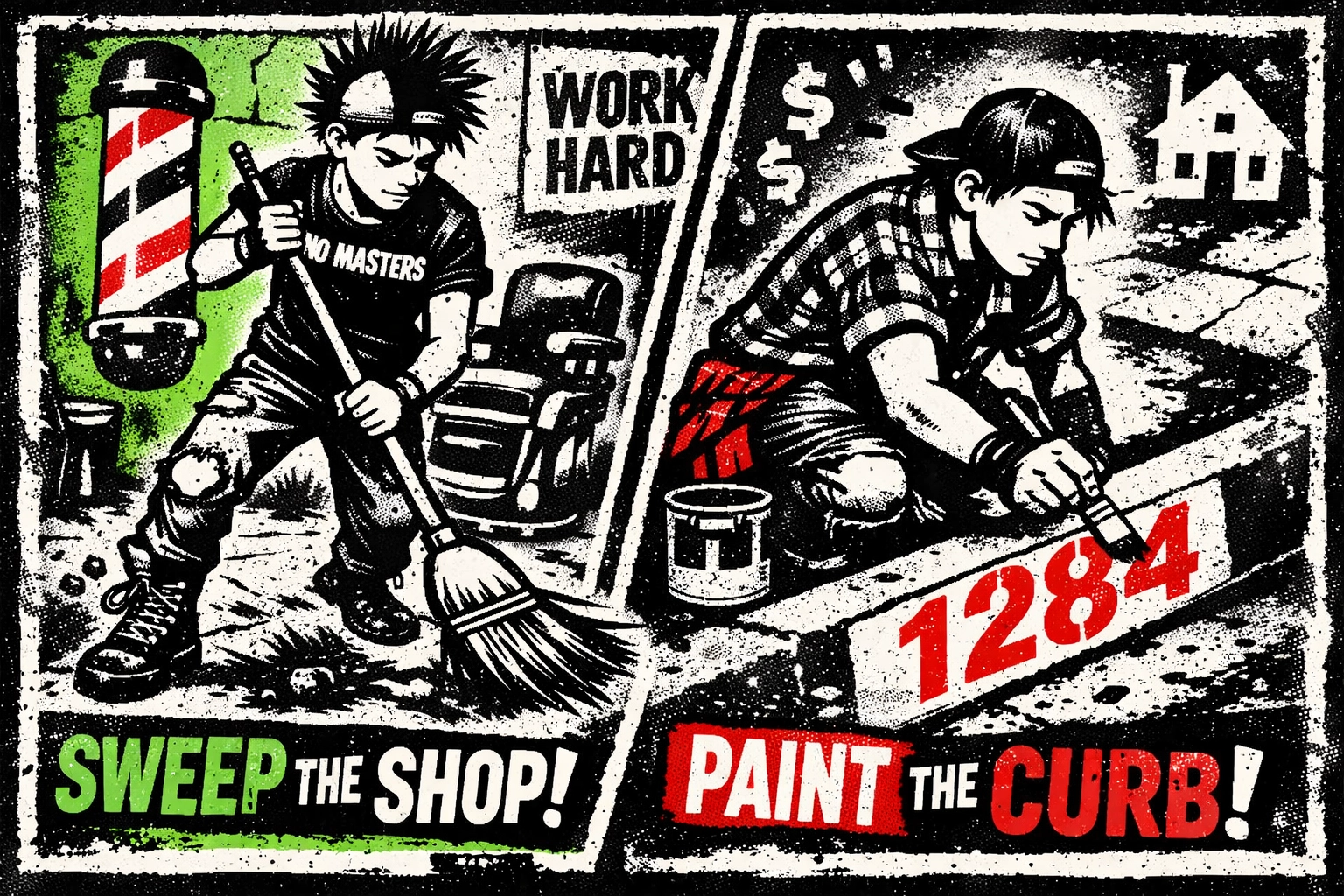
    My friend Seth and I painted house numbers on curbs for cash. My friend Kurt and I cooked up little schemes to make money.

    Before that, when I was eight years old, I was tagging along with a friend who was twice my age to the Sandy Mall. We swept barber shop floors. Handed out flyers for a coin shop.

    No branding.
    No Shopify store.
    No motivational quotes.

    Just hustle.

    Gen Z invented the word grind.
    Gen X invented grinding.

    Teen sweeping barbershop floors and painting curb numbers - Gen X side hustles in the 1990s

    Work Was the Escape

    Getting a job was freedom.

    It meant I did not have to sit in the chaos. It meant I could build something. It meant I could leave the drama and enter the real world, where effort equals pay.

    And that stuck with me.

    I did not just work jobs. I built things.

    While working full-time, I opened businesses. A t-shirt shop. A vape shop. A tech company. Because apparently sleeping was optional.

    The 96-Hour Weeks

    Let’s talk about Talyst Inc.

    I worked there for six years.

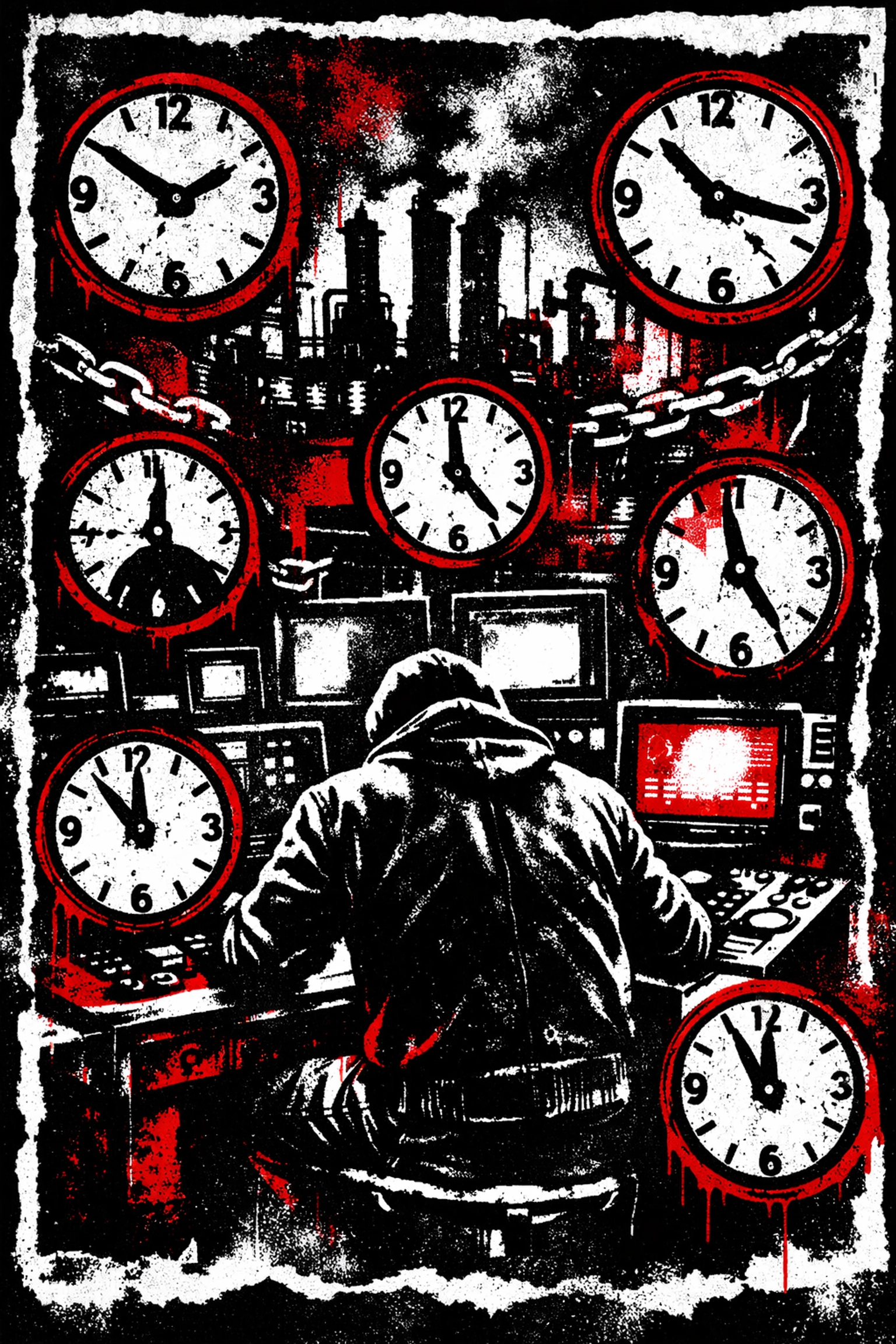
    At one point I was clocking 96 hours a week.

    Gen Z says, “That’s unhealthy.”
    Gen X says, “That’s rent.”

    The only thing that stopped that run was a serious car accident.

    Not burnout.
    Not quiet quitting.
    Not a personal brand pivot.

    A car accident.

    You can even see my employment history and reviews here: LinkedIn

    That era was not about looking tough. It was about being reliable. Showing up. Doing the job. Solving problems.

    Worker at industrial station with multiple clocks showing 96-hour work week determination

    The Accident That Changed Everything

    In May 2013, I had been working three days straight. I was training for the Tough Mudder to benefit wounded warriors. I was pushing myself to get stronger, to be tougher: not for the aesthetic, but because I wanted to contribute something real.

    You can hear me talk about it here, less than a month before the accident:

    Pre-Accident Update (YouTube)

    And here, talking about the Tough Mudder and how I “wasn’t tough” but was trying to get stronger:

    Tough Mudder Training (YouTube)

    The accident was life-changing. But here is the thing: the work I put in before that moment is what provides for my family today.

    Social Security Earnings and Long Term Work

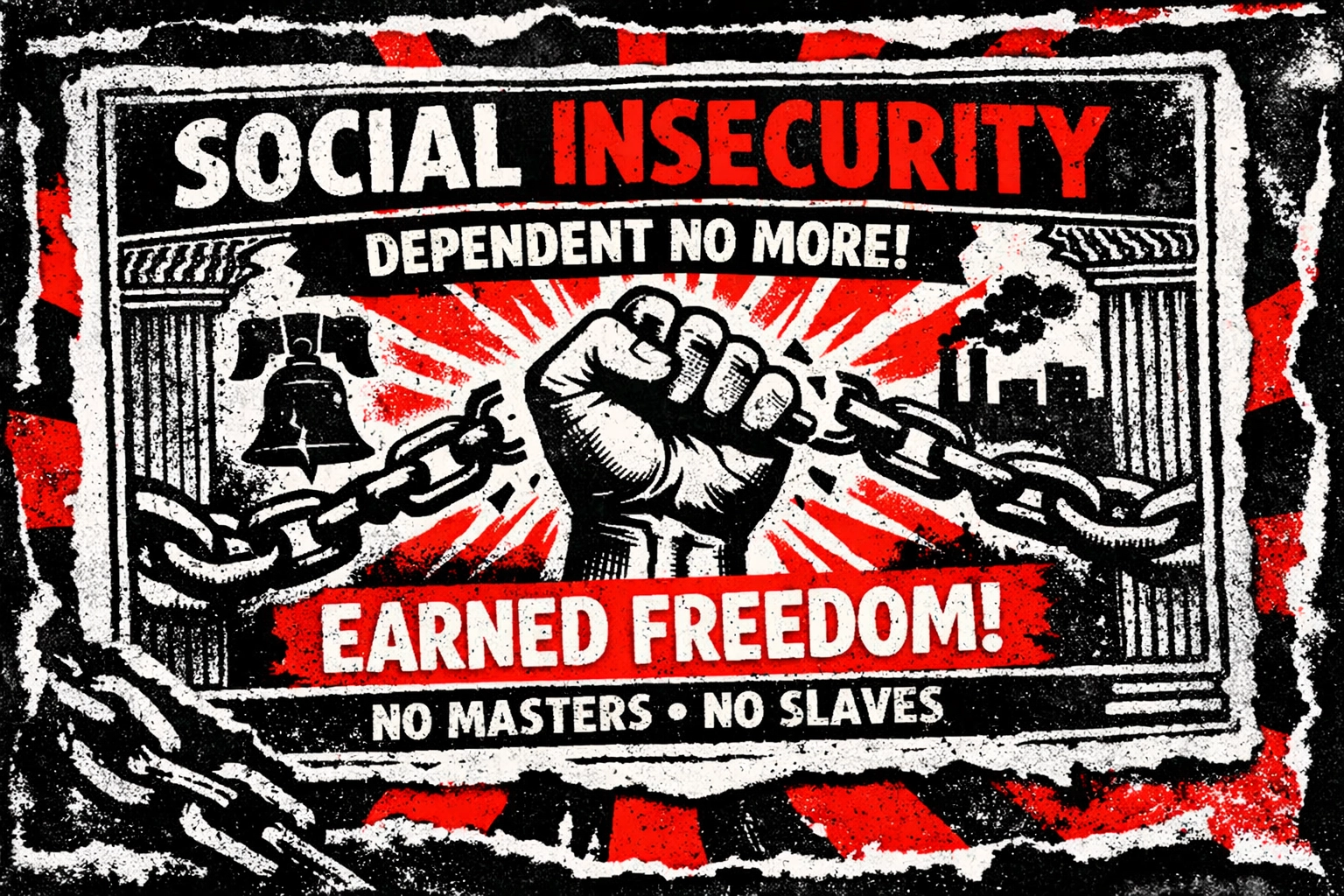
    The Gen X vs Gen Z work ethic debate becomes very real when you look at Social Security earnings records. Decades of paying into the system matter. Working full time since age 14 compounds over time.

    Monthly Social Security benefits are not random. They are based on lifetime earnings. The difference between paying in for decades versus not paying in shows up in retirement numbers. That is not bragging. That is math.

    My Social Security record is not some abstract number. It is proof of decades of grinding.

    It is why my monthly Social Security payment is what it is. It is why I was able to give my kids’ mom $13,000 as a lump sum and $1,000 a month for the kids. It is why she gets $1,000 per month for the children.  They may not sound like a lot, but that is half of what I get a month to live on for everything, and it is significantly more than what her own father ever got from the same system (total).   I literally get 300% more than her father ever got from the same system.

    That does not come from luck. It comes from working full-time since I was 14. It comes from the 96-hour weeks. It comes from every side hustle, every business, every paycheck I earned and paid into the system.

    Compare that to someone who spent most of their life not working, not paying in. Their Social Security payment? Less than half of mine.

    That is not bragging. That is just math.

    Social Security card with liberty symbols representing decades of Gen X work ethic and earnings

    Generational Roast, With Love

    Here is the playful part.

    Gen Z says, “Boi so tuff he only needs one mango.”

    Gen X says, “Cool. Did you invoice the mango?”

    You all grew up online. We grew up outside. You mastered algorithms. We mastered overtime.

    You measure toughness in aesthetic.
    We measured it in hours logged.

    But here is the twist. It is not a competition.

    Every generation has its thing.

    Gen Z is creative, bold, and allergic to nonsense corporate culture. That is good. Push back on stupid systems. Question authority.

    Just do not confuse memes with grit.

    Determined AF

    If there is anything that defines me, it is not toughness in some chest-beating way.

    It is determination.

    • Determined to leave dysfunction.
    • Determined to earn my own way.
    • Determined to work full-time at 14.
    • Determined to stack side gigs.
    • Determined to open businesses while holding down serious jobs.

    So maybe it is not “boi so tuff.”

    Maybe it is:

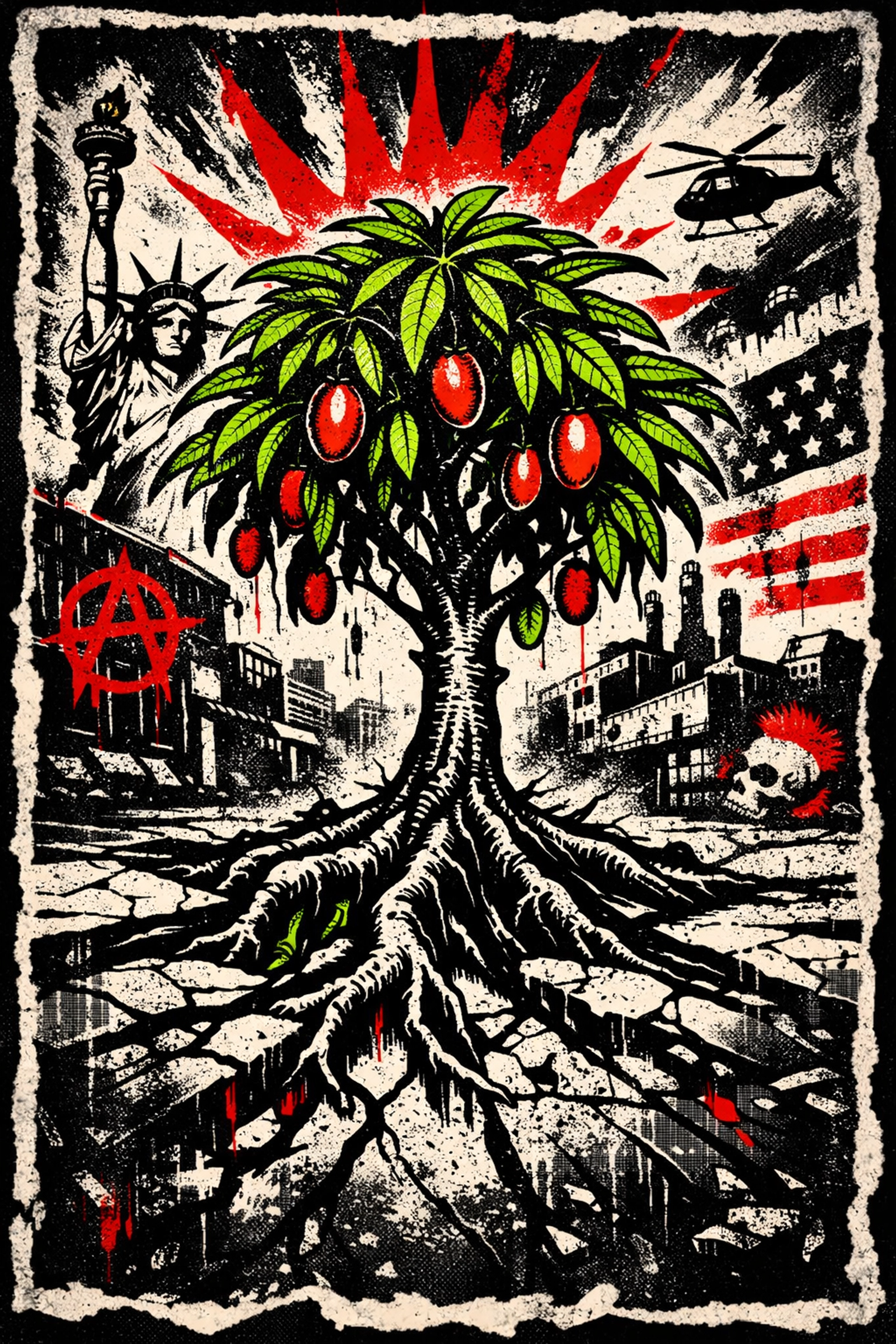
    Boi so determined AF he builds his own mango tree.

    Mango tree growing through cracked concrete - determination and self-reliance metaphor

    The Real Lesson

    The humor is fine. I can take a joke.

    But here is the part I actually care about.

    Work is freedom.

    When you earn, you choose.
    When you build, you are not trapped.
    When you create value, you are not begging for it.

    That is what I learned early. Not from a meme. From necessity.

    And if Gen Z wants to roast Gen X, that is fair. Just remember, the reason some of us look so stubborn is because we had to be.

    We were not trying to look tough.

    We were trying to get out.

    And we did.

    So yeah.

    “Boi so tuff he only needs one mango.”

    Nah.

    Boi so driven he planted an orchard.

    Real Grit Is Built Over Time

    The Gen X vs Gen Z work ethic debate should not divide us. It should sharpen us.

    Memes fade. Algorithms change. Trends die.

    Work remains.
    Contribution remains.
    Responsibility remains.

    Maybe “boi so tuff” is funny.

    But real determination is built over decades of effort. Real grit is proven in earnings records, long work weeks, businesses launched, and people provided for.

    That is not aesthetic toughness. That is earned freedom.


    Sources & References


    Keywords: Gen X vs Gen Z, work ethic, agricultural wages, Social Security earnings, Talyst Inc, Tough Mudder, determination, financial freedom, providing for family, 90s hustle, side hustle history, Gen X grit, Disruptarian commentary, punk rock libertarian

    Spun Web Technology SMART SEO

    Spun Web Technology SMART SEO

  • Eugene Oregon Protest 2026: Immigration, Riots, and the Free Market Response

    Eugene Oregon Protest 2026: A City Divided

    The Eugene Oregon protest 2026 was not just another headline. It was real. Broken windows. Angry chants. Federal agents inside a damaged building.

    I was there in February. I will be back again in March.

    Downtown Eugene was still cleaning up after anti ICE protests at the federal building. Windows were shattered. Graffiti covered walls. Activists were still gathering.

    The Eugene Oregon protest 2026 became a symbol of a deeper issue: immigration policy in a welfare state.

    Federal Building Riot and Political Selective Outrage

    At the center of the Eugene Oregon protest 2026 was opposition to ICE and federal immigration enforcement. Protesters blamed Donald Trump. They shouted. They filmed. They organized.

    But here is what most people ignore.

    Barack Obama deported more people than Trump during his first term. Detention facilities expanded long before Trump ran for office. Where were the riots then?

    This is selective outrage.

    The Eugene Oregon protest 2026 felt less like a policy debate and more like personality politics. That does not help anyone. If we care about liberty, we need consistency.

    Immigration Policy and the Welfare State

    As a libertarian, I support open borders in theory. Labor should move freely. People should seek opportunity.

    But theory and reality are different.

    The United States is not a pure free market. It is a massive welfare state. Social Security, housing subsidies, Medicaid, food programs. These systems cost money.

    When you increase population in a system built on entitlements, you increase pressure.

    Social Security has faced insolvency projections for years. Politicians delay reform. At the same time, the U.S. admits over one million legal immigrants per year. More than any other country.

    The Eugene Oregon protest 2026 ignored this tension.

    You cannot have unlimited benefits and unlimited migration without consequences. Supply and demand still applies.

    If labor supply increases, wages can fall. If housing demand rises faster than supply, rent increases. That is economics, not hate.

    Supply and Demand in Real Life

    The Eugene Oregon protest 2026 showed emotion. The market shows math.

    More workers means more job competition. More residents means more housing demand.

    We see this in cities across America. When population rises faster than construction, prices go up. That hurts working class families first.

    At the same time, immigration also increases supply. More workers can mean more businesses. More entrepreneurship. More tax revenue.

    This is not black and white.

    The honest libertarian position is this: shrink the welfare state if you want open borders. Align incentives. Reduce government promises. Let markets handle labor flow.

    Without reform, you create fiscal strain and social conflict.

    Cannabis Legalization: A Market That Works

    After leaving the federal building area, I visited a cannabis shop in Eugene. It was organized. Clean. Professional.

    Edibles. Drinks. Concentrates. Cartridges. All legal under Oregon law.

    The contrast with the Eugene Oregon protest 2026 was striking.

    Here was a formerly illegal industry now operating in the open market. Customers paid. The store earned revenue. The state collected taxes. No smashed windows.

    That is what happens when government steps back and allows voluntary exchange.

    There are still banking challenges due to federal restrictions. High risk payment processing. Extra fees. Regulatory friction.

    But entrepreneurs adapt. Markets adjust.

    Commerce builds stability. Riots destroy it.

    The Collapse of Shari’s Restaurant

    One of the most powerful images from my Eugene trip was a boarded up Shari’s restaurant.

    For decades, Shari’s operated across multiple states. Then it went bankrupt. Millions in debt. Doors closed almost overnight.

    That is how markets work.

    When businesses fail, they shut down. There is no automatic bailout. No forced taxpayer rescue.

    The Eugene Oregon protest 2026 targeted federal power. But real economic change happens through market discipline, not street chaos.

    Government agencies rarely shrink. Businesses must.

    Shari’s is a reminder: adapt or disappear.

    Surveillance, Distrust, and Big Government

    During the protest, activists warned people not to bring their main phones. They talked about biometrics and surveillance.

    There is deep distrust of federal power.

    Yet many of these same voices demand more government control in healthcare, student debt, and social programs.

    You cannot fear the state and expand it at the same time.

    The Eugene Oregon protest 2026 highlights this contradiction. Centralized power always grows. It rarely retreats voluntarily.

    The solution is decentralization. Less federal control. More local autonomy. More individual choice.

    A Libertarian Take on the Eugene Oregon Protest 2026

    The Eugene Oregon protest 2026 is a snapshot of modern America.

    Anger at federal enforcement. Confusion over immigration policy. Rising housing costs. Welfare state strain. Thriving cannabis markets. Closed legacy restaurants.

    Chaos and commerce side by side.

    Immigration is not evil. Enforcement is not automatically tyranny. Welfare is not free. Markets are not perfect.

    But incentives matter.

    If you want stability, you need consistent principles.

    If you want open borders, reduce entitlements.
    If you want entitlements, set clear limits.
    If you want prosperity, protect voluntary exchange.

    Burning buildings does not fix policy. Destroying property does not solve housing shortages. Chanting does not balance budgets.

    The Eugene Oregon protest 2026 should push us toward honest debate, not emotional reaction.

    Liberty requires responsibility. Markets require discipline. Government requires limits.

    That is the Disruptarian position.

    1) “Obama deported more people than Trump”

    2) “Obama had detention camps, family detention expanded before Trump”

    (These support that family detention was expanded under Obama in 2014, including large facilities.)

    3) “Social Security was projected to run out in 2033”

    (Important nuance: OASI has been projected around 2033, while combined trust funds are often cited as 2034 in recent reports.)

    4) “The US lets in over a million people legally every year”

    (These support around 1 million+ lawful permanent residents (green cards) in many years, including 2022.)

    5) “The US has more immigrants than any other country”

    6) “Eugene Federal Building riot, broken windows, anti-ICE protest”

    (These support that the Eugene federal building incident was treated as a riot and involved window damage, plus reporting about who broke a window.)

    7) “Shari’s shut down fast, lots of closures, debt, lawsuits”

    Spun Web Technology SMART SEO
    Spun Web Technology SMART SEO