Author: Ryan “Dickie” Thompson

  • Digital Sovereignty: How to Protect Your Content From Big Tech Censorship

    They didn’t just delete our accounts. They deleted our history.

    Hundreds of thousands of followers, gone. Years of podcasts, music mixes, commentary, vaporized. And worse: family photos. Videos of the kids. Moments you can’t get back. Irreplaceable memories stored on platforms we thought were permanent.

    Turns out, when you’re a digital tenant, you don’t own anything. You rent space on someone else’s server, and when they decide you’re a problem, they kick you out. No trial. No appeal. Just a Terms of Service violation email and a locked door.

    We learned that lesson the hard way. And we’re never going back.

    This isn’t a post about begging for our accounts back or complaining about fairness. This is about what we did next: we became digital preppers. We built our own infrastructure. And we’re giving away the blueprints so you can do the same.

    Person standing defiantly against crumbling Big Tech servers after digital deplatforming and censorship

    The Gut Punch: When Big Tech Deletes Your Life

    Let me be clear about what happened.

    We lost multiple accounts. Some had 100,000+ followers. Some had 250,000+. That’s not just vanity metrics, that’s a decade of relationship-building, content creation, and audience trust. That’s direct communication with people who wanted to hear what we had to say.

    But the real gut punch wasn’t the follower count. It was the personal content.

    Family videos. Photos of the kids at ages they’ll never be again. Birthday parties. Road trips. Stupid little moments that don’t matter to anyone but us, and that’s exactly why they mattered so much.

    We stored them on platforms that promised convenience. Upload once, access anywhere. Sounds great until “anywhere” becomes “nowhere” because some algorithm flagged your account.

    And here’s the thing: we weren’t alone. This has happened to thousands of creators, activists, and regular people who said something that didn’t fit the narrative of the week. The censorship hammer doesn’t just hit “dangerous voices.” It hits anyone the system decides is inconvenient.

    That’s when we stopped asking permission and started building.

    From Tenant to Owner: The Pivot

    When you rent, the landlord has all the power. When you own, you control the foundation.

    We decided to stop being digital tenants. That meant moving everything we could into spaces where we control the infrastructure, the backups, and the access. Places where no single company could flip a switch and erase us.

    This isn’t about being paranoid. It’s about being realistic. If something can be deleted, it probably will be. If it can be censored, it will be censored eventually. That’s not conspiracy theory, it’s probability.

    So we built a system. Three layers of defense:

    1. Archive everything publicly so it’s preserved even if we disappear.
    2. Open-source the tools so anyone can replicate what we’re doing.
    3. Distribute across platforms that don’t play by Silicon Valley’s rules.

    Here’s how we did it, and how you can too.

    Building digital infrastructure from hard drives and open source code for platform independence

    The Arsenal: Archive.org, GitHub, and Rumble

    Archive.org: The Memory Hole Insurance

    First stop: Archive.org/details/@veracitylife

    The Internet Archive is one of the last truly open repositories on the web. It’s a nonprofit library that archives everything, websites, videos, books, audio. And unlike Facebook or YouTube, they’re not going to delete your content because someone reported it for “misinformation.”

    We upload everything there. Podcasts. Radio mixes. Commentary. Even family videos (the ones we don’t mind being public). Once it’s archived, it’s there. Permanently. Indexed. Searchable. Preserved.

    If someone tries to memory-hole our content again, they can’t. It’s already in the library.

    This is digital sovereignty at its most basic: you can’t censor what you don’t control.

    And the best part? Anyone can do this. You don’t need special access. Just create an account and start uploading. Back up your YouTube channel. Archive your blog. Save your photos. Make it impossible for any single company to erase you.

    GitHub: The Armory

    Second layer: GitHub.com/veracitylife

    GitHub is where we store the code. The blueprints. The tools we built to run our own platform without begging Big Tech for permission.

    We’ve developed free, open-source software for:

    • Radio broadcasting and automation
    • Content distribution systems
    • Search and indexing tools (like the GnosticBible SuperSearch WordPress Plugin)
    • Archival infrastructure so anyone can run their own digital library

    Why give it away for free? Because the fight against censorship isn’t about hoarding tools, it’s about making it impossible to silence people. If 10,000 creators are running their own platforms using our code, that’s 10,000 platforms that can’t be shut down by a single CEO’s bad day.

    This is the libertarian model in action: distribute power, decentralize control, and make tyranny expensive.

    If you’re a podcaster, a musician, a content creator, or just someone who’s tired of living at the mercy of algorithms, grab the software. It’s yours. Fork it. Improve it. Use it to build something they can’t take down.

    Three pillars of anti-censorship tools: Archive.org preservation, GitHub code, and Rumble video platform

    Rumble: The Video Refuge

    Third layer: Rumble.com/user/Disruptarian

    Rumble isn’t perfect, but it’s a hell of a lot better than YouTube when it comes to not banning you for saying the wrong thing.

    We moved all our video content there. Not because Rumble is ideologically pure or because they’re immune to pressure, but because they have different incentives. They’re building a business model that doesn’t rely on advertiser-friendly censorship.

    And that’s enough.

    You don’t need a perfect platform. You just need one that won’t delete you for having an opinion. Rumble has proven (so far) to be that platform.

    The strategy here is simple: diversify your distribution. Don’t put all your content on one platform. Spread it across multiple services with different ownership structures, different revenue models, and different jurisdictions.

    If one bans you, the others are still live. If two ban you, the archives remain. And if all of them go down, you still have the GitHub repos and the tools to rebuild.

    The “Free Archives” Strategy: Use Everything You Can

    Beyond the big three, we use every free archive we can find.

    • Wayback Machine snapshots of important pages
    • IPFS (InterPlanetary File System) for decentralized hosting
    • Peer-to-peer backup networks run by people who actually care about free speech
    • Local hard drives (old school, but it works)

    The principle is redundancy. If it matters, back it up five times in five different places. Make it so hard to erase that no one can be bothered trying.

    This is digital prepping. And in 2026, it’s not paranoia, it’s basic self-defense.

    Multiple backup devices and hard drives for digital preservation and redundancy against data loss

    Why This Matters: It’s Not Just About Us

    Here’s the thing: we’re not special. We’re not the only ones who got deplatformed. We’re not the only ones who lost irreplaceable content.

    This is happening to independent journalists. Musicians. Activists. Small business owners. Parents who posted the wrong thing in a school board meeting. People who asked the wrong questions during a crisis.

    Big Tech censorship isn’t about “dangerous misinformation.” It’s about control. And the only way to break that control is to stop depending on them.

    That’s why we’re building in the open. That’s why the software is free. That’s why the archives are public.

    Because if we can do it, you can do it. And if enough of us do it, they can’t stop all of us.

    The Call to Action: Grab the Tools and Start Building

    Here’s what you can do right now:

    1. Back up your content. Everything. Photos, videos, posts, podcasts. Use Archive.org. Use local drives. Use whatever works. Just don’t leave it on someone else’s server as your only copy.
    2. Check out our GitHub. Download the free software. Run your own radio station. Build your own content library. Take control of your platform.
    3. Diversify your distribution. Don’t rely on one platform. Spread your content across multiple services. Make it impossible to silence you with one ban.
    4. Share the tools. If you know someone who got deplatformed, send them this post. If you know a creator who’s one strike away from deletion, tell them about the archives. The more people who build their own infrastructure, the harder censorship becomes.

    This isn’t about being anti-technology. It’s about being pro-freedom. The internet was supposed to be decentralized. It was supposed to be a place where anyone could speak and anyone could listen.

    We’re bringing that back. One archive, one repo, one platform at a time.

    Content creators and independent voices united against Big Tech censorship and surveillance


    Sources & Tools


    Note to Sonny (Social Media Manager): New blog post is live. Please schedule promotion across all active channels per the social media guidelines. Include the post link: /blog/digital-sovereignty-fighting-big-tech-censorship and emphasize the free tools on GitHub angle: this one’s built for shares. Let me know if you need pull quotes or custom graphics. ( Ryan)

    Spun Web Technology SMART SEO

    Spun Web Technology SMART SEO

  • Gender Affirming Care Lawsuits Are Just Beginning for Doctors

    Gender affirming care lawsuits are no longer theoretical, they are now hitting doctors, hospitals, and insurers in courtrooms across the United States.

    I listened to this podcast, and I agree with these guys in every way. Not because it’s trendy. Not because it fits some political tribe. But because I’ve watched my own kids struggle through phases, confusion, identity, and growing pains. That’s what childhood is. It’s messy. It’s not stable. And it is not permanent.

    That’s why this story matters.

    The Lawsuits Are Just Getting Started

    A New York jury recently awarded $2 million to a 22-year-old woman named Fox Varian who had a double mastectomy at 16. She says doctors rushed her into it. The jury agreed.

    She received $1.6 million for pain and suffering and $400,000 for future medical care. The verdict specifically found that psychologist Kenneth Einhorn and surgeon Simon Chin departed from the standard of care by pressuring her into irreversible surgery. According to trial records, Einhorn allegedly told Fox’s mother that her daughter would commit suicide if she didn’t consent to the procedure.

    That number may sound big. It’s not. Not for the lifetime of damage. But it’s a start.

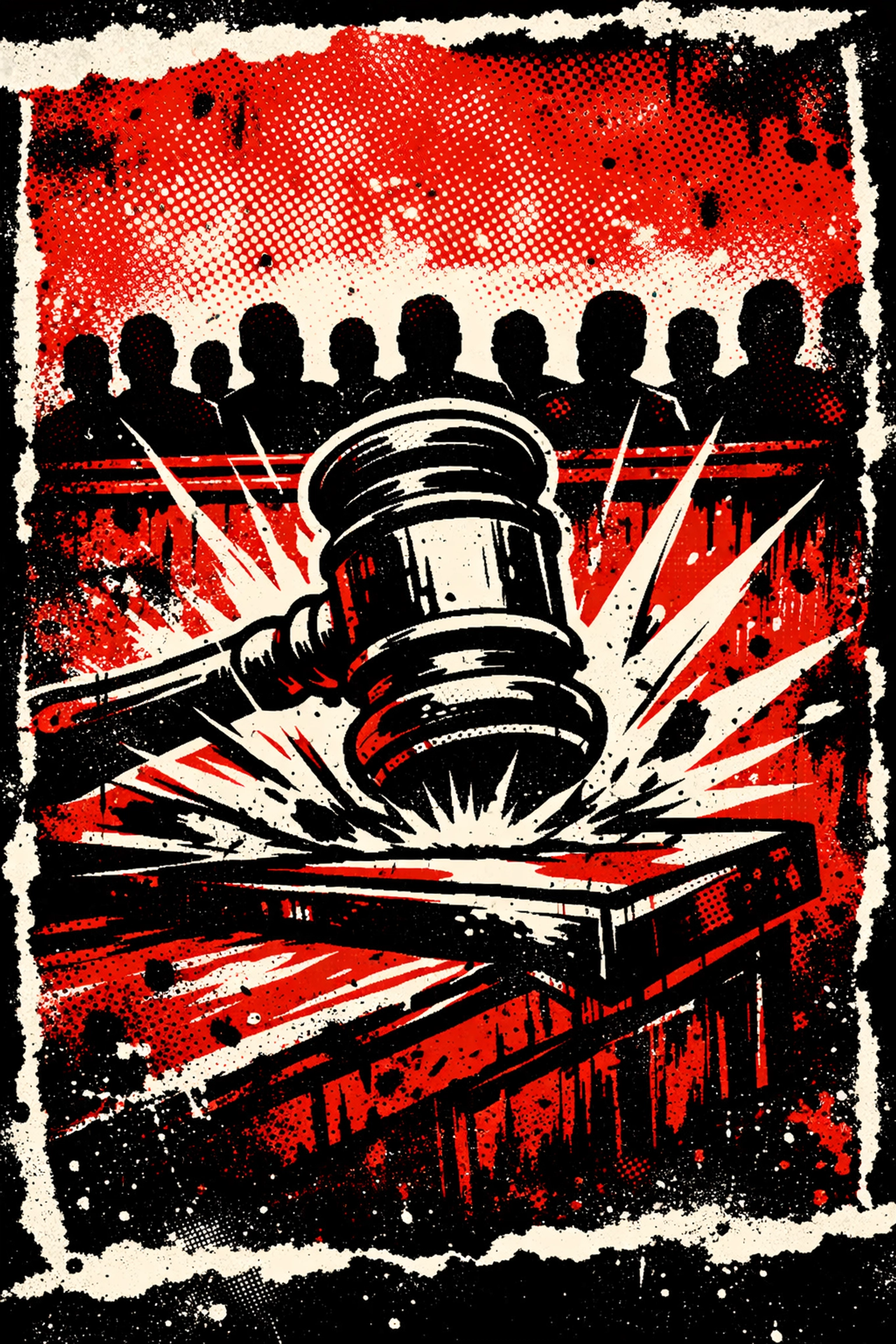
    Courtroom gavel representing jury verdict in $2M detransitioner medical malpractice lawsuit

    In a free society, when someone causes permanent harm, liability is the tool that corrects the behavior. Not politicians. Not speech codes. Not federal agencies. Liability.

    This is what many libertarians have been saying for years. You don’t need massive federal bans if the courts hold people accountable for reckless medical practices. The market corrects when lawsuits make bad behavior expensive.

    And this case just moved the Overton window.

    Children Are Not Adults

    Here’s the simple truth: children cannot get tattoos. They cannot buy alcohol. They cannot sign contracts.

    But somehow, in some states, they can consent to irreversible surgeries.

    That makes no sense.

    If you’re 25 years old and want to transition, that’s your business. That’s freedom. You live with the results. But a 13 or 16-year-old? That’s different. Their brains are still developing. Their identities are forming. Puberty alone changes everything.

    When I was growing up, we had tomboys. Girls who played rough. Girls who ran with the boys. No one thought it meant they needed surgery. Puberty hit, and most of them matured into who they were naturally going to be.

    Kids go through phases. Always have. We shouldn’t treat a phase like a surgical emergency.

    The Liability Model Works (And Here’s Exactly How)

    This is where the libertarian argument gets strong. Instead of screaming for federal bans, let the lawsuits happen.

    If doctors and hospitals face massive malpractice risk for rushing minors into irreversible procedures, they will stop. Here’s the mechanism:

    First, the lawsuits create precedent. Fox Varian’s case isn’t isolated. Chloe Cole is suing Kaiser Permanente. Soren Aldaco brought her case before the Texas Supreme Court in February 2026. These are the opening shots in what will likely become a flood of litigation.

    Second, precedent changes insurance underwriting. Malpractice insurers don’t care about your politics. They care about risk. If juries start awarding millions to detransitioners, premiums will skyrocket for providers offering gender-affirming care to minors. Some doctors won’t be able to get coverage at all.

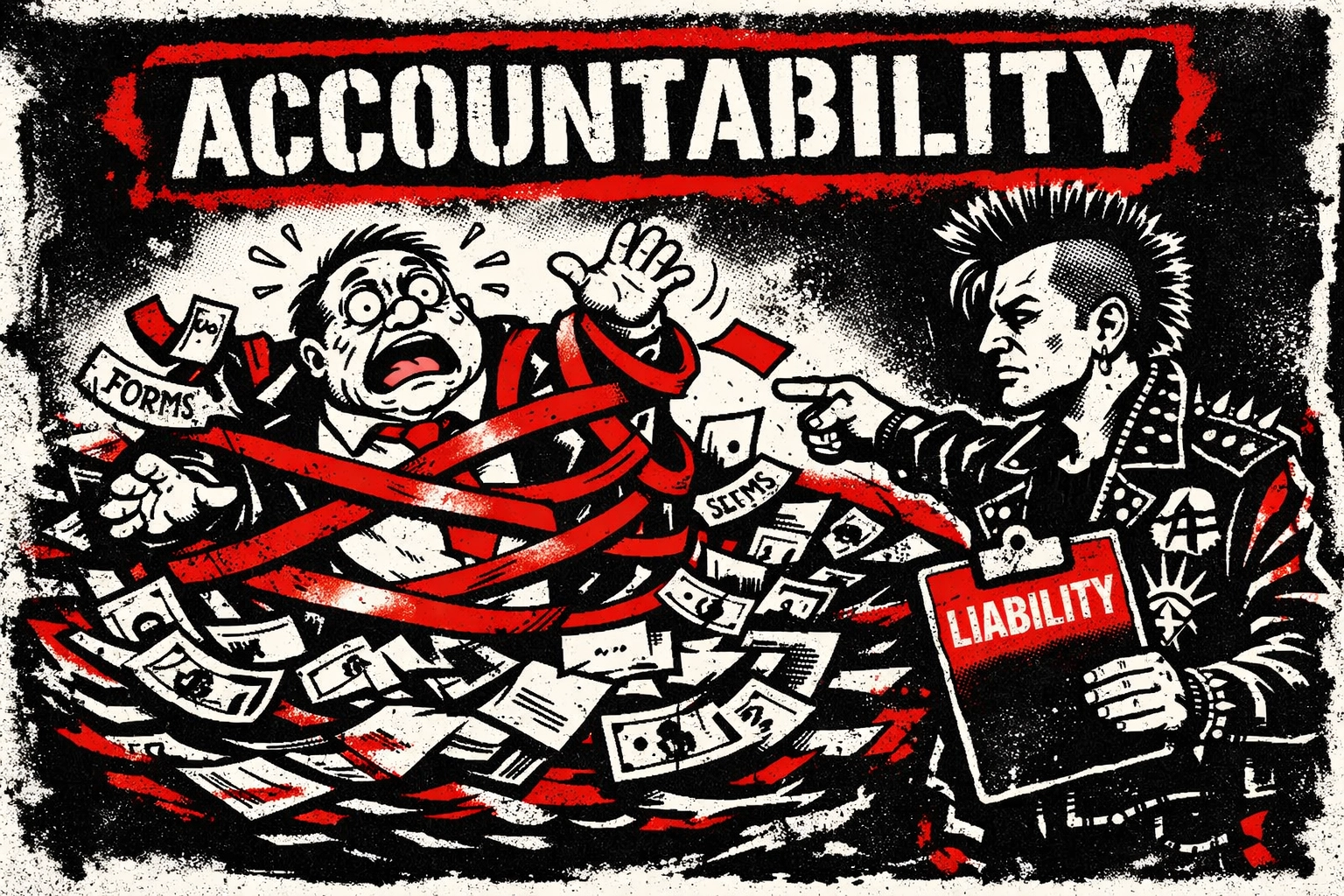
    Medical liability accountability concept showing bureaucratic red tape versus individual responsibility

    Third, hospitals adjust protocols to minimize exposure. When insurance becomes prohibitively expensive, hospital legal teams step in. They’ll demand longer evaluation periods, more psychological assessments, stricter age limits, and documented parental consent. Not because they suddenly grew a conscience, because the math changed.

    Fourth, professional boards tighten standards. Medical associations watch liability trends closely. When the American Medical Association sees multi-million-dollar judgments, their guidelines shift. We’ve seen this pattern before in other areas of medicine, from surgical procedures to pharmaceutical prescriptions.

    That’s how accountability works in a market system. It doesn’t require a national mandate. It requires responsibility.

    If Fox Varian can prove she was pressured, misled, or not properly evaluated, and she did, then the doctors who pushed it should pay. And I predict this is only the beginning.

    The Insurance Kill Shot: Why Money Talks Louder Than Politics

    Let me break down the insurance angle even further, because this is where the real power lives.

    Insurance companies are some of the most risk-averse institutions on the planet. They’re not in the business of ideology. They’re in the business of not losing money. When a new category of malpractice claims emerges, especially one involving minors and permanent physical alterations, actuaries start running the numbers.

    Here’s what they’re calculating:

    Potential exposure per case: If the average settlement or verdict is $2 million, and there are hundreds of potential plaintiffs aging into the statute of limitations window, that’s billions in potential liability.

    Frequency risk: How often will these claims be filed? The answer depends on detransition rates, which are disputed but appear to be rising as more people reach adulthood and reconsider early medical interventions.

    Defense costs: Even if a doctor wins the case, defending a medical malpractice lawsuit costs hundreds of thousands of dollars in legal fees, expert witnesses, and court costs.

    Insurance risk assessment and malpractice premium calculations for gender-affirming care providers

    When insurers run these numbers, premiums adjust accordingly. In some cases, coverage becomes unavailable entirely. That’s not a bug, that’s a feature. It’s the market saying: “This practice carries too much risk for us to underwrite.”

    And once insurance dries up, the practice stops. Hospitals won’t allow procedures their insurance won’t cover. Doctors won’t perform surgeries that could bankrupt them personally.

    No federal law required. No executive order. No congressional hearing. Just the invisible hand of the market doing what it does best: pricing in risk.

    The Supreme Court and the Shifting Legal Landscape

    The legal terrain is shifting rapidly. In June 2025, the Supreme Court decided United States v. Skrmetti, upholding Tennessee’s ban on gender-affirming care for minors. This wasn’t a libertarian outcome, it was a state-level restriction, but it reflects the growing judicial skepticism around rushing minors into irreversible medical decisions.

    The Skrmetti decision didn’t settle the debate. It opened the door for more state-level regulations. Arkansas followed with its own ban, upheld by the U.S. Court of Appeals. Other states are watching closely.

    But here’s the thing: whether you agree with state bans or not, the Fox Varian verdict operates on a completely different plane. State bans are top-down restrictions. Liability is bottom-up accountability. One tells doctors what they can’t do. The other makes them pay when they do harm.

    I prefer the latter. It’s cleaner. It’s more precise. And it doesn’t require politicians to guess what’s medically appropriate.

    Compassion Without Coercion

    This isn’t about hating anyone. Adults should live how they want. That’s freedom. If you’re 25 and you want to transition, that’s your call. You own the outcome.

    But compassion doesn’t mean rushing kids into permanent medical decisions. Real compassion means slowing down. Counseling. Therapy. Time.

    The free market doesn’t mean chaos. It means accountability. If you harm someone, you pay.

    Fox Varian’s case shows that juries are starting to recognize that harm. They’re saying: “No, a 16-year-old cannot give informed consent to a double mastectomy. And if you pressured her into it, you owe her.”

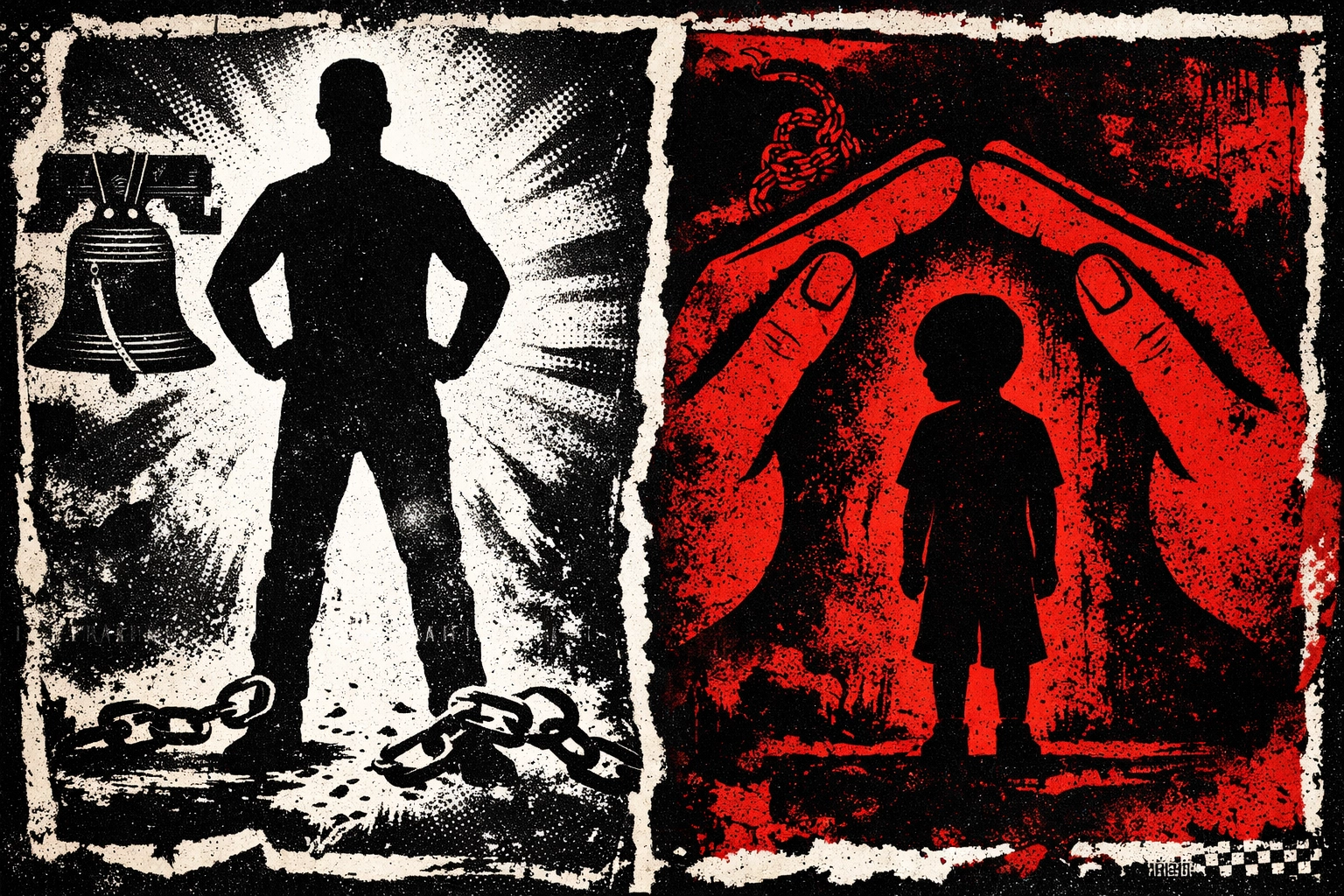
    Adult autonomy versus child protection illustrating informed consent debate for medical procedures

    That’s a powerful message. It’s not coming from Congress. It’s coming from 12 ordinary people who heard the evidence and made a decision.

    And I believe there will be many more lawsuits in the future. When that happens, the system will correct itself. Not because politicians forced it to. But because the cost of being reckless became too high.

    That’s how a free society protects people.

    The Incentives Are Changing (And Fast)

    Once a precedent is set, the incentives shift overnight.

    We’ve already seen activist groups pushing to extend statutes of limitations in these cases. Why? Because regret often takes years to manifest. A teenager who transitions at 15 might not fully understand what they’ve lost until they’re 22, 25, or 30. If the law allows them to sue even a decade later, the liability exposure becomes even more severe.

    Malpractice insurers are already pricing in that risk. Medical associations are already adjusting their language. Hospitals are already drafting new protocols.

    Even medical associations will adjust once money is on the line. We’ve already seen that happen in other fields. Liability drives reform. It always has.

    This isn’t theory. This is the market working exactly as libertarians have always argued it should. Bad actors get punished. Incentives realign. Protection emerges without top-down mandates.

    The Bottom Line

    Freedom means living with your own choices. But protecting kids is common sense.

    The Fox Varian verdict isn’t just a headline. It’s a signal. It tells the medical establishment: if you rush minors into irreversible procedures, you will pay. Not in political capital. In dollars. In reputation. In professional consequences.

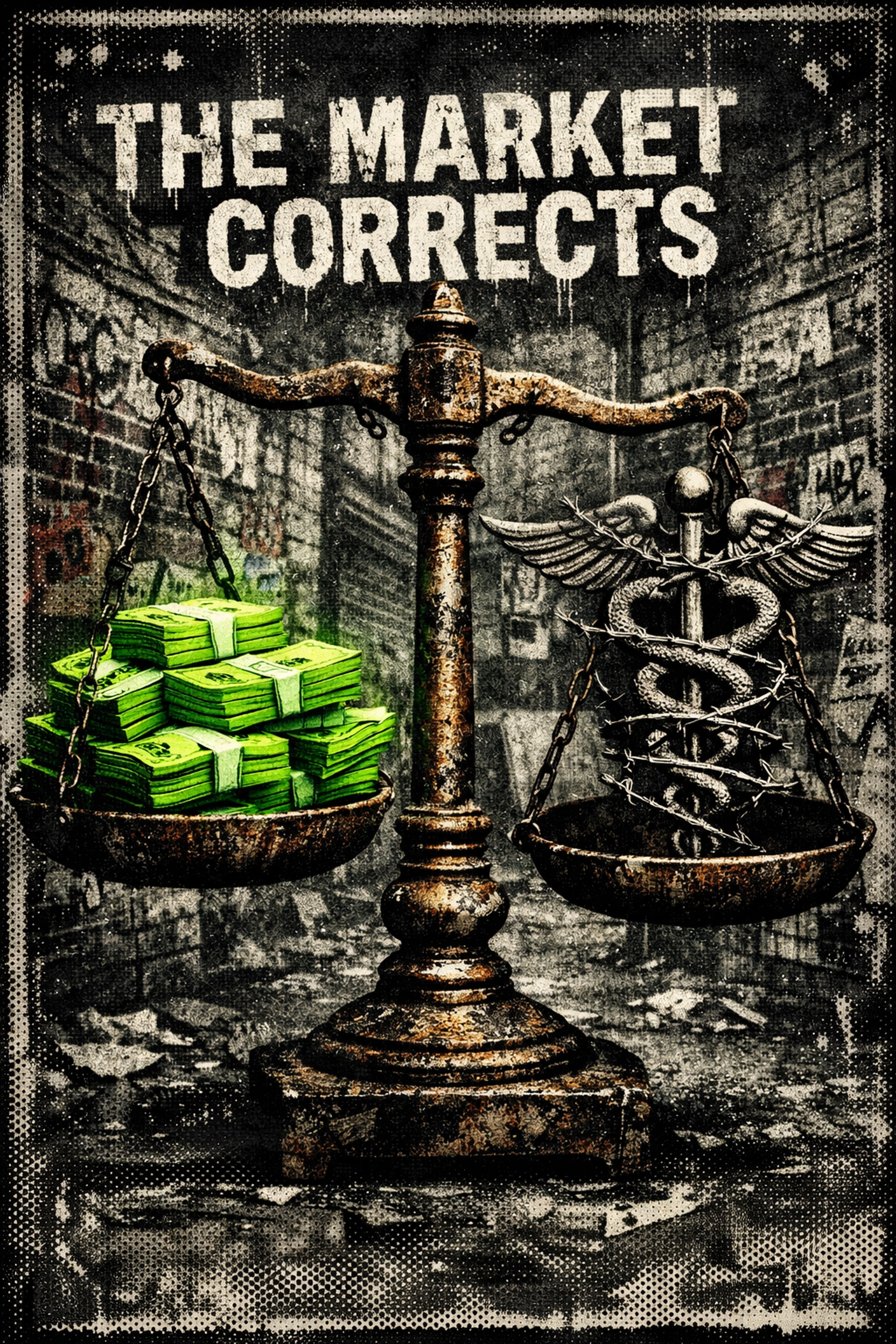
    Justice scales balancing financial liability with medical ethics in detransitioner lawsuits

    That’s more powerful than any federal ban. That’s the market defending the defenseless. That’s liability doing what it’s supposed to do: correcting reckless behavior through real accountability.

    And if you’re a doctor considering fast-tracking a teenager into surgery, you might want to think twice. Because the next jury might cost you a lot more than $2 million.

    Welcome to the free market. It’s not perfect. But it’s honest.

    And it just might save a generation of kids from irreversible mistakes.


    Sources & References

    Spun Web Technology SMART SEO

    Spun Web Technology SMART SEO

  • Springville Police, My Brother’s Death, and Why the Michael Ewing Case Raises Serious Questions

    There is a reason I spoke up about the death of Michael Ewing in Springville.

    It is not because I knew him.
    It is not because I know his family personally.
    It is because I have seen something like this before.

    Twenty four years ago January 23rd 2002, my little brother Justin Thompson died. He was 16 years old.

    The official explanation my parents were given was “accidental death.” But Justin was struggling with depression. He was on multiple prescription medications. And he ended his own life.

    What most people never saw was what happened in the weeks and months before that day.

    Police officers showed up at the homes of several of Justin’s friends. They were asking about him. Investigating him. But not directly speaking to him in a clear and open way. Instead, they knocked on doors. They talked to parents. They created fear.

    This was a small Utah community. When police start asking questions about a teenage boy, word spreads quickly. Parents become protective. Friends distance themselves. Rumors form.

    A 16 year old who already feels isolated suddenly feels watched.

    My parents did what any parents would do. They called law enforcement and asked a simple question: What did our son do?

    At first, they were told it was not even their department. Later, they were told it was Springville. A specific sergeant was named. We tried to contact him. No return call. No explanation. No documentation that made sense to us. No clarity.

    There was no clear charge. No arrest. No formal accusation that we were made aware of.

    Then, not long after, Justin was dead.

    Justin was not some hardened criminal. He was a thoughtful kid. He played guitar. He loved music. He traveled with me to festivals and road trips. We disagreed about religion. I was deep into Christianity at the time. He was more agnostic. But we respected each other.

    He was honest. He thought deeply about life. He asked real questions.

    He was also on heavy prescription medications for depression and ADHD. Medications that clearly warn about increased risk of suicidal thoughts. I know that road personally. As a teenager, I was put on similar medications. I attempted to take my own life twice during those years. I know how those drugs can distort your thinking.

    When you combine teenage depression, powerful prescription drugs, social isolation, and what feels like unexplained police pressure, that is not nothing.

    Pressure matters.
    Isolation matters.
    Public shame matters.

    I am not saying the police killed my brother. That is not what I am claiming.

    I am saying environment plays a role. And when authority inserts itself into a young person’s life without transparency, that can have consequences.

    To this day, our family never received a clear explanation about why officers were knocking on doors asking about Justin. If there was a legitimate reason, it should have been documented and explained. Instead, we were left with silence.

    If you want to understand more about Justin and his story, I created a website in his memory:
    https://justin-thompson.com

    Now fast forward to today.

    Michael Ewing’s death in Springville was ruled a suicide. His family says there is more to the story. They are asking for transparency. They are asking for answers. They are asking why certain things do not add up.

    When I saw that the same department was involved, I felt something familiar.

    I am not claiming the two situations are identical. I am not making accusations without evidence. That would be irresponsible.

    But patterns matter.

    When families repeatedly say they are not getting clear answers from the same institution, that should concern the community. It should not be brushed aside as grief or conspiracy. Grieving families still deserve transparency.

    If law enforcement had legitimate concerns about my brother, say it. Document it. Explain it. Show the paperwork. Let sunlight do its job.

    If Michael Ewing’s case is as simple as it has been ruled, then release the details that remove doubt. Transparency builds trust. Silence destroys it.

    Small towns depend on trust. Once that trust is broken, it is very hard to rebuild.

    This is not about attacking police. It is about accountability. It is about understanding that authority carries responsibility. When that responsibility is not handled with clarity, people notice.

    Families live with unanswered questions for decades.

    I know that from experience.

    That is why I spoke up about Michael Ewing’s case. Not because I knew him. Not because I want attention. But because I recognize the weight of unanswered questions.

    And no family should have to carry that alone.


    I am grateful for this family speaking out, when the typical routine is to stay silent, bear the pain, and move on as best as you can, without making waves.  That is typical Springville Utah MO in my honest opinion.  So thank you to this family from the bottom of my heart.
  • Family Questions Suicide Ruling in Michael Stanley Ewing’s Death in Springville, Utah

    By Ryan Thompson, Disruptarian Radio

    Michael Stanley Ewing died under suspicious circumstances on July 14, 2025, in Springville, Utah. His death was officially ruled a suicide in September 2025. But his family isn’t buying it—and neither are many in the local community.

    The case is still listed as open as of January 12, 2026, according to local sources, and now the family is publicly demanding a full, transparent investigation.

    “We were told the case was closed. Then we find out it’s still open months later? Something isn’t right,” said James Ewing, Michael’s brother.

    A Facebook page and video have been launched to raise awareness and demand accountability:

    👉 Watch the video reel here
    👉 Follow the official Justice4Michael page


    What Happened?

    Michael, 45, was found dead inside his vehicle. The autopsy and police report concluded it was suicide. But members of his family say key details don’t add up:

    • A reported “suspicious person” call happened near the time of death.

    • There are unanswered questions about the wounds found and where the incident really occurred.

    • Some claim the scene may have been staged, and there were signs of cleanup elsewhere.

    These are serious allegations. So far, no law enforcement agency has confirmed or denied these specific claims. But the city attorney in Springville is reportedly keeping the case open for now.


    Why It Matters

    This isn’t just about one man’s death. It’s about whether small-town institutions are being honest and accountable. If the cause of death is unclear—or worse, being covered up—then people deserve answers.

    As libertarians, we believe government power needs constant oversight, especially at the local level. Transparency isn’t optional. When someone dies and the government says, “Case closed,” that shouldn’t be the end of the story—especially if the evidence is unclear.

    This is about due process, honest policing, and respect for life. If there’s nothing to hide, then release all the information. Let the public see for themselves.


    What You Can Do

    📣 Spread the word: Share the video, the Facebook page, and this article.
    📧 Reach out: Contact the family directly at [email protected]
    📍 Demand transparency from Springville city officials. If they want public trust, they need to earn it.

    The Ewing family isn’t asking for special treatment. They’re asking for truth.

    And we stand with them.

    the death of Michael Stanley Ewing

    the death of Michael Stanley Ewing

    Spun Web Technology SMART SEO

    Spun Web Technology SMART SEO

  • The Courage to Be Disliked: Why Disruptarians Choose Freedom Over Approval

    A Life of Disruption Before I Knew the Word

    I did not wake up one day and decide to be a disruptor. I was one early on.

    In my pre teen years, I already stood out. Rocket hair cuts when blending in was expected. Piercings in the 1980s, back when that was not a trend but a signal. Adults were uneasy. Peers did not quite know what to do with me. That was my first lesson in being disliked.

    Then came punk rock.

    Punk was not fashion. It was refusal. Refusal to ask permission. Refusal to conform. Refusal to pretend. Punk gave me language for something I already felt, but it also came with isolation. You do not step outside the norm without paying a price.

    Later, I became a Christian. That confused almost everyone. Punk culture did not want belief. Religious culture did not know what to do with someone who would not fully submit to institutions. That was another lonely season.

    Then conservatism entered my life, not as a team sport, but as a set of conclusions. That brought even more social cost. In many circles, conservative ideas are treated as moral failure, not disagreement.

    Each phase disrupted a different group. Each phase demanded the same thing. The courage to be disliked.

    This book finally gave structure to something I had been living for decades.


    What The Courage to Be Disliked Gets Right About Modern Life

    The book is built on Adlerian psychology, developed by Alfred Adler. Unlike Freud, Adler focused less on past trauma and more on present choice. That distinction matters.

    The core idea is simple and unsettling. People are not controlled by their past. They act in the present based on goals, often unconscious ones.

    Fear serves a purpose. Anger serves a purpose. Avoidance serves a purpose. Approval seeking serves a purpose.

    Modern society is driven by this need for approval. Social media rewards conformity. Politics rewards outrage. Institutions reward obedience. The book cuts through all of it and asks one question. What are you getting out of the behavior you keep repeating?

    That question alone dismantles victim culture.

    The book does not deny pain. It denies excuses.


    Approval Seeking Is the Enemy of Freedom

    One of the strongest themes in The Courage to Be Disliked is how deeply approval seeking shapes our lives. From childhood, people are trained to behave for praise. By adulthood, many cannot tell the difference between their values and social expectations.

    This is where Adler’s idea of separation of tasks becomes critical.

    Your task is to choose how you live. Other people’s task is to react to it. When you try to manage both, you lose yourself.

    As a Disruptarian, this idea feels foundational. Free markets work because no one is forced to agree. Voluntary exchange works because consent matters. Speech matters because disagreement is allowed.

    Trying to control how people feel about you is just another form of control. It is exhausting. It is dishonest. It destroys courage.


    Competition, Status, and the Politics of Resentment

    The book also rejects competition as a way of living. When life becomes a ranking system, relationships turn into power struggles. People stop contributing and start comparing.

    This explains modern politics perfectly.

    Everything becomes a contest. Who is more oppressed. Who deserves more. Who must be punished. This mindset feeds resentment and justifies coercion.

    Disruptarian philosophy rejects that framework. Markets are not about winning status. They are about creating value. You earn trust by being useful, not by being superior.

    The book reframes meaning as contribution instead of dominance. That idea aligns cleanly with liberty and voluntary exchange.


    Loneliness Is Not a Failure, It Is a Cost

    One of the most honest parts of the book is how it talks about loneliness. The authors do not pretend it goes away immediately. When you stop chasing approval, some people leave. Others push back. Some feel threatened.

    freedom - loneliness

    freedom – loneliness

    I have lived this repeatedly.

    Every disruptive stage of my life came with loss. Punk lost family approval. Faith lost friends. Conservatism lost entire communities. Disruptarian thinking loses you almost every institutional ally.

    The book reframes this loneliness as temporary and necessary. It is the space between false belonging and real connection.

    You cannot build honest relationships while performing.


    Disruptarianism and the Courage to Be Disliked

    Disruptarian did not exist when this book was published. It began in 2015. But the overlap is impossible to ignore.

    Being a Disruptarian means rejecting centralized narratives. Questioning authority. Defending individual responsibility. Supporting voluntary solutions instead of coercive ones.

    That position guarantees disapproval.

    Libertarians are called heartless for supporting responsibility. Extremists for opposing government power. Greedy for defending markets. The book explains why standing firm still matters.

    Separation of tasks protects your sanity. Speak honestly. Let others react however they choose.

    That is not cruelty. That is respect.


    Living in the Present With Responsibility

    The final lesson of the book is about living in the present. Not chasing comfort. Not escaping pain. Choosing purpose now.

    If meaning is created now, then excuses lose their power. You cannot outsource responsibility forever. You cannot blame history forever. You cannot wait for permission forever.

    Freedom is practiced before it is recognized.

    As a Disruptarian, that idea is everything.


    Final Reflection

    The Courage to Be Disliked is not motivational. It is confrontational.

    It does not promise happiness. It offers freedom.

    If you have ever stood alone. Questioned authority. Refused to conform. Or paid a social price for honesty, this book will feel less like advice and more like recognition.

    The courage to be disliked is the entry fee for a meaningful life.

    And the freedom on the other side is worth it.

    Spun Web Technology SMART SEO

    Spun Web Technology SMART SEO

  • Marriage vs the State: How Divorce Law Turned a Vow Into a Trap

    Marriage Is a Great Deal, Until the State Shows Up

    Commentary by Ryan “Dickie” Thompson

    Matt Walsh’s point is simple: marriage can give you the best stuff life offers. Love. Loyalty. Kids. Meaning. A legacy.

    I agree with that part.

    Where I split from him is what comes next. He looks at the modern divorce system and says, “We need the law to punish adultery and clamp down.”

    As a libertarian, that’s where I tap the brakes.

    If marriage is a sacred vow, the state is the last tool you should trust to protect it.

    The scandal isn’t the point, but it proves something real

    Walsh uses the Elijah Schaffer and Sarah Stock mess as an example of a deeper problem: trust is low, incentives are warped, and public “family values” branding does not always match private behavior.

    And here’s the part nobody wants to say out loud: young men and young women watch stuff like that and think, “Why would I sign a contract that can ruin me?”

    That fear is not crazy. It’s learned.

    Marriage today is not just a vow, it’s a government contract

    Most people talk about marriage like it’s only personal. It’s not.

    In the U.S., marriage is a bundle of legal defaults written by politicians, interpreted by courts, and enforced at gunpoint if you ignore the orders. That includes how divorce works, because all 50 states offer some form of no-fault divorce.

    Walsh hits the nerve here: a lot of people feel the deal is one-sided.

    And yeah, courts often split property close to 50/50, and many courts don’t care about adultery when dividing assets unless it involved financial waste.

    So if you’re a young guy staring down that risk, I get why you’d hesitate.

    The “women initiate divorce” stat gets thrown around for a reason

    Walsh cites the research finding women initiate about 69% of divorces.

    That stat is real in the data he’s citing. But the lesson is not “women bad” or “men doomed.”

    The lesson is: incentives matter.

    If the legal system makes it easy to exit, rewards exit, or treats marriage like a loose handshake, people will treat it like a loose handshake. That is not a moral sermon. That’s basic economics.

    I’m not jailing cheaters, sorry

    Walsh flirts with the idea of criminal penalties for adultery.

    No.

    The state should not be throwing people in cages for private betrayal. That’s not pro-family, that’s pro-police-state.

    But I do think adultery and abandonment should matter in the contract. Civilly. Financially. In a way the couple agreed to up front.

    Freedom of contract beats moral laws every time.

    The libertarian fix: make marriage “opt-in,” not “one-size-fits-all”

    Here’s what a freer, saner marriage system looks like:

    1. Make prenups normal, cheap, and enforceable.
      Not just for rich people. For everyone. Marriage is a high-stakes partnership. Write the rules while you still like each other.

    2. End permanent alimony as a default.
      If two adults want lifetime support terms, fine, sign it. If not, the default should be clean separation.

    3. Let people choose “marriage contracts” like you choose insurance plans.
      Vanilla contract, covenant-style contract, religious arbitration contract, whatever. The key is choice.

    4. Keep the state focused on kids, not revenge.
      Child support should be transparent, tied to real costs, and not used as a backdoor spouse-support pipeline.

    5. Stop pretending the state can manufacture trust.
      Trust comes from character, community, and consequences. Not from a courthouse.

    This is the free market answer: reduce the legal landmines so good people aren’t punished for trying to build a family.

    So is marriage still worth it?

    Yes. Even with the risk.

    Walsh is right about one thing that never gets said enough: marriage is not only about what you “get.” It’s also about what you build, and what your kids get.

    And the research is pretty steady here: on average, kids do better when they’re raised by two married biological parents, compared to many other family setups.

    That doesn’t mean everyone outside that setup is doomed. It means the stable, committed home is a powerful advantage. We should be honest about that.

    My bottom line

    Marriage is good.

    The modern state-run divorce machine is not.

    If we want more families, more kids, and fewer bitter people, we should stop treating marriage like a political program and start treating it like a voluntary contract adults control.

    That’s how you make marriage feel safe again, without begging for more government.

    Sources

    Related reporting
    Spun Web Technology SMART SEO

    Spun Web Technology SMART SEO

  • Taking the Bus in Eugene, Oregon: February 2026 Street-Level Journal

    Taking the Bus in Eugene, Oregon: February 2026 Street-Level Journal

    Disruptarian featured image for Taking the Bus in Eugene, Oregon: February 2026 Street-Level Journal

    Verified at: 2026-06-21T02:40:31

    Taking the Bus in Eugene, Oregon: February 2026 Street-Level Journal is the kind of subject that fits the Disruptarian lane because it sits where independent media, culture, music, and political commentary collide.

    The source description frames it this way: A street-level Disruptarian journal from Eugene, Oregon, filmed from the public transit side of daily life on February 4, 2026. This Rumble version frames the ride as local documentary footage: bus travel, city atmosphere, public life, and the quiet reality of moving through Eugene without the polished filter. Original source video: https://www.youtube.com/watch?v=6f52I-EjkdI Disruptarian: https://www.disruptarian.com

    The useful question is not only what happened, but why the story matters to people who distrust scripted narratives, recycled outrage, and corporate-approved commentary.

    A Disruptarian reading starts with individual agency. The listener is not asked to accept a packaged conclusion. The point is to pull the claim apart, compare incentives, and look for the pressure points that legacy media often skips.

    That approach matters for libertarian radio commentary because the audience is usually looking for more than a headline. They want context, motive, contradiction, and a practical sense of how public stories become private consequences.

    The cultural layer is just as important. Disruptarian music and reggae punk energy are not decorations around the message. They give the work its rhythm: skeptical, confrontational, and rooted in the idea that speech should stay alive even when institutions prefer silence.

    For search readers arriving cold, the primary source is included below either as an embed or as a direct source link. Start there if you want the full tone, timing, and argument. The written analysis expands the title and description into a searchable article that can stand on its own.

    The strongest SEO value here is clarity. The article keeps the title language visible, uses descriptive headings, and connects the topic to Disruptarian Radio, independent media, libertarian commentary, political culture, and original music without stuffing the page with empty repetition.

    The larger takeaway is simple: independent commentary survives by documenting what was said, preserving the source, and adding a point of view that does not depend on permission from gatekeepers.

    That is why this post exists as part of the static Disruptarian archive. The video remains embedded, the title and description remain traceable, and the surrounding article gives search engines and readers enough context to understand why the episode belongs in the broader Disruptarian catalog.

    The title itself carries the first keyword signal, but a durable post needs more than a copied headline. It needs a clear H1, a concise meta description, a featured image with descriptive alt text, and enough editorial framing for readers to know why the video is part of this archive.

    From an independent media perspective, the value is in keeping the primary source visible. Embedding the video prevents the article from becoming detached commentary. Readers can compare the written interpretation against the actual recording and decide whether the argument holds up.

    The libertarian angle is not automatic partisanship. It is a suspicion of concentrated power, public manipulation, and narratives that ask citizens to outsource judgment. That suspicion applies to government, platforms, corporations, activist institutions, and media brands alike.

    Disruptarian Radio also treats culture as evidence. Music, political language, online mobs, censorship fights, moral panics, and personal stories all reveal where pressure is being applied. That is why a radio episode can be more than entertainment; it can become a record of a moment.

    For listeners who follow DJ Disruptarian, the same pattern shows up in the music catalog: reggae rhythm, punk edge, spiritual critique, and anti-authoritarian instinct. The written post keeps that identity attached to the video instead of letting it disappear into a platform feed.

    Good SEO on a page like this should help people find the conversation without flattening the voice. The article uses natural phrases such as Disruptarian Radio, independent media, libertarian podcast, political commentary, original music, and disruptive conversations only where they make sense.

    The featured image should follow the Disruptarian editorial-collage style: torn paper, smoke, halftone grit, dirty cream paper, black and oxblood pressure, muted gold accents, and symbolic props tied to the subject rather than generic filler. Its alt text names the subject so search engines and screen readers get useful context.

    The article also keeps a stable URL under the static blog. That matters because feeds move, platforms change embeds, and social links decay. A static post gives the episode a second home that can be indexed, backed up, linked, and reviewed later.

    The final point is documentation. When a channel publishes a new video, the title and description are often the only structured metadata available. Turning that metadata into a post creates a stronger archive without pretending to replace the original recording.

    This is the practical Disruptarian method: preserve the video, state the source, add commentary, keep the searchable terms honest, and let the reader move between the embedded media and the written analysis without friction.

    This additional context keeps the post useful for readers who arrive from search rather than from the original channel. It explains the source, preserves the embed, and connects the subject back to the larger Disruptarian archive.

    This additional context keeps the post useful for readers who arrive from search rather than from the original channel. It explains the source, preserves the embed, and connects the subject back to the larger Disruptarian archive.

    This additional context keeps the post useful for readers who arrive from search rather than from the original channel. It explains the source, preserves the embed, and connects the subject back to the larger Disruptarian archive.


    The shortlink was copied to your clipboard

    X
    f
    r

    Related Reading

    Similar posts


    Disruptarian Blog

    2026-06-21

    Disruptarian Blog

    Disruptarian commentary on Chiang Mai Thailand 2025 Intro with embedded source video, independent media context, and libertarian radio analysis.

  • Disruptarian Radio Is Trump in the Epstein files? Does it matter?

    It does matter to some degree if Donald Trump is in the Epstein files, but that only is on a personal level. I like a lot of his economic and social policies and that won’t change for me

    but I’m getting more and more suspicious about his involvement there

    Spun Web Technology SMART SEO

    Spun Web Technology SMART SEO

  • Mama Mama – Who’s My Daddy? A Dark Broadway Musical About Secrets, Identity & Consequences

    Mama Mama – Who’s My Daddy? A Dark Broadway Musical About Secrets, Identity & Consequences

    At first glance, Mama Mama – Who’s My Daddy? looks like a familiar setup: a sun-soaked island, a wedding on the horizon, and a family story wrapped in music. But this is not a fairy tale, and it’s certainly not nostalgia dressed up as fun. This is a dark Broadway musical that asks an uncomfortable question—what happens when the past refuses to stay buried?

    At its core, Mama Mama – Who’s My Daddy? is a story about identity, consequence, and the emotional debt left behind by choices made in youth. It follows Donna Burke, a woman who spent her early life confusing chaos for freedom, and Taylen, the daughter born into the silence that followed.

    A Mother Who Ran, Not a Hero Who Escaped

    Donna Burke is not written as a villain, nor is she romanticized as a misunderstood free spirit. She is something far more interesting—and far more honest. Donna ran toward movement, noise, and sensation because standing still meant reckoning. She chased bands, avoided permanence, and lived in moments rather than futures.

    The musical doesn’t judge her choices so much as it examines them. Donna’s story is not about rebellion—it’s about erosion. Over time, her freedom costs her intimacy, trust, and eventually connection itself. When she becomes pregnant and cannot name the father, the story shifts. The party ends. Silence replaces sound.

    Running to a remote island becomes less about reinvention and more about hiding. Donna builds a life that looks peaceful from the outside, but inside it is rigidly controlled. No questions. No explanations. No looking back.

    The Daughter Who Inherited the Silence

    Taylen, Donna’s daughter, grows up without a father—and without even a story about one. The absence is not dramatic; it’s constant. This is one of the musical’s quiet strengths. Taylen isn’t portrayed as angry or broken. She is curious, restless, and deeply aware that something fundamental is missing.

    As she grows older, Taylen does what many children of secrecy eventually do: she looks for answers herself. When she becomes engaged, the promise of marriage feels like certainty—something solid to anchor her life. But instead of clarity, the past resurfaces.

    Three men. One window of time. No clear truth.

    A Wedding That Becomes a Reckoning

    The decision to invite three potential fathers to her wedding without telling her mother is reckless, but intentionally so. Taylen’s recklessness is different from Donna’s—it’s quieter, more controlled, driven by a need for truth rather than escape.

    When the men arrive, the musical refuses easy archetypes. They are not comic relief or villains. They are worn, imperfect, and shaped by their own regrets. Each represents a possible version of Taylen’s origin, and none can fully claim it.

    The tension escalates not through revelations, but through the absence of them. Memories don’t align. Certainty never arrives. The musical resists the traditional payoff—and that resistance is the point.

    No Answers, Only Responsibility

    Mama Mama – Who’s My Daddy? subverts expectations by refusing to reveal “the truth.” There is no DNA test moment. No triumphant declaration. Instead, the wedding collapses under the weight of unresolved reality.

    Taylen ultimately walks away—not because she lacks love, but because she recognizes the difference between closure and illusion. Identity, the musical argues, is not always something you uncover. Sometimes it’s something you accept without explanation.

    A Second Act About Staying

    One of the most unexpected turns comes late in the story, when Donna reconnects with one of the men—not out of romance, but recognition. Two people shaped by consequences, no longer pretending, no longer running.

    Their marriage is not celebratory in the traditional sense. It’s quiet. Practical. Honest. It represents something Broadway rarely shows: partnership formed after fantasy dies.

    Why This Musical Feels Disruptive

    What makes Mama Mama – Who’s My Daddy? resonate is its refusal to sanitize adulthood. This is a feminist musical not because it celebrates freedom, but because it interrogates it. It asks what autonomy really costs, and who pays when consequences are deferred.

    It’s a musical about motherhood without sentimentality, about identity without neat answers, and about family without bloodline certainty. The island setting becomes ironic—the beauty remains, but it can’t soften the truth.

    After the Party Ends

    Ultimately, Mama Mama – Who’s My Daddy? is not about who the father is. It’s about what happens when no one can be named, blamed, or redeemed. It’s about living with ambiguity—and choosing honesty anyway.

    This is not a musical that ends with applause and relief. It ends with recognition.

    And sometimes, that’s more disruptive than a happy ending.

    Spun Web Technology SMART SEO

    Spun Web Technology SMART SEO