Author: Ryan “Dickie” Thompson

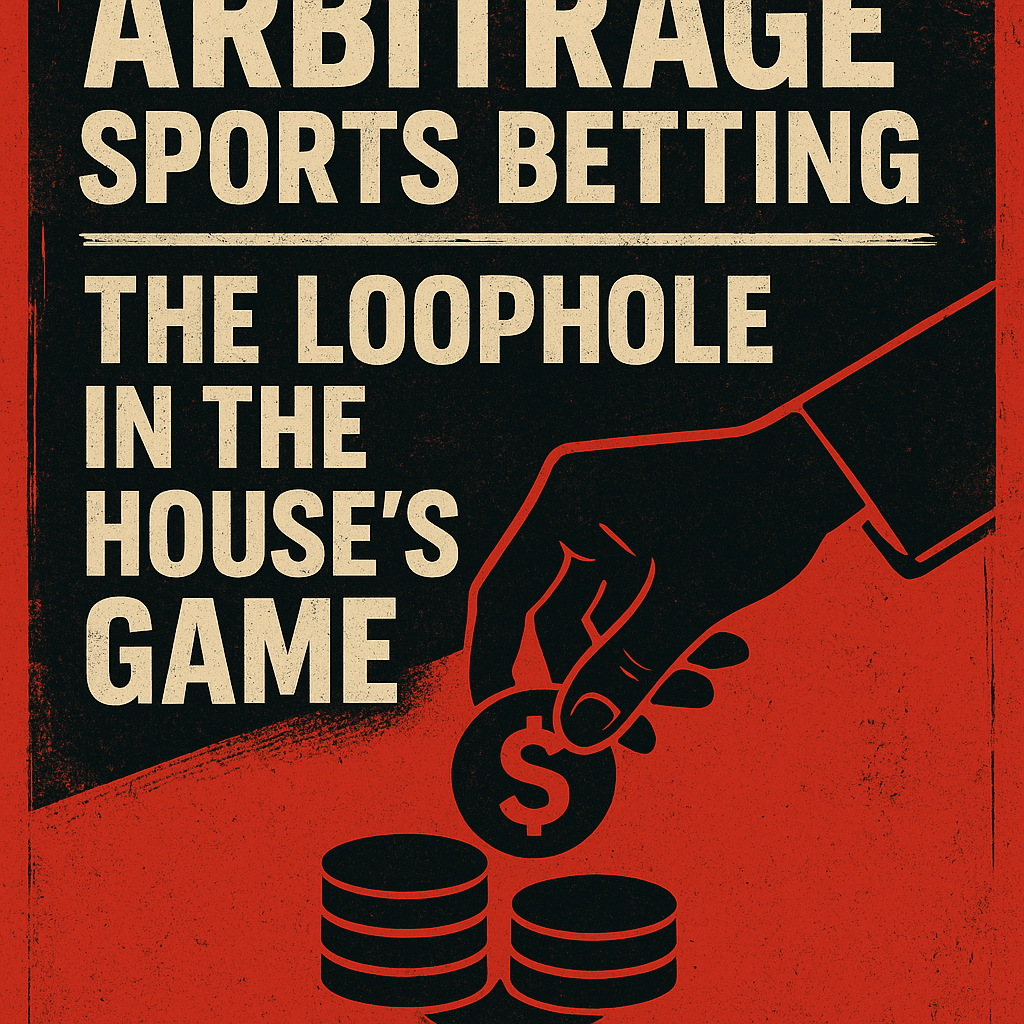
  • Arbitrage Sports Betting – The Loophole in the House’s Game
    By Ryan “Dickie” Thompson – Disruptarian Radio

    This is not financial advice. It’s not an endorsement. It’s simply a logical breakdown of a phenomenon that’s been quietly exploited by everyone from weekend gamblers to Warren Buffett himself (yes, that Warren Buffett — see The Art of Stock Arbitrage ).

    If you’ve been anywhere near sports betting circles, you’ve seen the circus — celebrity endorsements, “get-rich betting tips,” and enough hype to make your grandmother clutch her pearls. She’d probably tell you betting on sports is foolish, and she’s mostly right — the odds are built to make the house rich, not you.

    But there’s a wrinkle in the system.
    A rare and fascinating one.

    It’s called arbitrage sports betting — or “arbing” if you want to sound like you’ve been doing this since the horse-and-buggy days of bookmakers. It’s not gambling in the traditional sense, because it doesn’t rely on guessing who will win. Instead, it exploits a pricing discrepancy between different betting platforms to lock in a profit no matter the outcome.


    How It Works – Betting on Both Horses in the Race

    Imagine the Golden State Warriors are playing the Chicago Bulls.
    Bookmaker A offers 2.83 odds on the Warriors winning.
    Bookmaker B offers 1.67 odds on the Bulls winning.

    With the right calculations, you can place one bet on each outcome — in the exact proportions — so that no matter who wins, you walk away with more than you spent.

    Example:

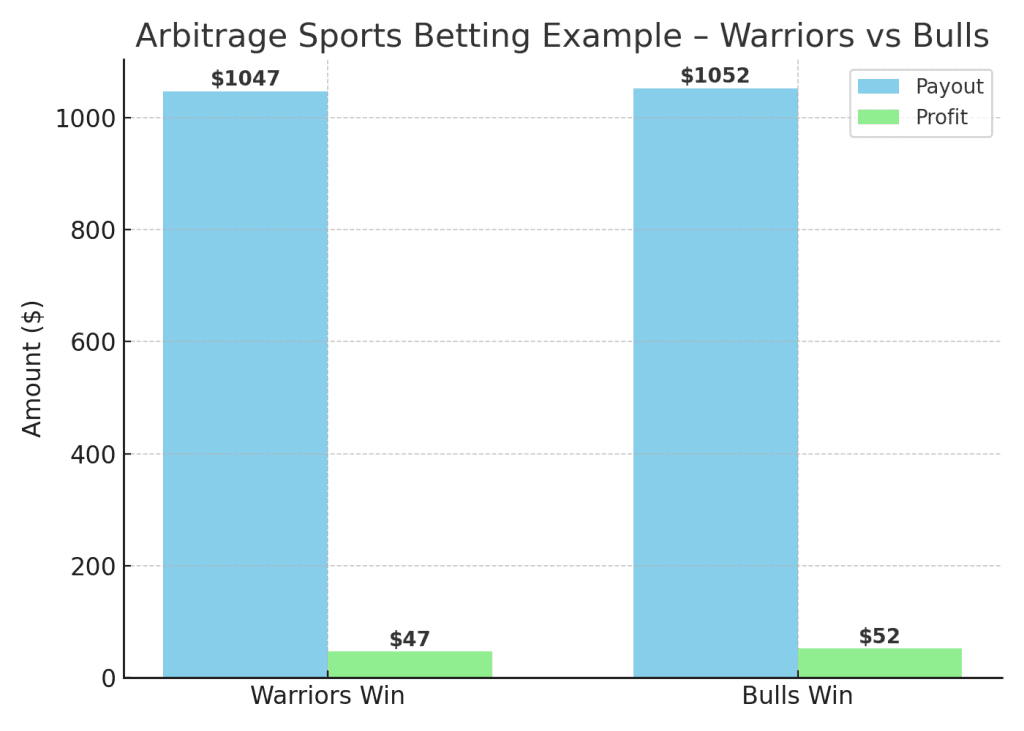
    • Total money to bet: $1,000
    • Bet $370 on the Warriors (at 2.83)
    • Bet $630 on the Bulls (at 1.67)

    If the Warriors win: you get $1,047 back.
    If the Bulls win: you get $1,052 back.

    Either way, you’ve turned $1,000 into about $1,050 — a guaranteed ~$50 profit without “risking it all on a hunch.”

    The Catch

    Before you start counting your future yacht money, understand this:

    • Such discrepancies in odds don’t happen constantly. Hunting for them manually is like sifting for gold with a spaghetti strainer — you’ll waste hours.
    • Bookmakers hate arbitrage bettors. It’s a lose-lose for them, so they share data, run algorithms, and will restrict or ban accounts they suspect are doing it.

    This means if you go too big too fast, you could get limited to $50 bets or shown the door entirely.


    The Tech Makes It Possible

    In the past, arbitrage betting was the realm of spreadsheet warriors. Now, AI-driven tools like OddsJam and ArbitrageCalc do the heavy lifting — scanning thousands of games across dozens of platforms in real time, flagging those rare mismatched odds that create risk-free opportunities.

    One documented week-long experiment (by YouTuber Baxter Persse) used such software to generate over $2,600 in profit in just seven days — starting small, scaling up, and catching one particularly juicy 17% arbitrage opportunity.


    Why Warren Buffett’s Name Comes Up

    While Buffett isn’t known for betting on basketball games, the principle behind sports arbitrage is identical to what he’s done in financial markets:

    • Identify two markets valuing the same asset differently.
    • Buy in the cheaper market, sell in the more expensive one.
    • Pocket the spread with minimal risk.

    In stocks, it’s called merger arbitrage. In sports, it’s called arbing. Different arenas, same mindset.


    Reality Check

    Arbitrage sports betting is not a lifetime career for most people:

    • Platforms evolve to detect it.
    • Opportunities can dry up during slow seasons.
    • Managing multiple accounts and bankrolls can get messy.

    But as long as new betting platforms keep popping up — and they are, constantly — these opportunities will exist in some form. For those with discipline, the right tools, and a tolerance for account restrictions, it can be a short-term profit machine.

    For everyone else? It’s an interesting look at how even the “always-win” business of sports betting can have cracks in the foundation.


    Sources & Further Reading:

    Spun Web Technology SMART SEO

    Spun Web Technology SMART SEO

  • The Flexibility of Plastic People: When Convictions Bend for Convenience

    By Ryan “Dickie” Thompson

    I was married for 18 years. Before I met my wife, she had gone from being a practicing Wiccan witch to a Born-Again Christian—a decision she made at her brother’s church.

    I had found my relationship with Christ a few years earlier, though my past—like hers—was very different from my life in Christ today:
    Read My Story

    We both claimed to believe in traditional values. She was, at that time, the only woman I knew without tattoos or piercings—not even in her ears. We seemed to be on the same page in every way.


    The Turning Point

    After my car accident, everything changed. She staged what I can only describe as a hostile takeover of everything—financially and otherwise—arguing that because I had looked at porn, I didn’t deserve respect.

    But this wasn’t a new topic. We had discussed it before marriage with no negative pushback. In fact, I brought it up with her again before the accident, explaining that I felt we were becoming less intimate and that I felt sexually neglected. I was honest that I had been turning to porn and was not satisfied in our relationship.

    Two months later, I was in a horrific crash:
    News Report


    Before the Crash

    At the time, I was working 96 hours a week, not counting travel. I had driven from Northern California to Seattle for training and work, going three days without sleep.

    The night before the crash, I recorded this video—grateful to be working hard for my family:
    Watch Here

    Thirteen days earlier, I had filmed another video about volunteering to help wounded warriors in the Tough Mudder endurance challenge:
    Watch Here

    And here’s me in the hospital after the accident:
    Watch Here


    The Fallout

    Two weeks after the crash, while I was in a wheelchair with over 40 broken bones, she unleashed a barrage of condemnation over the porn issue—this time in front of her mother, stepdad, and my children. This was something I had always discussed privately with her in the past.

    Before we were married, she had a scholarship to attend Westminster in Salt Lake City. I volunteered to pay for our housing, food, and expenses while she was in school. To do that, I quit my comfortable job at MSN/Microsoft—where I had made significant strides in technical support—and took a higher-paying but grueling steel construction job at Action Target.

    While I was away working, she quit school and moved back to her parents’ house without telling me.

    The first time we discussed porn was before marriage, when a hotel bill for movies (porn) came up. The second time was in May 2013, shortly before my accident. Both times, I brought it up. I never hid it.


    Divorce and More Betrayals

    Over the next seven years, this issue kept coming up. I filed for divorce three times—canceling twice before finally following through in 2020.

    In September 2020, we agreed to end the marriage. I went to Ireland to be with a mutual friend, but she stirred up drama there as well. For years, she had been backstabbing me in our friend groups while traveling, lying to me, and betraying me—something I documented here:
    Watch Here

    Three months later, we were done for good.


    The Shift

    She soon found a new partner—a transgender man who dressed as a woman—and abandoned everything Christian or traditional. She began openly hating Trump and supporting every part of the LGBT political agenda.

    She calls it “growth.”
    I call it being plastic—bending to fit whatever is popular at the moment.

    From Wiccan → Christian → LGBT activist… that’s not growth, that’s drift.

    Meanwhile, I remain a disciple of Christ. My understanding has deepened, but my convictions are the same.


    A Warning to Others

    If your partner or friends can change their values with the cultural winds, you will probably be betrayed at some point. Stick with those who are rock solid, not those who have no constitution.

    Sadly, my ex-wife has influenced our kids into identifying with various forms of LGBT ideology. They now swear constantly and have grown hateful—something I never would have imagined years ago.

    Here are my kids in 2015, before she threatened to turn them against me. She even made this Father’s Day video:
    Watch Here

    Looking back, I realize I never truly knew her in those last seven years of our marriage.

    Sincerely,
    Ryan “Dickie” Thompson


    Sources:

    Spun Web Technology SMART SEO

    Spun Web Technology SMART SEO

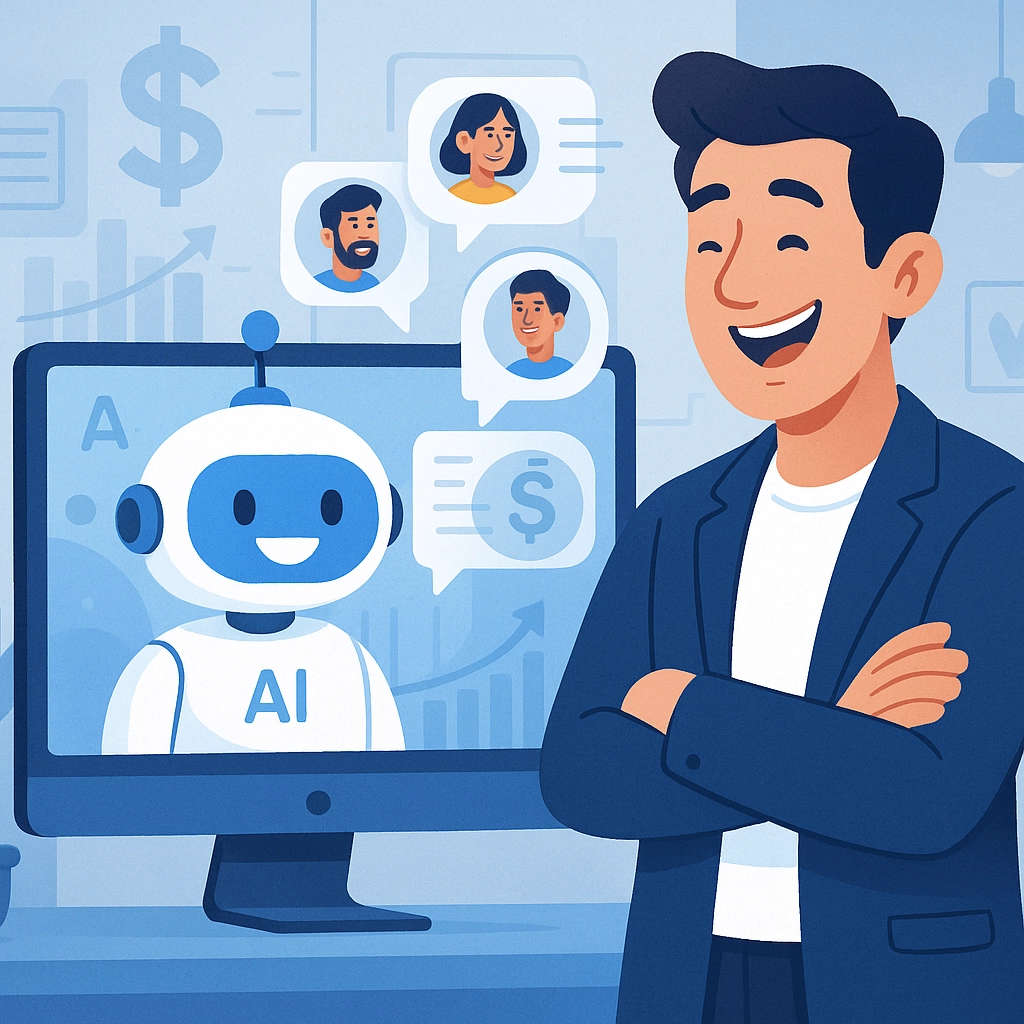
  • Disruptarian Radio Launches AI-Powered Phone System: Direct Access To Your Favorite Hosts

    heroImage

    Excerpt:
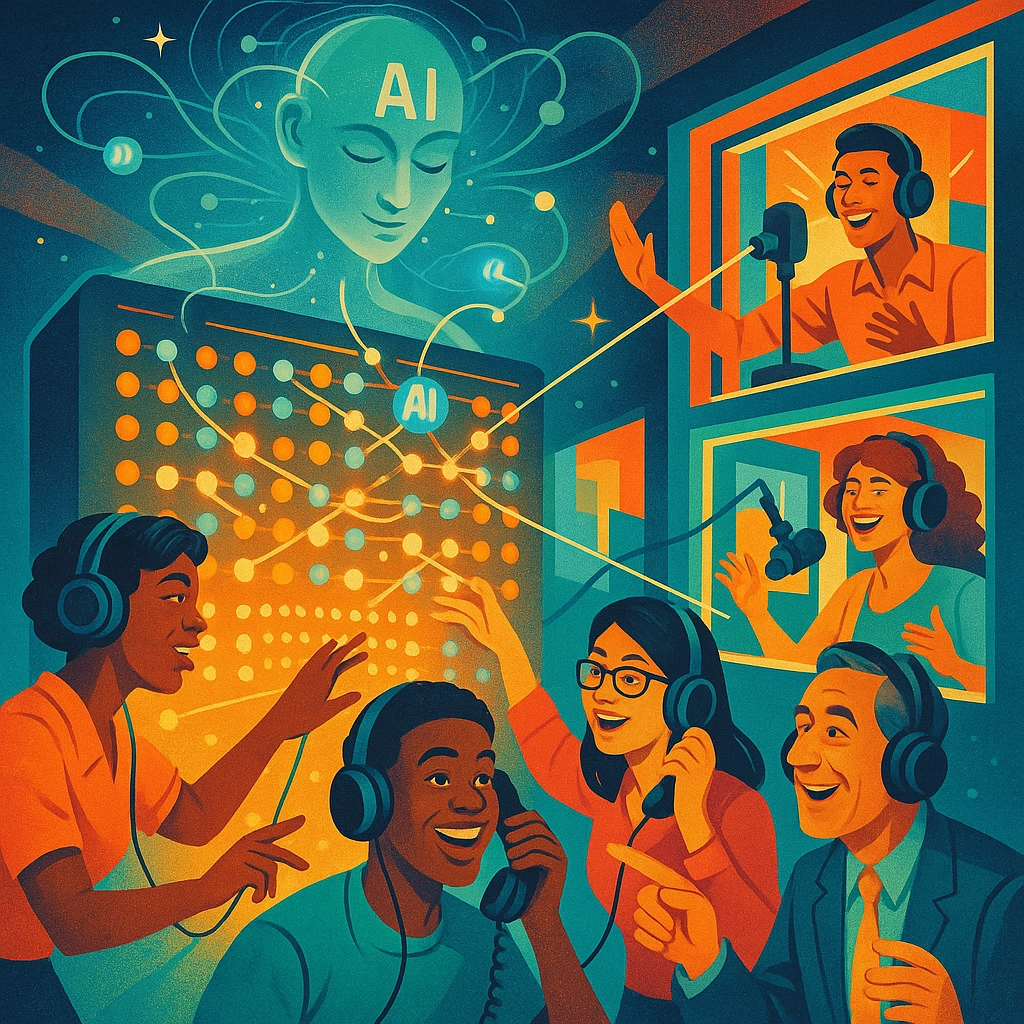
    Disruptarian Radio is cranking up the connection with an all-new, AI-powered phone system—built for fast, direct access to your favorite hosts, real-time song requests, on-air participation, and more. Here’s how it’s shaking up radio and redefining audience engagement.

    Tags:
    ai-phone-system, blockchain-radio, disruptive-tech, audience-engagement, music-innovation, liberty-media, spun-web-tech, open-lines, artist-access, decentralized-media


    The Next Level of Listener Connection

    At Disruptarian Radio, disruption isn’t just a buzzword—it’s the business model. If you’ve tuned in before, you know we’re about pushing boundaries, skipping gatekeepers, and giving the power back to the people (and the artists). We’ve always championed decentralization and true liberty in media—and now, we’re driving that mission forward with a new tech upgrade that’s all about making radio more interactive and immediate: an AI-powered phone system.

    So, what does this mean for you as a listener, an artist, or a liberty-curious caller? Let’s break it down.

    Why AI for Listener Calls?

    Let’s face it: traditional radio phone management is outdated. Endless menu trees (“Press 1 to leave a comment, press 2 to talk to a brick wall…”), ignored messages, and buried requests belong in the past.

    Disruptarian just flipped the script. Our AI-powered phone management—rolled out across over 50+ of our web assets and pioneered by Spun Web Technology—isn’t just a new patch. It’s a total system overhaul.

    What makes it disruptive?

    • Speed: The AI recognizes your intent in real-time. No more waiting for a producer in a back room.
    • Personalization: Each call is tailored for your need—whether that’s getting on-air, asking about ad slots, or just spinning a new track.
    • Scalability: Handles hundreds (or thousands) of incoming calls seamlessly, meaning we don’t miss out on the community’s voice.
    image_1

    Your New Direct Lines

    Forget the generic toll-free. Here’s how you can reach us—whether you’re calling to stir the pot or join the party:

    Both lines are fully AI-powered and ready. Whether you’re dialing from your hammock in Hawaii or your hustle spot in Philly, the system routes you straight to the right host, show, or resource—no hold music, no headaches.

    What Happens When You Call?

    Here’s where the new system really flexes:

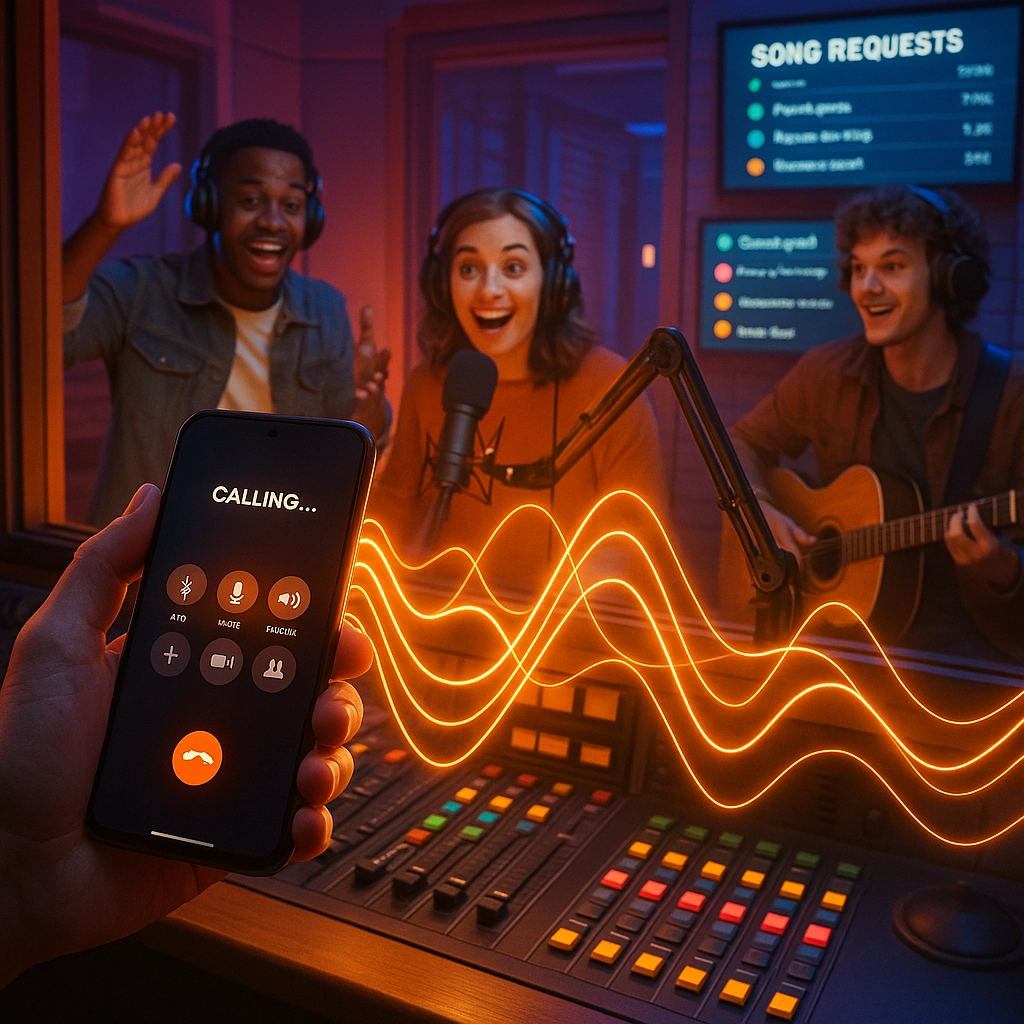
    🎵 Request Your Favorite Songs
    Tired of the same playlist? Our AI notes your request and, thanks to backend integration with our music library, kicks it to the top for live consideration.

    🎙️ Want to Be a Guest?
    Got a hidden talent, grassroots movement, or wild story? Let our AI know—and it’ll get your info to our production team instantly. You might be live with us quicker than you think.

    💬 Leave Feedback or Comments
    Every shoutout, critique, or hot take is processed, sorted, and sent right to our hosts’ dashboards. If it’s on point (or just plain weird), it might make the show.

    📢 Learn About Advertising
    Looking for an alternative to big ad buys on stale platforms? Pitch your brand straight to our audience. The AI directs you to the sponsorships team, not some lost voicemail abyss.

    image_2

    Privacy First, Always Unfiltered

    Disruptarian’s core value is unfiltered liberty—so our AI system is built with privacy in mind. No creepy eavesdropping, no hidden data harvesting—just conversations routed where you want them, when you want them.

    Side note for the privacy nerds:
    Calls are managed via end-to-end encrypted lines. Our AI doesn’t store your data for ad targeting or third-party sales. Everything is pointed at a single mission: making sure your voice reaches the right ears, whether you’re a first-time caller or a show regular.

    How Does the AI Actually Work?

    Without getting too deep in the weeds, the tech pipeline looks like this:

    1. Call Reception: The AI greets the caller and identifies their intent using natural language processing.
    2. Real-Time Routing: Based on your needs, the call is routed to a live host, an on-air queue, or a relevant voicemail inbox for future shows.
    3. Adaptive Interaction: The AI can learn from previous interactions, so if you’re a regular requesting punk reggae at 2am, it’ll have you covered.
    4. Host Tools: Live dashboards give hosts real-time feedback, song requests, and comments, powered by AI-sorted insights.

    Developed by the automation wizards at Spun Web Technology, this tech is already supporting other liberty-minded media ventures and artists—so it’s built for scale, and built to last.

    The Bigger Picture—Disrupting Gatekeeping

    Mainstream media is all about controlling access: who can speak, who can call in, who gets heard. Disruptarian flips that script with radical openness. This AI system means:

    • No Corporate Filters: No producers screening out spicy takes or “off-brand” opinions
    • Direct Fan-to-Artist Connection: Artists and listeners can interact in real-time, not through intermediaries
    • Decentralized Participation: Open the lines to anyone with something to say, whether it’s music, liberty, or tech innovation

    This is about more than just faster phones. It’s about creating an environment where gatekeeping is over—and engagement is real.

    image_3

    What’s Next? More Liberty, More Innovation

    The launch of this phone system is just a start. With ongoing upgrades, we’re eyeing new integrations (think: blockchain-powered loyalty rewards, AI-driven live polls, even tokenized access for superfans). Check out our disruptive media hub for details.

    Keep an eye out for future upgrades—because if there’s a new tool that gives more power to the people, you can bet Disruptarian Radio will test it first.

    Ready to Get On Air? Here’s How:

    Pick up your phone and call:
    +1 (808) 289-4982 or +1 (856) 512-1793

    Whether you want to keep the airwaves liberty-first, connect with your favorite host, or simply disrupt the status quo, this is your moment.

    Spun Web Technology SMART SEO
    Spun Web Technology SMART SEO
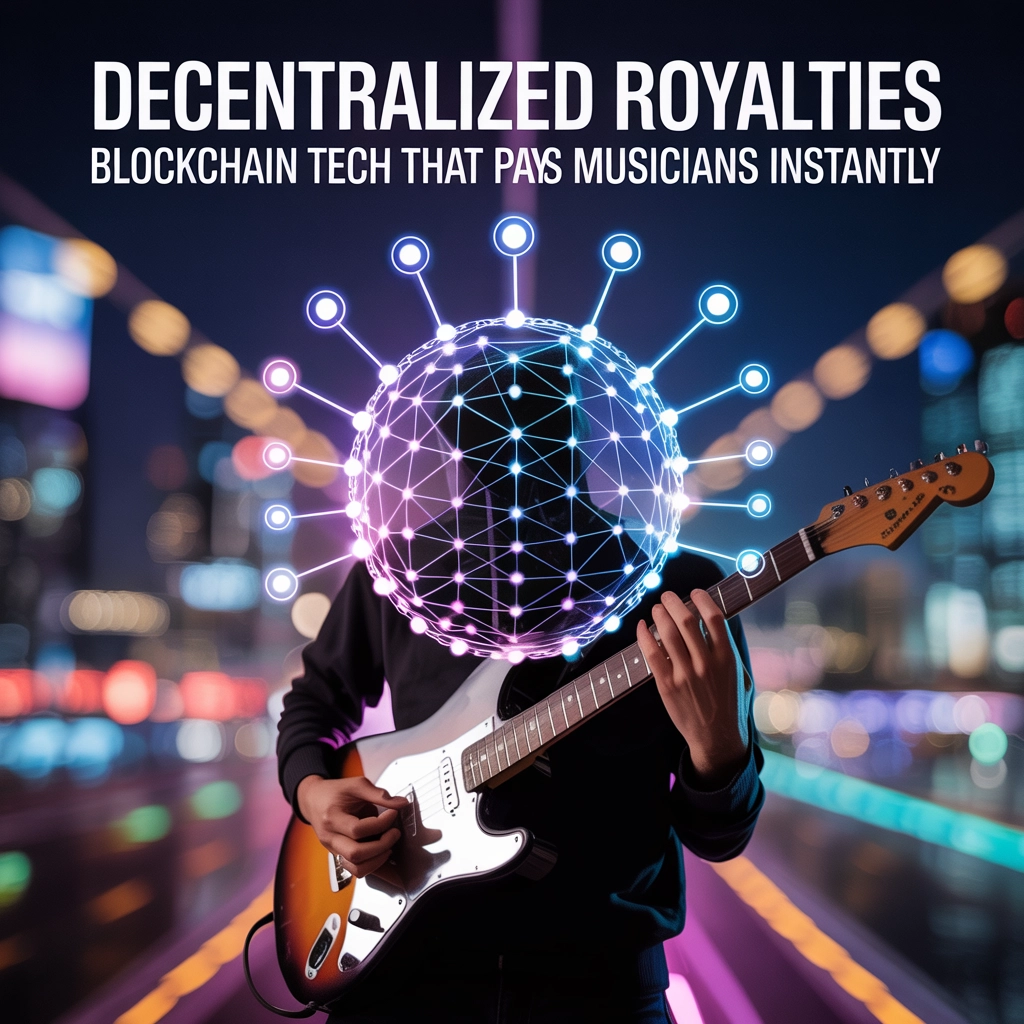
  • Decentralized Royalties: Blockchain Tech That Pays Musicians Instantly

    The rise of blockchain is shaking up almost every industry—music included. One of the most promising breakthroughs? Decentralized royalties, using blockchain tech to pay musicians instantly and fairly. No more waiting months for a check or slicing off a chunk for big intermediaries. Let’s get into how this technology is creating a fairer, faster payments system for artists, songwriters, and even fans.

    What Are Decentralized Royalties?

    Decentralized royalties mean using blockchain ledgers and smart contracts to automatically track music usage and send royalty payments straight to the right people in real time. Unlike legacy royalty systems, where money trickles through collecting societies, record labels, payment processors, and a maze of paperwork, blockchain tech makes all that instant, automated, and transparent.image_1

    The result: more money stays in artists’ pockets, and everyone involved can see what’s being paid—right when it happens.


    Smart Contracts: The Tech Behind Instant Payments

    Smart contracts are basically mini-programs running on the blockchain. When a song is streamed, downloaded, or sold, a smart contract automatically calculates which contributors get paid and how much. Then, it pushes those payments instantly (often in cryptocurrency) to each person’s digital wallet—no humans, no waiting, no mistakes.

    How it works:

    • You upload a track to a blockchain-powered platform.
    • In the metadata, you define each contributor’s share (producers, lyricists, performers, etc.).
    • Every time the song is played, the smart contract logs the event, splits the revenue, and pays everyone instantly.

    No collecting societies, no confusing statements, and no months-long delays. Payments can land in your crypto wallet seconds after a fan hits “play.”image_2


    Bypassing Intermediaries: More Money For Artists

    The current music royalty system involves a crowd of middlemen—labels, publishers, payment processors, performance rights orgs, and digital platforms—all taking a cut or charging fees. Blockchain collapses these layers, creates peer-to-peer connections, and routes cash straight from fans (or platforms) to the creators.

    Why it matters:

    • Artists keep more of every dollar earned.
    • Less admin work and paperwork hassles.
    • Better for indie musicians and smaller rights holders.

    Imagine a world where a musician uploads a track, shares it directly, and gets paid every time someone, anywhere in the world, streams or downloads it. With no central entity, no gatekeepers, and no unclear payout formulas, blockchain makes this possible—and it’s already happening on some platforms.


    Transparency and Security You Can Verify

    Every transaction on the blockchain is timestamped, public (but private in the sense that only wallet addresses are visible), and immutable. That means once a payment or royalty share is recorded, nobody can change it—not even the platform itself.

    Transparency wins:

    • Anyone involved can verify the full history of every payout.
    • Artists have complete visibility into how much they’ve earned, and from where.
    • No more confusing royalty statements or disputes about “missing money.”

    And because blockchain transactions are encrypted and verified by a whole network—not just one company—they’re extremely secure and resistant to fraud or tampering. image_3


    Real-World Platforms Bringing Decentralized Royalties to Life

    It’s not just theory—there are live platforms using blockchain for royalties right now:

    • Audius: A decentralized streaming platform letting artists upload music and receive instant crypto payments via smart contracts.
    • Ujo Music: Focused on composer rights, Ujo lets musicians tokenize their music, sell it directly to fans, and split royalties instantly.
    • Stem Disintermedia: Uses blockchain for automated royalty splits and financial transparency for independent artists and labels.

    Some platforms are also integrating NFTs (Non-Fungible Tokens)—unique digital assets that can represent ownership of a song or a share of future royalties. Artists can sell part of a song’s future income to fans, who then earn a cut every time it’s played. This builds entirely new business models and lets superfans support their favorite musicians in ways that were never possible before.


    The Fan Connection: Music Investment Goes Mainstream

    Decentralized royalties aren’t just about faster musician payouts—they let fans get in on the action too. Using tokenization, artists can issue “shares” of their songs or albums as digital tokens.

    • Fans can buy tokens, effectively investing in an artist’s future earnings.
    • When a song earns royalties, token holders receive a portion instantly.
    • Fans are more loyal, feel invested, and artists get upfront funding.

    It’s crowdfunding, streaming, and royalty payments all rolled into a secure, direct, blockchain-powered package. Over time, fans could even buy, sell, or trade these royalty tokens like digital collectibles.


    Unlocking New Revenue Streams and Freedom for Creators

    Blockchain’s decentralized royalty system is much more than a tech upgrade. It’s a shift toward artist empowerment and creative freedom:

    • Direct control: Artists set their own terms, prices, and revenue splits.
    • New business models: Limited-edition tracks, access tokens, fractional ownership, community-powered releases.
    • Global reach: Payments flow to anyone with a crypto wallet, instantly, in any country.

    This also means musicians can experiment with pay-per-listen, bundle music with exclusive experiences, or even reward fans for promoting their work. The possibilities are just starting.


    Challenges and the Road Ahead

    Of course, blockchain royalties aren’t without hurdles:

    • Not every fan or artist is ready for crypto wallets and tokens.
    • Legal infrastructure and copyright laws are still catching up.
    • Not all platforms are truly decentralized—watch out for “blockchain washing.”

    But the momentum is building fast. As tech gets easier to use and more mainstream, expect more artists, platforms, and listeners to ditch the old royalty system for faster, fairer, decentralized alternatives.


    Where This Tech is Taking Us

    For the first time in modern music history, artists, songwriters, producers, and fans can all participate directly in the value created by music—instantly, transparently, and securely. Blockchain-powered decentralized royalties mark a major upgrade for an industry long overdue for disruption.

    Want to dive deeper or see what’s live right now? Explore real-world projects and news about blockchain + music innovation at Disruptarian Radio.


    If you’re ready to skip the middlemen and get paid instantly every time your music is played, the future is already here—and it’s decentralized.

    Spun Web Technology SMART SEO

    Spun Web Technology SMART SEO

  • The ROI of Streamlining Customer Support with AI Chatbots

    Why AI Chatbots Are More than Just a Trend

    Ask any growing business owner what keeps them up at night, and you’ll probably hear “customer service” somewhere in the top three. The reality? Today’s customers expect instant, consistent, and friendly answers—day or night. But hiring a bigger support team for round-the-clock help just isn’t practical, especially for small- and medium-sized businesses.

    Enter AI chatbots—a game-changing tool that handles customer queries at scale, lowers costs, and even helps boost your revenue. At Thompson Professional Networks LLC, we’re obsessed with helping local businesses work smarter, not harder, and our subscription-based automation services put chatbot technology within reach for everyone.

    Let’s dive into the real business impact—also known as return on investment (ROI)—of automating your support with AI chatbots.

    image_1

    Cost Savings: The Straightforward Win

    Lowering Your Support Expenses

    First off, let’s talk dollars and cents. AI chatbots can handle about 80% of the repetitive, everyday questions customers ask—think tracking orders, store hours, or the “Did my payment go through?” routine. Supporting these questions via AI has been shown to cost about $0.50 per interaction (or even less!), compared to approximately $5 for every human-handled chat or call. That means for every 1,000 simple customer requests, you’re potentially saving $4,500. It adds up fast.

    Fewer Hires, Less Training

    There’s more: the fewer repetitive tickets your live agents deal with, the smaller (and more specialized) your team can be. AI chatbots can reduce customer service staffing costs by 20-30%. Plus, with less turnover and fewer basic tickets to train for, businesses save thousands on recruiting, hiring, and onboarding new team members every year.

    Scale Without the Overhead

    Imagine it’s holiday season and your inbox triples overnight—AI chatbots step up without needing overtime or temp hires. You can handle surges in customer requests without additional costs or headaches, all while keeping service levels consistent.

    Revenue Impact: More Than Just Savings

    Lead Generation and Upselling

    Think chatbots are just for answering questions? Think again. Advanced models (like ours at TPN) can capture leads, qualify prospects, and even walk new customers through your service offerings. If someone’s on the fence about signing up, a chatbot can nudge them with relevant info, promos, or schedule an expert call—all automatically.

    Improving Customer Retention

    The secret sauce to increased revenue? Repeat business from happy customers! Studies show instant support makes people more likely to stay loyal—and spend more. Businesses report 10-15% drops in customer churn after launching AI chatbots for support. The ROI goes well beyond first impressions and leads to better long-term customer value.

    image_2

    Happy Customers: 24/7, Instant, Consistent Help

    Always Available

    AI chatbots never sleep. Your night owl customers get answers at midnight, and early birds don’t have to wait for “business hours.” For small businesses, this alone is a huge competitive advantage.

    No More Repeating Themselves

    Let’s face it—nobody likes explaining their problem multiple times to different agents. AI-powered chatbots, especially when integrated into your CRM or helpdesk, offer seamless handoffs and remember past interactions. That equals higher satisfaction and fewer frustrated follow-up calls.

    Serve More People, In More Languages

    Modern AI chatbots speak dozens of languages fluently, so you can provide awesome service for every audience. That opens new markets and ensures all your customers feel valued, no matter where they’re calling from.

    Scalability: Grow Without Growing Pains

    When business spikes, chatbots can instantly handle hundreds (or thousands) of chats without breaking a sweat or demanding extra payroll. This scalability is perfect for seasonal businesses, special promotions, or rapid expansion—grow your capacity without breaking your budget or burning out your team.

    Data and Insights: Know Your Customers

    Every chatbot interaction generates valuable data—what people ask, what frustrates them, what keeps coming up. That goldmine of information helps you spot trends, improve your FAQ, optimize your website, or launch new products to meet emerging needs. The more you know, the more you can serve (and sell).

    Our Subscription Automation Services: Why Go Pro?

    Here’s the kicker: building and maintaining a truly effective AI chatbot isn’t just plug-and-play. It requires the right setup, integration with your other apps and website, updates, and security. That’s why businesses use scalable automation services like ours—so you get all the benefits (and zero technical headaches) for a low monthly fee.

    With a TPN subscription, you get:

    • Industry-leading chatbots tailored to your business and FAQs
    • Integration with your existing systems (CRMs, email, SMS)
    • Regular updates to improve capabilities as AI advances
    • Data summaries and actionable reporting delivered to your inbox
    • Full support from real human experts if you ever need us

    Want to see how this all ties into your daily operations? Check out how our AI voice assistants save hours for smart businesses .

    image_3

    Key ROI Metrics to Track

    If you want to measure return-on-investment for your AI chatbot, here are the key stats to watch:

    • Support cost per ticket (before and after)
    • Average first-response and resolution times
    • Number of leads generated or tickets handled by AI vs. staff
    • Customer satisfaction scores (CSAT/NPS)
    • Employee productivity and hours saved

    Our team helps set these metrics up, so you always see exactly how your customer support investment is paying off.

    Implementation: Setting Yourself Up For Success

    Ready to get started? Here’s a quick roadmap:

    1. Audit your FAQs/tickets – Find repetitive tasks ripe for automation.
    2. Pick a platform that integrates with your workflows – We’ll guide you on this.
    3. Start small, measure, iterate – Begin with one channel (like live chat), track results, then expand.

    If you want to go deeper, we broke down the process in this guide: Save Hours Every Week: How Project Management Automation Handles Email, Contracts & Invoicing for You

    Final Thoughts—and Your Next Step

    AI chatbots have reached the point where it’s not “if” businesses should use them, but “how soon?” They slash your costs, keep customers happier, and free your team to focus on scaling what matters. And with hassle-free subscriptions through TPN, you don’t need a tech background to take advantage.

    Ready to cut costs, boost satisfaction, and grow your business—while working less? Book a demo or chat with us here—and let’s build your future support team, today!

    Looking for more on AI, automation, and business productivity? Explore our latest tech insights on our blog.

    Spun Web Technology SMART SEO

    Spun Web Technology SMART SEO
  • How Fans Can Actually Invest in Artists Using Blockchain


    Not so long ago, the only ways to support your favorite artist were by buying their music, catching a show, or maybe grabbing a t-shirt at the merch table. But thanks to blockchain tech, fans now have the opportunity to truly invest in artists—sharing not just in the experience but in the success. Here’s how the landscape is shifting, what it means for musicians and listeners, and how you can get involved.

    Fractional Music Ownership: Become a Stakeholder in the Songs You Love

    One of the most exciting things blockchain has brought to the music world is fractional ownership. Traditionally, music rights and royalties were the domain of record labels, publishers, and a few lucky insiders. But now, with blockchain’s transparent and tamper-proof ledgers, anyone can become a part-owner of a song or album.

    Here’s how it works:

    • An artist “tokenizes” a song or entire catalog, splitting rights into small, tradable shares (tokens).
    • Fans can purchase as many tokens as they want. Each token represents a slice of the royalties earned whenever a song is streamed, licensed, or used in media.
    • Whenever the artist earns money, token holders receive their share—automatically, via smart contracts.

    Imagine discovering a new indie band, buying a piece of their next single, and then watching your earnings grow as they blow up. It’s like crowd-funding meets investing—but with real, ongoing financial upside for supporters.

    image_1

    Why is this a game changer?

    • Artists can raise funds without relying on record label advances that often come with tough contracts.
    • Fans get a stake in the artist’s future, aligning incentives and loyalty like never before.
    • Everything’s visible and fair—the blockchain lets anyone verify payments and ownership.

    Musical NFTs: Collect, Trade, and Earn

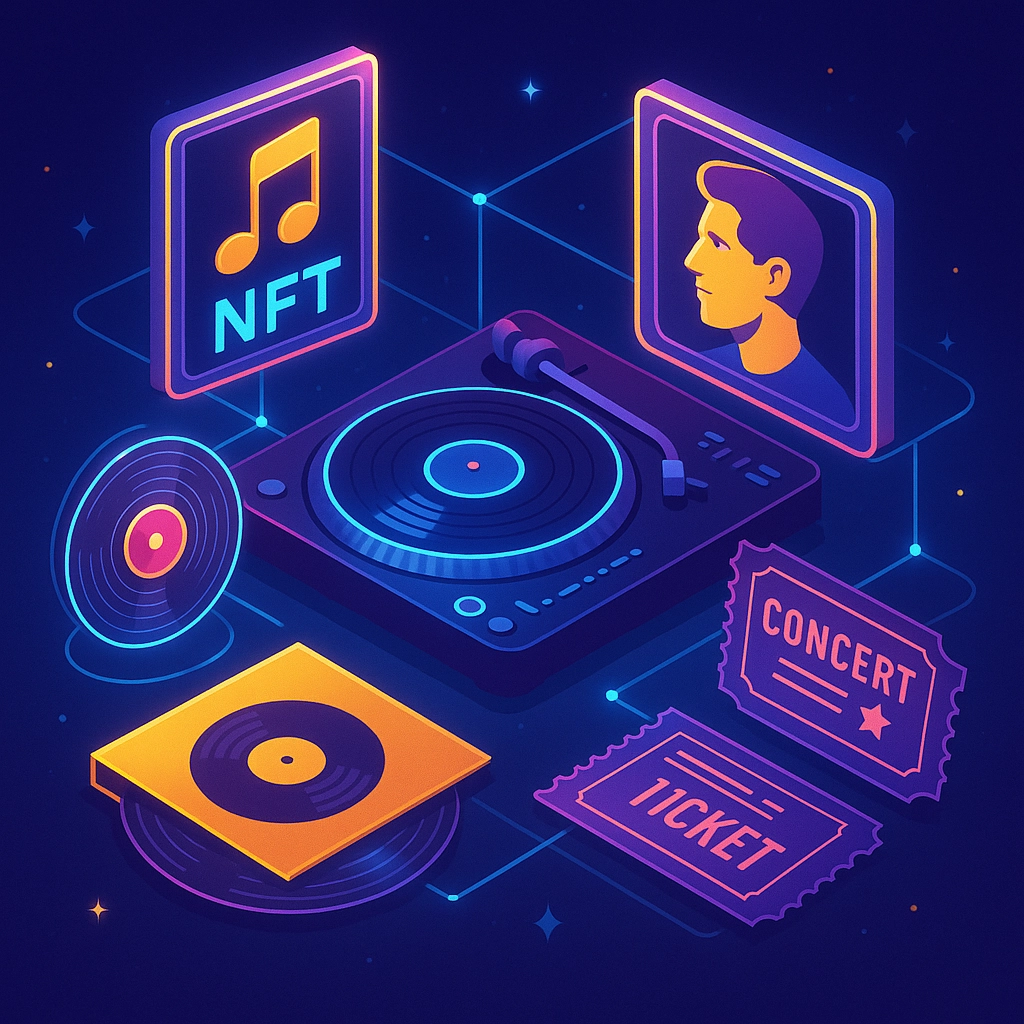
    NFTs (Non-Fungible Tokens) have already made a splash in the art world, but they’re a big deal in music too. A musical NFT is a unique, blockchain-based digital asset: it could represent a special version of a song, backstage passes, rare artwork, or even a chunk of streaming royalties.

    Investing By Buying Music NFTs

    Some music NFTs grant holders exclusive perks—a limited-edition single, or even a say in the next tour’s setlist. But many take it a step further: some NFTs entitle holders to a portion of the royalties the music earns, meaning as the artist gets more popular, the NFT could become more valuable, both as a collectible and as an investment.

    How this works:

    • Artists mint special NFTs tied to songs, albums, or experiences.
    • Fans purchase them—sometimes via auction, sometimes at a fixed price.
    • Some NFTs can be resold, sometimes at a huge markup if the artist gets big.

    NFTs don’t always guarantee passive income, but some are structured to pay out streaming revenues or other royalties directly to the holder. Platforms like Opulous and Royal are leading the way here, making it simple for artists and fans to connect in this new economy.

    image_2

    Fan Tokens and Community Coins: Invest in the Ecosystem

    Fan tokens are unique cryptocurrencies created by artists or teams to foster a community or “fan club” on steroids. Owning these tokens can unlock exclusive experiences, give token holders a say in creative decisions, or even pay out dividends as the artist succeeds.

    What Fan Tokens Offer

    • Early access to tickets or merch drops
    • Input on band decisions (setlists, artwork, etc.)
    • Special meet-and-greet opportunities
    • Voting rights on various artistic projects
    • Sometimes, direct financial rewards tied to sales or performance

    Fan tokens often create deeper connections—it’s more than money; it’s involvement in the journey. And since the tokens themselves can sometimes be traded, the value can rise as the community grows and the artist’s fame increases.

    Many blockchain developers are working on tools that let musicians customize what these coins can do. That might mean revenue-sharing, but it could also mean rewarding superfans in ways that have nothing to do with money.

    Cutting Out the Middlemen: Direct-to-Artist Investment Platforms

    Blockchain is perfect for eliminating “middlemen”—the platforms that used to take a huge slice any time a song was streamed, downloaded, or licensed. With blockchain-powered platforms like Audius, Royal, and Opulous, fans can support artists directly, and artists can set their own terms.

    Here’s what’s happening:

    • Artists upload tracks or albums, tokenizing them for investment.
    • Fans purchase tokens, which may include royalty rights or other perks.
    • Payments are handled instantly and transparently. No publisher, no record label gatekeeping. Just fast, fair transactions.

    Some platforms even facilitate fan-driven funding for specific projects—like raising money for a new album or tour. Those who pitch in can receive special rewards or a piece of the project’s future revenue.

    [Want to see how Disruptarian Radio spotlights these types of innovative releases? Check out our Music Portfolio.]

    Security, Transparency, and What to Watch Out For

    Blockchain brings transparency—it’s impossible to fudge streaming counts or “lose” a payment. Every sale, royalty split, and dividend is recorded on the blockchain for anyone to audit. That means fairer deals for all and less room for the shady side of the old-school music business.

    Some important caveats:

    • As with any investment, value is not guaranteed. The artist might not take off, or the market for tokens might dry up.
    • There are many platforms out there, and not all are created equal. It pays to do some research on where and how you invest.
    • Since crypto assets can be volatile, never invest more than you can afford to lose.

    But the potential is huge—fans supporting artists directly, and artists building real careers outside the limits of traditional industry contracts.

    The Future: More Than Just Money

    At its core, blockchain-based fan investment is about deepening the relationship between creators and supporters. As tools continue to evolve, we’ll likely see:

    • Fans voting on what songs get recorded
    • Community-driven branding or video projects
    • Royalties split among thousands of micro-investors, all aligned with the artist’s success
    • New jobs and economies built on decentralized music communities

    Already, platforms are experimenting with metaverse concerts, token-gated listening parties, and even digital “ownership” of moments from live shows—turning musical memories and participation into valuable digital collectibles.

    image_3

    Ready to Dive In?

    So, how can you get started?

    1. Choose your platform: Look for artist-friendly services like Audius, Royal, or Opulous—or dig into Disruptarian Radio’s music portfolio for artists pioneering this space.
    2. Research the artist: Supporting someone’s vision is way more rewarding when you believe in their art and their story.
    3. Set up a crypto wallet: Most of these platforms require Ethereum or a similar blockchain wallet to make transactions.
    4. Invest smart: Start small, learn the ropes, and remember—every token represents not just an investment, but a real connection.

    Artists finally have the tools to build communities who aren’t just passive listeners, but real partners in creativity and success.

    If you want to learn more about how blockchain transforms music, or you’re just looking for the next big thing to add to your playlist (or your portfolio), Disruptarian Radio’s got you covered. Explore our music and disruptive vision here.


    Fans and musicians, the future of music belongs to all of us—one token at a time.

    Spun Web Technology SMART SEO

    Spun Web Technology SMART SEO

  • Trump’s Role and Position Throughout Asia

    By Ryan “Dickie” Thompson – The Punk Rock Libertarian

    I’ve spent a fair share of time wandering the world over the last few years. Since April of 2019, I’ve lived and traveled across Japan, Thailand, and eight months in the Philippines. Before that, I was in England during Brexit (in London during the Brexit vote ) and even a stretch in Ireland. What you learn as a traveler is that politics doesn’t stop at national borders. Leaders have a ripple effect. And love him or hate him, Donald Trump has left footprints across Asia (and Europe) that are impossible to ignore.

    Trump in Japan – Towers and Respect

    In Japan, I couldn’t miss Trump’s mark. In Sapporo, there was a Trump building standing tall, and later in Tokyo, another one with “TRUMP” plastered boldly across the skyline. The Japanese don’t throw their support around lightly, and while there was a language barrier, the mood was clear: respect.

    Most Japanese I interacted with, including my Chinese friend Ping who helped translate some of the political conversations, regarded Trump as a strong leader and ally. I didn’t hear negativity toward him, not once. That in itself says something. Japan is a nation that values strength and loyalty—two traits Trump has in spades.

    Travels in Japan (additional more comprehensive video)

    The Philippines – 100% Approval on the Street

    My time in the Philippines was even more telling. For eight months, I walked the streets, talked to people, and even interviewed strangers about Trump. I can say without hesitation: the Filipino people I spoke to love Trump. I didn’t hear a single bad word. To them, he’s a straight shooter, a man of action, and someone they feel would stand with them if trouble came knocking.

    It’s easy for Western media to paint Trump as universally hated overseas, but that doesn’t square with the lived experience on the ground. In the Philippines, the approval was unanimous.

    Thailand and Cambodia – Trump the Dealmaker

    Now, I’m in Thailand, and just last week we saw another example of Trump’s influence abroad. A border conflict flared between Thailand and Cambodia. In years past, this could’ve escalated into bloodshed. But Trump intervened, not with bombs, not with endless war, but with leverage—trade deals.

    According to Reuters, Trump’s direct call helped break the deadlock between the two nations, de-escalating the crisis before it spiraled out of control (Reuters Report). That’s real diplomacy. Not endless negotiations, not U.N. resolutions collecting dust—just decisive action that reminded both sides what they had to lose.

    Europe and Brexit – Trump’s Shadow in the West

    It wasn’t just Asia where I saw Trump’s fingerprints. Back in 2017, I was in England during the Brexit upheaval. Immigration policy and sovereignty were the hot issues, and Trump’s politics—whether the media admits it or not—played a role in emboldening Brexit supporters.

    In London, at an Airbnb, I even spotted a TRUMP magnet on the fridge. That may not sound like much, but in a city that supposedly “hates” him, symbols like that tell another story. In Ireland, too, I heard more favorable views than negative ones.

    Media vs. Reality

    Here’s the truth: the narrative being pumped out by Trump’s enemies—the Soroses, the Murdochs, the establishment media barons—is a distortion. They need Trump to be a villain because he threatens their grip on power. They spin every move, every deal, every win into a caricature.

    But the reality I’ve seen, from Asia to Europe, is much different. By and large, people respect Trump. They see him as a leader who acts instead of dithers, who cuts through red tape, and who doesn’t apologize for defending his people’s interests. And slowly, the global media landscape is shifting. Outlets like Sky News Australia have begun reflecting that shift—listening more to real people and less to radical globalists.

    Final Thoughts

    Traveling teaches you that perspective matters. What we hear inside the American media bubble doesn’t always match what people abroad are actually saying. From the streets of Manila to the towers of Tokyo, from Brexit debates in London to border disputes in Thailand—Trump isn’t seen as a cartoon villain. He’s seen as a strongman, a dealmaker, and for many, a friend.

    The empire of spin is crumbling, and reality is starting to break through. As someone who’s been on the ground, I can tell you: the world sees Trump far differently than his enemies want you to believe.

    Stay loud. Stay skeptical. Stay free.

    — Ryan “Dickie” Thompson
    The Punk Rock Libertarian
    Disruptarian Radio

    Travel references:

    Spun Web Technology SMART SEO

    Spun Web Technology SMART SEO

  • WOKE-IES LOSING IT: Punk Dystopia Edition

    WOKE-IES LOSING IT: Punk Dystopia Edition

    Disruptarian featured image for WOKE-IES LOSING IT: Punk Dystopia Edition

    Verified at: 2026-06-21T11:39:58

    WOKE-IES LOSING IT: Punk Dystopia Edition is the kind of subject that fits the Disruptarian lane because it sits where independent media, culture, music, and political commentary collide.

    The source description frames it this way: A Rumble-focused Disruptarian version of WOKE-IES LOSING IT: Punk Dystopia Edition. Ryan Thompson frames the topic through political commentary, culture war pressure, media narratives, and public trust, with a direct independent-media voice and no corporate filter. Original YouTube title: WOKE-IES LOSING IT: Punk Dystopia Edition. Original source video: https://www.youtube.com/watch?v=0xHOyL7eoRI Disruptarian: https://www.disruptarian.com

    The useful question is not only what happened, but why the story matters to people who distrust scripted narratives, recycled outrage, and corporate-approved commentary.

    A Disruptarian reading starts with individual agency. The listener is not asked to accept a packaged conclusion. The point is to pull the claim apart, compare incentives, and look for the pressure points that legacy media often skips.

    That approach matters for libertarian radio commentary because the audience is usually looking for more than a headline. They want context, motive, contradiction, and a practical sense of how public stories become private consequences.

    The cultural layer is just as important. Disruptarian music and reggae punk energy are not decorations around the message. They give the work its rhythm: skeptical, confrontational, and rooted in the idea that speech should stay alive even when institutions prefer silence.

    For search readers arriving cold, the primary source is included below either as an embed or as a direct source link. Start there if you want the full tone, timing, and argument. The written analysis expands the title and description into a searchable article that can stand on its own.

    The strongest SEO value here is clarity. The article keeps the title language visible, uses descriptive headings, and connects the topic to Disruptarian Radio, independent media, libertarian commentary, political culture, and original music without stuffing the page with empty repetition.

    The larger takeaway is simple: independent commentary survives by documenting what was said, preserving the source, and adding a point of view that does not depend on permission from gatekeepers.

    That is why this post exists as part of the static Disruptarian archive. The video remains embedded, the title and description remain traceable, and the surrounding article gives search engines and readers enough context to understand why the episode belongs in the broader Disruptarian catalog.

    The title itself carries the first keyword signal, but a durable post needs more than a copied headline. It needs a clear H1, a concise meta description, a featured image with descriptive alt text, and enough editorial framing for readers to know why the video is part of this archive.

    From an independent media perspective, the value is in keeping the primary source visible. Embedding the video prevents the article from becoming detached commentary. Readers can compare the written interpretation against the actual recording and decide whether the argument holds up.

    The libertarian angle is not automatic partisanship. It is a suspicion of concentrated power, public manipulation, and narratives that ask citizens to outsource judgment. That suspicion applies to government, platforms, corporations, activist institutions, and media brands alike.

    Disruptarian Radio also treats culture as evidence. Music, political language, online mobs, censorship fights, moral panics, and personal stories all reveal where pressure is being applied. That is why a radio episode can be more than entertainment; it can become a record of a moment.

    For listeners who follow DJ Disruptarian, the same pattern shows up in the music catalog: reggae rhythm, punk edge, spiritual critique, and anti-authoritarian instinct. The written post keeps that identity attached to the video instead of letting it disappear into a platform feed.

    Good SEO on a page like this should help people find the conversation without flattening the voice. The article uses natural phrases such as Disruptarian Radio, independent media, libertarian podcast, political commentary, original music, and disruptive conversations only where they make sense.

    The featured image should follow the Disruptarian editorial-collage style: torn paper, smoke, halftone grit, dirty cream paper, black and oxblood pressure, muted gold accents, and symbolic props tied to the subject rather than generic filler. Its alt text names the subject so search engines and screen readers get useful context.

    The article also keeps a stable URL under the static blog. That matters because feeds move, platforms change embeds, and social links decay. A static post gives the episode a second home that can be indexed, backed up, linked, and reviewed later.

    The final point is documentation. When a channel publishes a new video, the title and description are often the only structured metadata available. Turning that metadata into a post creates a stronger archive without pretending to replace the original recording.

    This is the practical Disruptarian method: preserve the video, state the source, add commentary, keep the searchable terms honest, and let the reader move between the embedded media and the written analysis without friction.

    This additional context keeps the post useful for readers who arrive from search rather than from the original channel. It explains the source, preserves the embed, and connects the subject back to the larger Disruptarian archive.

    This additional context keeps the post useful for readers who arrive from search rather than from the original channel. It explains the source, preserves the embed, and connects the subject back to the larger Disruptarian archive.

    This additional context keeps the post useful for readers who arrive from search rather than from the original channel. It explains the source, preserves the embed, and connects the subject back to the larger Disruptarian archive.


    The shortlink was copied to your clipboard

    X
    f
    r

    Related Reading

    Similar posts


    Disruptarian Blog

    2026-06-21

    Disruptarian Blog

    Disruptarian commentary on Charlie Kirk Assassinated September 10th 2025 – My commentary with embedded source video, independent media context, and libertarian radio analysis.

  • Age Gaps, Cultural Norms, and the Infantilization of Modern Society

    By Ryan “Dickie” Thompson – Disruptarian Radio


    A viral comment recently compared men who only date women that “just turned 18” to employers who only pay minimum wage: “It’s not a crime, but if the law didn’t stop them, they’d go lower.” That’s sharp, and it makes people laugh—but it also opens up a bigger conversation about culture, age, maturity, and the way we’ve infantilized adulthood in the modern West.

    In much of the world, large age gaps in relationships are not just tolerated, they’re common. If you’ve traveled through the Philippines, Asia, Africa, or even parts of Europe, you’ve seen couples holding hands with 15–20 years between them. It isn’t scandalous—it’s simply part of life. Historically, it was normal. My landlord in Puerto Rico, a Pentecostal pastor, was married to his wife for 61 years. They wed at 14, raised a family, built a life, and never once apologized to the world for it.

    Today, though, our culture reacts to such relationships with outrage—especially when the man is older. The double standard is obvious. When a 50-year-old woman dates a 30-year-old man, she’s a “cougar,” and people cheer her on. But when a 50-year-old man dates a 30-year-old woman, he’s a “creep.” Same numbers, different judgment.

    What Science and Culture Actually Say

    Jordan Peterson has pointed out that women across cultures tend to prefer men about four years older. Why? Because women—especially when considering marriage and children—look for stability, maturity, and security. That isn’t oppression. That’s biology and common sense. A young woman doesn’t want to raise two children—she wants a partner who is dependable, competent, and ready for responsibility.

    Men, on the other hand, gain market value as they age. They accumulate wisdom, networks, resources, and experience. That’s why throughout history, older men pairing with younger women was not scandalous but expected.

    The real problem isn’t age—it’s immaturity. A 35-year-old man who refuses to date anyone older than 22 isn’t “mature”; he’s stuck in a shallow loop of chasing youth for its own sake. There are beautiful women at 30, 40, even 50. Reducing attraction to nothing but age is not wisdom—it’s escapism.

    The Infantilization of the West

    Here’s where things get strange: In past generations, 16-year-old boys lied about their age to fight wars. They took on adult responsibilities early because they had to. Today, we’ve stretched adolescence into people’s 30s. We’ve built a society where 25-year-olds are treated like children and adults are encouraged to think of themselves as perpetual victims.

    Some even argue we should raise the age of adulthood to 25 or 30 because people aren’t “ready.” But that’s not maturity—that’s infantilization. And it isn’t just affecting relationships—it’s eroding responsibility across the board.

    When people in the West sneer at age-gap couples, they’re not really making a moral point. They’re reflecting a culture that has lost touch with adulthood itself. We’ve blurred the lines between childhood and adulthood so badly that “18” doesn’t mean what it once did.

    Consent, Culture, and Liberty

    To be clear: I’m only talking about consenting adults. No libertarian worth his salt is arguing for anything outside of that. But within the realm of consent, people should be free to choose without being shamed by society’s ever-changing double standards.

    If a 22-year-old woman prefers the stability of a 40-year-old man—so what? If a 50-year-old woman prefers a 30-year-old man—who cares? The beauty of a free society is that adults decide for themselves.

    The deeper question is this: why are we so quick to shame men for having preferences while celebrating women for theirs? Women can openly say they only date tall men, wealthy men, or older men. But the moment a man says he doesn’t want to date obese women, or that he prefers women under 30, he’s labeled “toxic,” “shallow,” or worse.

    This cultural asymmetry reveals something important: modern Western society doesn’t just infantilize adulthood—it polices masculinity.

    The Takeaway

    Age-gap relationships aren’t automatically wrong, exploitative, or creepy. Like all relationships, they succeed or fail based on compatibility, respect, and mutual benefit.

    What is wrong is a culture that infantilizes adulthood, demonizes men for having preferences, and treats consent as meaningless unless it aligns with progressive social norms.

    In other words: it’s not about the age gap—it’s about whether we believe in personal responsibility and voluntary choice. That’s a libertarian principle worth defending.

    1. Jordan Peterson on Age Differences in Attraction (YouTube Lecture Clips)


    2. The Filipina Pea on Cultural Views of Age-Gap Couples (YouTube Channel)

    • Also, you can reference the channel itself here: The Filipina Pea – channel and video listings YouTube

    3. Historical Marriage Practices and Maturity (Heritage Foundation – Marriage Trends)

    • Crossroads: American Family Life at the Intersection of Tradition and Modernity – Report on trends in marriage, childbearing, and family stability The Heritage Foundation
    • The Evolution of Marriage – Commentary on changing marital norms and their social impact The Heritage Foundation

    4. Cultural Double Standards in Dating (Institute for Family Studies)

    Encouraging Intentional Dating in a Hookup Culture – Discusses how hookup culture undermines serious commitment. Institute for Family Studies

    What Ever Happened to Dating? The Rise of ‘Just Talking’ … – Explores the double standard in how casual relationships are perceived between men and women. Institute for Family Studies

    Spun Web Technology SMART SEO

    Spun Web Technology SMART SEO