Browse merch

Author: Ryan “Dickie” Thompson

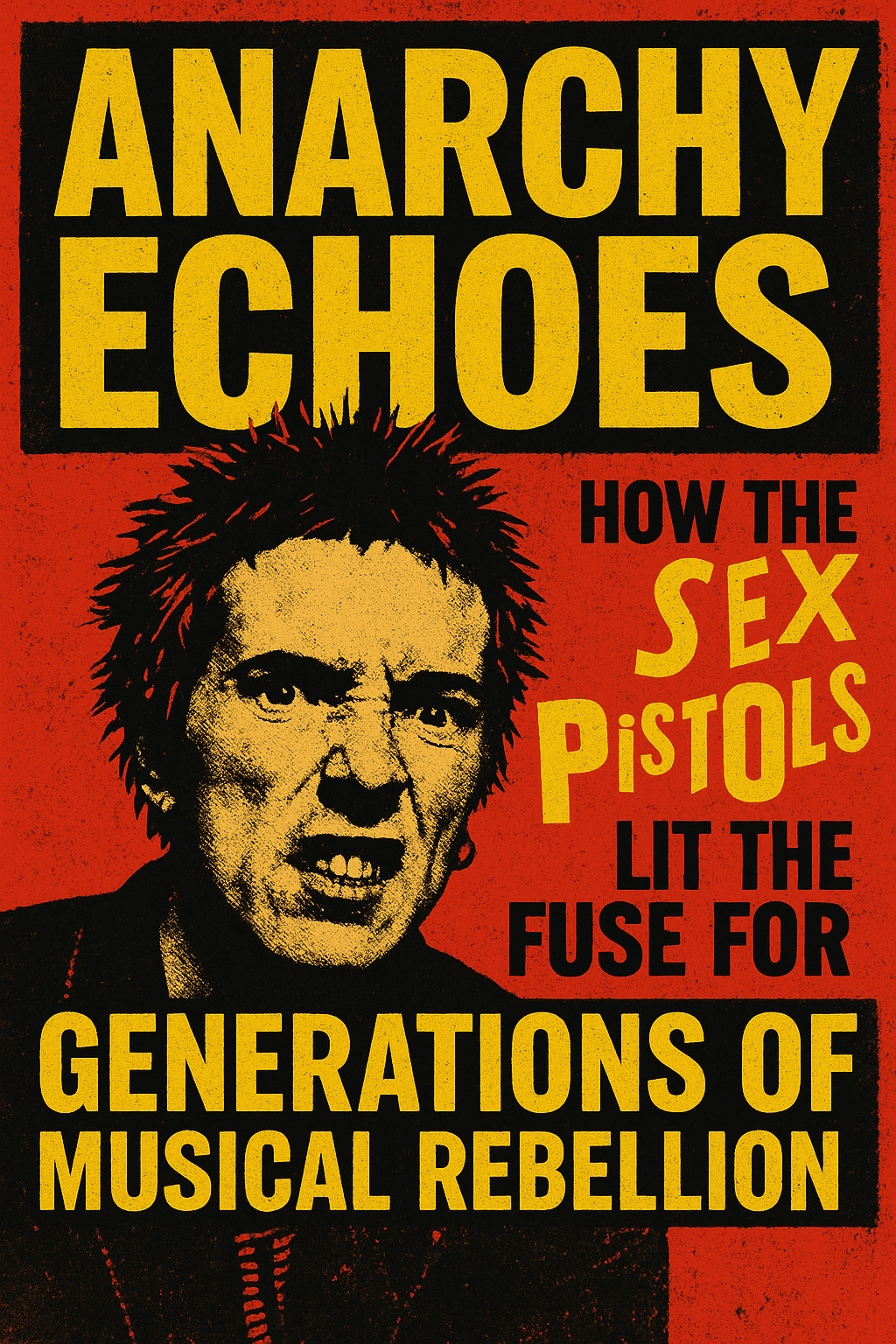
  • Anarchy Echoes: How the Sex Pistols Lit the Fuse for Generations of Musical Rebellion
    By Ryan Thompson, the Punk Rock Libertarian

    When the Sex Pistols roared onto the scene in 1976 with snarling guitars and a defiant sneer, they didn’t just form a band—they launched a movement. Their sound was raw, their message was anti-authoritarian, and their presence was nuclear. The ripple effects of their short but explosive career can still be felt today in the DNA of countless bands across continents and genres. Here’s how their legacy echoes through decades of rebellion and sound.


    🔥 First-Wave Punk & Post-Punk (1970s–Early 1980s)

    The Clash Inspired by the Pistols’ unapologetic stance, The Clash took the punk ethos and added political sophistication. While the Pistols wanted to burn it down, The Clash aimed to build something better from the ashes.

    Buzzcocks After organizing the Pistols’ historic Manchester gig, Buzzcocks fused punk energy with pop melodies, creating the blueprint for punk-pop.

    Siouxsie and the Banshees Siouxsie Sioux was a regular at early Pistols gigs. Her band expanded punk into gothic and experimental realms, maintaining the anti-mainstream spirit.

    The Damned As one of the first UK punk bands to release a single and tour the US, The Damned matched the Pistols in chaos and volume.

    Generation X (Billy Idol’s first band) Taking cues from the Pistols’ visual swagger and defiant attitude, Generation X helped shape punk into a marketable identity, paving Billy Idol’s solo path.

    Joy Division Ian Curtis and crew were present at the legendary Lesser Free Trade Hall Pistols gig. That night changed everything, giving rise to the band’s brooding, existential post-punk.

    The Slits Rebelling against both punk and gender norms, The Slits were directly influenced by the Pistols’ anarchic freedom and DIY mindset.

    The Adverts Fronted by TV Smith, The Adverts embodied the Pistols’ urgency and critique of conformity, helping cement punk as a platform for dissent.

    Subway Sect Championed by Pistols manager Malcolm McLaren, they carried punk’s disaffected minimalism into artier directions.

    The Fall Formed after Mark E. Smith saw the Pistols in Manchester, The Fall became a cult favorite by mixing punk ethos with absurdist lyrics.

    X-Ray Spex Frontwoman Poly Styrene was drawn to the Pistols’ challenge to the status quo. Her band fused punk aggression with feminist and anti-consumerist themes.


    🌍 International Punk & Hardcore

    Dead Kennedys (USA) Jello Biafra’s sardonic lyrics and political fury found a template in the Pistols’ disdain for authority and provocation.

    Black Flag (USA) The Sex Pistols’ raw aesthetic and attitude inspired Black Flag to pioneer hardcore punk with a DIY ethic that redefined American underground music.

    NOFX (USA) Fat Mike has credited the Pistols for making punk seem accessible—”You didn’t have to be good, you just had to mean it.”

    Big Balls and the Great White Idiot (Germany) One of Germany’s first punk bands, they mirrored the Pistols’ satire and shock tactics to push back against national conservatism.

    The Saints (Australia) Australia’s answer to punk, The Saints took the Pistols’ chaos and ran with it, injecting local defiance into their raucous sound.

    The Viletones (Canada) Canada’s early punk pioneers were driven by the same nihilism and fury that fueled Johnny Rotten’s sneer.


    🎸 Alternative Rock, Grunge, and Britpop (Late 1980s–1990s)

    Nirvana Kurt Cobain admired the Pistols’ fearless attitude and simplicity. “Never Mind the Bollocks” gave him permission to be abrasive and authentic.

    Pearl Jam / Soundgarden / Mudhoney These Seattle acts embraced the Pistols’ anti-commercial stance while incorporating heavy riffs and introspection.

    The Jesus and Mary Chain Blending noise and melody, their wall-of-sound approach echoed the Pistols’ feedback-driven urgency.

    Pixies Their loud-quiet-loud dynamics were rooted in punk’s disruption of traditional song structures, pioneered by bands like the Pistols.

    Sonic Youth Their experimental guitars and anarchic performances carried punk’s disruptive spirit into the avant-garde.

    Primal Scream Frontman Bobby Gillespie called “God Save the Queen” a spiritual awakening, blending punk into acid house and rock.

    Oasis / Blur / The Stone Roses Britpop’s swagger and disdain for pretension stemmed from the Pistols’ anti-elitist rebellion.

    Radiohead (early) “Pablo Honey” showed a band finding its voice by channeling punk’s raw emotional honesty.


    🚨 2000s Garage Rock Revival & Indie Rock

    The Libertines Pete Doherty’s chaotic genius and poetic nihilism felt like a modern echo of Johnny Rotten.

    Arctic Monkeys Their sharp lyrics and minimalist sound drew from the Pistols’ observational edge.

    The Strokes / The Hives / The Kills These bands resurrected punk’s simplicity and spirit in an era bloated with overproduction.

    Yeah Yeah Yeahs / Franz Ferdinand / Interpol Each band translated punk’s snarl into the indie scene, adding art-rock and post-punk textures.

    Kings of Leon (early) Before radio rock fame, their gritty early albums wore the badge of punk grime and urgency.


    ❤️ Emo, Pop-Punk & Post-Hardcore

    Green Day “Dookie” is the Pistols’ “Bollocks” for the mall punk generation—catchy, angry, and anarchic.

    My Chemical Romance / AFI / Fall Out Boy / Paramore / The Used / Alkaline Trio / Taking Back Sunday / Sum 41 / Blink-182 These bands took the Pistols’ angst and rebellion, refined it into melody-driven catharsis, and packaged it for a new generation. While more theatrical, the foundation remains anti-conformity and emotional authenticity.


    🎤 Modern Punk-Inspired Rock & Genre-Benders (2010s–Present)

    IDLES Like the Pistols, IDLES weaponize noise and lyrics to critique class divides and toxic masculinity.

    Fontaines D.C. Their biting poetry and Irish disillusionment echo the Pistols’ cynicism and style.

    Amyl and the Sniffers Fronted by Amy Taylor, they channel Pistols-era rawness with Aussie pub-punk flair.

    Turnstile Fusing hardcore with dance grooves, Turnstile embodies the Pistols’ barrier-smashing ethos.

    Yungblud A modern glam-punk provocateur, Yungblud mixes Rotten’s snarl with Gen Z activism.

    Måneskin Fashion-forward, attitude-heavy, and fearlessly loud—the Italian rockers are proof the Pistols’ blueprint lives on globally.

    Royal Blood A minimalist duo with maximum distortion, echoing punk’s stripped-down power.

    Wet Leg Quirky, ironic, and subversive—Wet Leg brings the Pistols’ spirit into the indie zeitgeist.


    👑 Cultural Figures & Legacy Influence

    Morrissey (The Smiths) Attended the Pistols’ Manchester gig. The experience was formative in developing his iconoclastic persona.

    Lady Gaga Her theatrical, rule-breaking identity is as punk as it gets—inspired by the Pistols’ boundary-pushing.

    Trent Reznor (Nine Inch Nails) His disdain for music industry norms channels Rotten’s contempt for the establishment.

    Billie Eilish With whisper vocals and dark visuals, she redefines pop rebellion, just as the Pistols redefined rock.


    🎯 Final Thoughts

    The Sex Pistols didn’t just form a band—they sparked a revolution. Their sonic and cultural detonation ripped through generations, reshaping the way artists think about music, power, and purpose. From Manchester basements to TikTok feeds, their fingerprints are everywhere. In a world still craving authenticity and rebellion, the Pistols remain not just relevant, but essential.

    Never mind the bollocks—punk’s not dead.

    Spun Web Technology SMART SEO

    Spun Web Technology SMART SEO

  • Get Woke, Go Broke: Pride, Propaganda, and the Billions You’ve Never Approved

    I’ve spent the last five months here in the Philippines, and let me tell you something straight: not a single pride flag. Not one rainbow banner, not one government-sponsored virtue signal. It’s not that LGBT people don’t exist here—they do. I’ve met them. But there’s a massive difference between individual liberty and state-sponsored ideology. That difference has never been more clear.

    Compare that to the United States. There, the rainbow flag doesn’t just fly—it’s jammed in your face. Every federal building, school district, and publicly funded institution flies it like it’s the new national symbol. But here’s the kicker: we now know it’s being bankrolled by your tax dollars.

    Thanks to a Trump-era executive order and Elon Musk’s no-nonsense auditing of federal spending, we’re now seeing the true depth of this propaganda machine. And trust me, it’s not just a few million here and there. It’s billions—yes, billions—being spent on foreign transgender clinics, drag theater, gender-neutral journalism, and woke media.

    The USAID Money Pit

    Musk’s team found that USAID (United States Agency for International Development) employs 10,000 people and gives away $40 billion every year. While some of that might do legitimate humanitarian work, a shocking portion funds global DEI (Diversity, Equity, Inclusion) projects. Here’s a taste:

    • $1.5M to promote LGBT ideology in Serbia’s corporate sector
    • $8.3M to push equity and inclusion education in Nepal
    • $2M for gender reassignment surgeries in Guatemala
    • $4.5M to battle “misinformation” in Kazakhstan
    • $7.9M to train Sri Lankan journalists to avoid binary language
    • $10M to feed an al-Qaeda-linked group
    • $20M to make a new Sesame Street for Iraq

    If you think this is satire, it’s not. This is your money.

    Forced Ideology and the Weaponization of Feelings

    We’ve created a world where merely disagreeing is hate. “That joke’s offensive,” they say. No, you found it offensive. That’s your problem. We don’t need to pave the jungle—we need to grow a spine. We’ve allowed feelings to replace facts, and emotion to replace reason. If your feelings contradict reality, maybe it’s the feelings that need adjusting—not the world.

    This is the cornerstone of punk rock libertarianism: say what you want, hear what you don’t like, and learn to deal with it.

    Respect Goes Both Ways

    I’ve got kids. One of them, Jamie, identifies as trans. I’ve supported her every step of the way. Haircuts, pronoun changes, even a tattoo with her new name. That’s respect. But I expect it in return. If I give you the freedom to live your truth, don’t demand I change mine. Mutual respect. Nothing more. Nothing less.

    Cultural Imperialism in a Woke Wrapper

    In the name of tolerance, the U.S. government has become the largest exporter of gender ideology on earth. What we’re seeing isn’t support—it’s coercion. It’s colonialism dressed in rainbow glitter. Why are we shoving this ideology down the throats of nations like India, Guatemala, and the Philippines—countries that didn’t ask for it?

    Freedom of expression is one thing. Using state power to enforce an ideology is another. DEI is the new religion, and it’s being preached in every embassy, every foreign aid office, and every school funded by American dollars.

    Media as a Ministry of Truth

    Let’s talk about Hollywood. Disney’s getting government-funded subscriptions to prop up their woke agenda. The FCC used to regulate media monopolies—now, under Biden, they rubber stamp Soros and Murdoch acquisitions of hundreds of stations with no oversight. This isn’t entertainment; it’s narrative control.

    Biden’s Censorship Machine

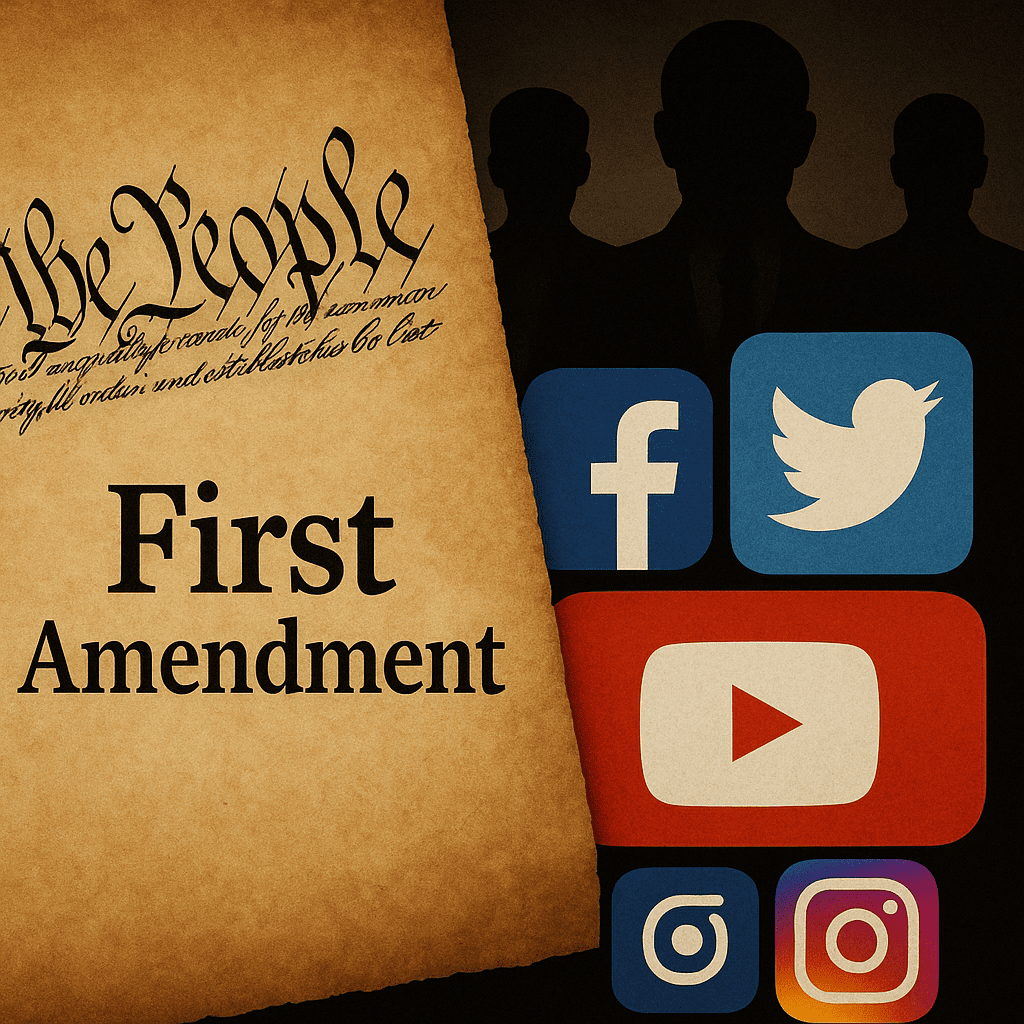
    Social media companies were pushed—no, forced—to silence dissent. The Fifth Circuit Court just ruled that the Biden administration violated the First Amendment by strong-arming platforms to censor topics like COVID origins and gender policy. Even Zuckerberg admitted it. The government bypassed the Constitution by outsourcing tyranny to private tech.

    And yet, they act shocked when someone like Musk starts asking questions. What’s really offensive here isn’t some edgy joke—it’s the billions stolen from working Americans to fund gender activism in foreign warzones.

    The Numbers Don’t Lie

    LGBTQ+ individuals make up roughly 4% of the population. So why does it feel like 50% of media, entertainment, and advertising is centered on them? This isn’t equality—it’s engineered imbalance. A top-down social experiment disguised as “progress.”

    Punk Rock Libertarianism: The Only Antidote

    We stand for voluntary exchange. For mutual respect. For free speech that doesn’t bend to your emotional outbursts. We don’t care what you do in your bedroom—but we do care when the state tries to make your personal lifestyle a political mandate.

    If you want to wear a dress, wear it. Just don’t make me fund it. If you want to use they/them pronouns, go for it. Just don’t make me memorize them.

    Liberty is not a one-way street. It’s a mutual contract. And if you’re not ready to uphold your end of the deal, then don’t be shocked when people push back.

    Final Word

    We don’t need to censor speech—we need to revive courage. We don’t need billions in foreign gender propaganda—we need government transparency and taxpayer accountability. And we don’t need government-funded agendas—we need liberty.

    The disruptive disruption has only just begun.

    —Ryan Thompson, The Punk Rock Libertarian Disruptarian.com

    Spun Web Technology SMART SEO

    Spun Web Technology SMART SEO

  • Get Woke, Go Broke: Musk, DEI Spending, and Foreign Aid Politics

    Get Woke, Go Broke: Musk, DEI Spending, and Foreign Aid Politics

    Disruptarian featured image for Get Woke, Go Broke: Musk, DEI Spending, and Foreign Aid Politics

    Verified at: 2026-06-22 7:14:59

    Get Woke, Go Broke: Musk, DEI Spending, and Foreign Aid Politics is the kind of subject that fits the Disruptarian lane because it sits where independent media, culture, music, and political commentary collide.

    The source description frames it this way: Ryan Thompson breaks down the political firestorm around Elon Musk, alleged LGBT and DEI foreign spending, and the broader argument over taxpayer priorities. This Disruptarian commentary frames the issue through government accountability, culture-war funding, donor politics, and why voters are losing patience with elite messaging. Original YouTube title: Get Woke, Go Broke: Elon Musk Exposes Billions in LGBT & DEI Foreign Spending Source: https://www.youtube.com/watch?v=f-8CWKZU9qU Disruptarian: https://www.disruptarian.com

    The useful question is not only what happened, but why the story matters to people who distrust scripted narratives, recycled outrage, and corporate-approved commentary.

    A Disruptarian reading starts with individual agency. The listener is not asked to accept a packaged conclusion. The point is to pull the claim apart, compare incentives, and look for the pressure points that legacy media often skips.

    That approach matters for libertarian radio commentary because the audience is usually looking for more than a headline. They want context, motive, contradiction, and a practical sense of how public stories become private consequences.

    The cultural layer is just as important. Disruptarian music and reggae punk energy are not decorations around the message. They give the work its rhythm: skeptical, confrontational, and rooted in the idea that speech should stay alive even when institutions prefer silence.

    For search readers arriving cold, the primary source is included below either as an embed or as a direct source link. Start there if you want the full tone, timing, and argument. The written analysis expands the title and description into a searchable article that can stand on its own.

    The strongest SEO value here is clarity. The article keeps the title language visible, uses descriptive headings, and connects the topic to Disruptarian Radio, independent media, libertarian commentary, political culture, and original music without stuffing the page with empty repetition.

    The larger takeaway is simple: independent commentary survives by documenting what was said, preserving the source, and adding a point of view that does not depend on permission from gatekeepers.

    That is why this post exists as part of the static Disruptarian archive. The video remains embedded, the title and description remain traceable, and the surrounding article gives search engines and readers enough context to understand why the episode belongs in the broader Disruptarian catalog.

    The title itself carries the first keyword signal, but a durable post needs more than a copied headline. It needs a clear H1, a concise meta description, a featured image with descriptive alt text, and enough editorial framing for readers to know why the video is part of this archive.

    From an independent media perspective, the value is in keeping the primary source visible. Embedding the video prevents the article from becoming detached commentary. Readers can compare the written interpretation against the actual recording and decide whether the argument holds up.

    The libertarian angle is not automatic partisanship. It is a suspicion of concentrated power, public manipulation, and narratives that ask citizens to outsource judgment. That suspicion applies to government, platforms, corporations, activist institutions, and media brands alike.

    Disruptarian Radio also treats culture as evidence. Music, political language, online mobs, censorship fights, moral panics, and personal stories all reveal where pressure is being applied. That is why a radio episode can be more than entertainment; it can become a record of a moment.

    For listeners who follow DJ Disruptarian, the same pattern shows up in the music catalog: reggae rhythm, punk edge, spiritual critique, and anti-authoritarian instinct. The written post keeps that identity attached to the video instead of letting it disappear into a platform feed.

    Good SEO on a page like this should help people find the conversation without flattening the voice. The article uses natural phrases such as Disruptarian Radio, independent media, libertarian podcast, political commentary, original music, and disruptive conversations only where they make sense.

    The featured image should follow the Disruptarian editorial-collage style: torn paper, smoke, halftone grit, dirty cream paper, black and oxblood pressure, muted gold accents, and symbolic props tied to the subject rather than generic filler. Its alt text names the subject so search engines and screen readers get useful context.

    The article also keeps a stable URL under the static blog. That matters because feeds move, platforms change embeds, and social links decay. A static post gives the episode a second home that can be indexed, backed up, linked, and reviewed later.

    The final point is documentation. When a channel publishes a new video, the title and description are often the only structured metadata available. Turning that metadata into a post creates a stronger archive without pretending to replace the original recording.

    This is the practical Disruptarian method: preserve the video, state the source, add commentary, keep the searchable terms honest, and let the reader move between the embedded media and the written analysis without friction.

    This additional context keeps the post useful for readers who arrive from search rather than from the original channel. It explains the source, preserves the embed, and connects the subject back to the larger Disruptarian archive.

    This additional context keeps the post useful for readers who arrive from search rather than from the original channel. It explains the source, preserves the embed, and connects the subject back to the larger Disruptarian archive.

    This additional context keeps the post useful for readers who arrive from search rather than from the original channel. It explains the source, preserves the embed, and connects the subject back to the larger Disruptarian archive.


    The shortlink was copied to your clipboard

    X
    f
    r

    Related Reading

    Similar posts


    Disruptarian Blog

    2026-06-22

    Disruptarian Blog

    Disruptarian commentary on Colorado School Board Fight: Parents, Gender Policy, and Public Trust with embedded source video, independent media context, and libertarian radio analysis.

  • 🚨 5th Circuit Ruling: Biden Administration Illegally Colluded With Big Tech to Suppress Free Speech

    In a landmark ruling that vindicates long-standing concerns from civil libertarians, the U.S. Court of Appeals for the Fifth Circuit has affirmed what many have suspected since the COVID-19 pandemic began: the federal government engaged in unconstitutional censorship by coercing social media companies to suppress dissenting viewpoints.

    The case, State of Missouri v. Biden, No. 23-30445, centers around allegations that officials from the White House, CDC, FBI, and other federal agencies pressured Big Tech platforms to deplatform or downgrade content deemed “misinformation.” The plaintiffs—a group of doctors, a healthcare activist, a news website, and two state governments—argued this constituted a direct violation of their First Amendment rights.

    🚫 The “Misinformation” Excuse: Government Overreach in Disguise

    The government’s defense? That they were merely “flagging” harmful content and encouraging platforms to enforce their own policies. But the Fifth Circuit wasn’t buying it. The court found ample evidence of coercive pressure, concluding that the White House and several agencies “likely violated the First Amendment” by effectively strong-arming private companies into doing what the government is constitutionally prohibited from doing: suppressing speech.

    This isn’t government speech. It’s government-sponsored censorship—and it’s chilling.

    💥 Who Got Rebuked—and Who Got a Pass?

    In its modified injunction, the Fifth Circuit drew clear lines:

    • Held Liable:
      • White House
      • Surgeon General
      • Centers for Disease Control (CDC)
      • Federal Bureau of Investigation (FBI)
      • Cybersecurity and Infrastructure Security Agency (CISA)
    • Not Held Liable:
      • National Institute of Allergy and Infectious Diseases (NIAID)
      • State Department

    For the NIAID, led by Dr. Anthony Fauci, the court found no direct communications with tech companies, only public statements promoting the government’s views. While disingenuous or biased, such statements fell within the realm of protected government speech—not coercive action.

    🧠 Why This Case Matters: The Slippery Slope to Technocratic Tyranny

    This ruling cuts to the heart of what libertarians have long warned about: the merging of state power with corporate compliance to control narratives and restrict freedom. When unelected bureaucrats can lean on tech platforms to silence dissenting voices—particularly in areas of science, health policy, and public discourse—constitutional protections become nothing more than parchment barriers.

    The court’s decision marks a major pushback against the rise of the “censorship-industrial complex.” And it’s not just about COVID. This precedent lays the groundwork for future cases involving elections, climate policy, and any area where dissent threatens the political establishment.

    ⚖️ The Fight Isn’t Over

    While the injunction was narrowed, it still blocks key federal officials from continuing their censorship-by-proxy operations. And it sets up a likely showdown at the Supreme Court, where the limits of government speech and coercion in the digital age will be tested.

    For now, the Fifth Circuit has sent a clear message: the First Amendment is not optional, and the federal government cannot outsource censorship to private companies to avoid constitutional scrutiny.

    State of Missouri v. Biden, No. 23-30445 (5th Cir. 2023)

    Annotate this Case

    Justia Opinion Summary

    The Plaintiffs—three doctors, a news website, a healthcare activist, and two states —had posts and stories removed or downgraded by the platforms. Their content touched on a host of divisive topics like the COVID-19 lab-leak theory. Plaintiffs maintain that although the platforms stifled their speech, the government officials were the ones pulling the strings. They sued the officials for First Amendment violations and asked the district court to enjoin the officials’ conduct. The officials argued that they only “sought to mitigate the hazards of online misinformation” by “calling attention to content” that violated the “platforms’ policies,” a form of permissible government speech. The district court agreed with the Plaintiffs and granted preliminary injunctive relief.
     
    The Fifth Circuit granted the petition for panel rehearing and affirmed in part, reversed in part, vacated the injunction in part, and modified the injunction in part. The court affirmed with respect to the White House, the Surgeon General, the CDC, the FBI, and CISA and reversed as to all other officials. As to the NIAID officials, it is not apparent that they ever communicated with the social media platforms. Instead, the record shows, at most, that public statements by Director Anthony Fauci and other NIAID officials promoted the government’s scientific and policy views and attempted to discredit opposing ones—quintessential examples of government speech that do not run afoul of the First Amendment. Further, as for the State Department, while it did communicate directly with the platforms, so far, there is no evidence these communications went beyond educating the platforms on “tools and techniques” used by foreign actors.

    @disruptarian_369

    State of Missouri v. Biden, No. 23-30445 (5th Cir. 2023) Annotate this Case Justia Opinion Summary The Plaintiffs—three doctors, a news website, a healthcare activist, and two states —had posts and stories removed or downgraded by the platforms. Their content touched on a host of divisive topics like the COVID-19 lab-leak theory. Plaintiffs maintain that although the platforms stifled their speech, the government officials were the ones pulling the strings. They sued the officials for First Amendment violations and asked the district court to enjoin the officials’ conduct. The officials argued that they only “sought to mitigate the hazards of online misinformation” by “calling attention to content” that violated the “platforms’ policies,” a form of permissible government speech. The district court agreed with the Plaintiffs and granted preliminary injunctive relief. The Fifth Circuit granted the petition for panel rehearing and affirmed in part, reversed in part, vacated the injunction in part, and modified the injunction in part. The court affirmed with respect to the White House, the Surgeon General, the CDC, the FBI, and CISA and reversed as to all other officials. As to the NIAID officials, it is not apparent that they ever communicated with the social media platforms. Instead, the record shows, at most, that public statements by Director Anthony Fauci and other NIAID officials promoted the government’s scientific and policy views and attempted to discredit opposing ones—quintessential examples of government speech that do not run afoul of the First Amendment. Further, as for the State Department, while it did communicate directly with the platforms, so far, there is no evidence these communications went beyond educating the platforms on “tools and techniques” used by foreign actors.

    ♬ original sound – Disruptarian_369

    Spun Web Technology SMART SEO

    Spun Web Technology SMART SEO

  • The Two-Tiered Justice System: Democrat-Endorsed Vandalism and the Decline of Equal Justice

    By Ryan Thompson, The Punk Rock Libertarian | Disruptarian.com

    In yet another glaring example of America’s two-tiered justice system, we’re watching progressive privilege play out in real-time. A Minnesota state employee—Dylan Bryan Adams—vandalized six Tesla vehicles, causing over $20,000 in damage. Yet instead of facing criminal charges, he’s been granted a pre-charge diversion program. That’s right—no felony, no jail time. Just a slap on the wrist and a polite request to pay some restitution, all while likely keeping his state job.

    Now imagine if Adams wore a red MAGA hat.

    This isn’t justice—it’s ideological favoritism. It’s exactly what Americans are growing sick of: a justice system weaponized against dissenting voices, while left-wing agitators walk free. And it’s becoming more obvious every day that if you’re on the Left, especially aligned with Democrat causes, the rules simply don’t apply to you.

    Liberal-Tied Violence Gets a Pass

    We’ve seen this movie before. During the 2020 riots, radical activists burned businesses, attacked police, and destroyed public monuments—yet most of those arrested saw charges dropped or reduced. In Minnesota, the same state where George Floyd’s death sparked widespread unrest, we now see state employees emboldened to carry out politically charged acts of vandalism—with virtually no consequences.

    This isn’t just about broken Teslas. It’s about a pattern of progressive-led destruction that is consistently excused, minimized, or outright rewarded by district attorneys backed by far-left megadonors like George Soros.

    Compare That to January 6

    Now contrast that with how the DOJ and federal courts handled January 6 protesters. Non-violent individuals who walked into the Capitol building, took selfies, or merely stood on restricted ground have received years in prison, solitary confinement, and the full weight of the state crushing down on them.

    Groups like the Proud Boys—whether you agree with them or not—have been prosecuted like terrorists. Meanwhile, if you’re a progressive who burns a car dealership or smashes Teslas in the name of anti-capitalist rage, you get “diversion.”

    This is not justice. It’s a double standard, and it’s tearing at the legitimacy of our legal system.

    The Progressive Playbook: Destruction with Impunity

    Let’s call this what it is: state-sanctioned violence for the politically correct class. If you’re a left-wing activist, a state employee, or affiliated with a Democrat-led agenda, you’re held to a different standard.

    This isn’t an accident—it’s the inevitable result of district attorneys and prosecutors who are more concerned with protecting their political allies than upholding the law. People like Hennepin County Attorney Mary Moriarty are not administering justice—they’re playing gatekeeper for the progressive elite.

    And it’s no coincidence that Adams’ act of vandalism came right after Governor Tim Walz made public comments mocking Tesla’s stock value and Elon Musk. This isn’t just passive tolerance—it’s a culture of encouragement for those willing to attack ideological opponents.

    Why This Matters

    What we’re witnessing is a full-blown breakdown in the principle of equal protection under the law. When justice depends on your political affiliation, we no longer have a republic—we have tribal law.

    Americans of every political stripe should be outraged. Because once the law stops being neutral, nobody is safe—especially not those who dare to dissent from the ruling ideology.

    The punk rock ethos I grew up with was always about standing against authoritarianism. Whether it came in a red tie or a blue mask, we opposed power used to silence or punish the outsider.

    Today, the biggest threat to liberty doesn’t come from right-wing radicals—it comes from a justice system hijacked by progressive ideologues who’ve decided that some violence is okay, as long as it’s their side throwing the punch.


    If we don’t demand equal justice, we’re not just risking political chaos—we’re signing away the last remnants of our liberty.

    Spun Web Technology SMART SEO

    Spun Web Technology SMART SEO

  • Lady Gaga vs. Diddy: The Illuminati Rituals I’ve Been Warning About for a Decade

    By Ryan Thompson — The Punk Rock Libertarian
    Disruptarian.com | Liberty Through Truth

    Let’s not pretend this is new.
    I’ve been reporting on this stuff for nearly a decade. While the mainstream media rolled their eyes and the gatekeepers in the music industry labeled it “conspiracy,” I was laying out the cold, hard truth: the Hollywood machine and music industry elite have been running dark, ritualistic initiation games—coercing new artists, breaking them psychologically, and binding them with silence through shame, blackmail, and sexual compromise.

    Now it’s out in the open.

    With Lady Gaga stepping into the courtroom and preparing to expose Sean “Diddy” Combs for alleged abuse and manipulation, everything I’ve been warning about is finally being dragged into the light. And let’s be clear—this isn’t just about two celebrities beefing. This is about the entire structure of fame and power, and the ritualized exploitation that props it up.

    From the Streets to the Studio: Diddy’s Dark Legacy

    Let’s cut to the chase. The allegations against Diddy are damning. We’re not just talking about one incident or one woman. We’re talking about a decades-long pattern of manipulation, humiliation, and sexual coercion. From Cassie to Gaga, sources close to these women paint a chilling picture: an industry mogul who operates like a cult leader—controlling, obsessive, and allegedly violent.

    According to testimony and insider leaks, Gaga was once under Diddy’s thumb in her early career. He dictated her image, her moves, and even elements of her personal life. And when she tried to break free? That control allegedly turned dark and dangerous—including an incident where shots were fired in a club and Gaga was reportedly held in Diddy’s car for over 15 hours, terrified and broken.

    This isn’t just drama. This is psychological warfare. And it mirrors the initiation rituals I exposed years ago—rituals designed to break the spirit, bind the initiate, and ensure obedience.

    The Homosexual Illuminati Rituals: Power Through Inversion

    Let me make one thing clear—this isn’t about sexuality. What we’re talking about is the weaponization of sexuality as a control mechanism. These initiation rituals often involve forced homosexual acts, not for pleasure, but for ritual humiliation.

    This has nothing to do with being gay. This has everything to do with inverting personal boundaries, stripping individuals of autonomy, and ensuring there’s always dirt that can be used against them.

    In the underground slang of these elites, they call it “Gravy.” You get in the door only if you’ve been baptized in it—and they make damn sure there’s a record of it.

    This culture of coercion isn’t exclusive to hip-hop, nor is it limited to black artists. Pop stars, actors, and even directors—no one is immune. These rituals are about who gets to own you. And once you’ve been compromised, you either fall in line—or you disappear.

    Lady Gaga: Victim, Survivor, or Whistleblower?

    We’ve known for years that Gaga had a deeply traumatic past. In her own words, she was raped repeatedly at 19 and developed PTSD. But what the mainstream never wanted to touch was how that trauma was weaponized to control her in the industry.

    Gaga’s rise to superstardom wasn’t just talent—it was survival. Behind the glitter and the outrageous fashion was a woman caught in a machine built on abuse, trauma, and silence. Now, she’s reportedly preparing to testify against Diddy, and if she does, it could crack the entire system wide open.

    There are whispers she gave her law firm an ultimatum: drop Diddy, or I’m leaving. They dropped him.

    So the question is—will she talk? Will she expose the rituals, the coercion, the manipulation? Will she name names?

    If she does, it could validate everything people like me have been screaming about for years.

    Diddy’s Pattern: From Gaga to Cassie, the Blueprint Doesn’t Lie

    After Gaga escaped his control, Diddy allegedly transferred that obsessive dominance onto Cassie. Over a decade of manipulation, degradation, and silencing followed. The common denominator? Total control—over image, movement, creativity, and most chilling of all, sexual agency.

    The goal isn’t just control—it’s ritual degradation. Allegedly, this includes orchestrated orgies, strange spiritual references, and the constant threat of exposure or violence. One former collaborator even recounted how Gaga told him in 2016 about her fear of Diddy. That she was scared—not paranoid, not confused—afraid.

    You don’t need a tinfoil hat to see the pattern. You just need the courage to connect the dots.

    Why the Silence?

    Simple. Fear.

    Fear of career destruction. Fear of physical harm. Fear of being labeled crazy, unstable, or vindictive. This is how Hollywood’s elite blackmail machine has operated for decades. And the deeper you go, the more twisted it gets—handlers, fake relationships, trauma-bonding, and a press corps too scared or too bought off to investigate.

    But that silence is breaking. And not because the system got better—because it’s finally starting to crack under its own weight.

    What This Means for Liberty

    Now, you might be asking—why should a libertarian give a damn about this?

    Because this isn’t just about pop stars. This is about a system of coercion and centralized power that mirrors the state itself. Just like the government, these elites operate above accountability. They manipulate through fear, silence dissent, and destroy anyone who steps out of line.

    This is cultural statism—a machine that enforces conformity not with laws, but with contracts, NDAs, and blackmail. If liberty means anything, it means breaking that machine.

    Final Thoughts: Time to Rip the Veil

    What we’re witnessing isn’t the start of something—it’s the unveiling of something that’s been there all along.
    Diddy is just one piece. Gaga may become a key witness. But the real story is the system—the shadow empire that uses fame as bait, trauma as a tool, and humiliation as a leash.

    If Gaga speaks out, it could be a domino moment. If she doesn’t, the truth still looms, waiting to be told by someone else. The survivors are growing in number. The whispers are becoming voices. And soon, the voices will become a chorus.

    I said it in 2018, and I’ll say it again now:
    This isn’t entertainment. It’s initiation.
    And it’s time to burn the stage down.

    —Ryan Thompson
    The Punk Rock Libertarian
    Disruptarian.com

    Spun Web Technology SMART SEO

    Spun Web Technology SMART SEO

  • Behind the Velvet Curtain: Homosexual Illuminati Rituals in Hollywood and Hip-Hop

    By Ryan Thompson, The Punk Rock Libertarian
    Published on Disruptarian.com

    They laughed at us when we first said it.
    Back in 2018, I dropped a video exposing the bizarre, Babylonian-rooted, homosexual ritual culture bubbling beneath the surface of Hollywood and the rap game . People said I was crazy, conspiratorial, or worse—homophobic for even suggesting that sex, control, and power were being wielded as weapons in ritualistic ways by entertainment elites.

    Well, fast forward to 2024. Enter: Sean “Diddy” Combs.

    Now suddenly, all those whispers that folks were too scared to repeat out loud are headline news. Reports are spilling out like busted floodgates: initiation orgies, power plays cloaked as “parties,” forced participation in humiliating sexual acts, and strange coded language like “gravy”—all forming part of a disturbing system of domination, silence, and compromise.

    This isn’t about sexuality. It’s about control. And whether you’re a wide-eyed Disney starlet or a hardened street rapper, once you step through the doors of Hollywood or the music industry’s inner sanctum, you’re being watched, weighed—and if you want the fame, you’ll play the game.

    Babylonian Gods, Broken Souls

    The ritualistic aspects of this phenomenon aren’t just accidental. They’re ancient. Babylonian mystery cults, secret rites, inversion of the natural order—this stuff is old school. And it didn’t disappear. It just rebranded itself with red carpets, Grammys, and casting couches.

    These rituals are designed to break the initiate—to shame them, humiliate them, and, most importantly, compromise them. Because once you’ve crossed certain boundaries—especially publicly—you no longer own yourself. You are blackmail bait.

    As we’ve seen reported with Diddy, these so-called “freak-off” parties weren’t orgies for pleasure—they were power rituals. They were about submission. Bringing in younger artists, “mentoring” them, and then coercing them into acts that would later be used to control or silence them.

    What’s even darker is that these events are not limited to one genre or one scene. It’s hip-hop, it’s pop, it’s film, it’s fashion. And it’s been happening for decades.

    From Prince to Pac: The Ones Who Spoke Out

    We’ve had warning signs for years.
    Prince once said: “Don’t sign with the slave masters.”
    2Pac accused music executives of corrupting black culture, turning artists into mouthpieces for decadence and degeneracy.
    Kanye West—despite his many contradictions—has said time and time again that “they” tried to silence him, control him, even drug him.

    But what happens to artists who won’t comply? They get blacklisted. They disappear. Some end up dead, their legacies twisted, their voices silenced.

    This isn’t hyperbole. This is the pattern. The price of resistance is often your career—or your life.

    Why the Homosexual Element?

    Let’s address the elephant in the room.
    Why are so many of these alleged rituals centered around same-sex acts?

    Because it’s taboo. Because it inverts natural hierarchies. Because it disorients the initiate. And because, in many of these cases, it’s done against their will. It’s not about being gay. It’s about being broken.

    When your entire industry revolves around conformity and control, the ones who run the show want leverage. Nothing creates leverage quite like filming you in a room you don’t want to be in, doing things you swore you’d never do.

    That footage becomes the leash. And the leash ensures obedience.

    This is why the term “gravy” became a buzzword among industry insiders—it’s slang for these dark rituals that “lubricate” your way into fame. And no, that’s not metaphorical.

    The Illuminati as Control Mechanism

    The word “Illuminati” gets thrown around a lot. People hear it and think pyramid eyes and Alex Jones rants. But historically, the Illuminati was a real 18th-century secret society founded in Bavaria to infiltrate institutions and steer ideology.

    Sound familiar?

    The entertainment industry has become one of the most powerful ideological weapons in modern history. From shaping youth culture to shifting morality, Hollywood and hip-hop hold more influence than Washington, D.C.

    So why wouldn’t those who seek power use it as their playground?

    The hand signs. The symbolism. The one-eye shots. The all-seeing eye. You can dismiss it as art if you want, but when it’s being repeated across all media, by all artists, from all labels—that’s not coincidence. That’s branding.

    Voluntary Slavery in the Land of the Free

    What makes all this even more grotesque is that we call this “entertainment.”

    We have young artists desperate for stardom, voluntarily handing themselves over to handlers, producers, and executives who see them as nothing more than vessels—tools for influence, profit, and worse.

    These artists often come from broken homes or economically desperate circumstances. They’re looking for opportunity. But what they find is exploitation dressed up in lights, champagne, and empty praise.

    It’s a new kind of slavery—voluntary, ritualized, and spiritually corrosive.

    What Libertarians Should Learn From This

    You might be wondering why a libertarian is talking about this.

    Because this is what statism of the soul looks like.

    It’s the ultimate centralization of power—hidden, unaccountable, and cultural rather than governmental. It’s elite cartels ruling over the minds and bodies of the population by controlling the cultural narratives we consume.

    It’s also a brutal reminder of what happens when people sell their liberty for fame, power, or security. And that’s a lesson we must hammer into the next generation: if you don’t own yourself, someone else will.

    Shine the Light—And Burn the Curtain

    We’re not talking about some petty TMZ drama. This is a systemic cultural rot. A machine that devours talent, extracts influence, and spits out the broken remains of once-free individuals.

    The Diddy case is just the beginning. More will come. Whistleblowers will rise. And the machine will fight back. But the curtain’s already torn—and we must keep pulling.

    We’re not doing this for clicks or conspiracy street cred. We’re doing it because freedom—real freedom—means liberty in every domain: political, economic, cultural, and spiritual.

    No gods, no masters.
    No handlers, no secret handshakes.
    And no tolerance for abuse masquerading as art.

    Final Thoughts

    For years, people mocked those of us sounding the alarm on ritualistic abuse in Hollywood and music. But the evidence is surfacing. The stories are aligning. And the victims are finally speaking out.

    The question is—will you listen now?

    Will you demand transparency? Will you support independent artists who walk away from the machine? Will you boycott the soulless, factory-made propaganda being passed off as “entertainment”?

    Or will you keep feeding the beast that eats your culture, your morals, and your liberty?

    The choice is yours. But know this: liberty begins where the lies end.
    And we’re here to end them.

    —Ryan Thompson, The Punk Rock Libertarian
    Disruptarian.com

    https://www.facebook.com/capitalismtools/videos/246528766018289

    Spun Web Technology SMART SEO

    Spun Web Technology SMART SEO

  • A Respectful Response to Buck Angel: Honoring the Lost and Questioning the Narrative

    By Ryan Richard Thompson – Disruptarian.com


    I recently watched a powerful and painful video by Buck Angel, where he discussed the tragic death of a transgender individual, reportedly linked to complications from a phalloplasty surgery. Buck spoke with the kind of honesty and emotional clarity that’s become increasingly rare in this highly charged cultural conversation. It moved me—not just as a commentator or content creator, but as a father, a libertarian, and someone who’s been forced to confront this issue deeply in my own life.

    Let me say this upfront: I respect Buck Angel. A lot. He’s a trans man who tells the truth, even when it’s uncomfortable. And this tragedy he brought to light isn’t just some one-off anomaly. It’s a devastating reflection of a system that is failing our youth—medically, ethically, and psychologically.


    When Identity Meets Irreversible Medical Intervention

    We’re told that gender-affirming care saves lives. That to question any part of the process is hateful. That to hesitate, even for a moment, is to put young lives at risk.

    But what about the young people who go through with these interventions—surgery, hormones, irreversible changes to their bodies—and then realize the outcomes aren’t what they were promised? Or worse, suffer extreme complications that no one warned them about?

    In the case Buck Angel discussed, phalloplasty—the surgical creation of a penis from other body tissues—resulted in catastrophic complications that may have played a role in this person’s death. It’s hard to even write those words. But we must say them. Because this isn’t just about ideas. This is about human beings. It’s about real lives.

    Too many people are being ushered into these decisions before their brains, bodies, or lives have fully developed. And far too few are being told the truth about what these procedures entail—not just the pain and the risk of complications, but the reality of long-term consequences, regret, infertility, and medical dependence for life.


    A Father’s View from the Frontlines

    This issue isn’t theoretical for me. Two of my own kids have leaned into gender activism and identity exploration in recent years. It’s part of why I stay so engaged in this cultural debate. My ex-wife, who’s now married to a self-identified transvestite, has also been a strong proponent of this ideology—and the ripple effect on our kids has been unmistakable.

    I’ve tried to meet them with love. With patience. I’ve never insulted them, never demeaned them, never denied their right to exist or express themselves. But I’ve also never lied to them.

    I’ve said it plainly: you can change your presentation, your name, your pronouns—but you cannot change your sex. Chromosomes are immutable. Biology doesn’t care about feelings. And no amount of social affirmation can make you into something you’re not.

    This stance has cost me. I’ve been called every name in the book—bigot, transphobe, abusive. I’ve lost friends. I’ve lost connection with some of my kids. But I will not compromise truth for temporary peace. Because the stakes are too high.


    The Illusion of Informed Consent

    Here’s where I get truly angry: young people are being told that gender transition is as simple as picking an identity and signing up. Many doctors, therapists, and educators have adopted a “gender-affirming model” that prioritizes affirmation over caution. Instead of treating dysphoria as a psychological condition with many potential causes, they treat it as a medical emergency—one that requires immediate, life-altering intervention.

    That is medical malpractice. Full stop.

    Phalloplasty, double mastectomies, puberty blockers, hormone replacement therapy—these are not neutral treatments. They come with massive risks. They require lifelong maintenance. And in many cases, they result in sterility, sexual dysfunction, and lifelong regret.

    How many teenagers are truly capable of understanding what that means? How many have the maturity, the life experience, or the long-term perspective to give real informed consent?

    I would argue very few. And yet the pipeline continues—because it’s politically protected, culturally glorified, and increasingly profitable.


    Compassion Without Compromise

    What’s often lost in this debate is the idea that you can love someone and still tell them the truth. We’ve created a culture where affirmation is equated with love, and disagreement is equated with hate.

    That’s not just false—it’s dangerous.

    As a father, I’ve had to walk this line. One of my daughters was in an LGBTQ relationship, and I supported her. I drove her to see her partner, asked questions, gave advice. I didn’t judge her. I didn’t try to shame her into heteronormativity. I just stayed present in her life, made sure she was okay, and offered perspective when I could.

    But when it comes to gender ideology, I draw the line at lies. I won’t pretend that there are more than two sexes. I won’t refer to a biological male as a woman. And I certainly won’t support my children undergoing medical procedures that could irreparably harm their bodies and minds.

    You can stand for biological truth and still deeply love your kids. You can honor their emotions without surrendering to them. That’s not hate. That’s what responsible parenting looks like.


    What Buck Angel Gets Right

    Buck Angel’s honesty in talking about the dark side of transition is rare—and desperately needed. As a trans man himself, his voice carries weight. He’s not trying to erase anyone’s identity. He’s trying to save lives by demanding that we stop pretending these procedures are risk-free.

    Buck understands that some people are pushed too fast. That many are not given the tools—or the truth—they need to make informed choices. And that the cost of that failure is sometimes irreversible loss.

    We need more voices like Buck’s. And we need fewer cowards in medicine, media, and government who are willing to sacrifice children on the altar of ideology.


    Final Thoughts: This Is About the Future

    To the young people out there: I see your passion. I admire your drive to fight for what you believe in. I was that way too—I protested, I pushed back, I challenged systems. That’s part of growing up and discovering your power.

    But don’t let your rage blind you to reality. Don’t let social media influencers or activist teachers sell you a dream that ends in medical tragedy. And don’t let anyone tell you that you must trade truth for belonging.

    To the parents: love your kids with everything you have. But don’t surrender your wisdom. Don’t abdicate your responsibility. They need your guidance more than your approval.

    And to everyone who watches videos like Buck Angel’s and feels the weight of grief and frustration—channel that into change. Into conversations. Into holding the medical industry and culture warriors accountable for what they’re doing to an entire generation.


    This isn’t about rejecting people. It’s about rejecting lies.

    And if that means I get called names, so be it.
    I’d rather be hated for standing in truth than praised for playing along.

    —Ryan Richard Thompson
    Disruptarian.com | @Disruptarian on X/Twitter

    Spun Web Technology SMART SEO

    Spun Web Technology SMART SEO

  • The Truth Hurts, But It Is Worth It

    The Truth Hurts, But It Is Worth It

    Disruptarian featured image for The Truth Hurts, But It Is Worth It

    Verified at: 2026-06-22 7:20:46

    The Truth Hurts, But It Is Worth It is the kind of subject that fits the Disruptarian lane because it sits where independent media, culture, music, and political commentary collide.

    The source description frames it this way: Ryan Thompson makes a direct Disruptarian case for truth-telling when honesty costs comfort, approval, or relationships. This episode frames plain speech as a discipline: saying what is real, accepting the backlash, and refusing to trade integrity for easier lies. Original YouTube title: The Truth Hurts But It's Worth It Source: https://www.youtube.com/watch?v=EXe9oTPc_nU Disruptarian: https://www.disruptarian.com

    The useful question is not only what happened, but why the story matters to people who distrust scripted narratives, recycled outrage, and corporate-approved commentary.

    A Disruptarian reading starts with individual agency. The listener is not asked to accept a packaged conclusion. The point is to pull the claim apart, compare incentives, and look for the pressure points that legacy media often skips.

    That approach matters for libertarian radio commentary because the audience is usually looking for more than a headline. They want context, motive, contradiction, and a practical sense of how public stories become private consequences.

    The cultural layer is just as important. Disruptarian music and reggae punk energy are not decorations around the message. They give the work its rhythm: skeptical, confrontational, and rooted in the idea that speech should stay alive even when institutions prefer silence.

    For search readers arriving cold, the primary source is included below either as an embed or as a direct source link. Start there if you want the full tone, timing, and argument. The written analysis expands the title and description into a searchable article that can stand on its own.

    The strongest SEO value here is clarity. The article keeps the title language visible, uses descriptive headings, and connects the topic to Disruptarian Radio, independent media, libertarian commentary, political culture, and original music without stuffing the page with empty repetition.

    The larger takeaway is simple: independent commentary survives by documenting what was said, preserving the source, and adding a point of view that does not depend on permission from gatekeepers.

    That is why this post exists as part of the static Disruptarian archive. The video remains embedded, the title and description remain traceable, and the surrounding article gives search engines and readers enough context to understand why the episode belongs in the broader Disruptarian catalog.

    The title itself carries the first keyword signal, but a durable post needs more than a copied headline. It needs a clear H1, a concise meta description, a featured image with descriptive alt text, and enough editorial framing for readers to know why the video is part of this archive.

    From an independent media perspective, the value is in keeping the primary source visible. Embedding the video prevents the article from becoming detached commentary. Readers can compare the written interpretation against the actual recording and decide whether the argument holds up.

    The libertarian angle is not automatic partisanship. It is a suspicion of concentrated power, public manipulation, and narratives that ask citizens to outsource judgment. That suspicion applies to government, platforms, corporations, activist institutions, and media brands alike.

    Disruptarian Radio also treats culture as evidence. Music, political language, online mobs, censorship fights, moral panics, and personal stories all reveal where pressure is being applied. That is why a radio episode can be more than entertainment; it can become a record of a moment.

    For listeners who follow DJ Disruptarian, the same pattern shows up in the music catalog: reggae rhythm, punk edge, spiritual critique, and anti-authoritarian instinct. The written post keeps that identity attached to the video instead of letting it disappear into a platform feed.

    Good SEO on a page like this should help people find the conversation without flattening the voice. The article uses natural phrases such as Disruptarian Radio, independent media, libertarian podcast, political commentary, original music, and disruptive conversations only where they make sense.

    The featured image should follow the Disruptarian editorial-collage style: torn paper, smoke, halftone grit, dirty cream paper, black and oxblood pressure, muted gold accents, and symbolic props tied to the subject rather than generic filler. Its alt text names the subject so search engines and screen readers get useful context.

    The article also keeps a stable URL under the static blog. That matters because feeds move, platforms change embeds, and social links decay. A static post gives the episode a second home that can be indexed, backed up, linked, and reviewed later.

    The final point is documentation. When a channel publishes a new video, the title and description are often the only structured metadata available. Turning that metadata into a post creates a stronger archive without pretending to replace the original recording.

    This is the practical Disruptarian method: preserve the video, state the source, add commentary, keep the searchable terms honest, and let the reader move between the embedded media and the written analysis without friction.

    This additional context keeps the post useful for readers who arrive from search rather than from the original channel. It explains the source, preserves the embed, and connects the subject back to the larger Disruptarian archive.

    This additional context keeps the post useful for readers who arrive from search rather than from the original channel. It explains the source, preserves the embed, and connects the subject back to the larger Disruptarian archive.

    This additional context keeps the post useful for readers who arrive from search rather than from the original channel. It explains the source, preserves the embed, and connects the subject back to the larger Disruptarian archive.


    The shortlink was copied to your clipboard

    X
    f
    r

    Related Reading

    Similar posts


    Disruptarian Blog

    2026-06-24

    Disruptarian Blog

    Disruptarian commentary on You Can Disappoint People and Still Be a Good Person with embedded source video, independent media context, and libertarian radio analysis.